

Transform your outdoor living space into a serene retreat with a beautifully crafted and safely hung DIY outdoor daybed. Last week, we delved into the exciting journey of building our very own DIY outdoor hanging daybed swing, a project that promised ultimate relaxation on our front porch. As promised, this guide focuses on the crucial next step: how to hang it securely and effectively. For many, the thought of suspending a piece of furniture designed to support human weight can be daunting, but rest assured, the process is surprisingly straightforward when you follow the right steps.
Our initial attempt at hanging the daybed involved a two-point suspension system, which, while functional, resulted in a less-than-ideal rocking motion. It swung forward and backward much like a playground swing, making the daybed tip uncomfortably. We quickly realized this wasn’t the subtle, level sway we envisioned for a true relaxation spot. Fortunately, our second attempt, utilizing a four-point hanging method, proved to be the charm, delivering the smooth, stable, and non-tipsy sway we had hoped for. This refinement allowed us to document the entire optimized process, ensuring you can achieve the perfect hang on your very first try.
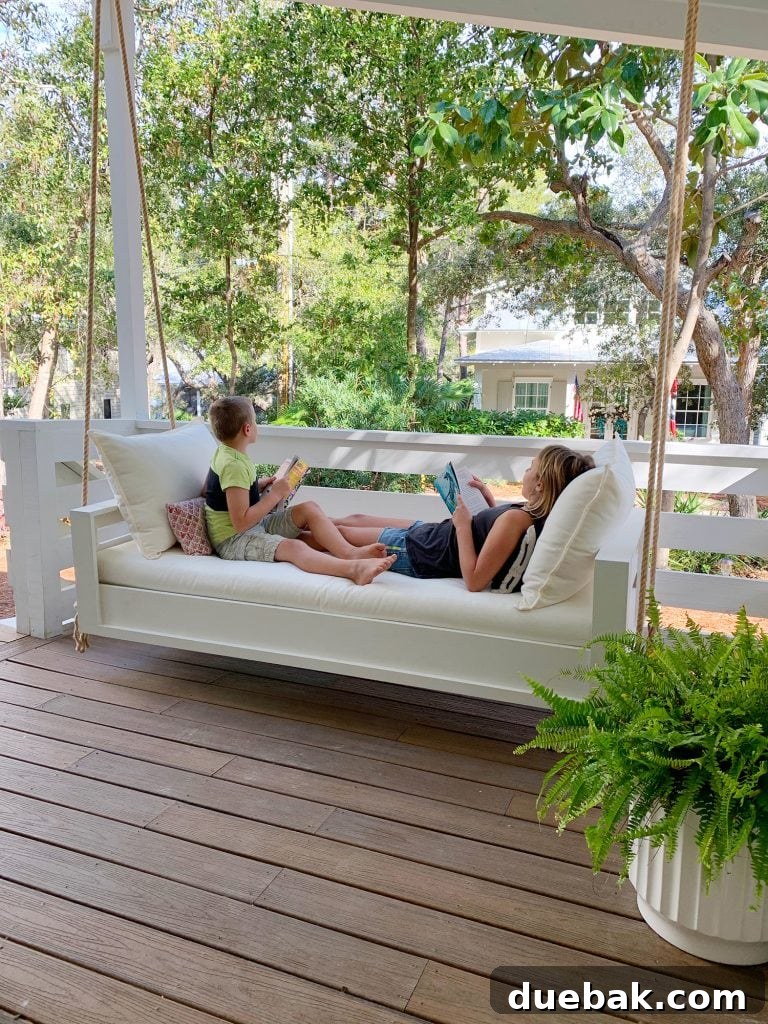
The difference was night and day. With the upgraded four-point suspension, the daybed now offers a gentle, therapeutic sway without any forward or backward pitching. Whether you’re reclining with a good book, enjoying a quiet moment, or simply lounging with loved ones, everyone stays perfectly level and flat. This seemingly minor adjustment in the hanging method made a monumental improvement in comfort, safety, and overall enjoyment, turning our porch into an even more inviting haven.
While a video tutorial (available on YouTube with auto-generated captions for convenience) provides an excellent visual guide to the entire process, including hardware selection, accounting for rope relaxation, and mastering essential knots, we’ll cover the fundamental steps and key insights right here. It’s highly recommended to watch the video when you’re ready to tackle your project, as it offers invaluable nuances that can significantly error-proof your experience.
Essential Materials for Hanging Your Daybed
Just like the construction of the daybed itself, the list of materials required for a secure and functional hang is straightforward. Opting for quality materials specifically rated for outdoor use and adequate weight support is crucial for both safety and durability.
- Four 5-Gallon Buckets: These indispensable items serve as temporary props, holding your daybed at a significantly higher initial height to account for rope stretch.
- Four Heavy-Duty Screw Eye Hooks for the Ceiling: These must be robust and capable of supporting substantial weight. Ensure they are designed for ceiling installation and outdoor conditions.
- Four Screw Eye Hooks for the Daybed: Slightly smaller than the ceiling hooks, these should be perfectly sized to allow your chosen rope to thread through easily.
- 3/4″ Natural Hemp Rope (approximately 48 feet): Hemp rope offers a beautiful, natural aesthetic and excellent strength. It’s imperative to understand that this type of rope will stretch significantly under weight. Always purchase a generous length to allow for adjustments and knot tying.
- Sharp Scissors: Regular kitchen scissors can work for cutting the hemp rope, though heavier-duty shears might offer cleaner cuts.
- Tape Measure: Essential for precise measurements, ensuring your daybed is hung evenly and centered in your space.
- Electric Drill: Necessary for drilling pilot holes before screwing in eye hooks, preventing wood splitting and ensuring a secure fit.
- Long Screwdriver: Useful as a lever to fully twist the eye hooks into the daybed frame.
- Stud Finder (if your ceiling is not exposed): To accurately locate structural support beams in your porch ceiling.

A critical point to remember is the inherent stretch of natural hemp rope. To compensate for this, you must hang your daybed significantly higher than its desired final resting height. The 5-gallon buckets play a vital role here, allowing you to establish an elevated starting point. Observing this phenomenon in the video demonstrates just how much the rope settles once weight is applied, preventing your daybed from ending up too low or even scraping the ground.
Step-by-Step Guide: How to Securely Hang Your Daybed
The secret to a perfectly hung daybed lies in meticulous preparation and understanding the behavior of your materials, particularly the rope’s elasticity. Many tutorials emphasize the “too high” initial placement, and for good reason—it’s counter-intuitive but essential for the correct final height.
1. Prepare Your Space and Daybed
Begin by clearing the area beneath where your daybed will hang. Gather all your tools and materials. Place your DIY daybed on top of the four 5-gallon buckets, positioning one bucket under each corner. This elevates the daybed to a working height and allows for the critical rope stretch consideration. Ensure the daybed is level on the buckets; minor adjustments can be made later, but a good starting point is beneficial.
2. Install Ceiling Hooks
Locating robust structural support is paramount for safety. If your porch ceiling joists are exposed, identify the beams directly above each corner of your daybed’s desired position. If your ceiling is finished, use a reliable stud finder to locate the center of the ceiling joists. Mark these four spots with precision, ensuring they align perfectly with the spacing of the hooks on your daybed below. Drill pilot holes slightly smaller than the diameter of your ceiling eye hooks. This prevents wood splitting and ensures a tight, secure fit. Screw the heavy-duty eye hooks firmly into the pilot holes until they are fully seated and can support substantial weight.

3. Install Daybed Hooks
Now, turn your attention to the daybed itself. Mark the precise locations on each corner where the smaller screw eye hooks will be installed. These should ideally be placed for maximum stability and aesthetic balance. Drill pilot holes for these hooks as well. A handy tip: insert a screwdriver through the eye of the hook and use it as a lever to twist the hook firmly into the wood. This provides better grip and torque, making the installation much easier.

Tying Your Rope: The Art of Secure Knots
The right knots are essential for both security and adjustability. We utilized a specific knot for the top and a simple stopper knot for the bottom, ensuring functionality and ease of use.
1. Tying the Top Knots (Midshipman’s Hitch)
For the connection to the ceiling eye hooks, we recommend the Midshipman’s Hitch knot. This knot is ideal because it is adjustable, allowing you to fine-tune the height and levelness of your daybed if it ever becomes uneven. The video tutorial provides a slow, detailed demonstration of how to tie this knot, or you can refer to an external resource like Animated Knots. Ensure each top knot is tied securely, with ample tail remaining for potential future adjustments.

2. Threading and Cutting the Rope
With the rope now securely attached to the ceiling hooks, thread the free end of each rope through the corresponding eye hook on the bottom of your daybed. Before tying the final knots, use your tape measure to ensure the daybed is perfectly centered within your space and that all four sides are even. Leave approximately two feet of excess rope at the bottom of each corner; this extra length serves as a safety measure and allows for knot tying. Once satisfied with the positioning, carefully cut the rope at each corner.

3. Tying the Bottom Knots (Simple Stopper Knot)
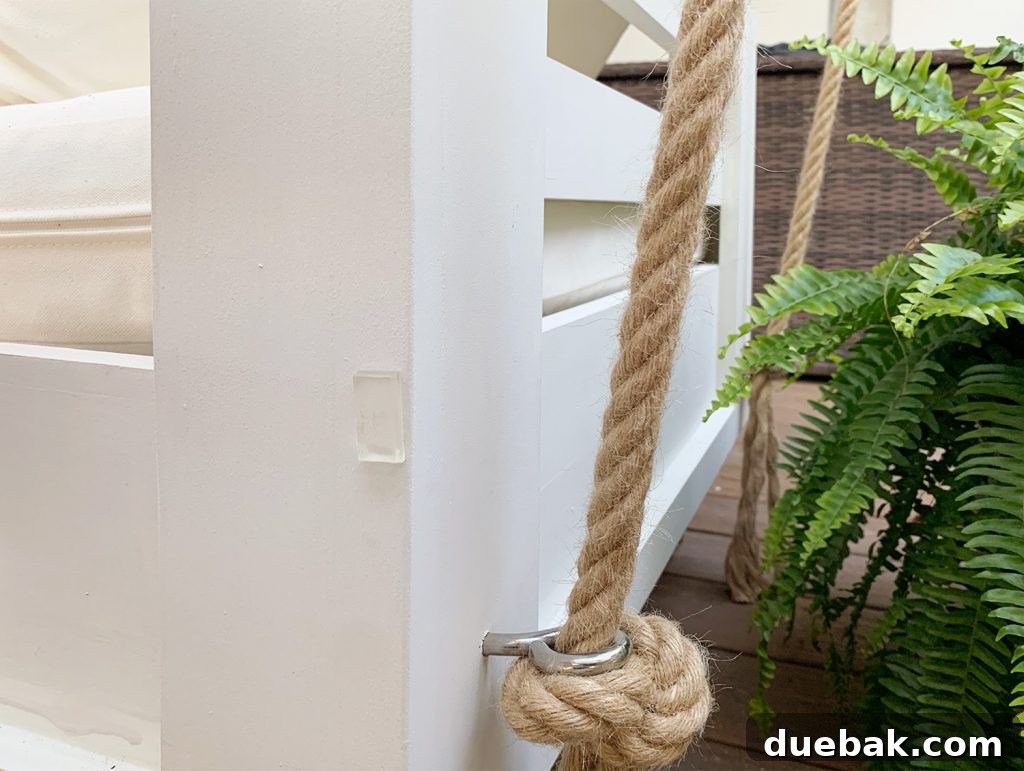
For the bottom connection, a simple yet secure stopper knot is sufficient. We used what we affectionately call a “pretzel knot,” which is essentially a tight, basic knot positioned directly beneath the eye hook on the bottom of each corner. The key is to pull all four knots tight against their respective bottom eye hooks, ensuring uniform tension across all ropes. This step is critical for maintaining the daybed’s levelness and stability once it’s supporting weight.

4. The Moment of Truth: Removing the Buckets
With all knots securely tied, it’s time for the exciting, albeit slightly nerve-wracking, moment: carefully remove the 5-gallon buckets. Allow the daybed to hang freely. The first person to sit on it will likely hear the rope creak and groan loudly as it stretches and relaxes under the initial weight. This is perfectly normal and expected, demonstrating the significant rope stretch we discussed. You’ll observe the ropes pulling tight against your bottom knots, confirming that the initial “too high” placement was indeed correct.
Finishing Touches and Maximizing Enjoyment
Once your daybed is hung and leveled, a few final touches can enhance its functionality and longevity.
Managing Railing Contact
Many porch swings and hanging daybeds are situated near railings. While gentle swaying typically avoids contact, vigorous movement can cause the daybed to bump into the railing. To prevent potential damage to the daybed corner or the railing, consider adding clear furniture bumpers along the back edge of the daybed. These discreet additions provide peace of mind, protecting your investment without compromising aesthetics.

Aesthetic Rope Ends
For a clean and finished look, you can choose to fray the excess rope ends beneath the bottom eye hooks. Trim the rope so it hangs just above the decking, preventing it from dragging on the ground. This not only keeps the rope cleaner but also eliminates any annoying sounds that might occur if it were to scrape the surface while swaying.
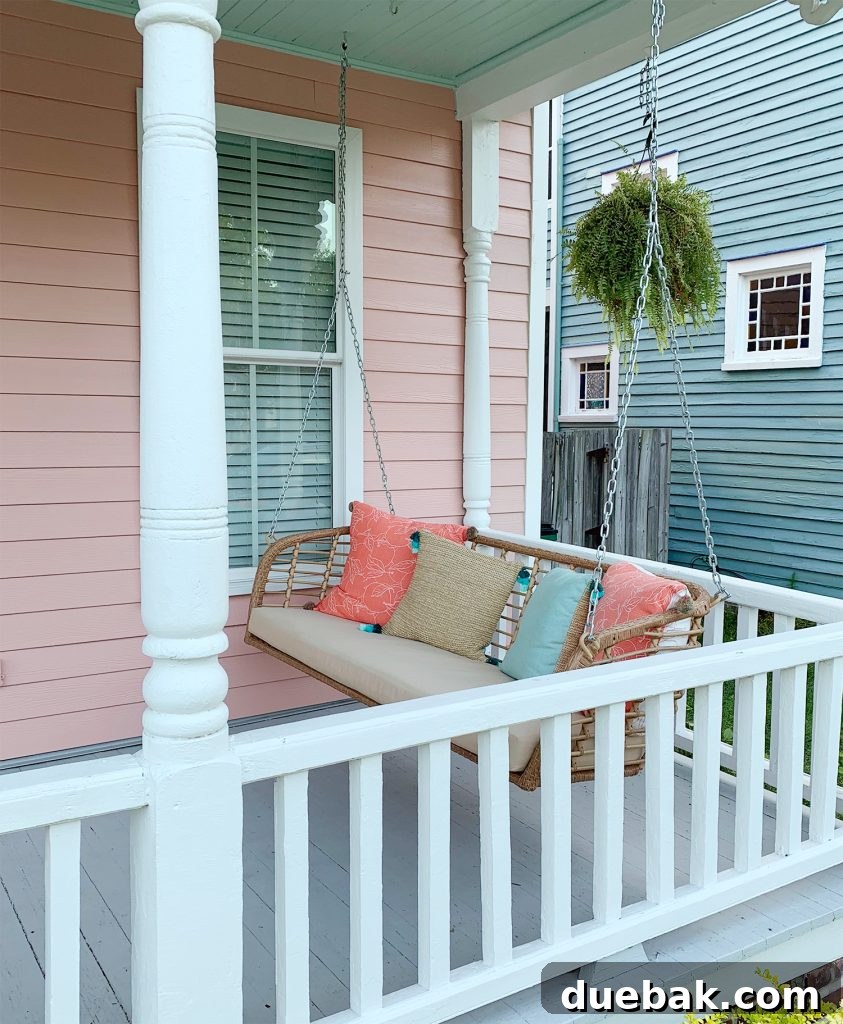
Long-Term Care and Maintenance
Periodically inspect your rope and hooks for any signs of wear, fraying, or corrosion, especially given their exposure to the elements. Natural fibers like hemp can degrade over time, so vigilance ensures continued safety. If your daybed ever becomes uneven, the adjustable Midshipman’s Hitch knots allow for easy re-leveling without having to re-tie everything.
Our newly hung porch daybed, now secured from four anchor points, has fundamentally transformed our outdoor living experience. Replacing simple chairs, this expansive lounging area allows for full leg extension and unparalleled comfort, making our porch an even more inviting and utilized space. It’s a true testament to how a well-executed DIY project can elevate everyday living.

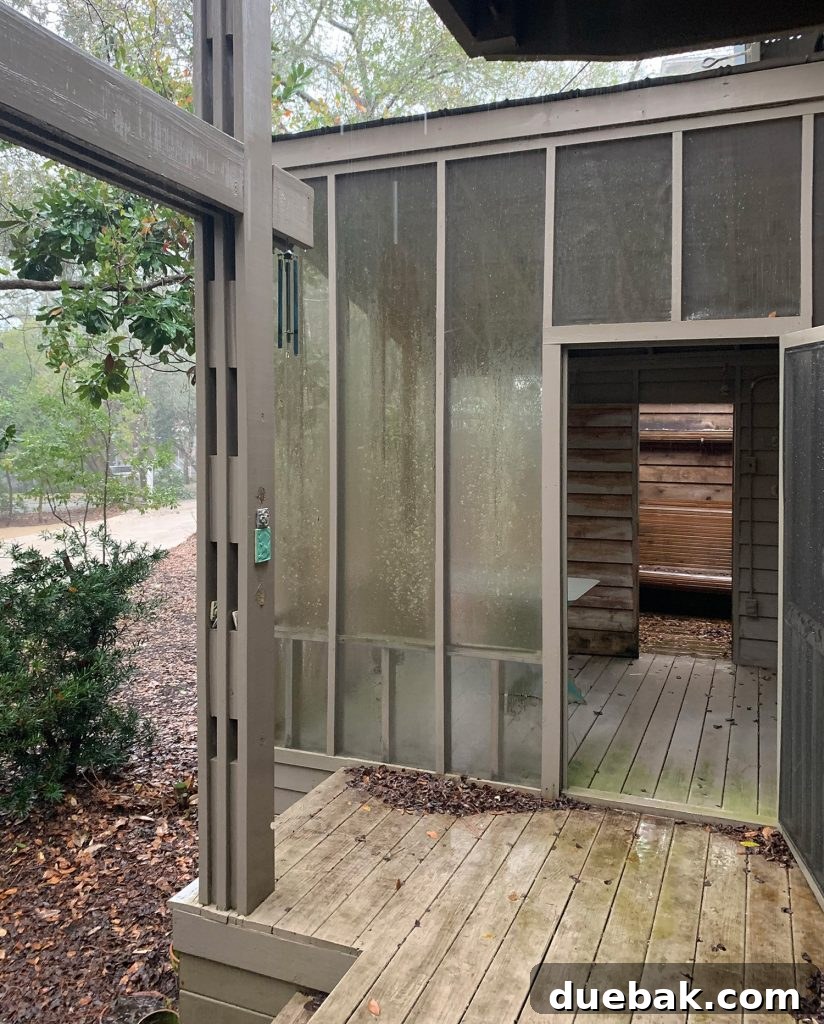
Reflecting on the journey, it’s incredible to see the transformation of this porch. Just a year ago, it was a screened-in, mildew-ridden space with rotten floorboards. The vision to open it up and create a vibrant outdoor area, complete with a custom hanging daybed, has truly paid off. The removal of the screens, initially a concern for some, has proven to be a non-issue thanks to a powerful outdoor ceiling fan, which effectively deters mosquitoes and other bugs by creating moving air. This renovation highlights the potential for dramatic improvements in any home’s outdoor areas.
Now, we eagerly await warmer Florida weather to fully indulge in this luxurious outdoor hangout. Even a mild 55 degrees feels chilly to our acclimated senses! The successful installation of this hanging daybed stands as a testament to careful planning, quality materials, and a bit of DIY spirit.

We hope this detailed guide empowers you to create your own outdoor oasis. If you’re inspired to explore more building projects and furniture upgrades, our dedicated archive is full of ideas. For a complete overview of all the transformations we’ve brought to this house over the past 8.5 months, visit this section.
*This post contains affiliate links, meaning we may earn a small commission when you make a purchase through links on our site, at no additional cost to you.