
Transforming your home’s exterior can dramatically enhance its curb appeal, and few projects offer as much visual impact as refreshing your planting beds. This past season, our focus shifted to the front yard, driven by an upcoming family celebration and a desire to elevate the view from our porch. While Mother Nature has been generous, enveloping our surroundings in vibrant greenery, our own landscaping efforts required a significant boost. The goal was clear: crisp up the edges of our garden beds, generously spread a fresh layer of mulch, and bring a renewed sense of order and beauty to our property. This journey, from overgrown patches to meticulously defined landscapes, is a testament to the power of thoughtful planning and a bit of elbow grease.
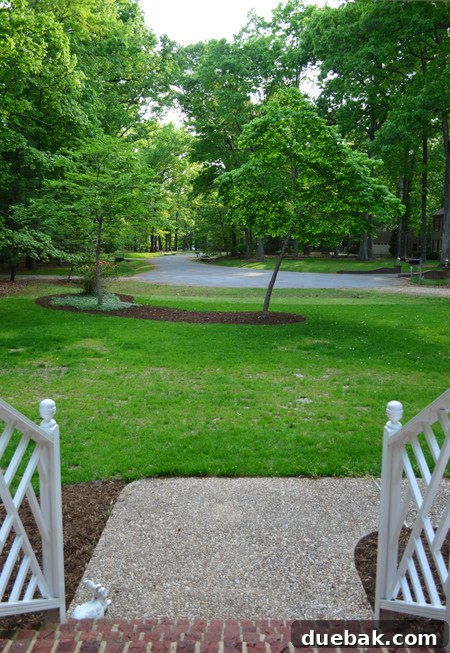
To truly appreciate the transformation, let’s rewind the clock. Imagine stepping into a “hot tub time machine” and setting the dial back to last summer. The scene then was less than inspiring; our planting beds presented a rather unfortunate gradient, transitioning from rampant weeds to bare, compacted dirt. It was a classic example of a garden left to its own devices, struggling to maintain any semblance of order against nature’s relentless push. The once-defined shapes had blurred, and the plants that remained were overshadowed by unwelcome invaders, creating a patchy and neglected appearance that detracted significantly from our home’s overall aesthetic.

While our lawn saw some improvement over time—achieving a fairly good, though not perfect, green expanse after spring overseeding and with plans for further aeration and seeding in the fall—the planting beds continued to lag behind. We had, regrettably, skipped mulching the previous year. Consequently, by the arrival of this spring, even with the surrounding grass growing thicker and somewhat better defining their borders, the beds themselves remained unkempt and visually unappealing. They were a raw canvas, awaiting the crucial step of mulching to truly bring them to life and provide the necessary support for healthy plant growth. The contrast between the improving lawn and the struggling beds was stark, underscoring the urgent need for intervention.

Our journey to a beautifully mulched landscape began with a practical decision: how to acquire the mulch. We initially explored options for free mulch, a concept many of you had kindly suggested might be available in our area, often from local arborists or municipal programs. Despite our best efforts, we came up empty-handed on that front. Undeterred, we shifted our focus. After gathering valuable recommendations from several neighbors who boasted impeccably maintained yards and conducting a thorough cost-benefit analysis, the choice became clear: bulk delivery was the way to go this year. We quickly learned that a 10-cubic-yard delivery of quality, basic hardwood mulch would cost us approximately $280 through a reputable local company our neighbors frequently used. A quick calculation revealed that purchasing the same quantity in bags from a big-box store like Home Depot would not only exceed $300 but also involve the daunting task of hauling over 135 individual bags home ourselves. The convenience, cost-efficiency, and sheer physical relief offered by bulk delivery made it an undeniably easy and smart decision, allowing us to invest our energy where it mattered most: spreading the mulch.
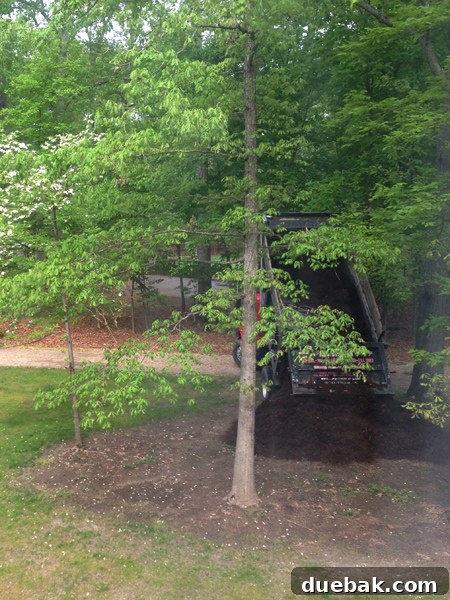
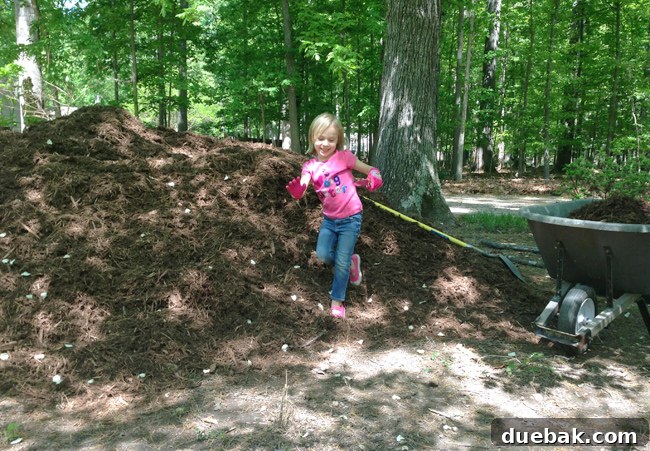
While opting for bulk delivery spared us the back-breaking trips to the hardware store, it certainly didn’t eliminate the need for hard work. The substantial pile of mulch deposited in our driveway signaled the beginning of the next phase: shoveling countless wheelbarrows full of rich, dark material. It’s a surprisingly satisfying, albeit strenuous, endeavor. Each trip with the wheelbarrow, laden with mulch, felt like a small victory, contributing to the larger vision of a revitalized garden. I was fortunate to have a delightful, albeit tiny, helper for a portion of this task. Our daughter, with her miniature garden gloves and a trowel that barely scratched the surface, enthusiastically “assisted” in her own charming way. Next time, I might need to gently persuade her to upgrade from her tiny trowel to something a bit more substantial, perhaps a small shovel, to truly harness her burgeoning gardening spirit. These moments, however, are invaluable, turning a household chore into a shared family experience and fostering a love for the outdoors from a young age.
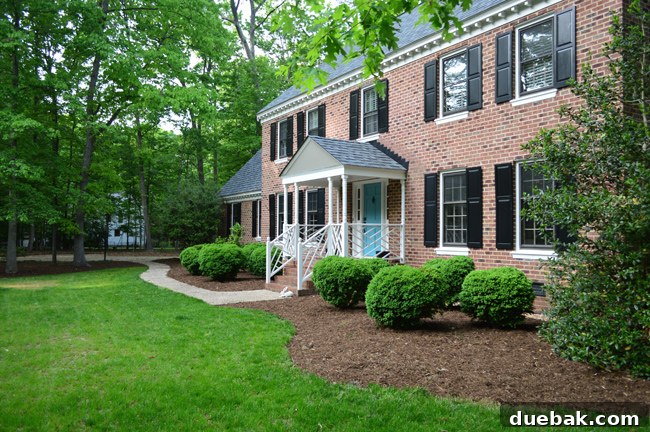
The entire mulch spreading process, from the first shovel full to the final rake-over, spanned approximately two and a half dedicated afternoons. By the time we finished, the transformation was remarkable. Our landscaping had undeniably taken on a significantly improved appearance, radiating a sense of care and polish that had been missing. Of course, landscaping is an ongoing journey, and we still have exciting steps ahead. This includes the joyful task of selecting and planting more diverse flora to fill out the beds, as well as addressing a few stubborn, bare patches in the grass. Nevertheless, with the beds neatly mulched and defined, we feel a tangible step closer to achieving that elusive, highly coveted “curb appeal.” While we’re still contemplating the absolute final shapes of these beds—debating, for instance, extending the foreground bed along the outside of the path to allow for planting on both sides of the walkway eventually—the foundation for a truly stunning garden has now been firmly laid. It’s a process of continuous refinement, but the current progress is incredibly encouraging.
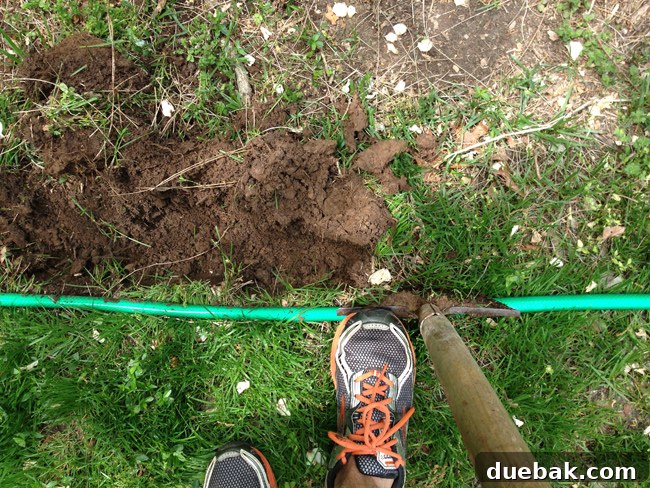
Beyond the sheer effort of hauling and spreading, a critical component of achieving that polished, professional look involved meticulously defining the edges of the planting beds. For years, we’ve admired the striking, crisp grass-to-mulch lines that grace our neighbors’ landscapes, lending an air of sophisticated neatness to their properties. Inspired by their impeccable standards, I decided it was time to attempt to replicate that same level of precision in our own yard. The process began with a simple yet effective technique: using a garden hose to carefully outline the desired shape of each bed. The key here was intentionally allowing the hose to extend slightly into the existing grass, a strategic move designed to ensure that the eventual border would be robust and thick, providing a clear and lasting demarcation between the lawn and the mulched areas. This initial step, though seemingly minor, is fundamental to establishing the clean, intentional lines that elevate a garden from ordinary to extraordinary.

Once the desired outline was perfectly laid out with the garden hose, the next step involved a tool specifically designed for precision: a small edging spade. With careful, deliberate movements, I used this spade to cut along the established line, meticulously carving out a small, uniform chunk of grass and soil as I progressed around each bed. This initial cut is crucial for creating that distinct, clean edge that visually separates the lawn from the planting area. The sharp blade of the spade allowed for clean, swift cuts, helping to maintain the integrity of the line established by the hose. This careful manual process, though time-consuming, ensures a much more refined and durable edge than simply adding mulch over existing turf, setting the stage for a truly manicured appearance.
Following the initial cutting of the bed edges, I revisited the delineated areas to thoroughly dig up and remove any grass or weeds within the newly formed planting spaces. This crucial step serves a dual purpose. Firstly, it acts as a preventative measure, significantly reducing the likelihood of grass and stubborn weeds from eventually sprouting up through the fresh mulch, thereby maintaining the beds’ pristine appearance for longer. Secondly, by excavating the soil slightly, the entire bed is recessed below the level of the surrounding lawn. This clever technique creates a natural containment barrier, helping the mulch stay neatly within the bed and preventing it from scattering onto the grass during heavy rains or strong winds. This recessed design not only contributes to the tidiness of the landscape but also extends the life and effectiveness of the mulch layer, making it a highly recommended practice for any serious gardener.
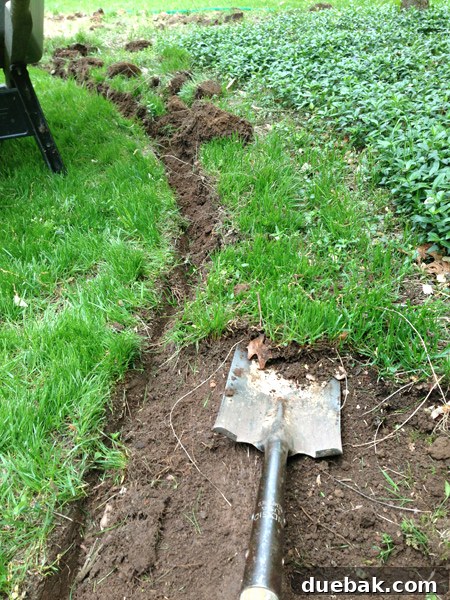
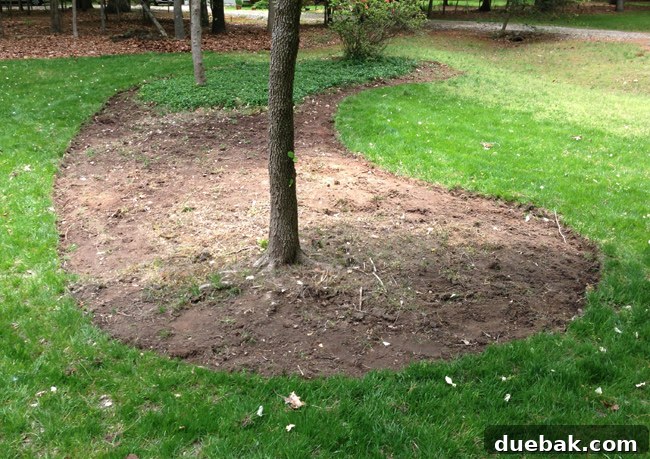
Here you can see the bed in its “ready for action” state – all dug up, meticulously cleared of grass and weeds, and perfectly prepped for its new layer of mulch. While I’m not entirely convinced that the final shape I landed on is my absolute favorite, I have a strong feeling that once we introduce some thoughtfully selected bushes and flowers, the overall design will coalesce and make perfect sense. For now, we’re working diligently with the existing plants and structures, laying the groundwork for future botanical additions. This interim stage, though perhaps not picturing the final vision, truly highlights the meticulous preparation that precedes the beautiful finished product, showcasing the bare bones before the art of planting begins.
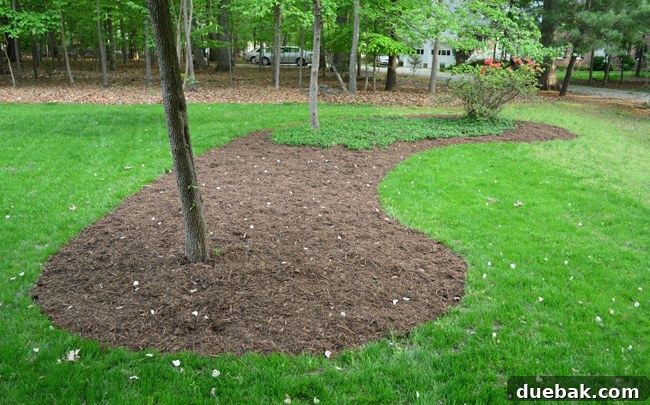
And here it is, the moment of truth: the bed, fully mulched and radiating a fresh, inviting energy, almost as if it’s ready to host a garden party! The rich, dark mulch instantly provides a striking contrast against the greenery, defining the space and creating a polished backdrop for the existing plants. However, a keen eye might spot a somewhat forlorn-looking azalea at one end. This poor plant seems to be a particular favorite among our local deer population, consistently showing signs of their unwelcome visits. It’s a gentle reminder that even with the best intentions and diligent efforts, gardening is a continuous battle against nature’s various challenges, from pests to varying light conditions. Despite this minor setback, the overall impact of the freshly mulched bed is undeniable, setting a beautiful stage for future plantings and further improvements.
Rather than providing an exhaustive, bed-by-bed commentary on every corner of the yard, let’s take a moment to appreciate the broader strokes of change. Here’s a powerful before and progress snapshot, illustrating just how much our outdoor spaces have evolved over the past nine months or so. These comparative views truly encapsulate the journey from a struggling, untended yard to one that is beginning to flourish with intention and care. It’s a testament to the cumulative effect of consistent effort, even if individual steps felt small at the time. The visual story these images tell is far more impactful than any detailed description could be, highlighting the significant strides we’ve made in our landscaping endeavors.
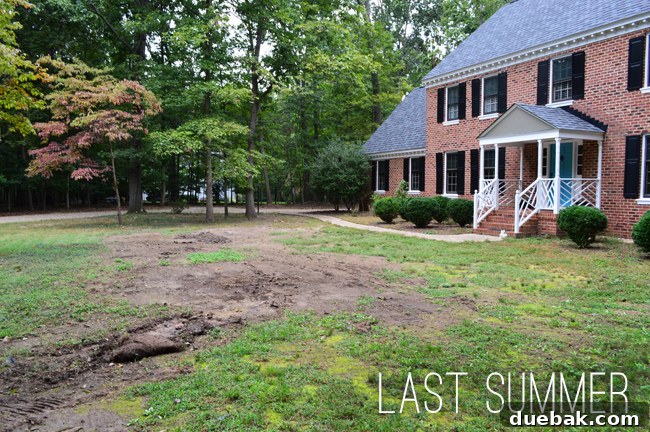
Looking at this particular “before” picture, especially recalling the barrenness and chill, fills me with immense gratitude that winter’s long, dormant grip has finally released its hold. There’s an undeniable joy that comes with the reawakening of spring, when the drab grays and browns give way to vibrant greens and budding life. This seasonal transition isn’t just a change in temperature; it’s a profound shift in mood and energy, both in the garden and within ourselves. The stark contrast makes every blade of newly green grass and every fresh layer of mulch feel like a celebration of warmer days and renewed possibilities, reinforcing the cyclical beauty of nature and the satisfaction of contributing to its vibrancy.
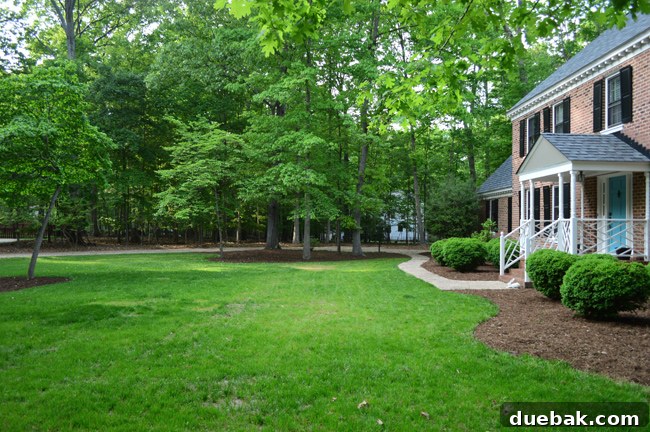
After all the mulch was spread, we realized that our initial order of ten cubic yards, calculated with rough measurements and an online mulch calculator, proved to be slightly more than we needed for the primary areas. While it’s always better to have a little extra than to run short in the middle of a project, this experience provided valuable insight for future landscaping endeavors. Moving forward, we’ve adjusted our estimates and believe that seven or eight cubic yards should be the perfect amount for our main planting beds, allowing us to hit that sweet spot of sufficient coverage without unnecessary excess. This refinement in our calculations means more efficient planning and less waste for our next mulching cycle.
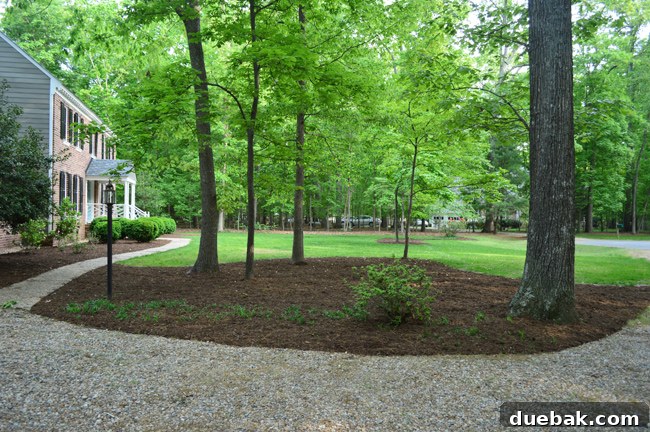
Resourcefully, the leftover mulch didn’t go to waste. I strategically used a portion of the surplus to refresh some overlooked areas in the backyard, providing a much-needed aesthetic boost and weed suppression to those spaces. The remaining mulch, a generous amount, was then thoughtfully spread over the expansive bed adjacent to the driveway, prominently featured in the photo above. This allowed us to apply an extra-thick layer, not only enhancing its visual appeal but also maximizing its benefits for moisture retention, temperature regulation, and long-term weed control. Ensuring a substantial mulch layer in high-visibility areas like this helps to maintain a pristine look and provides optimal health benefits for the plants, making the most of every last scoop.
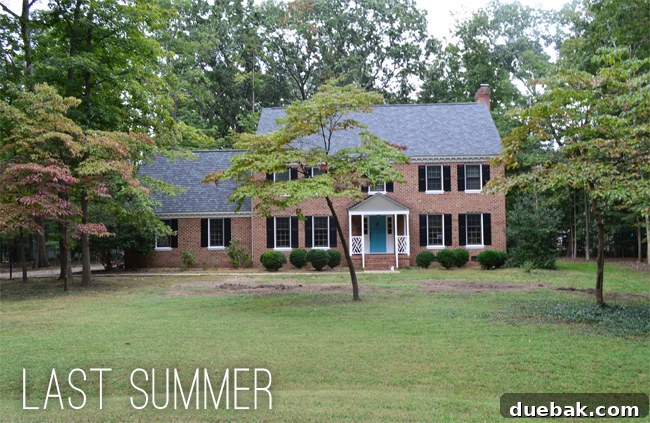
With the mulching task finally accomplished, there’s a distinct sense of reaching a crucial milestone. We feel we’ve arrived at what we affectionately call “Landscape Zero”—a baseline where the property no longer appears neglected or unkempt, creating a solid, tidy foundation. While we still need to tackle those stubborn weeds in the driveway, the main garden beds now boast a clean, intentional appearance. However, “Landscape Zero” also signifies that we haven’t yet embarked on the exciting next phase: populating those now-empty beds with strategic plantings. This stage sets the groundwork for true garden design, moving beyond basic maintenance to creating a vibrant, living landscape that truly reflects our vision for the home’s exterior. It’s a significant step forward from where we started, brimming with promise for what’s to come.
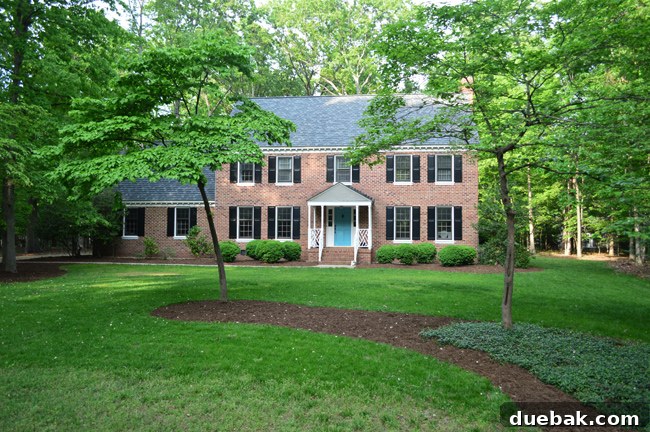
As we contemplate the next phase—the actual planting and design of these revitalized beds—we’re seriously considering engaging the landscaper who meticulously crafted the stunning outdoor spaces for our showhouse. We thoroughly enjoyed our collaboration with him previously and deeply valued his expertise and creative vision. Our plan is to handle all the “grunt work” of planting ourselves, but we believe investing in a professional consultation will be invaluable. A seasoned expert can provide crucial insights into plant selections that will thrive specifically in our local conditions, considering factors like sunlight exposure, soil type, and, critically, deer resistance. This approach mirrors the success we experienced at our last home, where a professional opinion truly helped kickstart a cohesive and flourishing landscape design. We’re optimistic that bringing in a professional early in the planning stage will have a similar transformative effect here, guiding us towards a truly sustainable and beautiful garden that enhances our property for years to come.
Have you been tackling any outdoor projects or getting your hands dirty in the garden lately? Share your experiences and tips!
PS – Sherry recently launched a Teddy’s Photo Project page this weekend, complete with his three-week photo and a few adorable outtakes. You can find it easily via a new sidebar button. We’ll be updating it weekly with new photos, just as we did for Clara’s project, so be sure to check back for more cute updates!