

Transform Your Child’s Art into a Beautiful Personalized Storage Box: A Step-by-Step DIY Guide
There’s something truly magical about a child’s imagination captured on paper. Their vibrant colors, uninhibited strokes, and unique perspectives create masterpieces that deserve to be cherished and displayed, not tucked away in a dusty drawer. What if you could transform those precious drawings into a functional and beautiful piece of home decor? This project offers a delightful way to do just that, creating a personalized storage box that celebrates your child’s creativity while providing a practical storage solution.
While this craft is a fantastic opportunity to bond with your little artist, it’s equally enjoyable for adults seeking a charming DIY project. You don’t need a child’s artwork to make this box come to life; consider using elegant decorative gift wrap, patterned wallpaper, or even your own adult-made art to create a stunning custom piece. So, whether you’re a parent, a grandparent, or simply a craft enthusiast, get ready to unleash your creativity!
Materials You’ll Need for Your Personalized Art Box
Before diving into the creative process, gather all your supplies. Having everything at hand will make the experience smooth and enjoyable, especially when crafting with children.
- Lightweight Wooden Craft Box: These unpainted boxes are readily available at most craft stores like JoAnn, Michaels, or Hobby Lobby. Choose a size that best fits your chosen artwork and storage needs. Boxes with hinged lids work particularly well for this project.
- Child’s Artwork (or decorative paper/adult art): The star of the show! Select a piece that inspires you and fits the dimensions of your box lid. Paintings, drawings, collages – anything vibrant and meaningful will work beautifully. Ensure it’s not too thick or textured to wrap easily.
- Mod Podge (Matte, Gloss, or Satin Finish): This all-in-one glue, sealer, and finish is essential for protecting your artwork. Choose the finish that best suits your aesthetic preference.
- Craft Paint: Acrylic craft paint in your desired color for the base of the box. Consider a color that complements the artwork.
- Paint Brushes: Various sizes for applying paint and Mod Podge.
- Scissors: Sharp scissors for precise cutting of the artwork.
- Decorative Washi Tape (or other strong adhesive tape): Washi tape adds a lovely decorative touch and helps secure the artwork. If you prefer a stronger hold on the inside, standard craft tape or a strong adhesive glue stick can also work.
- Craft Knife (Optional, for precise trimming): Useful for very neat edges.
- Ruler and Pencil: For measuring and marking.
- Protective Surface/Newspaper: To keep your workspace clean.
- Drying Rack or Space: For allowing paint and Mod Podge to dry completely between coats.
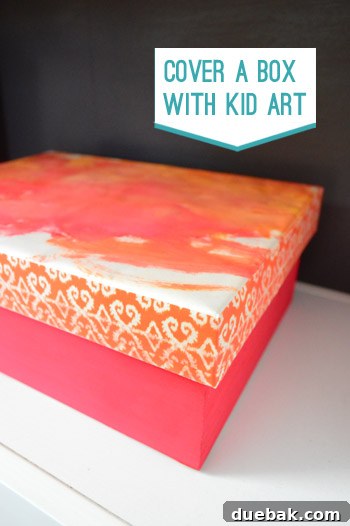
Step 1: Selecting the Perfect Masterpiece
The first and arguably most delightful step, especially when working with children, is choosing the artwork. My little assistant, Clara, and I thoroughly enjoyed poring over her recent creations from school. She loves to paint, so we had a treasure trove of options. We looked for a piece that she particularly loved and that had vibrant colors. For our project, she selected a beautiful abstract painting with warm yellow, orange, and red tones, which you can see closest to the camera in the image below. When selecting, consider the size and orientation of your box lid to ensure the artwork fits well and the most appealing part of the drawing will be visible on top.

Step 2: Preparing the Artwork for Wrapping
With our chosen artwork in hand, it was time to prepare it for its new life on the box lid. The goal here is to wrap the art around the lid much like you would wrap a gift, ensuring smooth edges and a snug fit. Take your lightweight wooden craft box and carefully place your chosen artwork face down on a clean, flat surface. Then, place the box lid, also face down, directly on top of the artwork. Center the lid so the artwork is positioned exactly where you want it to appear on the finished box.
Next, with the lid still in place, gently fold the excess artwork up and around the sides of the lid. Observe how the corners of the paper overlap. To achieve a clean wrap, you’ll need to cut the corners of the artwork. Using sharp scissors, make diagonal cuts from the edge of the artwork towards the corners of the box lid. This technique allows the paper to fold neatly without bulky overlaps, creating crisp edges. Think of it like tailoring the paper to fit the lid’s contours perfectly.

Step 3: Securing the Artwork to the Lid
Once the corners are trimmed, you’re ready to secure the artwork. Flip the lid and artwork over so the artwork is now face up on the lid. Carefully fold the edges of the artwork over the sides of the lid and onto the inside surface. Apply a strong adhesive to hold the paper in place. We opted for a roll of beautiful decorative washi tape – a gift I received, though similar designs can often be found at stores like Target or local craft shops. Washi tape is fantastic because it’s not only functional but also adds another layer of decorative charm to the inside of the lid. Ensure the tape is pressed down firmly to create a smooth, secure hold.

Step 4: Wrapping All Sides with Care
Continue this process for each side of the box lid. Take your time, pulling the paper taut as you fold and secure it. This ensures a wrinkle-free finish on the outside of the lid. My trusty assistant, Clara, watched with keen interest from her nearby chair, observing every detail of the transformation. Her attentiveness added to the joy of the project, knowing she was seeing her artwork elevated in a new and exciting way.

Step 5: Adding a Decorative Washi Tape Border (Optional)
For an extra touch of flair, I decided to run an additional strip of the same decorative washi tape around the outer edge of the lid. This created a lovely border that beautifully framed Clara’s painting and tied in with the tape used on the inside. This step is entirely optional; if you prefer the look of the artwork wrapping seamlessly around the lid without an additional border, feel free to skip it. Experiment with different colors or patterns of tape if you choose to add this detail – it’s a wonderful opportunity to personalize the box even further.

Step 6: Painting the Box Base
While the lid was receiving its artistic makeover, Clara and I embarked on painting the base of the box. We chose a vibrant red craft paint to complement the warm tones in her artwork. This was one of the steps Clara genuinely loved helping with! Applying paint with a brush is a fantastic way for children to develop fine motor skills and experience the satisfaction of contributing to a tangible project. We quickly realized it would take a few coats to achieve an even, opaque finish. Patience is key here, as you’ll need to allow ample drying time between each coat. During these drying intervals, we took breaks to play, got dressed for the day, and engaged in other activities, making the entire crafting experience relaxed and enjoyable.
Step 7: Sealing and Protecting with Mod Podge
Once the paint on the box base was completely dry, and the artwork was securely in place on the lid, it was time for the final, crucial step: sealing everything with Mod Podge. This magical sealant not only adds a protective layer to the artwork, safeguarding it from dust, spills, and wear and tear, but it also gives the box a polished, professional finish. Clara thoroughly enjoyed helping me brush the Mod Podge generously over the entire surface of the lid, ensuring her painting was sealed for the long haul. Apply thin, even coats, allowing each coat to dry completely before applying the next. Typically, two to three coats are sufficient for excellent protection.

Involving Your Little Helper: A Guide to Shared Creativity
For those who adore embarking on creative endeavors with their children, this project offers several opportunities for meaningful involvement. Clara particularly enjoyed three key stages:
- Creating the Original Artwork: The very first step, where their imagination takes flight and produces the masterpiece for the box.
- Painting the Box Base: A hands-on activity that allows them to wield a paintbrush and contribute directly to the box’s aesthetic.
- Applying Mod Podge: The satisfying task of sealing their creation, giving them a sense of responsibility and finality.
I happily took on the more intricate tasks, such as precisely cutting the paper to fit the lid and carefully taping it into place, allowing Clara to focus on the broader, more sensory aspects of the craft. This division of labor makes the project accessible and enjoyable for both adults and children, fostering teamwork and shared accomplishment.
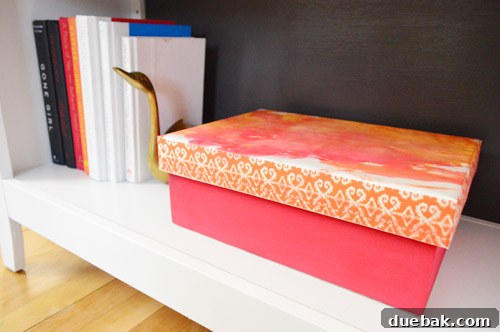
The Finished Product: A Cherished Keepsake and Functional Decor
The finished personalized storage box is undeniably cute and serves as a wonderful testament to a child’s artistic talent. I absolutely love how much fun it was to tackle this project with Clara. This DIY goes beyond mere crafting; it’s about celebrating milestones, preserving memories, and creating functional art that brightens your home. Instead of stashing away piles of drawings in an unopened box, imagine seeing their latest creation proudly displayed, holding trinkets, art supplies, or cherished keepsakes.
It’s a conversation starter, a splash of color, and a constant reminder of the joy of childhood creativity. Clara’s teacher shared a wonderful anecdote about her painting process: she’ll paint a little, step back to observe her work, step forward to add more detail, then step back again to evaluate before diving back in. It’s truly endearing, isn’t it? She’s indeed my little Van Gogh, bringing her unique vision to life.
Tips for Success and Further Customization
- Encourage Creativity: Let your child choose their favorite piece of art. The more invested they are, the more they will enjoy the process.
- Work in Stages: If working with younger children, break the project into multiple sessions to prevent overstimulation and maintain interest.
- Experiment with Finishes: Mod Podge comes in various finishes (matte, gloss, satin). Choose one that complements the artwork and your home decor.
- Consider Other Materials: Don’t limit yourself to paper! You could use fabric scraps, pressed flowers (sealed carefully), or even photos for a different look.
- Label the Box: Add a small label to the bottom of the box with the child’s name, age, and the date the artwork was created, turning it into an even more precious time capsule.
- Care and Maintenance: Gently wipe the finished box with a damp cloth to clean it. Avoid harsh chemicals that could damage the Mod Podge seal.
What creative projects have you been enjoying with your children lately? Share your ideas and inspire others! There’s an incredible satisfaction in finding innovative ways to incorporate their artistic expressions into your home, turning everyday objects into extraordinary keepsakes. This personalized art box is more than just storage; it’s a canvas for memories, a celebration of imagination, and a beautiful addition to any space.