

Ever since a previous post discussing children’s clothing choices, I’ve received a surprising number of requests for insights into how I manage my own wardrobe without overspending. While I’m certainly no fashion guru – the thought makes me chuckle – I am an expert at finding great deals. This comprehensive guide will share my top strategies for saving money on clothes, alongside some clever sale tricks I’ve picked up, and a few essential dressing rules that help me avoid regrettable purchases and unworn items cluttering my closet.
I genuinely value community wisdom, so please share your own ingenious methods for scoring deals and resisting impulse buys in the comments section below. Your wardrobe words of wisdom could be invaluable to fellow readers!
Tip #1: The Power of a Simple Question – Just Ask
You’d be amazed at the hidden savings that can be uncovered just by speaking up. About a year ago, I stumbled upon a lovely dress at Old Navy that had no price tag. Instead of walking away, I politely inquired about its cost. The associate informed me it was an online-only return that had mistakenly ended up in their physical store. To my delight, they offered it to me for a whopping 50% off! What started as a $30 dress instantly became a $15 steal. Better yet, I was able to combine this with an additional mailer coupon I had, bringing the final price down even further. This experience taught me the immense value of simply asking – the worst anyone can say is no, and the potential for savings is often significant. Don’t be afraid to inquire about unpriced items, floor models, or even slight imperfections. You might just unearth a fantastic deal you’d otherwise miss.

Tip #2: Master Your Coupon Collection – Organization is Key
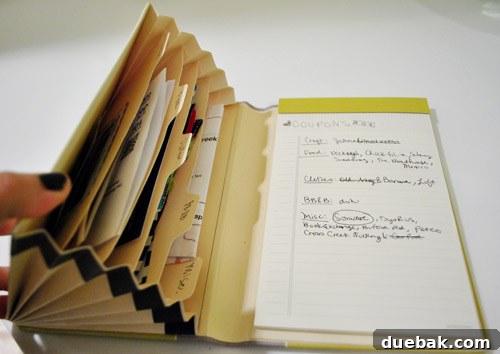
Coupons are powerful tools for saving money, but only if you use them effectively. My strategy involves a meticulous organization method that ensures I’m always aware of what I have and when it expires. Whether you prefer a digital folder on your phone, a physical binder, or a dedicated app, the goal is to prevent those precious discounts from going to waste. By keeping coupons for clothing stores neatly categorized and easily accessible, I can quickly check for applicable savings before making a purchase. This disciplined approach to coupon management has consistently helped me save a considerable amount of money on my clothing budget. Don’t let valuable discounts slip through your fingers – an organized coupon system is a direct path to more loot in your pocket.
Tip #3: Decode Store Policies and Loyalty Programs for Maximum Savings
Every store has its own set of rules, promotions, and loyalty programs – and knowing them can lead to significant savings. Many retailers offer special deals exclusively for their cardholders or members. For instance, Old Navy, Gap, and Banana Republic often provide an additional 10% off on specific days, like Tuesdays, when you use their store credit card. This discount can often be stacked on top of existing markdowns, coupons, or other in-store promotions. I recently experienced this firsthand, spending only about $25 at Old Navy to acquire $65 worth of clothing. My secret? I combined Old Navy’s “Super Cash” voucher (a reward for previous purchases) with a Tuesday cardholder discount, and additionally, one item was an online-only return that had already been marked down by 50%. By strategically layering these discounts, shopping on the optimal day, and remembering to use my Super Cash before it expired, I saved a remarkable $40. Familiarize yourself with your favorite stores’ policies, sign up for their loyalty programs and email lists, and learn when their big seasonal sales typically occur – this knowledge is your ultimate savings superpower.
Tip #4: Discover Your Retail Sanctuaries – Strategic Shopping Hubs
Developing a roster of favorite stores isn’t just about brand preference; it’s a strategic move that streamlines your shopping and maximizes savings. By frequently visiting the same handful of retailers, you gain invaluable knowledge about their unique sales cycles, return policies, and fitting nuances. This familiarity allows you to:
- **Know Your Sizes:** Consistently shopping at the same stores helps you understand how their sizing runs, leading to quicker purchases and fewer returns. You’ll avoid the frustration of trying on countless items that don’t fit.
- **Identify Your Best Fits:** You’ll learn which cuts and styles of jeans, tops, and dresses consistently flatter your body type and align with your personal aesthetic. This prevents impulse buys of items that might look good on the hanger but never feel right when worn.
- **Anticipate Sales:** Over time, you’ll recognize patterns in their end-of-season sales, holiday promotions, and special discount events. This foresight enables you to plan your purchases strategically and snag items when they’re at their lowest prices.
Beyond regular retail stores, we’re also huge proponents of outlet shopping. Around major holidays like Memorial Day and Labor Day, we often visit outlets where it’s common to find items discounted by 50-70% or more. If I had to pick my absolute favorite shopping havens, they would be:
- **Gap:** An excellent choice for timeless staples like well-fitting jeans and classic t-shirts.
- **Old Navy:** I often find their tops to be stylish, comfortable, and budget-friendly.
- **Banana Republic:** I always make a beeline for their sale rack, finding high-quality tops, skirts, and dresses.
- **Banana Republic Outlet:** This is my go-to for investing in long-lasting, quality items, such as a versatile black trench coat.
- **J. Crew Factory (Outlet):** I once scored a fantastic pair of teal skinny jeans here for $35, thanks to their frequent sales and stacked discounts.
- **DSW (Designer Shoe Warehouse):** Almost all of my shoes come from DSW, offering a vast selection of brands at discounted prices.
- **TJ Maxx:** An absolute treasure trove for discounted designer bags that offer incredible longevity and style for less.
By focusing your shopping efforts, you become a more efficient and effective bargain hunter, building a wardrobe you love without breaking the bank.
Tip #5: Elevate Your Wardrobe Average – Quality Over Clutter
I like to think of my closet in terms of an “overall average.” Imagine I have ten outfits I absolutely adore, rating them all a perfect “ten” on a scale of one to ten. This makes my overall closet average a ten. Now, picture seeing a sweater that I “kind of like”—maybe a “seven”—and it’s on sale, making it incredibly tempting. The way I resist this impulse purchase, and avoid guaranteed regret, is by considering that closet average. If I buy that “seven” sweater, it will inevitably bring down the overall quality and satisfaction level of my entire wardrobe. I can vividly picture myself repeatedly choosing my existing “ten” items over the new “seven” sweater because it didn’t spark joy or align with my true style from the start. This mental exercise helps me hold out for pieces I genuinely love and prevents me from accumulating items I’ll rarely wear or appreciate. Think of it as maintaining a high “closet GPA.” It’s a powerful strategy against dreaded closet clutter – that frustrating feeling of having a closet full of clothes but nothing truly inspiring to wear.

Tip #6: Master Your Personal Style Profile – Know What Works for You
Understanding your body type and what truly flatters you is one of the most effective ways to save money and build a confident wardrobe. At a modest 5’2” with a shorter neck, I’ve discovered that V-necks are incredibly flattering on me. They visually lengthen my neck and create a more elongated silhouette overall. This personal rule is a game-changer. Knowing this means that when I encounter a beautiful high-necked sweater or a boat-necked t-shirt, I can bypass the temptation entirely. I save myself the time and frustration of trying it on (and inevitably disliking how it looks) and resist buying something simply because it features a pretty color, captivating print, luxurious fabric, alluring designer name, or even a seductive sale price. I’ve learned that if a garment doesn’t genuinely flatter my body type, I will ultimately regret the purchase, regardless of its other merits. This understanding extends to all areas of my wardrobe; even my favorite swimsuit features a deep V-neck, a testament to knowing what works. Embracing and understanding your unique proportions is the ultimate fashion filter, ensuring every purchase is a smart investment in your confidence and style.


This philosophy even applied to my wedding dress, which I found and purchased just 48 hours before the big day!

Tip #7: Build a Cohesive Capsule – The Power of Versatility
This tip is akin to decorating a home: you wouldn’t buy a piece of furniture that clashes with everything else, necessitating a cascade of additional purchases to make it work. The same principle applies to your wardrobe. I make a conscious effort to avoid buying items that won’t seamlessly integrate with what I already own. A simple yet effective trick is to keep a few favorite outfit pairings in mind. For example, my go-to combination is a denim pencil skirt with a black t-shirt and leopard print heels. If I spot a beautiful red pencil skirt while shopping, I can instantly visualize it paired with that same black t-shirt and leopard shoes. This mental substitution confirms that the red skirt offers a fresh look with a beloved silhouette I already know works well for me, without requiring new accessories. While I strive to avoid simply buying the same item in multiple colors, I do lean into silhouettes that consistently flatter my body type and are easy to wear, such as well-fitting pencil skirts (not too long for my shorter frame), skinny jeans, and V-neck shirts. These are my foundational pieces.
Here’s another example of how I prioritize versatility: a coral tank top. It’s a simple, inexpensive staple that I can dress up or down. Here it is peeking out from under a casual brown jacket:

And here it is again, looking polished under a black blazer at an event. Little staples like colorful tank tops are budget-friendly and incredibly easy to layer, making them far more adaptable than a heavily patterned sweater or a highly specific statement piece. They inject color and personality without demanding a complete outfit overhaul.

I even have one in a deep plum shade. For someone like me who often opts for black clothing, these vibrant tanks are a low-cost, low-commitment way to introduce a pop of color without feeling overwhelmed. Plum, who knew I could be such a rebel?

Tip #8: Invest Wisely – Pick Quality for Everyday Essentials
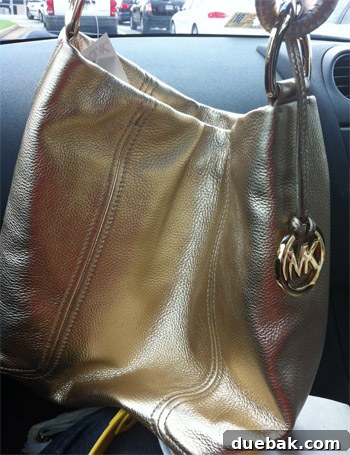
While I’m incredibly budget-conscious, there are certain items where I prioritize quality and longevity. These are the pieces I’ll wear constantly, and investing a bit more upfront pays off in the long run. Take handbags, for instance. Instead of buying numerous cheap bags that quickly wear out, I prefer to purchase one high-quality purse and use it for two to three years, sometimes even longer. My definition of “splurge” isn’t $500; it’s typically in the $120-$180 range. This might sound high to some, but consider the “cost per wear.” If, over three years, you buy and replace four $30 purses from a fast-fashion retailer, you’ve spent $120. That’s the exact same cost as investing in one durable, stylish Michael Kors or Cole Haan bag found at a discount store like TJ Maxx and using it reliably for three solid years. I’ve followed this strategy for over a decade, and my bags have always held up beautifully without me growing tired of them. The key is to patiently search for “the bag” – one you’re truly obsessed with and know you’ll love for years. This aligns with my “don’t water things down” theory (Tip #5); I prefer one exceptional item I’m enamored with and will use extensively. The hunt for the perfect bag can take up to a year, as it’s a significant commitment I take seriously, refusing to settle until I find “the one.” And yes, I celebrate my purse victories with a celebratory cell phone pic sent to my BFFs – a dork for life, indeed!
Another category where I prioritize quality is coats. A few years ago, I purchased this classic trench coat for $80 at the Banana Republic Outlet (originally marked down from over $150). It has been an absolute workhorse, worn extensively in spring and fall for at least two years now, and it’s still in impeccable condition – no ripped linings, loose buttons, or signs of wear. I previously made the mistake of buying cheaper jackets from stores like Target and Old Navy, only to find they didn’t last, ultimately costing me more in replacements over time. For items like bags and outerwear, I now consistently opt for quality, but I always seek them out at outlets or discount retailers like TJ Maxx to keep the initial cost as low as possible without sacrificing durability.

Tip #9: Spice Things Up with Strategic Accessories
During my formative years spent in New York City – through college and my first professional jobs – I developed a strong affinity for the “New York look”: an aesthetic characterized by lots of black, oversized handbags, long lean jeans, blazers, and chic black sunglasses. However, I’ve always loved to inject personality into this minimalist foundation through two key areas: jewelry and shoes. One of my very first pairs of “fancy” pointy-toed shoes were vibrant pink Nine West heels, which I adored. I’d pair them with a black blazer and jeans for a deliberate dash of color, avoiding a matchy-matchy feel that might come from pairing them with a pink sweater of the exact same shade. I also famously scored a pair of lime green Roberto Cavalli sandals for a steal at Century 21, an incredible outlet-style department store in downtown Manhattan renowned for heavily discounted designer clothing and shoes. To this day, one of my favorite simple yet striking combinations is a navy or black top with jeans and bright red peep-toe heels – it’s effortlessly chic and adds an unexpected pop.

I’m also a huge fan of bold, colorful earrings. It’s not uncommon to see me in a simple black shirt and jeans, instantly elevated by a pair of large coral or emerald-colored earrings. My husband, John, gifted me these stunning earrings for Christmas, and I absolutely adore them.

Here’s more evidence of my love for dangly earrings, captured during my early dating days in NYC.

And Exhibit C, with even more earring action! Accessories are a quick and effective way to add a touch of “I’m trying a little” flair to my often-questionable “mom uniform.” Haha, it’s all about finding that sweet spot!

While this specific equation – big, bold earrings + a basic black shirt + skinny jeans + comfortable yet stylish shoes (occasionally bright or patterned) – might not be perfect for everyone, it consistently hits the sweet spot for me, allowing me to express my style with minimal effort and maximum impact.
Tip #10: Embrace Balance – Not Every Item Needs to Be a Star
This tip is a close relative to the previous one and mirrors a fundamental principle in interior design: not every piece of furniture or accessory in a room should compete for attention. Some elements need to recede, allowing others to shine as focal points. The same applies to your personal style. You generally don’t want every item on your body vying for the spotlight simultaneously. This is precisely why I love slipping on my favorite pair of skinny jeans and a plain black top; it creates a simple canvas that allows my bold, crazy earrings or vibrant shoes to truly become the stars of the outfit. Another way to interpret this principle is to consider how a printed dress can be beautifully accentuated by a pair of understated nude shoes, letting the dress’s pattern truly stand out. We’ve all heard the classic fashion rule: “you shouldn’t wear a big statement necklace with big statement earrings,” and for good reason – it often creates visual clutter. This tip saves me money by guiding my purchasing decisions. If I have a specific event in mind and already know which dress I’ll be wearing, I can determine if the dress itself will be the star. If it is, I’ll then seek out shoes and jewelry that complement it without competing, ensuring a harmonious and polished final look, rather than buying items haphazardly and disliking the outcome when I try them on together at home.
Tip #11: Define Your Own Style – Authenticity Always Wins
While I’ve shared many strategies that work for me, the most crucial piece of advice is to customize them for yourself. It’s incredibly clichéd, but genuinely embracing who you are and wearing what makes you feel comfortable and confident is paramount. Goodness knows, I’ve read countless fashion tips that might be perfect for someone else’s body type or lifestyle but would be laughably terrible advice for me. Don’t feel obligated to follow any of my suggestions word for word. Your personal style journey is unique. Ultimately, the best fashion advice is to trust your instincts, prioritize your comfort, and wear what truly brings you joy and makes you feel like the best version of yourself. Authenticity, confidence, and personal comfort are the ultimate measures of good style.
And since I know someone will ask, here’s a rare glimpse of me with my hair down. I do wear it like this occasionally, but more often, I’m a ponytail girl. It’s a practical choice that helps keep paint, peanut butter, and jelly out of my hair – the realities of my everyday life! Haha.

Now, it’s your turn to contribute! Shower me with your best tips and tricks for stocking a stylish closet on a budget. Where do you find your biggest savings, and on which items do you feel it’s worth investing a little more? I’m certain everyone’s approach is different, and I’d love to hear what strategies work wonders for you!