
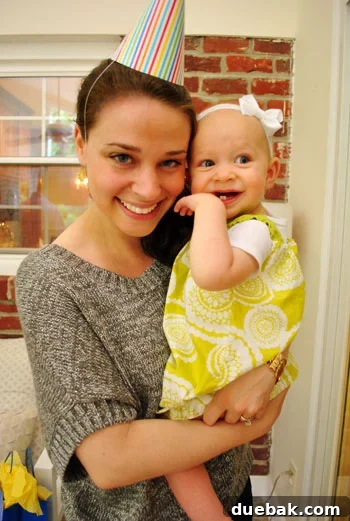
My 14-Month Breastfeeding Journey: A Mother’s Honest Reflection
Embarking on the journey of motherhood is an experience filled with countless surprises, unexpected challenges, and profound joys. Among these, breastfeeding often stands out as one of the most intimate and transformative aspects. For me, this journey spanned an incredible 14 months and three days, a testament to dedication, resilience, and an unbreakable bond. While I never anticipated chronicling such a personal topic on this blog, the frequent inquiries I receive about it, coupled with my tradition of documenting significant life events (like cloth diapering adventures and travel escapades), compelled me to share this unique chapter. This post is a candid exploration of the spectrum of emotions and practicalities encountered over approximately 425 consecutive days of nurturing my daughter, Clara, through breastfeeding. So, whether you’re a new parent, considering your options, or simply curious, join me as I delve into this deeply personal narrative.
The Early Days: Gratitude Amidst Unexpected Challenges
My first overwhelming emotion was profound gratitude. The ability to breastfeed successfully felt like an immense privilege, and I was acutely aware that for many mothers, despite their best efforts and deepest desires, this path is not always possible. Stories of excruciating pain, cracked and bleeding nipples, and relentless struggle had filled my ears during pregnancy. Yet, miraculously, my own experience was largely pain-free. Whether due to a fortunate genetic predisposition, an ideal latch from Clara, or simply a stroke of luck, I bypassed much of the physical discomfort often associated with initial breastfeeding. This ease was a stark contrast to a rather frightening birth experience, serving as a poignant reminder that motherhood often presents a unique set of challenges and blessings, rarely predictable.
Speaking of birth, an initial surge of anxiety gripped me regarding Clara’s ability to “take” to breastfeeding. Due to complications during delivery, I was unable to nurse her until a full eight hours after she entered the world. The conventional wisdom, reinforced by countless sources, suggested immediate skin-to-skin contact and nursing as soon as possible. My harrowing birth experience amplified these fears, painting a picture of potential failure. The idyllic scene I’d imagined – baby nestled on my chest, nursing immediately – had been replaced by a more clinical reality. However, the sweet and reassuring hospital nurses gently encouraged us to try, and what followed felt nothing short of miraculous. Clara instinctively latched on, seemingly understanding her role from the very first moment. The relief that washed over me was immeasurable, a palpable shift from worry to profound peace.
Navigating Exhaustion and Overwhelm: The Newborn Phase
Following the initial relief and pleasant surprise, my emotional landscape quickly transitioned into the familiar territory of “exhausted and overwhelmed.” While Clara was a dream sleeper at night, blissfully sleeping for 12 hours with only one or two feedings (once cleared by our doctor to allow uninterrupted sleep due to steady weight gain), her daytime feeding schedule was relentless. She fed every two hours, like clockwork, on demand. Her insistence was undeniable – a piercing scream was her clear signal that nursing was the only acceptable solution. This meant my days were punctuated by constant interruptions; major tasks often went unfinished, and a sense of being tethered was ever-present.
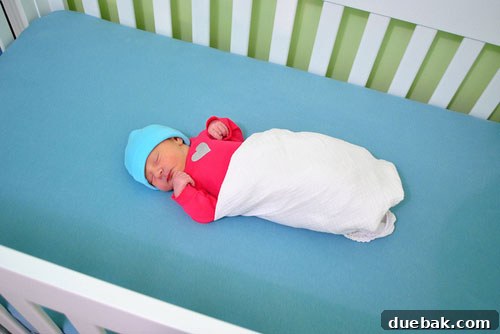
Despite the exhaustion, there was a profound sweetness in these frequent pauses. They became self-imposed breaks from chores, blogging, and other responsibilities, allowing for precious bonding moments. I often joked that Clara granted me rest at night but made me “work for it” during the day. This duality perfectly encapsulated those bleary, newborn months.
The intensity of this phase became particularly apparent during a week-long family vacation when Clara was just six weeks old. I distinctly remember the feeling of sitting alone upstairs in a bedroom, nursing Clara, while the sounds of laughter and conversation drifted up from downstairs. The mental tally began: “I’ll have to excuse myself and do this eight times a day, totaling 56 feedings over the next seven days, sequestered from the group.” This thought was genuinely overwhelming. It was during these moments that I yearned for greater societal acceptance of public breastfeeding, or at least discreet nursing among extended family. Clara, however, strongly disapproved of nursing covers, preferring an unobstructed view. So, upstairs I remained, occasionally joined by my husband, John, who sweetly recognized my desire to be part of the group and offered company. In those early weeks, feedings were lengthy, often 15-20 minutes per side, amounting to 30-40 minutes of quiet solitude. Yet, despite the demands, we still managed to create cherished vacation memories, ensuring Clara stayed safely in the shade.

A crucial aspect of our journey was the fact that pumping simply did not work for me, and Clara never accepted bottles or pacifiers. This meant that every single feeding for 14 months came directly from the source. While this certainly limited my ability to be away from Clara for more than an hour or two, I was fortunate to have a job that allowed me to be home with her. The concept itself – being physically tethered to another human for over a year – is quite remarkable, but with a face as sweet as Clara’s, it was a sacrifice I willingly embraced.

Finding Our Rhythm: Contentment and Efficiency
Around three months postpartum, a significant shift occurred. We finally hit our stride, and my prevailing feelings became “content and accepting.” The initial awkwardness and the sheer novelty of it all faded, replaced by a comfortable routine. I was genuinely happy to continue breastfeeding, seeing how well it suited Clara, and how much she seemed to enjoy it. I had learned to nurse effectively and discreetly in almost any situation – whether in a parked car, a bustling dressing room, or even backstage at a television show! I distinctly recall nursing Clara in the green room before and after our appearance on The Nate Berkus Show. Thankfully, the taping was brief, otherwise, her cries for a feeding might have interrupted the live broadcast!

I had adapted, and what once felt like an all-consuming job now felt like a natural part of our daily life. By 6-8 months, Clara had also become incredibly efficient, reducing feeding times to a mere 15 minutes, sometimes even as short as ten. Interestingly, the introduction of solid foods at six months, which Clara adored from day one, had no impact on her nursing frequency or desire. She continued to demand breast milk just as often and in the same quantities. Secretly, I was relieved; I had worried that solids might lead to a sudden drop in feedings and potentially affect my milk supply, but that was happily not the case.
The Trade-off: Frequent Daytime Feeds for Blissful Nights
Up until Clara turned ten months old, she continued to insist on feeding every two hours during the day. This meant for over 300 days, I nursed her every two hours, with the exception of nighttime. While I was comfortable with this schedule, and our doctor confirmed it was perfectly healthy, I often heard from friends whose babies at that age were stretching feedings to every 4-5 hours. Our doctor offered a logical explanation: Clara was an unusually solid night sleeper. She transitioned from waking once or twice in her 12-hour night span to sleeping completely through the night by about 2.5 months. We truly felt blessed by this uninterrupted sleep! However, this remarkable nighttime stretch came with a trade-off: shorter daytime naps and frequent “tanking up” feedings during her waking hours. For the gift of consistent, restorative sleep for both of us, it was a trade-off I gladly accepted.
Blissfully, after her tenth month, Clara began to stretch her feedings to every three hours. This additional hour felt like an incredible liberation, a true sense of freedom. It’s funny how a small change can feel so monumental. At this stage, I truly entered the “I love breastfeeding” phenomenon. The initial gratitude for simply being able to do it evolved into a deep appreciation for its multifaceted benefits. Clara was a thriving, happy baby, and it was undeniably saving us money. Moreover, it offered me precious moments to step away from the computer, paintbrush, or hammer, to simply connect with my little one. It also played a role in helping me regain my pre-baby shape, though I’ve long accepted that my post-baby body is a different, yet equally cherished, version of myself – Clara is more than worth it. It’s important to emphasize that while I am a breastfeeding enthusiast for my own journey with Clara, I hold no judgment for other parents’ choices. Whatever works best for you and your family is, and always will be, my parenting mantra.

The Weaning Chapter: A Gradual and Stubborn Transition
Our next significant milestone, or “speed bump” as it felt at the time, arrived when Clara turned one and we attempted to introduce organic whole milk. The problem? Clara wouldn’t drink it. Given her refusal of bottles, our doctor suggested trying a sippy cup. While it worked for water, milk was an absolute no-go. We tried every trick in the book: countless sippy cup varieties, slightly warming the milk, watering it down, even mixing it with breast milk. At this point, I confess, a humorous but genuine fear crept in – would she be 21 years old and still exclusively breastfeeding?
Following our pediatrician’s advice, we introduced almond milk. To our surprise and relief, she accepted it! We speculated that its thinner consistency felt closer to breast milk, making it more palatable. Slowly, painstakingly, we began to mix almond milk with whole organic milk, gradually increasing the proportion of whole milk. By around 13 months, she had fully transitioned to 100% whole organic milk. This process took nearly a full month, a testament to her charming stubbornness, clearly inherited from her mother! Haha. Shockingly, this transition marked a dramatic drop in her breastfeeding frequency. From around five times a day, she suddenly reduced to just two feedings – one before bed and one in the morning. This sudden shift elicited a complex mix of emotions: excitement and a sense of newfound freedom, yet an odd sadness simultaneously. “My baby is growing up, and she needs me less” was the best way I could articulate the bittersweet feeling of her increasing independence.
A Bittersweet Farewell: Embracing Independence
By 13 months and three weeks, Clara expressed interest in only her morning feeding. Throughout our journey, Clara had always been the one dictating the terms of our “on-demand” breastfeeding relationship, so I saw no reason to argue with her preferences. This single morning feeding opened up an entirely new world of evening possibilities for John and me, thanks to his parents offering to babysit. After over a year of foregoing activities like movies and dinner dates, we could finally enjoy a night out – an incredible luxury! Of course, my thoughts never strayed far from her; I imagine I uttered, “I wonder what Clara’s doing right now?” every ten minutes during our first movie together in over a year.
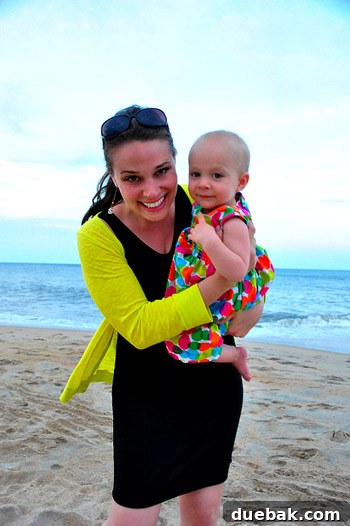
Just two weeks later, Clara wasn’t even interested in her morning feeding. This final step in our journey was particularly poignant. That morning feeding, where we would lie side by side, cuddling and relaxing as the day began, had become a cherished ritual. I know it might sound sentimental, but it was a wonderfully sweet way to start each day. For any new mothers, I highly recommend learning to nurse while lying on your side – a technique I picked up at the hospital due to my C-section – it’s absolute bliss. And just like that, it was over.
My current feelings are a blend of sadness for what I will miss, immense pride for having breastfed for over 14 months, and enduring gratitude for having been able to nurse for so long and at all, knowing it’s far from a given. This incredible, at times exhausting, often amazing, and consistently surprising journey has been a profound experience, and I am so grateful to have lived it. Love you, baby girl. Even if you’re over my boobs now.