
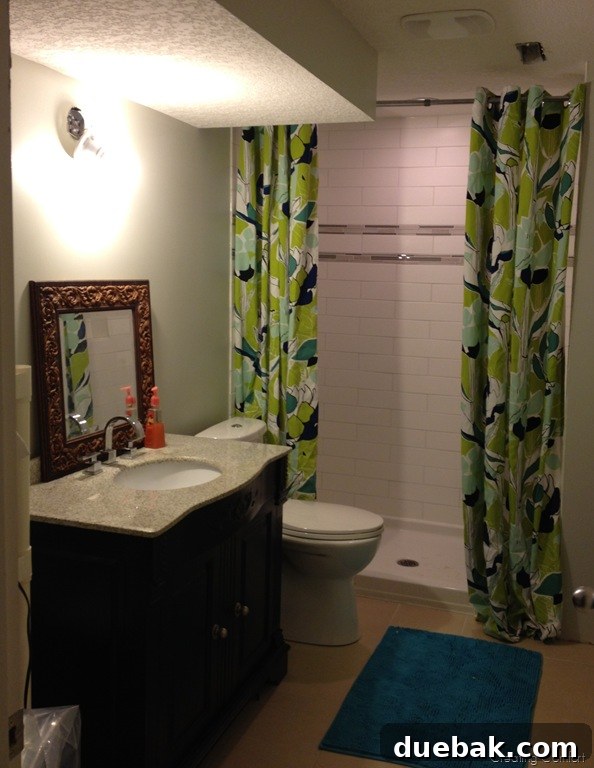
Transforming the Basement Bathroom: Our Renovation Journey Mid-Progress
Every home renovation project tells a unique story, and our basement bathroom remodel is certainly no exception. While many blogs showcase dramatic “before and after” transformations, we’re inviting you to join us in the thick of it – the challenging, rewarding, and often messy “during” phase. This isn’t just a project; it’s a testament to patience, planning, and the pursuit of a more functional and beautiful home.
The basement bathroom has seen its share of demolition and reconstruction, evolving from a dated space to one that’s slowly but surely reflecting our vision. We’ve tackled some of the most fundamental and labor-intensive aspects, laying a solid foundation for the finishing touches. Let’s delve into the significant milestones we’ve achieved so far and glance at the exciting tasks that still lie ahead.
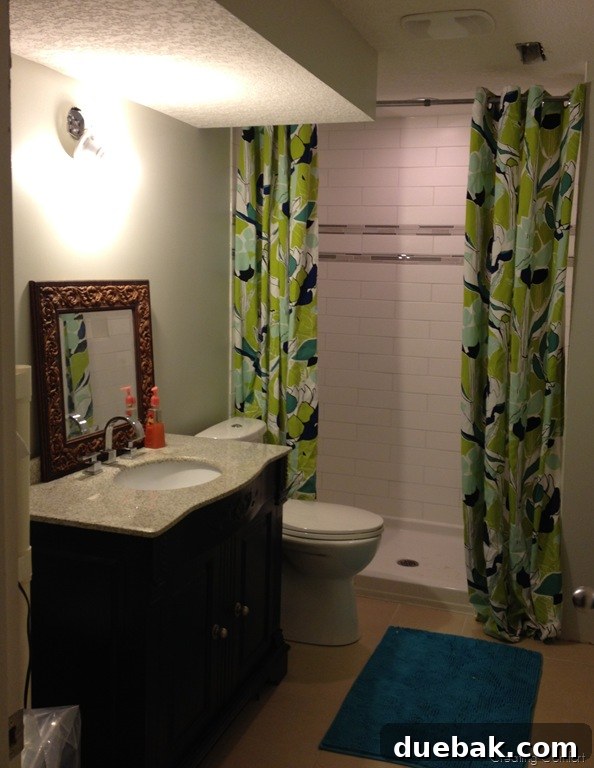
Key Milestones Achieved in Our Basement Bathroom Remodel
Renovating a basement bathroom presents a unique set of challenges, from dealing with existing plumbing and electrical configurations to ensuring proper ventilation and moisture control. We’re proud of the progress made, having methodically moved through critical stages that are often hidden behind the finished walls. Here’s what we’ve accomplished:
Electrical Updates: Enhancing Safety and Functionality
One of the first and most crucial steps in any bathroom renovation, especially in a basement, is updating the electrical system. Our priority was to ensure everything met current safety codes and supported our future lighting and fan requirements. This involved meticulous planning for new wiring runs, installing appropriate GFCI (Ground-Fault Circuit Interrupter) outlets for safety in damp environments, and positioning junction boxes for our chosen light fixtures and exhaust fan. Proper electrical work not only ensures safety but also provides the necessary power infrastructure for modern conveniences, eliminating the need for extension cords or dim lighting.
Plumbing Reroutes: A Foundation for Modern Fixtures
Updating the plumbing in a basement can be a complex undertaking, often involving concrete work to access existing lines or route new ones. We addressed the water supply and drainage for the new vanity, toilet, and shower. This phase involved precision work to ensure proper water pressure, efficient drainage, and leak-free connections. Planning ahead for the placement of each fixture allowed us to rough-in the plumbing correctly, setting the stage for a seamless installation of our chosen vanity, toilet, and shower unit.
Drywall Installation: Crafting Smooth Walls
Once the ‘guts’ of the bathroom (electrical and plumbing) were in place, it was time to close up the walls. We installed new drywall, specifically choosing mold and moisture-resistant panels suitable for a bathroom environment. The process of hanging drywall, taping seams, applying multiple coats of joint compound, and meticulously sanding each surface demands patience and skill. Achieving perfectly smooth walls and ceilings is vital, as any imperfections become glaringly obvious once painted. This step truly transformed the space, giving it clean lines and a fresh canvas.
Tiling: Adding Style and Durability
The selection and installation of tile significantly impact a bathroom’s aesthetic and durability. We carefully chose our tiles for both the floor and the shower surround, considering factors like slip resistance, maintenance, and overall design appeal. This phase involved meticulous surface preparation, precise layout planning to minimize cuts and waste, applying adhesive, setting each tile perfectly, and finally, grouting. The transformation that tiling brings is remarkable, adding texture, color, and a high-end finish that defines the bathroom’s character and offers excellent protection against moisture.
Painting: The Art of Color and Finish
With the structural and surface work complete, painting was the exciting next step, bringing color and vibrancy to the newly constructed walls and ceiling. We had the opportunity to try a gallon of high-quality paint from Rona, which allowed us to select our own colors and experiment with its application. This was a critical phase for breathing life into the space.
- Color Selection & Contrast: On a wall that had previously been painted a darker shade, our new lighter color choice demonstrated the excellent opacity of the Rona paint. Despite the significant shift in hue, just two coats effectively covered the existing color, essentially eliminating the need for a separate primer on this specific surface. This speaks volumes about the paint’s pigment concentration and coverage capabilities.
- Primer Application on Bare Drywall: For the walls that featured bare drywall, we opted for a basic primer coat first. This foundational layer is crucial for several reasons: it seals the porous drywall surface, promotes better adhesion for the topcoats, and ensures a uniform finish by preventing patchy absorption of the paint. Following the primer, we applied two regular coats of the Rona paint. While we might have achieved adequate coverage with just one topcoat due to the paint’s quality, we prioritized thoroughness for optimal durability and depth of color.
The experience confirmed that this is a truly great quality paint. Its smooth application, excellent coverage, and the vibrant finish it delivers have impressed us. In fact, we are so pleased with its performance that we plan on purchasing this very same paint for the bedroom situated on the other side of this wall, when that renovation project eventually commences. It’s reassuring to find a product that not only looks good but also performs reliably, promising longevity and ease of maintenance in a high-traffic area like a bathroom.
Ceiling Texture: Adding the Finishing Overhead Touch
Finally, we addressed the ceiling, ensuring it complemented the refreshed walls. Whether opting for a smooth, modern finish or a subtle texture to hide minor imperfections and add character, this detail completes the overhead aesthetic of the room. This step rounded out the major surface preparations, preparing the entire space for its final fixtures and décor.
Still to Do: The Exciting Final Touches
While the heavy lifting is largely behind us, the remaining tasks are arguably the most enjoyable, as they involve selecting the elements that truly define the bathroom’s style and functionality. These are the details that transform a functional space into a personal sanctuary.
- Find a Light Fixture: The right lighting is paramount in a bathroom. Beyond just illumination, it sets the mood and enhances functionality. We’re on the hunt for a fixture that provides ample brightness for tasks like grooming while also offering a stylish design that complements the overall aesthetic we’re aiming for. Considerations include LED efficiency, color temperature, and suitability for damp environments.
- Mirror Selection: A mirror is more than just a reflective surface; it’s a key design element that can make a small bathroom feel larger and brighter. We need to choose a mirror that is proportionate to the vanity, complements the light fixture, and ideally, incorporates storage or a unique frame to add character.
- Hang Towel Bars: Functionality meets form with towel bars. Proper placement is essential for convenience and to avoid clutter. We’ll be choosing durable, stylish towel bars that integrate seamlessly with the bathroom’s hardware finishes, ensuring towels are always within reach and can dry properly.
- Find a Storage Cabinet: In a basement bathroom, maximizing storage is critical. To the left of the vanity, we envision a stylish yet practical storage cabinet. This piece will not only provide much-needed space for toiletries, linens, and cleaning supplies but also add a decorative element, helping to keep the space organized and uncluttered. We’re looking for something that fits the dimensions perfectly and enhances the room’s design.
- Baseboards: The final carpentry detail, baseboards tie the room together, creating a clean finish where the walls meet the floor. They protect the lower portion of the walls from scuffs and moisture while adding a refined touch. Installation and painting of these will be one of the very last steps, giving the room a polished and complete look.
Embracing the Journey: Tips for Your Own Renovation
Undertaking a renovation, especially a significant one like a basement bathroom, is a marathon, not a sprint. We’ve learned the importance of meticulous planning, budgeting for unexpected issues, and most importantly, patience. There will be days of frustration and days of immense satisfaction as you see your vision come to life.
Our journey is a testament to the rewards of DIY. Seeing the transformation unfold, piece by piece, from raw materials to a functional and beautiful space, is incredibly gratifying. It’s about creating a home that truly reflects your style and meets your needs, one project at a time.
What home renovation projects are currently on your to-do list? Are you in the “during” phase like us, or are you just dreaming up your next big endeavor? We’d love to hear about your plans and challenges!
Would you like a head start on your projects? Share your thoughts below!
-Brooke