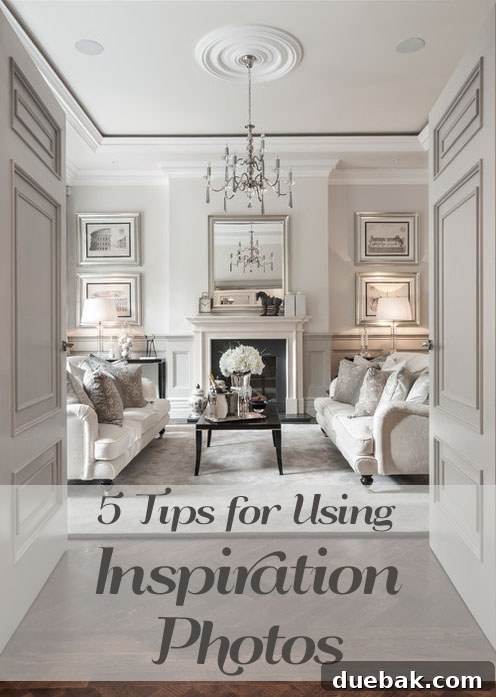
You’ve meticulously curated your Pinterest boards, filled your Houzz ideabooks, and saved countless Instagram posts – each brimming with stunning interior designs that ignite a spark of inspiration within you. These images promise the dream of a beautiful, harmonious home, a sanctuary tailored to your unique taste. But then comes the crucial question: how do you translate these captivating visions into a tangible reality within your own living space, especially when faced with a modest budget? Or perhaps you’ve fallen in love with one particular image, tried your best to replicate it, yet your room still lacks that certain something, that professional touch or cohesive feel you admired in the original. What are the missing pieces of the puzzle?
The journey from inspiration to actualization can often feel daunting. It’s not simply about copying a look; it’s about understanding the underlying design principles, adapting them to your home’s unique architecture and your personal lifestyle, and doing so within practical financial limits. Many homeowners find themselves overwhelmed by the sheer volume of choices, the perceived cost of designer-level finishes, and the challenge of blending aesthetics with everyday functionality. This article aims to demystify that process, offering practical, actionable advice to help you bridge the gap between your digital dream board and your physical living space.
Transforming your home doesn’t require an unlimited budget or a professional design degree. It requires a keen eye, strategic planning, and an understanding of how to effectively deconstruct and apply the elements you admire in your inspiration photos. By learning to look beyond the obvious, identify key design components, and prioritize thoughtful execution, you can create a space that not only looks beautiful but also feels authentically yours – a true reflection of your style and a haven for everyday living.
HERE ARE 5 EFFECTIVE STRATEGIES TO LEVERAGE YOUR INSPIRATION PHOTOS AND CREATE A HOME YOU TRULY ADORE!
1. UNCOVER REPEATING THEMES AND STYLES FOR YOUR HOME DECOR
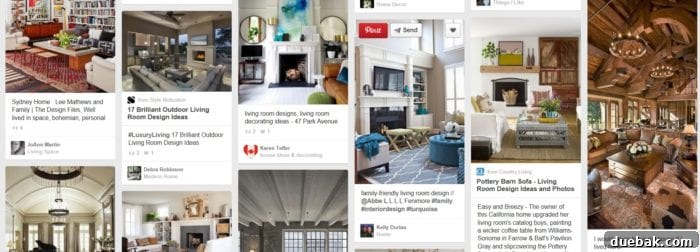
It’s perfectly natural to be drawn to a multitude of interior design styles. One moment, a sleek, minimalist modern room captures your attention with its clean lines and sophisticated simplicity. The next, a warm, traditional space beckons with its inviting textures and timeless charm. Your collection of inspiration photos likely reflects this diverse appreciation, creating a seemingly disparate collage of aesthetics. The key to successful home decor is to sift through this visual smorgasbord and identify the underlying currents that truly resonate with you, ultimately helping you define your unique interior design style.
A powerful technique is to view all your inspiration photos at once, perhaps in a Pinterest board grid or a Houzz ideabook. Step back and observe the collective impression. Are there specific styles that appear more frequently than others? You might realize that while you’ve pinned one or two strikingly contemporary spaces, the vast majority of your favorites lean towards a more transitional aesthetic – a harmonious blend of classic and modern elements. This collective view often reveals a subconscious preference that individual pins might obscure, making it easier to pinpoint your core aesthetic.
But don’t stop at overarching styles. Dive deeper into the details. Look for recurring patterns in furniture silhouettes, lighting fixtures, hardware finishes, fabric textures, and even the types of plants used. Do you consistently favor upholstered pieces with clean lines or more ornate carvings? Are brass accents a frequent sight, or do you gravitate towards matte black or brushed nickel? Pay attention to the subtle cues. For example, I once had a client who was adamant about installing rich, dark cherry cabinets in her new kitchen, believing it was her preferred style based on her current home. However, when we reviewed her extensive Pinterest boards, not a single dark cabinet appeared. Every single kitchen she had saved featured crisp white or creamy ivory finishes. This revelation surprised her, leading to a quick and ultimately more satisfying adjustment to her design plan. This exercise helps you unearth your authentic design voice, guiding your choices toward a cohesive and truly loved outcome for your home decor.
This deep dive into recurring themes is not about limiting your taste, but rather about refining it. It helps you articulate what elements truly contribute to a space you envision yourself living in comfortably and happily. Once you identify these core themes, whether they are specific colors, materials, textures, or even the feeling a room evokes, you gain clarity. This clarity is invaluable when making interior design decisions, ensuring that each choice contributes to a unified vision rather than a collection of disparate ideas. It’s the foundation upon which your personalized design aesthetic will be built, leading to a home that feels intentionally curated and deeply personal.
2. BEYOND THE COLOR SCHEME: UNPACKING DESIGN LAYERS IN INTERIOR DESIGN
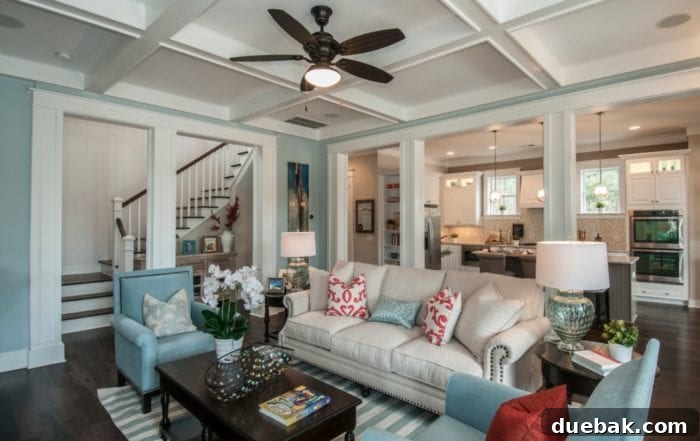
Our eyes are naturally drawn to color first. It’s the most immediate and often the most impactful design element, capable of transforming the mood and perception of a space instantly. While your inspiration photos are an invaluable resource for identifying your preferred color palettes for home decor, stopping there means missing a wealth of critical design information. To truly replicate the essence of a room you admire, you must train your eye to look beyond the vibrant hues and delve into the more subtle, foundational layers of its design.
Take a closer, analytical look at the furniture. Observe its line – is it rectilinear and geometric, or does it feature soft curves and organic shapes? Consider its scale and proportion within the room. Is it oversized and plush, creating a sense of grandeur, or slender and minimalist, promoting an airy feel? How is the furniture arranged? Is it symmetrical and formal, or more asymmetrical and inviting, encouraging conversation? The arrangement dictates flow and functionality, significantly impacting how a room feels and is used.
Next, examine the window treatments. Are they sheer and simple, maximizing natural light, or heavy and layered, offering privacy and insulation? Do they extend from ceiling to floor, creating an illusion of height, or are they shorter, offering a more casual appeal? The choice of fabric, pattern, and hanging style all contribute to the room’s overall aesthetic and light control. Similarly, pay attention to the floor finishes. Is it wide-plank hardwood, sleek tiles, plush carpeting, or an artful combination with layered rugs? The flooring forms the base of your interior design, influencing both comfort and visual appeal.
Finally, lighting often goes unnoticed but plays a pivotal role. Look beyond just the decorative fixtures. What types of lighting are present: ambient (general illumination), task (for specific activities like reading), or accent (to highlight artwork)? Are there multiple sources of light, creating layers of illumination, or just a single overhead fixture? The style, placement, and warmth of light bulbs all contribute to the room’s atmosphere. By dissecting these often-overlooked elements – furniture lines, scale, arrangement, window treatments, flooring, and layered lighting – you begin to understand the true anatomy of a beautifully designed space. This deeper analysis empowers you to recreate not just the look, but the feel and functionality of your beloved inspiration photos in your own home.
Understanding these layers allows you to appreciate that a room’s character isn’t just about its paint color, but about the harmonious interplay of all its components. A beautiful room is a symphony, not a solo performance. When you analyze how each element contributes to the overall composition, you gain the tools to make informed decisions for your own space, ensuring that every detail, from the curve of a sofa leg to the height of a curtain rod, works in unison to achieve your desired aesthetic and functional goals in your home decor project.
3. MERGE FORM AND FUNCTION: DESIGNING FOR REAL LIFE AND DAILY LIVING
This is where the rubber meets the road – the significant distinction between idealized inspiration photos and the realities of your everyday living space. While a magazine spread might showcase a pristine, clutter-free environment, your home is a dynamic hub of activity, filled with children’s toys, pet accessories, work-from-home essentials, and all the accouterments of modern life. I wholeheartedly believe that lived-in spaces possess a unique warmth and comfort that sterile environments often lack. The challenge lies in integrating the necessities of daily life seamlessly and stylishly, so those Tonka trucks and pink plastic castles don’t become the unintended focal points of your meticulously planned room.
Effective storage solutions are paramount for practical interior design. Investing in decorative bins, baskets, and storage ottomans can work wonders. These aren’t just practical containers; they are design elements themselves. Choose materials and styles that complement your aesthetic – woven textures for a natural look, sleek metal for modern flair, or fabric bins in coordinating colors. They allow you to quickly tidy away everyday items, maintaining a sense of order and cohesion without sacrificing functionality. Think about multi-purpose furniture: an ottoman that doubles as storage, a coffee table with hidden compartments, or a console table that conceals charging stations.
Another common aesthetic disruptor in modern homes is the television and its accompanying jungle of wires and media devices. Most inspiration photos either cleverly omit the TV or integrate it so flawlessly you barely notice it. One highly effective solution is to wall-mount your television. Running the cords through the wall not only eliminates unsightly tangles but also creates a much cleaner, more streamlined look. A quick online search will reveal numerous simple and inexpensive DIY tutorials for this project, often requiring minimal tools. If wall-mounting isn’t an option, careful planning of the TV’s location and housing becomes crucial. Consider custom built-ins, stylish media consoles with integrated cable management, or even an armoire that can conceal the screen when not in use. The goal is to corral all those wires and devices, ensuring they don’t detract from the room’s overall design.
Designing for real life also means considering traffic flow, comfort, and durability. Choose fabrics that are resilient and easy to clean if you have pets or children. Arrange furniture in a way that allows for natural movement and comfortable interaction. Integrate elements that support your daily routines, whether it’s a dedicated reading nook, a functional entryway drop zone, or a comfortable workspace. By thoughtfully merging form and function, you create a space that not only looks like your inspiration photos but also genuinely enhances your quality of life, becoming a practical, beautiful, and deeply personal sanctuary tailored to your specific needs.
4. THE ART OF STRATEGIC ACCESSORIES FOR ENHANCED HOME DECOR
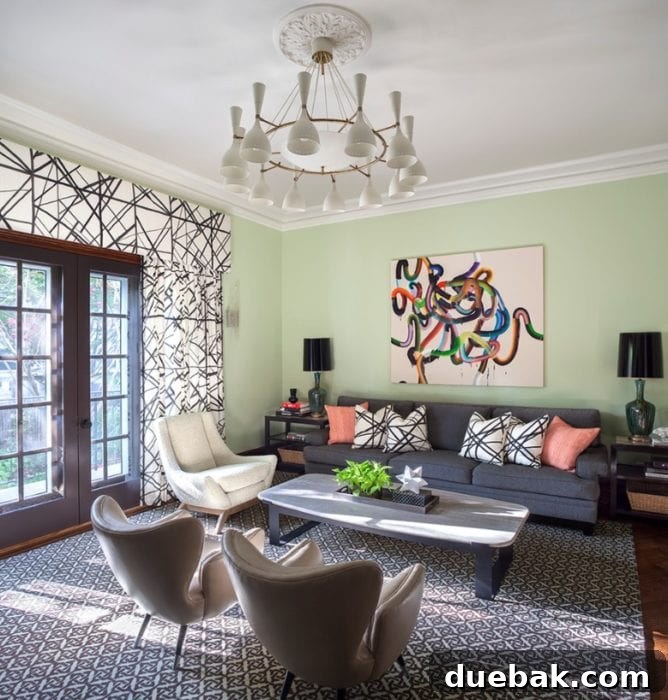
When it comes to accessories, the adage “less is more” holds profound truth, especially in thoughtful home decor. Inspiration photos are masters of this principle, showcasing spaces where every piece of artwork, every plant, and every decorative object appears meticulously chosen and purposefully placed. They aren’t just random additions; they are carefully curated elements designed to reinforce a color scheme, introduce textural variety, highlight a special object, or inject personality. Accessories are the finishing touches, the jewelry of a room, that can elevate a space from merely furnished to truly designed.
Begin by editing your existing collection. Gather all your “chachkies” – those small, often sentimental, but sometimes overwhelming trinkets – and critically assess them. Which ones genuinely bring you joy? Which ones tell a story? Which ones align with the themes and colors you identified in your inspiration photos? Be ruthless in your selection, aiming to keep only the pieces you truly love and that contribute positively to your desired aesthetic. This isn’t about discarding memories but about presenting them in a more impactful way.
Once you’ve curated your collection, consider their placement. Think in terms of vignettes – small, artfully arranged groupings of objects. On a bookshelf, combine books with a few well-chosen decorative items, varying their heights and textures. On a coffee table, a stack of interesting books, a small plant, and a unique sculptural piece can create an inviting focal point. Artwork should be hung at eye level and can be grouped to create a gallery wall or stand alone as a statement piece. Plants add life, color, and texture, instantly making a space feel fresher and more inviting. Don’t underestimate the power of textiles – throws draped over a sofa, decorative pillows on chairs, or a textural rug can add warmth, color, and visual interest.
The goal is to create visual balance and interest without clutter. Use accessories to introduce varying heights, shapes, and textures. Employ the “rule of three” or other odd numbers when grouping items, as it often feels more natural and aesthetically pleasing. Consider scale – ensure accessories are proportionate to the furniture and the space they occupy. And most importantly, let your personality shine through. Choose pieces that genuinely speak to you, as these are the elements that will make your house feel like a home. By being strategic and intentional with your accessories, you transform a room into a layered, personal, and cohesive environment that mirrors the refined beauty found in your favorite inspiration photos, completing your home decor vision.
5. THE TRANSFORMATIVE POWER OF MILLWORK IN INTERIOR DESIGN
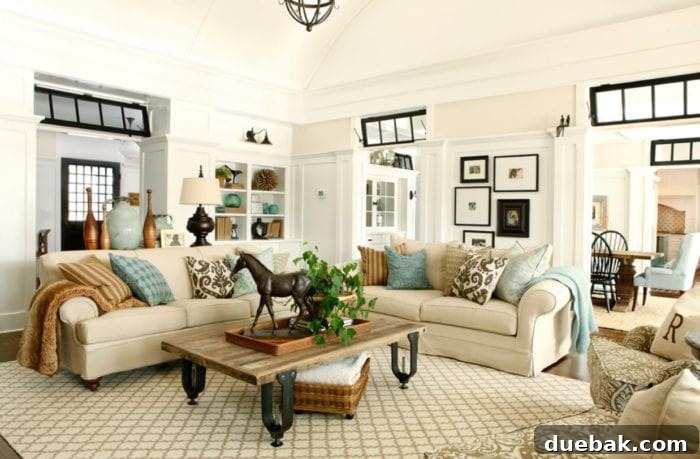
While often overlooked, particularly when focusing solely on color schemes, millwork is a design element that makes such a profound visual difference it demands specific attention in interior design. I’d venture to say that a significant majority of the high-end, aspirational interiors you find online feature extensive wood trims, moldings, and other architectural details. These elements are often what subtly elevate a space, distinguishing custom homes from “builder-grade” construction. They add character, depth, and a bespoke quality that is hard to achieve through furniture and accessories alone.
Millwork, encompassing decorative wood trim and moldings, acts as the architectural “jewelry” of a home. It defines spaces, adds visual weight, and provides a finished, polished look. If you are fortunate enough to live in an older home, chances are you already have some of this rich detailing. However, much new construction, in an effort to cut costs, often sadly lacks these intricate features, leaving walls feeling stark and unfinished. But do not despair; this is an area where even simple additions can dramatically enhance the character and perceived value of your space.
Easy and impactful additions include installing crown molding, which seamlessly bridges the wall and ceiling, adding elegance and a sense of completeness. A chair rail, typically installed about a third of the way up the wall, can add a classic touch and protect walls from scuffs, making a dining room or hallway feel more formal. Beefing up your existing baseboards – perhaps by adding a simple trim piece above them or replacing them with taller, more substantial profiles – can ground a room and make it feel more luxurious. These small changes collectively create a significant visual impact, making walls feel more substantial and less monotonous.
For those feeling more ambitious, consider creating a board and batten wainscoting, which involves attaching strips of wood (battens) over flat panels or directly onto the wall to create a geometric pattern. This classic look adds texture and architectural interest, particularly in entryways, dining rooms, or children’s rooms. Another striking, yet surprisingly achievable, project is a coffered ceiling, where a grid of wood planks creates recessed panels on the ceiling, adding immense depth and a sense of grandeur. While some millwork projects might benefit from professional installation, many simpler applications are well within the reach of a dedicated DIY enthusiast. By integrating thoughtfully chosen millwork, you’re not just adding wood; you’re adding layers of architectural interest and timeless sophistication, mirroring the refined aesthetics of your most cherished inspiration photos and enhancing your interior design efforts.
CONCLUSION: YOUR DREAM HOME AWAITS WITH INSPIRED INTERIOR DESIGN
Translating your carefully curated inspiration photos into a tangible, beautiful, and functional home can seem like a monumental task. However, by adopting these five strategic approaches, you can demystify the interior design process and empower yourself to create spaces you’ll not only love but that truly reflect your unique style and needs. From uncovering subtle repeating themes and looking beyond obvious color choices to merging practical function with beautiful form, mastering strategic accessory placement, and understanding the transformative power of millwork, each step brings you closer to your dream home.
Remember, your home is a canvas for your life. It should tell your story, accommodate your lifestyle, and evoke feelings of comfort, joy, and peace. Don’t be afraid to experiment, to prioritize quality over quantity, and to infuse your personality into every corner. With patience, careful planning, and these actionable tips, you can bridge the gap between aspirational images and lived-in reality, creating a space that is both visually stunning and deeply personal, all within a budget that works for you. Stay tuned for my next post, where I’ll take a designer room and demonstrate how to create a stunning, budget-friendly design inspired by it, proving that exceptional style doesn’t have to come with an exorbitant price tag, making your dream home a real possibility.
Photo Credit: | 1 | 2 | 3 | 4 | 5 |