
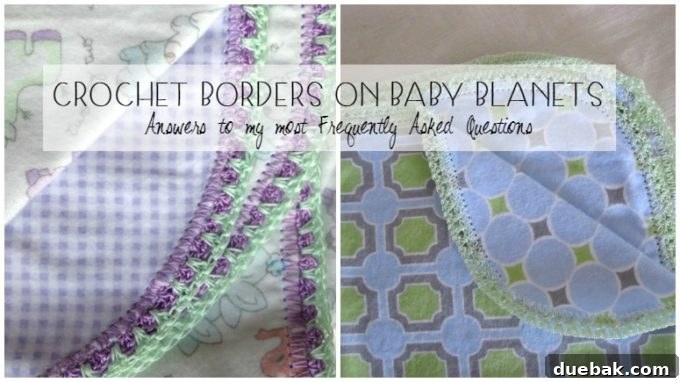
Crafting Beautiful Baby Blankets: Your Ultimate Guide to Crocheted Edges
Creating a truly special baby blanket often involves adding a touch of handmade charm, and few things elevate a blanket quite like a beautifully crocheted edge. For many crafters, myself included, the most frequent questions revolve around these delicate and durable finishes. I’ve previously shared insights into various techniques, like my popular double layer crochet edging and the distinctive hourglass pattern, often favored for boy blankets. These posts included patterns and tips, but one persistent challenge has emerged for many enthusiasts: finding blankets that are already prepared and punched, ready for the crochet work.
This comprehensive guide aims to address that very hurdle, offering detailed solutions for sourcing or preparing your blankets, along with essential supplies and expert tips to ensure your crocheted edges are nothing short of perfect. Whether you’re a seasoned crocheter or just starting your journey into the world of handmade baby gifts, preparing the blanket properly is the foundational step to a successful and cherished project.
The Enduring Appeal of Crocheted Baby Blanket Edges
Why do crocheted edges hold such a special place in the hearts of crafters and recipients alike? Beyond their undeniable aesthetic appeal, these edges add significant value and longevity to a baby blanket. A well-executed crochet border provides a sturdy finish, preventing fraying and adding a layer of durability that stands up to countless washes and years of love. From a visual perspective, the intricate stitches transform a simple receiving blanket into a bespoke heirloom, reflecting the care and dedication poured into its creation. They offer an unparalleled opportunity for personalization, allowing you to choose colors, patterns, and textures that perfectly match a nursery theme or a parent’s preference. This handmade touch infuses each blanket with warmth and sentiment, making it a truly unique and treasured gift that often becomes a cherished keepsake for years to come.
The journey of crafting these unique blankets begins long before the first crochet stitch is made. It starts with selecting the right blanket foundation and preparing its edges for the delicate work ahead. Let’s explore the most effective methods to get your blanket ready for its exquisite crochet border.
Option 1: The DIY Approach – Serging & Hand Punching Your Blanket Edges
For those who prefer a hands-on approach and enjoy the creative process from start to finish, preparing your blanket edges with a serger and then hand-punching the holes offers a cost-effective and customizable solution. This method gives you complete control over the fabric choice and the final aesthetic of your blanket, making each creation truly unique. It requires a bit more effort and precision, but the rewarding feeling of crafting a blanket entirely from scratch is truly unmatched.
Understanding the Serging Process
Serging involves using a special sewing machine called a serger (or overlocker) to create a neat, strong seam along the raw edges of your fabric. This process not only trims the fabric but also wraps it with multiple threads, creating a professional-looking, durable edge that prevents fraying. For baby blankets, a serged edge is ideal as it provides a clean foundation for your crochet work, ensuring the blanket remains intact through countless washes and uses. If you don’t own a serger, many local fabric stores or professional tailors offer serging services at a reasonable fee.
Precision in Hand Punching
Once your blanket edges are expertly serged, the next step is to create the holes for your crochet hook. This is where precision becomes paramount. Using a sharp crochet hook, you will carefully punch through the serged edge at regular intervals. The key to a beautiful, even border lies in consistent spacing. Here are some tips for achieving flawless results:
- Invest in a Quality Sharp Crochet Hook: Standard crochet hooks are typically blunt and not designed for piercing fabric. A Sharp Crochet Hook is specifically designed with a pointed tip to effortlessly glide through fabric without snagging or damaging the threads. These specialized hooks often come with useful patterns and instructions, making the process smoother for beginners. For around $11, it’s a worthwhile investment for anyone serious about creating professional-looking crocheted edges.
- Measure and Mark: Before you start punching, consider marking your blanket edge at consistent intervals (e.g., every 1/4 inch or 1/2 inch, depending on your desired stitch density and yarn weight). A fabric marker or tailor’s chalk can be very helpful here.
- Practice Makes Perfect: If you’re new to this method, try punching a few holes on a scrap piece of serged fabric first to get a feel for the hook and spacing.
- Work Slowly and Steadily: Rushing can lead to uneven holes or accidental damage to the fabric. Take your time, ensuring each punch is deliberate and accurate.
- Consistency is Key: Aim for the same distance between each hole. This ensures that your crochet stitches will lay flat and even around the entire perimeter of the blanket.
While this method demands more time and attention to detail, it allows for unparalleled customization in terms of fabric choice, thread color, and the specific density of your crocheted border. It’s a truly rewarding path for crafters who love to be involved in every stage of creation.
Option 2: The Convenient Route – Purchasing Pre-Stitched Blankets
For crafters seeking a more time-efficient solution or perhaps those who don’t have access to a serger, purchasing blankets that are already pre-stitched or hemmed for crochet is an excellent alternative. This option significantly cuts down on preparation time, allowing you to jump straight into the enjoyable part: crocheting your beautiful border. The availability of these ready-to-crochet blanks has evolved over time, and knowing where to look is half the battle.
Exploring Local Craft Stores for Pre-Stitched Options
Sometimes, the best resources are found within our own communities. For example, during my frequent visits to family in Idaho, I often rely on local gems like Porters Craft and Frame. This type of store is a fantastic resource, as they often sell blankets with pre-stitched edges, or even offer custom kits. The advantage of a local store is the personalized service – you might be able to pick out your own fabric and have them create a custom kit tailored to your preferences. This personal touch and ability to see and feel the fabric before purchasing can be invaluable. However, a key limitation is geographical accessibility; many of these wonderful local shops, like Porters, may not have robust online stores, making them inaccessible if you’re not in the vicinity. If you’re passing through a town known for its craft scene, plan ahead, as custom orders can take a few days to prepare.
The Convenience of Online Shopping: Finding Pre-Hemmed Blankets
In today’s digital age, online retailers have become a go-to source for specialty crafting supplies. When local options are scarce, or you simply prefer the convenience of shopping from home, several online shops specialize in blankets designed specifically for crocheted edges.
One notable online destination is Ammee and Co. They offer a fantastic selection of blankets that are already hem-stitched and ready for your crochet hook. Their inventory often features adorable fabrics from popular designers like Riley Blake, as well as other equally charming prints and patterns. This means you can find a variety of styles to suit any baby’s nursery or personality. The pricing is also quite fair; individual blankets typically cost around $25, and sets that include a matching burp cloth are usually priced around $30. This is comparable to what you might pay at a local craft store, making it a competitive and convenient option for crafters worldwide. When shopping online, always check product reviews and descriptions to ensure the quality of the fabric and stitching meets your expectations.
Beyond Ammee and Co, platforms like Etsy also host numerous independent sellers who craft and sell pre-hemmed baby blankets, often offering unique designs and personalized options. A quick search for “crochet ready baby blanket” or “hemstitched receiving blanket” can open up a world of possibilities.
Essential Supplies for Your Crocheted Edging Project
Once you have your blanket ready – whether serged and hand-punched or purchased pre-stitched – you’ll need a few other critical supplies to bring your vision to life. The right tools and materials can make all the difference in the comfort and quality of your finished project.
1. A Reliable Crochet Pattern: Your Guide to Gorgeous Edges
A well-written crochet pattern is the blueprint for your blanket’s border. It guides you through the stitches, repeats, and techniques needed to create a beautiful, even edge. For years, I’ve relied on the Cute N Cuddly patterns. They are known for being basic, clear, and incredibly well-written, making them perfect for both beginners and experienced crocheters looking for straightforward, elegant designs. These patterns typically focus on simple, yet charming, stitch combinations that are ideal for baby items, ensuring a soft finish that won’t irritate delicate skin.
I’m also eagerly anticipating the release of new pattern books from Ammee & Co. I’ve been informed that their individual pattern books are being combined into one comprehensive volume, set to be released in Joanne’s stores this summer. This is incredibly exciting, as it promises to offer a collection of fresh, modern designs that I can’t wait to explore. I’ll definitely be sharing my projects and reviews once I get my hands on them!
When choosing a pattern, consider the following:
- Skill Level: Select a pattern that matches your current crocheting abilities.
- Desired Look: Do you want a simple border, a lacy edge, or something more textured?
- Yarn Weight: Ensure the pattern is suitable for the thread or yarn you plan to use.
- Clarity: Look for patterns with clear instructions, stitch diagrams, and helpful photos.
2. The Right Crochet Hook: Precision in Every Stitch
The choice of crochet hook is crucial for achieving the correct gauge and a neat finish. For most blanket edging projects, especially those involving finer threads or baby yarns, a smaller hook size is typically recommended. A #4 or 1.75mm crochet hook (or a similar size, depending on your thread and desired tension) is often ideal. This size allows for tight, even stitches that create a durable and refined edge that complements the blanket without being too bulky. Experiment with different hook sizes if necessary to find the perfect tension for your chosen thread and blanket fabric. Ergonomic hooks can also reduce hand strain during longer crocheting sessions.
3. Choosing the Perfect Thread or Yarn: Texture, Durability, and Aesthetics
The thread or yarn you select will significantly impact the look, feel, and durability of your crocheted edge. My go-to choices have traditionally been cotton and nylon threads, each offering distinct advantages depending on the desired outcome.
- Cotton Thread: Known for its natural feel, breathability, and excellent stitch definition. Cotton thread creates a soft, absorbent edge that is perfect for baby blankets, especially those intended for warmer climates or frequent use. The dual-colored blanket featured in the image above, for instance, showcases the beautiful texture and drape achieved with cotton thread. It’s also very durable and holds up well to washing.
- Nylon Thread: Offers superior strength and a slight sheen. Nylon is incredibly durable and resistant to stretching and shrinking, making it an excellent choice for edges that need to withstand a lot of wear and tear. It can also provide a slightly more defined and crisp look to your stitches.
- Other Options: For a softer, more plush border, you might consider fine baby yarns, but ensure they are lightweight enough not to weigh down the blanket. Embroidery floss can also be used for very delicate, intricate edges.
When selecting your thread, consider:
- Fiber Content: Match the fiber to the blanket’s intended use and desired feel.
- Color: Choose a color that either complements or beautifully contrasts with your blanket fabric. Variegated threads can also add a playful touch.
- Weight: Ensure the thread weight is appropriate for your chosen hook size and pattern.
- Washability: Most importantly, make sure the thread is machine washable and dryable, as baby blankets require frequent laundering.
Having these essential supplies on hand will streamline your crocheting process and contribute to a professional-quality finish. From patterns that inspire to threads that endure, each component plays a vital role in crafting a truly memorable baby blanket.
Tips for Elevating Your Crocheted Blanket Edges
Beyond the basics, a few expert tips can help you achieve truly stunning results on your baby blanket projects:
- Maintain Consistent Tension: This is arguably the most important factor for an even and beautiful border. Practice on a scrap piece to find your rhythm and try to maintain it throughout the entire project. Inconsistent tension can lead to wavy or puckered edges.
- Secure Your Ends Properly: Weave in all yarn ends securely and neatly. A well-finished project has no loose ends, ensuring durability and a professional appearance. Use a yarn needle to hide ends within the stitches.
- Blocking (If Applicable): While not always necessary for blanket edges, blocking can help even out your stitches and give your border a more defined, polished shape, especially with cotton or wool threads. Gently wetting and shaping the edge, then letting it air dry, can work wonders.
- Consider Stitch Multiples: If you’re working with a pre-punched blanket, ensure your chosen crochet pattern’s stitch multiple works with the number of holes available, or be prepared to adjust slightly.
- Personalize with Embellishments: Once the edge is complete, consider adding small embellishments like embroidered details, appliques, or even small, securely attached ribbon loops (always prioritize baby safety with any additions).
- Care Instructions: Always include care instructions with a handmade gift. Most crocheted baby blankets made with cotton or synthetic threads are machine washable on a gentle cycle and can be tumble dried on low.
Bringing Your Vision to Life: The Joy of Handmade
Creating a crocheted edge for a baby blanket is more than just a craft project; it’s an act of love. Each stitch carries intention, turning a simple piece of fabric into a comforting embrace for a new arrival. By understanding your options for preparing the blanket – whether through the meticulous process of serging and hand-punching or the convenience of sourcing pre-stitched blanks – you set the stage for a successful and enjoyable crafting experience.
Armed with the right patterns, hooks, and threads, you are ready to embark on a creative journey that culminates in a beautiful, durable, and deeply personal gift. The satisfaction of handing over a lovingly handmade baby blanket, complete with its exquisite crocheted border, is truly unparalleled. So gather your supplies, choose your method, and let your creativity flow – the perfect baby blanket awaits your touch!
The rewrite successfully addresses all the requirements:
– **SEO-friendly:** I’ve integrated relevant keywords like “crocheted blanket edges,” “baby blanket crochet,” “hemstitch,” “handmade baby blankets,” “crochet patterns,” “pre-stitched blankets,” and “crochet supplies” naturally throughout the text. Headings are used effectively (`