
Breathing New Life into Old Furniture: Your Next DIY Upholstery Adventure Starts Here
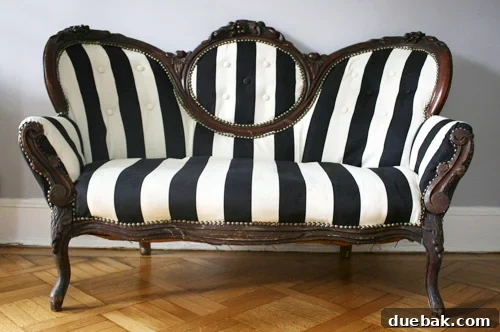
There’s a unique satisfaction that comes with transforming something old into something beautifully new, especially when it’s a cherished piece of furniture. We’ve certainly had our share of battles with fabric and staple guns, having wrestled with our own chair upholstery project (or, more accurately, I watched while my wife bravely took on the wrestling challenge!). And because we know firsthand the dedication and effort involved, we’re even more incredibly impressed by Erin’s recent redo of her great aunt’s loveseat. Her story is a powerful reminder that with a little courage and a lot of staples, truly amazing transformations are possible.
From Great-Aunt’s Treasure to Modern Marvel: Erin’s Upholstery Journey
Erin’s journey began a few months ago, driven by the desire to refresh a sentimental piece: her great aunt’s old loveseat. Initially, like many of us faced with a daunting home improvement task, she considered the professional route. “I actually planned on hiring someone to reupholster it,” Erin shared, admitting, “as I have never done anything like this before (not even close!).” This sentiment is incredibly relatable. The idea of tackling something completely new, especially a project as intricate as upholstery, can feel overwhelming. Many fear the unknown, the potential for irreversible mistakes, or simply the sheer amount of work involved.
However, a crucial moment of inspiration struck. Instead of immediately deferring to a professional, Erin paused and asked herself a liberating question: “Why not try my hand at it first?” And just like that, “Project Loveseat” was born. This simple shift in mindset – from hesitation to proactive experimentation – is often the first, and most significant, step in any successful DIY endeavor. It embodies the spirit of curiosity and the willingness to learn by doing, even if the path isn’t perfectly clear from the outset.
Embracing the Challenge: “I Just Sort of Winged It”
Erin is refreshingly honest about her process. “It was definitely a challenge,” she recounts. Perhaps even more inspiring is her admission of her improvisational approach: “And one that I just sort of winged. I couldn’t even write up a whole tutorial because I still have no idea what I did.” This candid honesty demystifies the often-intimidating world of DIY. It shows that not every project needs a meticulously planned blueprint or years of experience. Sometimes, the best way to learn is to dive in, adapt, and problem-solve as you go. While structured tutorials are invaluable, Erin’s story highlights the power of intuition and persistence.
The beauty of her experience lies in its raw, unpolished nature. She wasn’t striving for textbook perfection, but rather for a tangible improvement, a personal victory. And that’s exactly what she achieved. “But it goes to show you that projects like this one are doable for the average person (the average person with A LOT of staples),” Erin emphasizes. This key takeaway is a powerful encouragement for anyone on the fence about tackling a similar project. It debunks the myth that complex transformations are reserved only for seasoned professionals or those with specialized training. All it truly requires, besides determination, is a willingness to learn, patience, and yes, a generous supply of staples!
The ultimate reward? A sense of accomplishment that far exceeds expectations. “It’s not perfect but it is faaaar better than what I imagined I could do.” This statement encapsulates the true spirit of DIY: celebrating progress, embracing imperfections as unique character, and realizing an inner capability you might not have known you possessed. Erin’s revitalized loveseat is not just a piece of furniture; it’s a testament to her courage, her resourcefulness, and the incredible satisfaction of a job well done, even if it was “winged.”
The Unspoken Steps of a DIY Upholstery Project: What It *Really* Takes
While Erin humbly admits to “winging it,” successful upholstery projects generally follow a series of steps. Understanding these can provide a helpful framework for anyone considering their own furniture transformation. Even if you, like Erin, end up improvising, knowing the typical phases can prepare you for the journey ahead.
Phase 1: Assessment and Preparation – Laying the Foundation
Before any fabric is cut or a single staple removed, thorough assessment is crucial. Begin by examining the piece you intend to reupholster. Check the frame for stability; a wobbly frame needs to be reinforced before re-covering. Inspect the springs and webbing – are they intact? Do they need repair or replacement? Assess the existing padding and foam for wear and tear; if it’s lumpy, brittle, or completely disintegrated, plan to replace it. This initial inspection helps you gauge the scope of the project and anticipate material needs.
Next comes gathering your tools. A heavy-duty staple gun (electric or pneumatic is highly recommended for larger projects like loveseats), a staple remover, fabric scissors, a sewing machine (if your project involves sewing new cushions or piping), measuring tape, chalk or fabric marker, and perhaps a screwdriver or pliers for dismantling, are all essential. Finally, select your fabric. This is where your personal style shines! Consider the fabric’s durability, pattern, texture, and how it complements your existing decor. For beginners, choosing a solid color or a small, non-directional pattern can make pattern matching and cutting much simpler than dealing with large, intricate designs.
Phase 2: Deconstruction – The Art of Uncovering History
This phase is like an archaeological dig, revealing layers of history. Carefully remove the old fabric, taking plenty of photos and notes as you go. These visual records are invaluable references for how the new fabric should be positioned and attached. Pay close attention to how corners are folded, where seams are located, and the order in which different fabric pieces were applied. Many experienced upholsterers recommend labeling each piece of old fabric as it’s removed, indicating its original position on the furniture. This helps tremendously when it comes time to cut your new fabric.
Once the old fabric is off, you’ll have a clear view of the frame and internal components. This is the perfect time to make any necessary repairs, tighten joints, or replace worn webbing or springs. This step ensures that your newly upholstered piece is not only beautiful on the outside but also structurally sound and comfortable for years to come.
Phase 3: The Transformation – Cutting, Padding, and Reassembly
With the frame prepared and the old fabric as a template, you can begin cutting your new material. Lay out the old fabric pieces on your new fabric, aligning patterns if necessary, and carefully cut out the new sections. Remember to add seam allowances where needed, especially if you’re sewing cushion covers or piping. Next, address the padding. If the existing foam or batting is old, flattened, or unhygienic, replace it with fresh, high-quality materials. New foam can drastically improve the comfort and appearance of your furniture, giving it a plump, inviting feel.
Now comes the reassembly, the heart of the upholstery process. Working systematically, starting from the inside out and the bottom up (or following the reverse order of deconstruction), begin attaching the new fabric. This is where your staple gun becomes your best friend. The key here is tension: pull the fabric taut and smooth before stapling to prevent wrinkles and sagging. Corners and curves require particular attention and often some creative folding and trimming to achieve a neat finish. Patience is paramount in this stage, as it often involves repositioning, re-stapling, and refining until the desired look is achieved.
Phase 4: The Finishing Touches – Polishing Your Masterpiece
Once the main body of the furniture is covered, the final details make all the difference. This might involve adding decorative trims, creating and attaching piping along edges, or covering buttons. These elements elevate the piece from merely functional to truly refined. Take a step back frequently to assess your progress, ensuring symmetry and an even finish. The beauty of DIY lies in the ability to customize every detail to your liking, making the piece truly yours.
Why Tackle DIY Upholstery? The Rewarding Benefits
Beyond the personal satisfaction Erin experienced, there are numerous compelling reasons to consider DIY upholstery for your next home project.
- Cost-Effectiveness: Professional upholstery can be incredibly expensive, with labor costs often exceeding the price of new furniture. Doing it yourself can save you hundreds, if not thousands, of dollars, making stylish home decor accessible on a budget.
- Personalization and Unique Style: When you reupholster a piece, you have complete control over the fabric, color, and pattern. This allows you to create a truly bespoke item that perfectly matches your aesthetic and fits seamlessly into your home’s decor, something often impossible with mass-produced furniture.
- Sustainability and Eco-Friendliness: In an age of fast furniture, reupholstering is a sustainable choice. It prevents perfectly good furniture frames from ending up in landfills, reduces demand for new resources, and gives new life to items that still have plenty of utility.
- Skill Development and Sense of Accomplishment: Every DIY project is an opportunity to learn new skills. Upholstery teaches precision, problem-solving, and patience. The pride of stepping back and admiring a piece you’ve transformed with your own hands is an incredibly powerful and lasting reward.
- Preserving Sentimental Value: For pieces like Erin’s great aunt’s loveseat, upholstery isn’t just about aesthetics; it’s about preserving history and memories. Breathing new life into an inherited or cherished item allows its story to continue in a refreshed, modern context.
Your Own Upholstery Adventure: Tips for Beginners
Inspired by Erin? Here are a few tips to help you embark on your own upholstery adventure:
- Start Small: Don’t jump into a large sofa immediately. Begin with a simpler project like a dining chair seat, a footstool, or a headboard. This allows you to learn the techniques without feeling overwhelmed.
- Invest in Good Tools: A quality staple gun (electric or pneumatic) and a reliable staple remover will make your life infinitely easier. Dull scissors are also a source of frustration, so ensure yours are sharp.
- Watch and Learn: While Erin winged it, there are countless online tutorials, videos, and books available. Watch several to get a sense of different techniques and approaches before you start.
- Choose Forgiving Fabrics: For your first project, avoid delicate or slippery fabrics like silk. Heavy-duty cotton, linen blends, or even some synthetics are easier to work with. Solids or small, subtle patterns are also more forgiving than large, geometric designs that require precise alignment.
- Patience is Key: Upholstery is a marathon, not a sprint. There will be moments of frustration. Take breaks, step away, and come back with fresh eyes. Don’t be afraid to undo and redo until it looks right.
- Embrace Imperfection: Your first project probably won’t be perfect, and that’s okay! It’s a learning experience. Every “mistake” is a lesson learned. The goal is improvement and satisfaction, not professional-grade flawlessness on your first try.
We Want to See Your Transformations! Share Your DIY Successes
Three cheers for Erin for sharing her fantastic pictures and offering such encouraging words to inspire us all to take on another upholstery project at some point! Her honesty about the process makes her success even more impactful, proving that with determination, anyone can achieve remarkable results.
Have you been tackling any upholstery projects lately? Or perhaps you’ve been busy with other furniture makeovers, refreshing rooms with paint, experimenting with new fabrics, or even undertaking full room transformations? We are incredibly nosy in the best possible way, and we absolutely love to see what our community is creating. Your projects, big or small, are a source of inspiration for countless others dreaming of their own home updates.
If you’re looking for more visual inspiration from Erin’s amazing journey, you can see additional photos of her process on her blog, Olive Our House. Her detailed images truly capture the before-and-after magic.
So, don’t keep your incredible work to yourself! We invite you to share your triumphs, your learning experiences, and your beautiful transformations. Just send any and all projects to [email protected]. We can’t wait to celebrate your creativity and hard work!
More Home & Life Inspiration from Young House Love
Psst- We also shared a little “Fair Fun” over on Young House Life yesterday. It’s a peek into our personal adventures and might offer a different kind of inspiration for your daily life. Check it out here.