The Unifying Power of Cohesive Flooring: A Game-Changer for Any Home
As we prepare to embark on our next grand home project, we find ourselves lingering over the details we cherish most about our current abode. Among these, our floors consistently bring us an immense sense of joy and satisfaction. It’s more than just the elegant mocha hardwood; it’s the profound impact of having a completely cohesive flooring scheme throughout the house. While it might sound like something a design guru would say, we wholeheartedly stand by this statement: truly cohesive flooring is an absolute game-changer for home aesthetics and comfort. It creates a flow and harmony that many homeowners might not realize they are missing until they experience it.
In the realm of interior design, flooring often acts as the unsung hero. It’s the foundation upon which your entire home’s personality rests. A well-chosen, unified flooring strategy can elevate a space from merely functional to breathtakingly beautiful, expanding perceived space and fostering a sense of calm. For us, this realization came after a significant transformation, moving from a chaotic medley of floor coverings to a serene, consistent surface that binds every room together.
Before: The Disjointed Dilemma of Mismatched Floors
It’s almost hard to believe now, but our home once featured no fewer than eight distinct flooring materials and numerous awkward seams, all crammed onto a single, modestly sized level. Imagine the visual chaos! This array of floor types didn’t just break up the space; it actively made each room feel smaller and disconnected. The previous design choices seemed to chop up the house into an assortment of isolated boxes rather than a unified living environment.
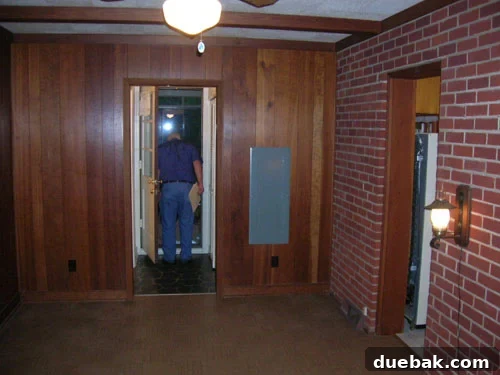
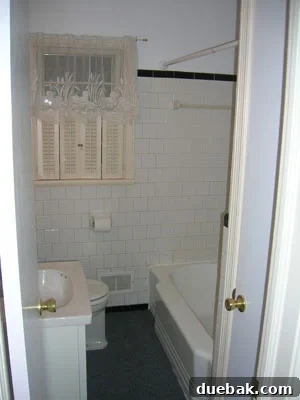
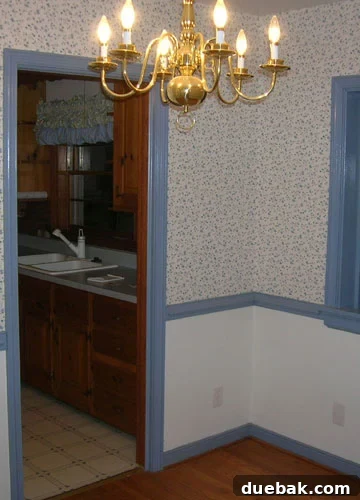
Let’s take a walk down memory lane through our old floor plan: a practical laundry nook featuring faux stone linoleum, a half-bath with yellowed vinyl tile, and a kitchen adorned with a sheet of dated blue linoleum. Venturing further, the full bathroom was covered in thin, ratty carpet, while the den boasted faux parquet linoleum flooring. The sunroom, another victim of inconsistency, also featured a thin, worn carpet. Thankfully, about half of the house did have hardwoods, but even these were surrounded by a patchwork of other materials, creating an jarring transition at every turn. This collection of disparate surfaces created a jarring, uncomfortable aesthetic that diminished the home’s overall appeal and functionality.
The Hidden Costs of Inconsistent Flooring
Beyond the immediate visual drawbacks, a medley of flooring types can have several hidden costs. It can make cleaning more cumbersome, as different materials require different care routines. It can also be less durable overall, with cheaper materials wearing out quickly. More significantly, it can negatively impact your home’s resale value, as potential buyers often view mismatched flooring as an immediate renovation project. The lack of aesthetic cohesion suggests a lack of thoughtful design, which can deter buyers looking for a move-in-ready space. Replacing disparate flooring is often one of the first and most impactful steps homeowners can take to boost their property’s market appeal and perceived quality.
After: Embracing Harmony with Unified Hardwood Floors
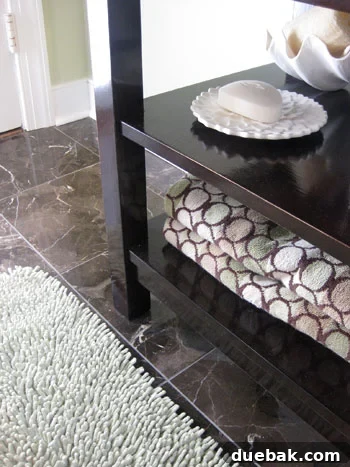
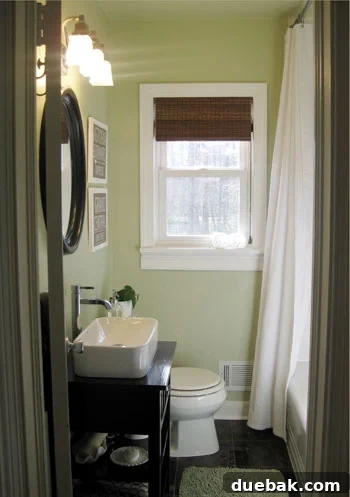
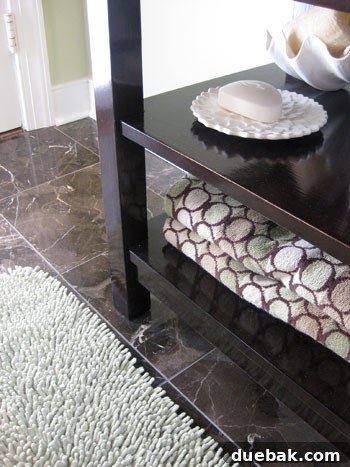
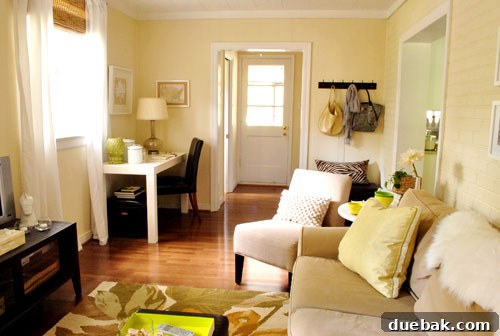
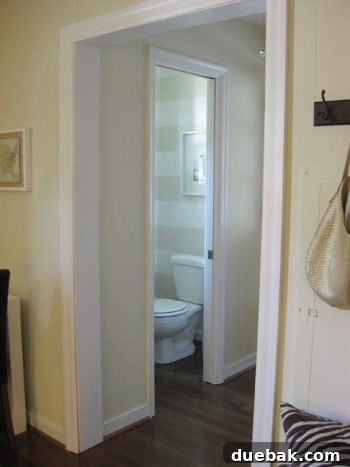
The transformation was nothing short of remarkable. You can glimpse more of our floor before and after photos here, even though our photography skills were still developing in those early days! Today, our entire home boasts beautiful, dark solid hardwood floors. This wasn’t a single, simple installation; it was a carefully orchestrated process. Some of the new hardwoods were installed as part of our comprehensive kitchen renovation, seamlessly blending with the existing sections. To achieve perfect uniformity, we also had our older hardwood sections professionally refinished to match the rich, mocha tone of the newly installed wood. The only deviation, and a thoughtfully planned one, is a similarly toned mocha marble floor in the full bathroom, providing a luxurious yet complementary surface that maintains the overall cohesive aesthetic. The half-bath, however, continues the mocha hardwood theme, ensuring complete visual continuity wherever possible.

The Transformative Benefits of Seamless Flooring
It’s truly incredible how much more spacious and open our house feels now. The unified flooring creates an uninterrupted visual path, guiding the eye smoothly from one room to the next, dissolving the invisible barriers that once compartmentalized our modest home. While design choices are inherently subjective—and we certainly appreciate the fun in experimenting with diverse flooring materials and colors for those whose style leans that way—for our small home, packed with equally small rooms, embracing similarly toned, seamless flooring was undoubtedly one of the most impactful decisions we could have made. This strategic choice not only enhanced the aesthetic appeal but also improved the perceived functionality and flow of the entire living space, turning a collection of disjointed areas into a truly integrated home.
Beyond the visual expansion, hardwood floors offer numerous practical advantages. They are incredibly durable, standing up to daily wear and tear with grace, and are relatively easy to clean and maintain compared to carpet or textured linoleum. Hardwoods also contribute positively to indoor air quality, as they don’t trap dust, allergens, or pet dander like carpets do, making them an excellent choice for allergy sufferers. Furthermore, installing consistent hardwood flooring significantly boosts a home’s market value and broadens its appeal to a wider range of potential buyers, making it a wise investment for the future. The enduring beauty and resilience of hardwood ensures that this investment continues to pay dividends for years to come.
Making Your Flooring Dream a Reality: Practical Tips and Budgeting
For anyone contemplating a similar transformation, especially those working with smaller spaces currently burdened by an excessive amount of disparate linoleum, worn carpet, or faux parquet, we wholeheartedly recommend considering a cohesive flooring upgrade. While it might not be the absolute cheapest home improvement project upfront, the long-term benefits in terms of aesthetics, comfort, and value often outweigh the initial investment. And, contrary to popular belief, achieving beautiful hardwood floors doesn’t necessarily require breaking the bank.
Smart Budgeting and Sourcing for Hardwood Floors
Savvy shopping and strategic planning can yield significant savings. For instance, we managed to acquire our new hardwoods for less than the cost of many laminate options sold at major big box stores, thanks to outlets like Lumber Liquidators. Discounts and sales from specialized flooring suppliers can often provide superior materials at competitive prices. Additionally, don’t underestimate the power of refinishing existing hardwood floors. We paid a mere $1.50 per square foot to have our existing wood floors expertly refinished, matching them perfectly to our new installations. This not only saved money but also preserved the character and history of our home. Refinishing can breathe new life into worn floors, often at a fraction of the cost of new installation, while still allowing you to achieve a perfectly matched, cohesive look.
When planning your flooring project, consider:
- Material Choice: While hardwood is our preference for its timeless appeal, durability, and natural beauty, modern alternatives like high-quality Luxury Vinyl Plank (LVP) can also offer excellent cohesive solutions, especially in areas prone to moisture or high traffic. Researching different materials and their specific properties for your lifestyle is crucial.
- DIY vs. Professional: Installing or refinishing floors can be a strenuous DIY project, requiring specific tools and expertise. Assess your skills and time commitment honestly. For a truly professional, seamless finish, especially with intricate patterns or extensive areas, a professional installer might be the best investment to ensure longevity and quality.
- Color and Finish: Consistency is key to achieving cohesion. Choose a color and finish that complements your home’s overall aesthetic and unifies different areas. Darker tones like our mocha can add sophistication and warmth, while lighter tones can further enhance a sense of openness and brightness, particularly in smaller rooms.
- Subfloor Preparation: A smooth, level, and dry subfloor is absolutely crucial for any successful flooring installation. Don’t skip this foundational step, as neglecting it can lead to future issues like squeaks, gaps, buckling, or uneven surfaces, which can be costly to repair.
- Flow and Transitions: Plan how flooring will transition between rooms. The goal for cohesive design is to minimize or eliminate abrupt changes, creating a natural flow throughout the home.
The overarching message, distilled from our own experience and passion for home design, is simple: life’s too short to endure the daily assault of crazy, mismatched floors. Your home should be a sanctuary, a cohesive and comforting space that reflects thoughtfulness and care. A unified flooring scheme is a foundational step toward achieving that ideal, transforming your daily living experience and enhancing your home’s enduring appeal.
Your Home, Your Floors: A Call to Cohesion
This somewhat unconventional Friday morning reflection comes to a close, but the conversation doesn’t have to. What about the floors in your house? Do they tell a story of harmony and thoughtful design, or are they a collection of disparate personalities? Do they flow effortlessly from room to room, or do you encounter a different material at every threshold? We encourage you to look down and truly see the impact your floors have on your living experience. Perhaps it’s time to consider how a touch of cohesion could transform your space, making it feel larger, more inviting, and undeniably elegant. Come on, the least we can do is see this weird floor tangent through to a more beautiful, unified future for your home!