
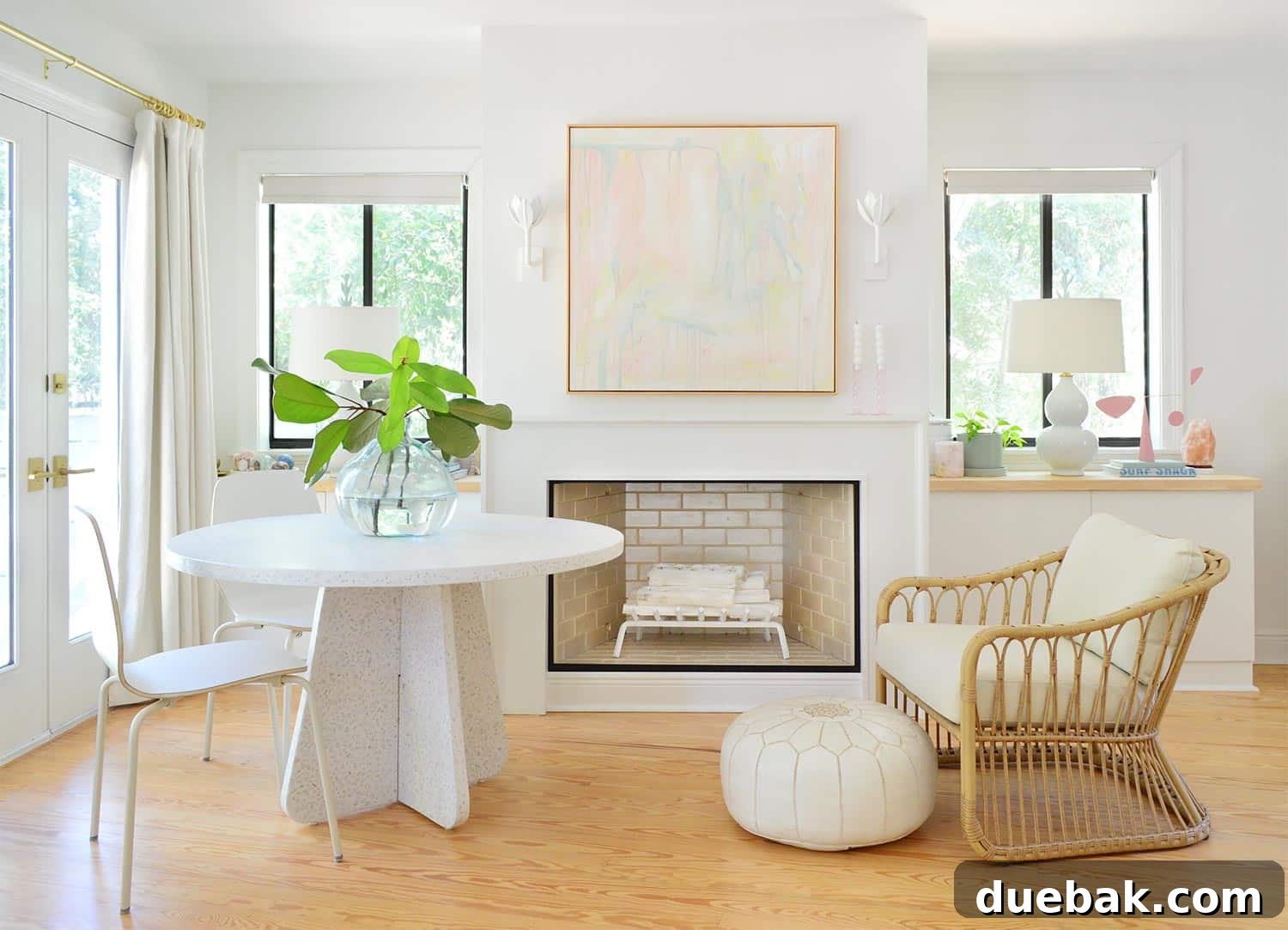
Transforming ordinary IKEA Besta cabinets into sophisticated, custom-built storage units can elevate any room. We successfully implemented three straightforward “hacks” to give our Besta units the luxurious appearance of high-end, custom-made cabinetry, without the hefty price tag. The result? Enhanced storage capacity and a beautiful architectural detail seamlessly integrated into our bedroom decor.
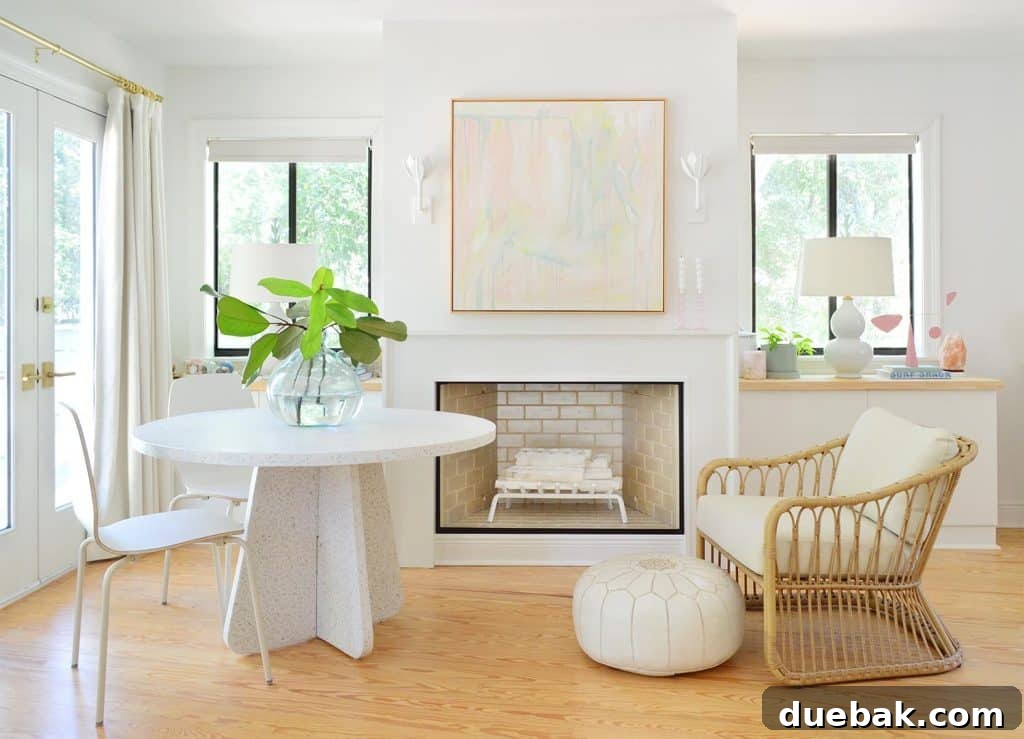
table |
white chairs |
wicker chair |
ottoman |
lamps |
glass vase |
sconces |
mobile
Built-in storage is an invaluable asset in any home, particularly in smaller residences like ours. We have a history of integrating custom storage solutions, having previously installed built-in Pax closets in our bedroom, crafted a custom desk and bookcase for our son’s room, and designed a wall-to-wall media cabinet in our family room. So, when faced with the empty alcoves flanking our fireplace, we recognized an immediate opportunity to introduce more custom-looking built-ins.
Why Choose Ikea Bestas?
The fireplace, a prominent feature directly across from our bed, has undergone a remarkable transformation since we first moved in and casually placed disparate furniture pieces beside it (as seen below). We instantly recognized the immense potential of this space due to its inherent symmetry and the inviting recessed areas that seemed to cry out for integrated storage. The goal was to transform these vacant spots into functional and aesthetically pleasing built-ins that would enhance the room’s overall design.
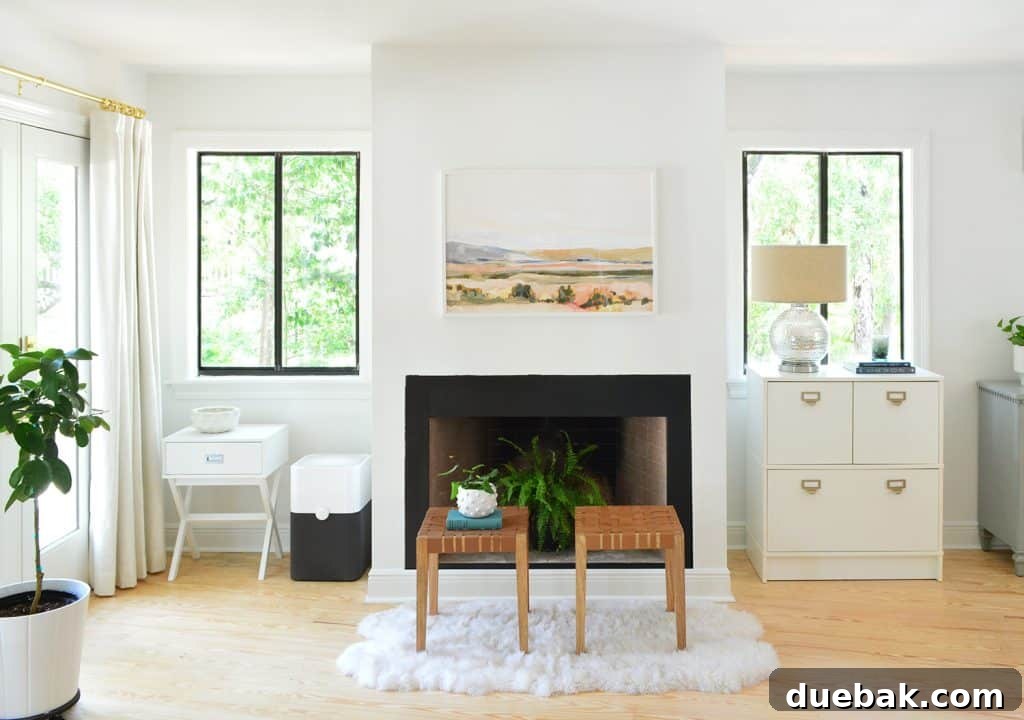
Ikea’s 47-inch wide Besta cabinet proved to be an almost perfect fit for the 50-inch wide space on each side of the fireplace. The dimensions were incredibly accommodating, requiring minimal adjustments to achieve a custom look. Furthermore, when paired with standard legs, the height of the Besta units aligned flawlessly beneath each window, creating a cohesive and intentional design element. This ideal compatibility made Besta cabinets an obvious and strategic starting point for our built-in project, saving us considerable time and effort in searching for alternatives.
We acquired these cabinets in late 2020, which is why you might have spotted them in the background of our holiday decor post from that year. The photo below shows them during that period, before any festive adornments.
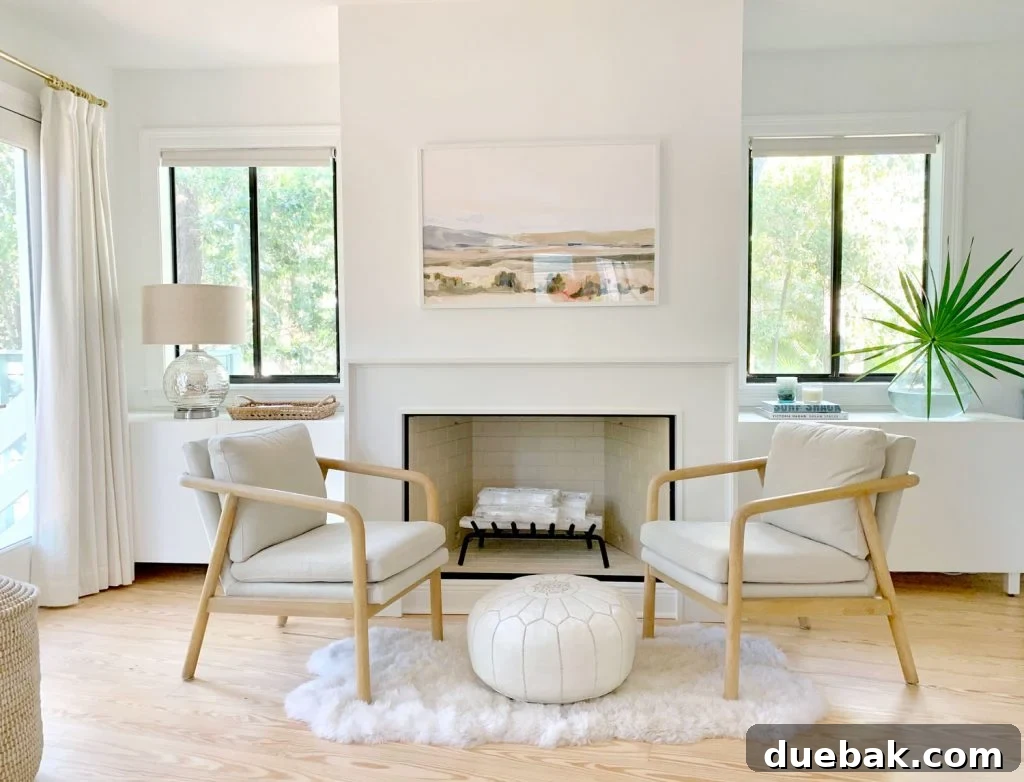
At this initial stage, the Besta units were simply freestanding cabinets, not yet integrated into the architecture of the room. However, their presence immediately provided much-needed concealed storage, which we deeply appreciated. This early functionality allowed us to take our time with the subsequent phases of the makeover, as we were simultaneously engaged in updating the fireplace itself. Over the course of the following year, through a series of thoughtful modifications, we transformed these basic units into genuinely custom-looking built-ins. Today, it’s hard to imagine them ever appearing as they did in the earlier, un-hacked photographs.
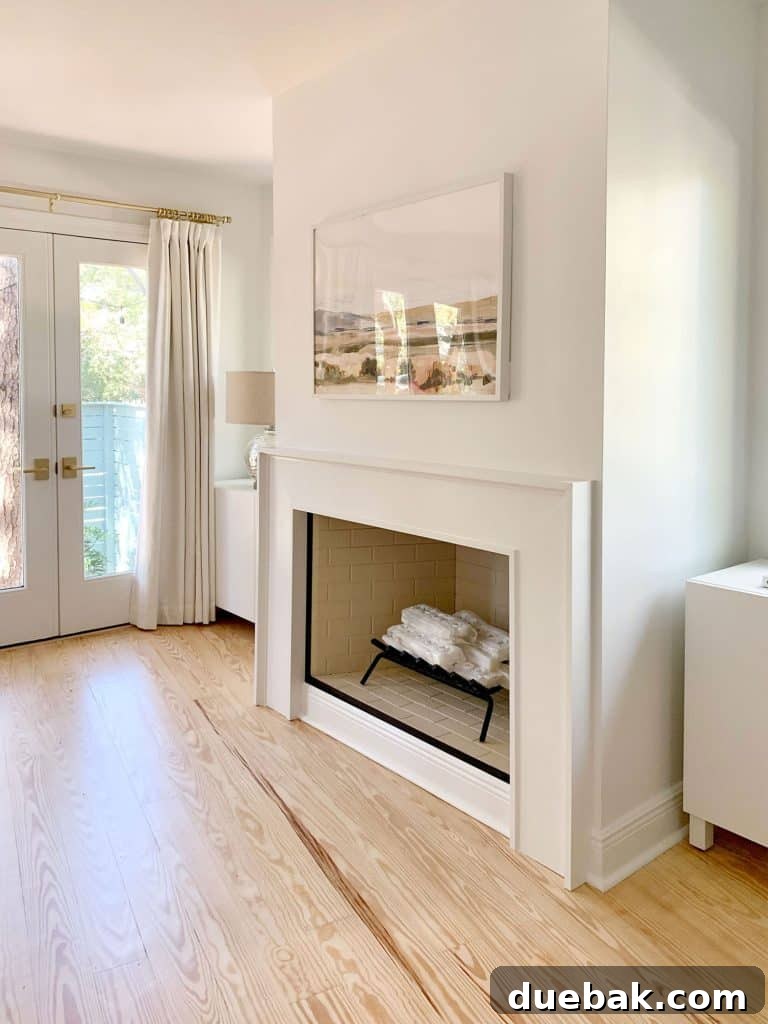
The journey from simple furniture to integrated architectural features highlights the potential of IKEA hacks. It demonstrates how a phased approach can yield stunning results, allowing both form and function to evolve over time.
How We Hacked Our Ikea Bestas
lamp |
sconces |
mobile /
counter /
gold frames
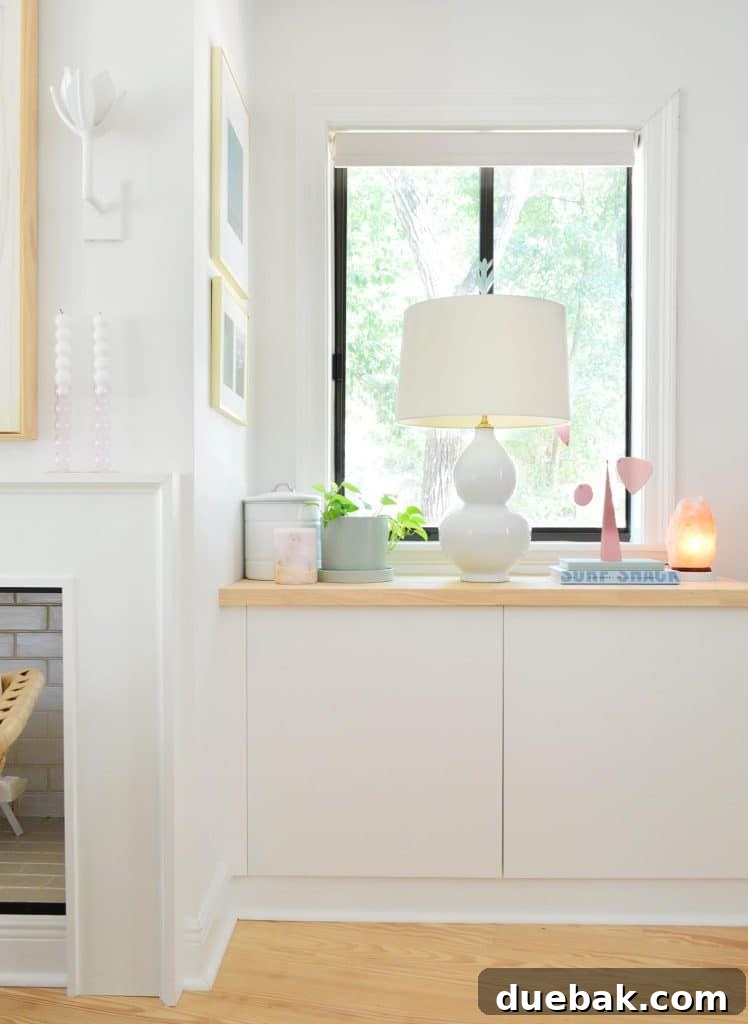
The beauty of IKEA furniture lies in its adaptability, offering countless opportunities for customization, or “hacking,” to achieve a truly unique and personalized look. Common IKEA hacks include painting the units a custom color, adding decorative trim, upgrading hardware, or even applying wallpaper. For our Besta built-ins, however, we focused on three straightforward yet incredibly effective modifications that were essential for achieving that seamless, integrated appearance:
- We added filler trim pieces to the sides to bridge any gaps between the cabinets and the walls.
- We integrated a matching baseboard along the bottom of the units to blend them with the existing room architecture.
- We installed a beautiful butcher block countertop to enhance both the aesthetics and functionality of the surface.
These three simple steps collectively transformed our off-the-shelf IKEA units into what appears to be bespoke cabinetry, demonstrating that significant impact can be achieved with minimal, targeted interventions.
Besta Hack #1: Add Side Filler Pieces
Adding filler trim is a crucial step in making any IKEA unit look truly built-in, seamlessly connecting it to the surrounding walls or other architectural elements. We’ve detailed this process extensively in other projects, such as our son’s nursery built-ins and our walk-in IKEA closet renovation, where you can find more specific step-by-step instructions. The technique is remarkably accessible, requiring only basic tools like a saw for cutting the wood, a screwdriver for initial assembly, and a nail gun for secure attachment. Essentially, you are fitting small strips of wood, typically 1×2 inch pieces, into any gaps between the Besta unit and the adjacent wall, giving the impression that the cabinet was custom-made for the space.
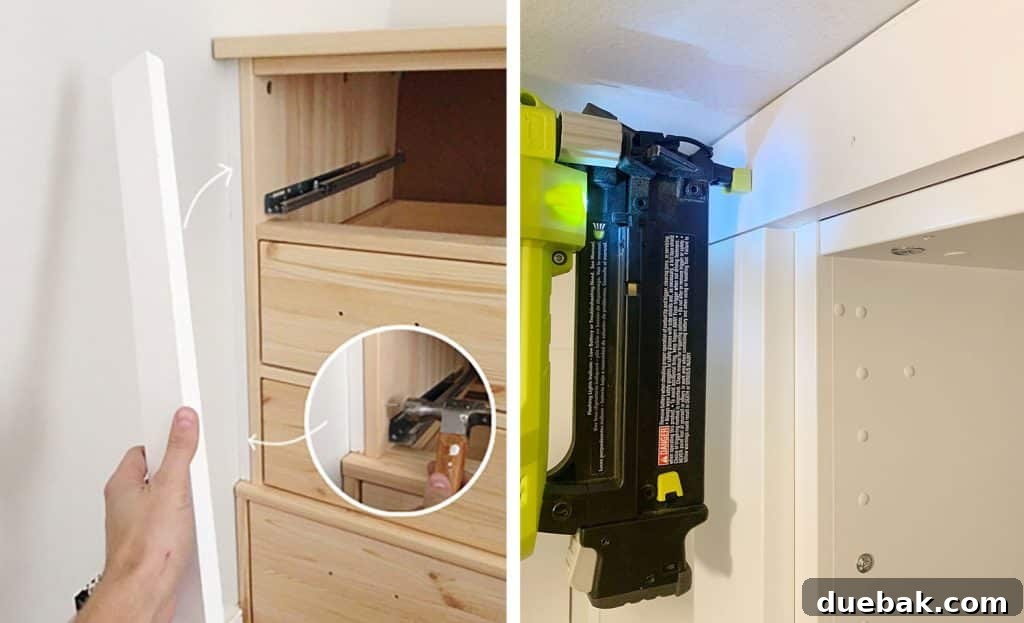
A key consideration, as we learned during the construction of our previous closet built-ins, is the potential need for two distinct layers of filler trim. This multi-layered approach ensures a truly professional and finished look. The first, or “back,” layer of trim is secured directly to the side of the cabinet box, establishing a solid foundation. The second, or “front,” layer is then applied on top of the first, designed to sit perfectly flush with the face of your cabinet doors. This creates a smooth, continuous surface when the doors are closed, effectively masking the edges of the cabinet unit itself.
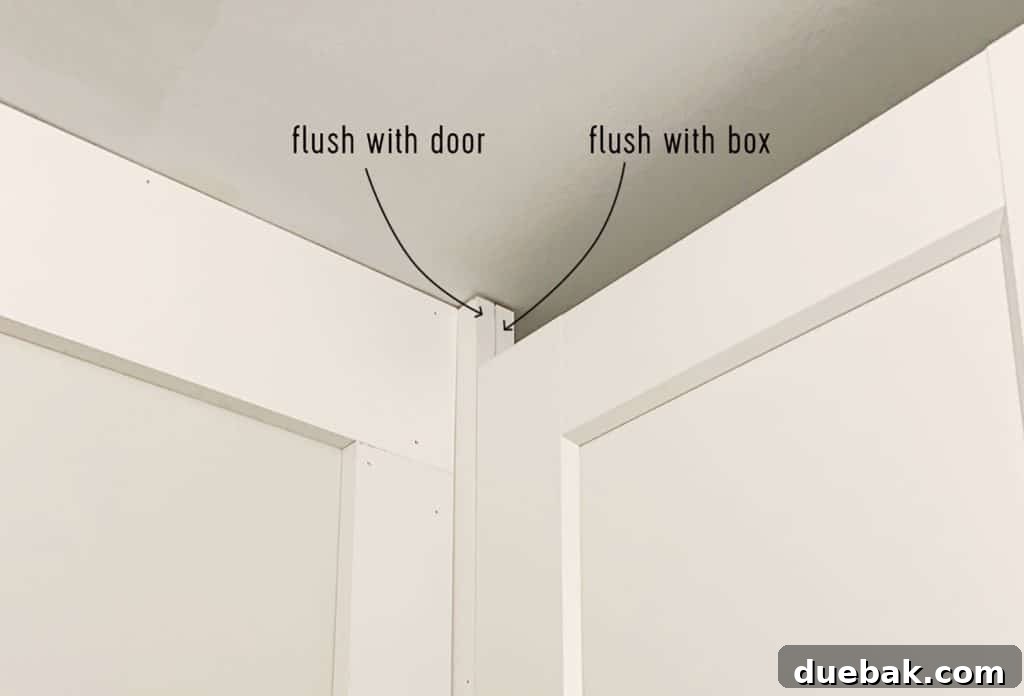
By following this two-layer technique, the result is a beautifully integrated appearance where the filler piece aligns perfectly with the front of the cabinet door when closed. This careful alignment is essential for achieving that high-end, bespoke aesthetic, as it eliminates any visible seams or gaps that would betray the unit’s off-the-shelf origin.
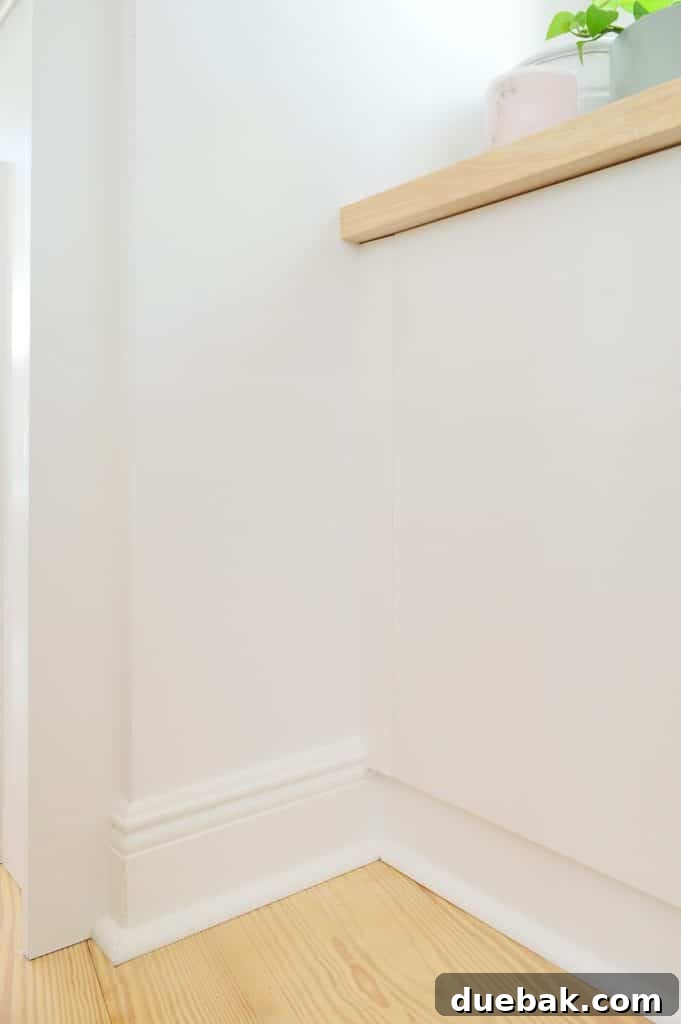
Once the filler pieces are meticulously installed and painted to match the cabinet doors – we used Sherwin-Williams Pure White for a clean, cohesive look – they completely transform the Besta unit. The illusion of a custom, wall-to-wall cabinet becomes complete, making it virtually indistinguishable from a piece designed and built specifically for your space. This simple addition makes a dramatic difference in elevating the overall finish and sophistication of your IKEA hack.
Besta Hack #2: Add Baseboard
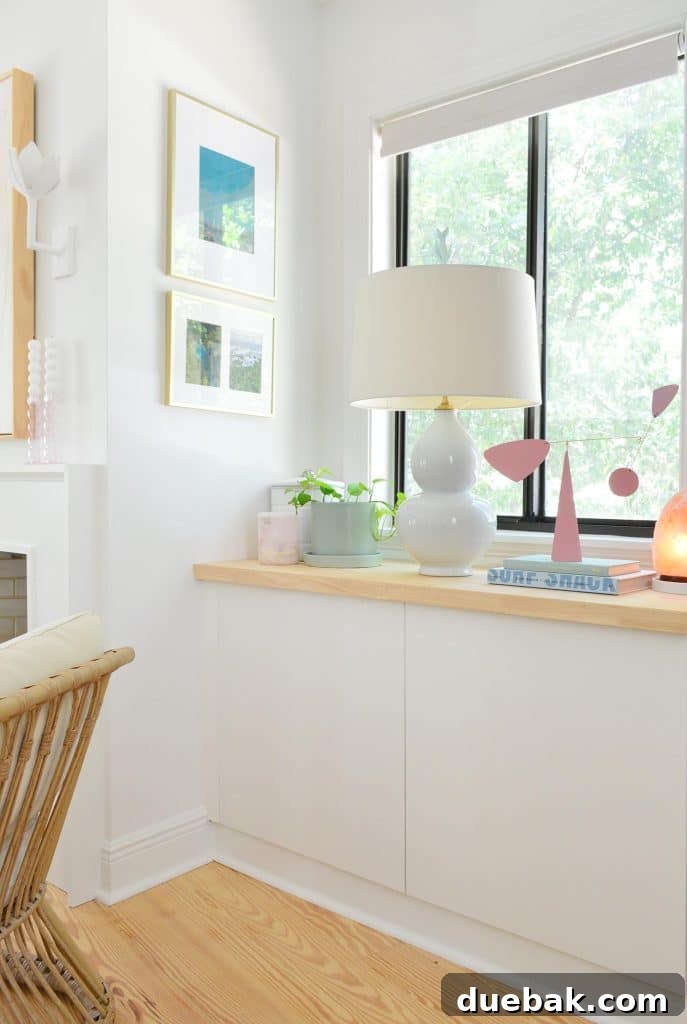
Integrating baseboard trim is another critical step in making IKEA furniture appear as a seamless, built-in part of your home’s architecture. The key here is to match the style and profile of the existing baseboards and quarter-round trim in your room. This continuity in millwork creates a cohesive design, making the IKEA piece look like an original, custom feature rather than an added element. This attention to detail is what truly differentiates a simple furniture placement from a thoughtful, integrated design.
lamp |
sconces |
mobile /
counter /
gold frames
Initially, we nailed our new baseboard directly to the stock block legs that come with the Besta units. However, we quickly realized that this positioned the baseboard slightly too far forward, extending beyond the plane of the cabinet doors. One viable alternative to address this would have been to “float” the Besta units by mounting them directly to the wall and then reattaching the legs or some other wood blocking further back, creating the desired recessed effect. This method, while more involved, allows for precise control over the baseboard depth.
Instead, we opted for a simpler yet equally effective solution: using a thin strip of plywood instead of a traditional, thicker baseboard. This allowed us to achieve the exact depth we needed. Once this plywood strip was securely nailed in place, and we added quarter-round trim to the bottom edge, everything was painted in the same crisp white as the rest of the room. The result is so convincing that, upon completion, it’s impossible to distinguish it from actual architectural baseboard. This creative approach demonstrates that clever material choices can often overcome common DIY challenges, leading to a professional-looking finish with less complexity.
Besta Hack #3: Add Counters
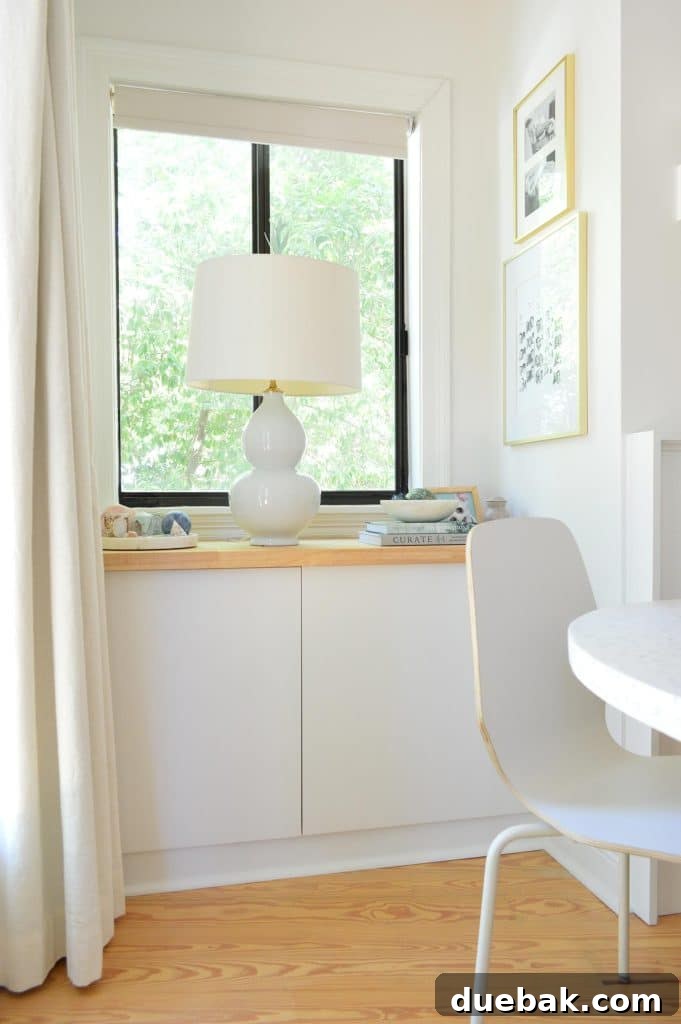
Elevating the standard white top of an IKEA Besta cabinet with a custom countertop is a surefire way to enhance its aesthetic appeal and functionality. For our project, we were particularly drawn to the warm, inviting contrast offered by this specific butcher block countertop. This material has become a favorite, having successfully incorporated it into two previous DIY ventures: our utility closet makeover and our custom DIY wood nightstands. Its substantial, chunky profile and the way its rich color beautifully complements our existing flooring made it an obvious and ideal choice for these built-ins, adding a touch of natural warmth and sophistication.
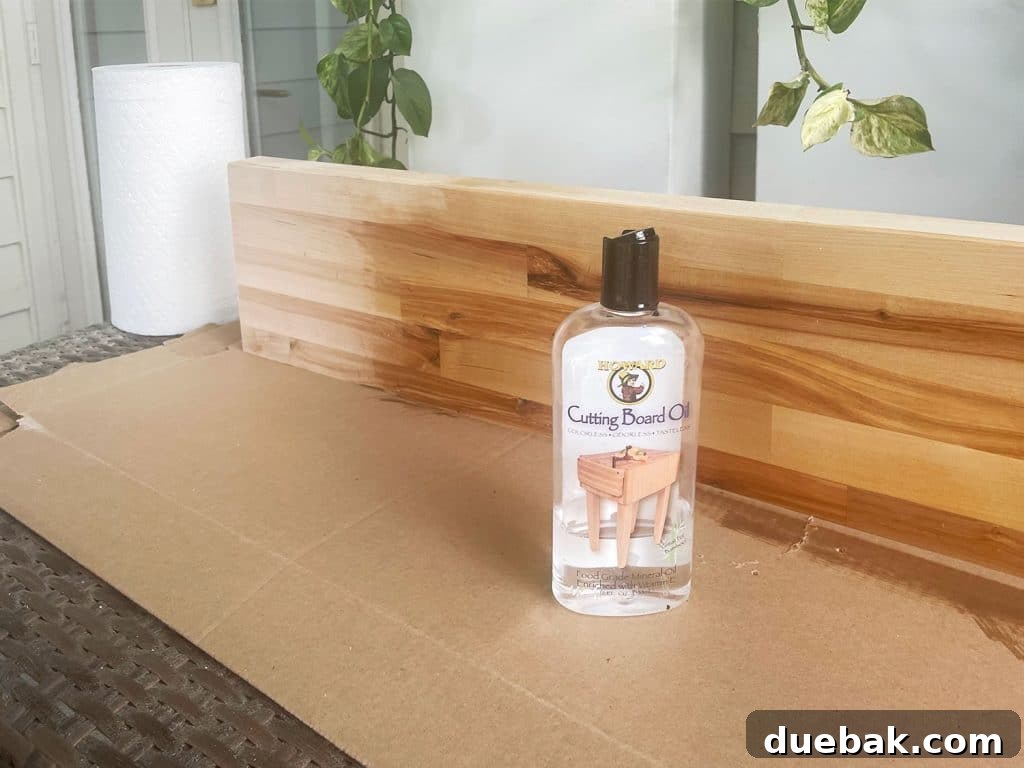
To precisely fit the butcher block countertop to our Besta units, we used our circular saw, ensuring clean and accurate cuts to match the dimensions of the cabinets and the surrounding alcoves. After cutting, sealing the wood is a critical step for both protection and aesthetic enhancement. We applied a generous coat of cutting board oil, which not only safeguards the wood from moisture and wear but also beautifully brings out its natural grain and deepens its color. It’s worth noting that the oil can appear quite dark when first applied, but rest assured, it dries to a much lighter, more natural tone, so there’s no need to be alarmed by the initial appearance.
Attaching the heavy butcher block countertop to the Besta units was surprisingly straightforward. Due to its substantial weight, the counter already rested securely in place. However, to ensure long-term stability and prevent any shifting over time, we reinforced it by screwing up through the top panel of each Besta unit directly into the underside of the wood countertop. It is crucial to use screws of appropriate length to avoid them piercing through the visible surface of the butcher block. This simple method provides a robust and secure attachment, ensuring the countertop remains firmly in position for years to come.
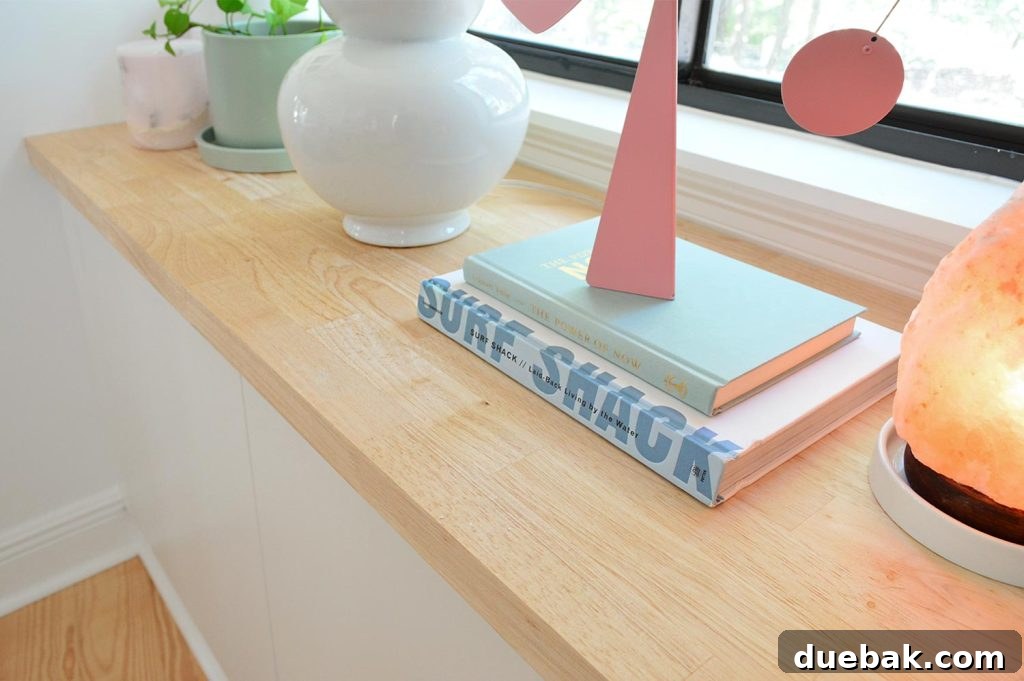
For a clean and functional setup, we also meticulously drilled holes through the butcher block countertops to accommodate the cords for our lamps, allowing them to reach the electrical outlets hidden behind each Besta unit. This required a specialized 2-inch drill bit and a good amount of patience, as we carefully worked our way through both the thick butcher block and the top panel of the Besta. To give these openings a tidy and professional finish, we inserted elegant brass desk grommets, which simply tap into place with a light strike from a rubber mallet. These grommets effectively conceal the raw edges of the drilled holes and add a refined touch.
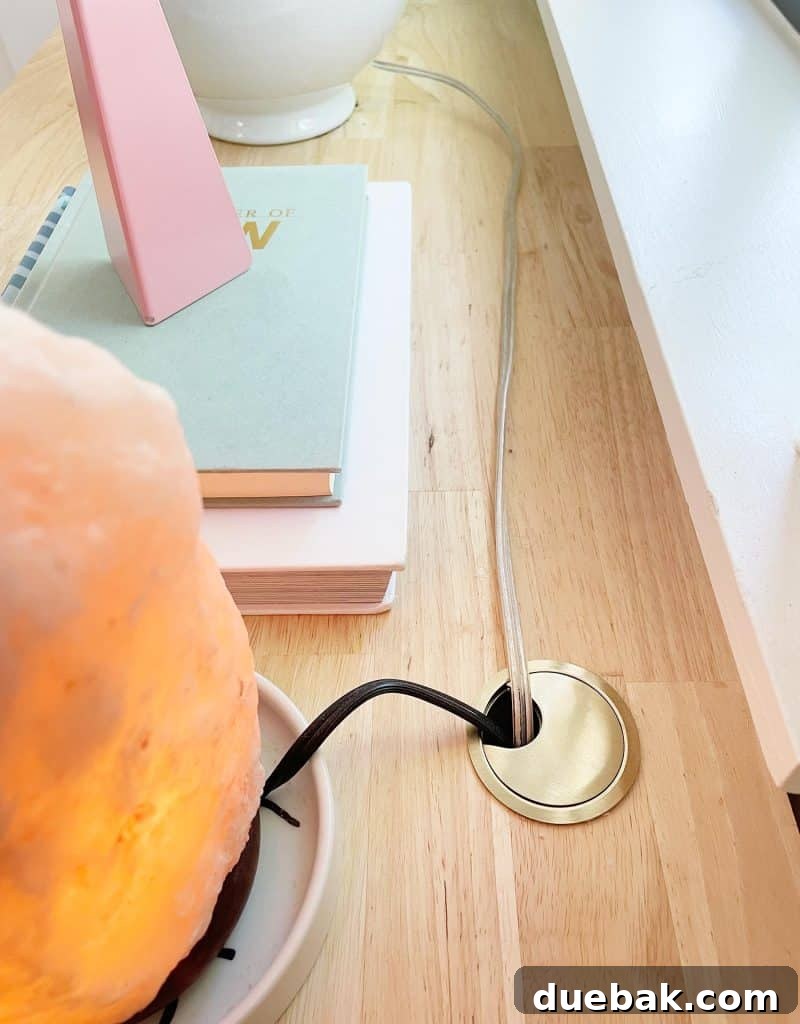
The lamp cords now discreetly snake down into the Besta cabinets, resting unobtrusively on one of the shelves. To further facilitate this, we cut a rough opening in the back panel of each Besta unit, providing direct access to the wall outlets. While these internal cuts aren’t visually appealing, their hidden location inside the cabinet means their appearance is of no consequence. The primary goal is functional access, and this method achieves it perfectly, maintaining a clean and clutter-free look on the exterior. This thoughtful approach to cord management is essential for any modern built-in project, ensuring both aesthetics and practicality are addressed.
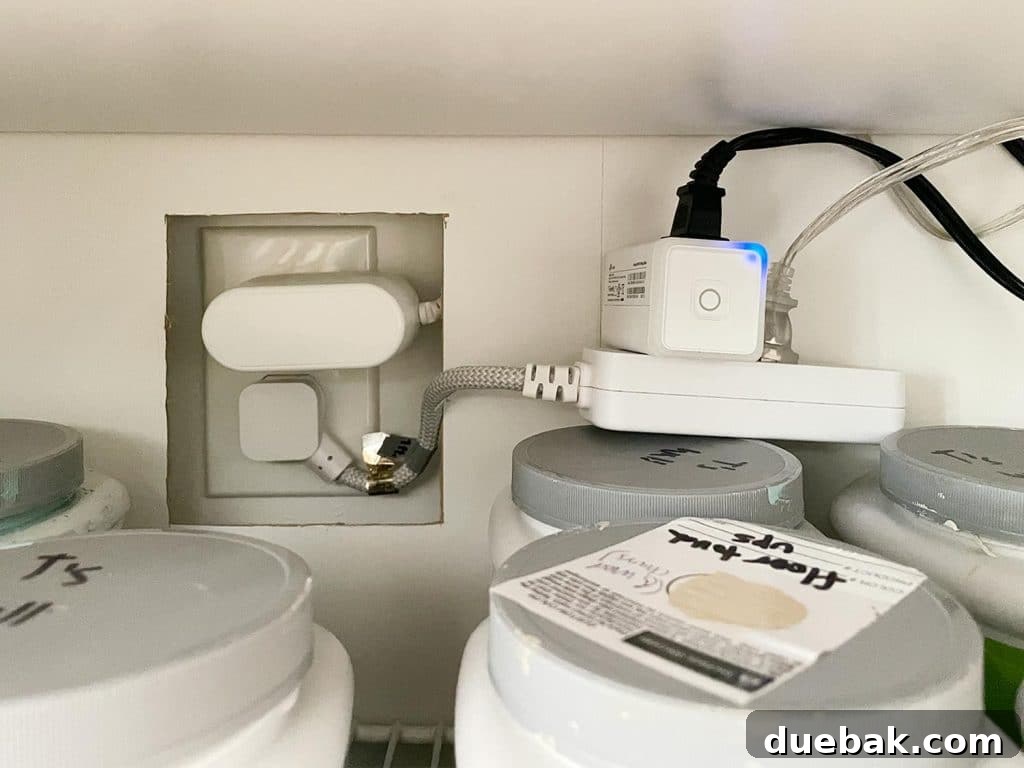
Speaking of the inside of our cabinets, let’s explore what lies within.
What We Store In Them
The addition and thoughtful “hacking” of these IKEA Besta cabinets have been an absolute game-changer for our bedroom’s storage capabilities. Sherry even created a quick video tour to provide a closer look at how these upgraded units integrate into our space and to reveal what we’re storing inside, including a more detailed explanation of our lamp wiring solution.
Note: You can also watch this video on YouTube for a visual guide to our Besta built-ins.
The IKEA cabinet positioned on the right side of the fireplace currently houses a variety of miscellaneous items, such as spare paint cans (as briefly visible in the outlet photo above). Since the initial video was filmed, we’ve done some reorganizing, and this particular side has now been designated as our official family game cabinet. It’s a dedicated space for board games and puzzles, keeping our living areas tidy and entertainment easily accessible yet neatly tucked away.
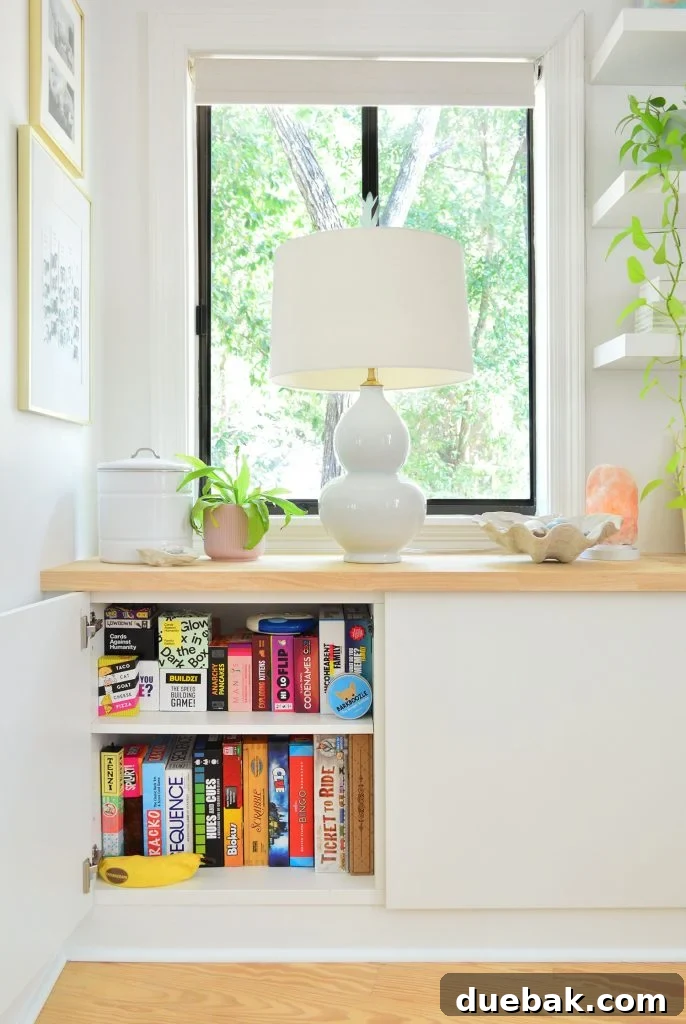
Meanwhile, the cabinet on the left side continues to hold an assortment of overflow items. This includes extra books, a collection of gift bags and tissue paper for various occasions, and a rotating selection of candles, vases, and other decorative knick-knacks that Sherry likes to swap out to refresh the room’s decor. Although it might appear somewhat challenging to access behind the adjacent table, we assure you it poses no practical issues. The items stored in this cabinet are not those we require on a daily, weekly, or even monthly basis, making infrequent access entirely manageable and convenient for long-term organization.
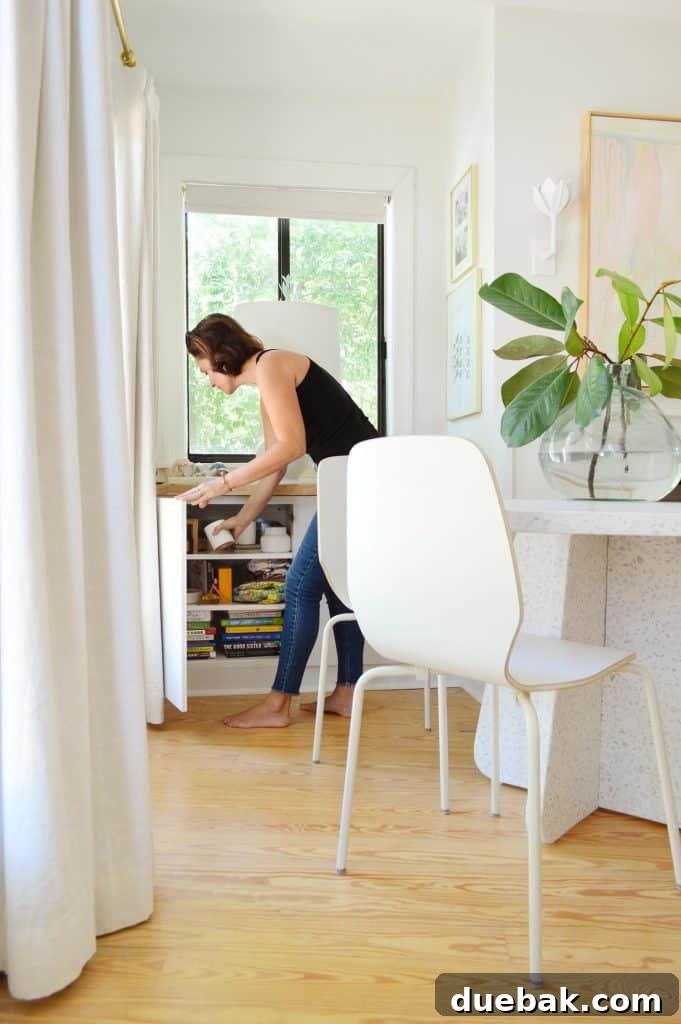
Update: More Ikea Besta Cabinets
In an exciting development since the initial publication of this post, we have expanded our built-in storage even further by adding more IKEA Besta cabinets! As detailed in our subsequent shelving post, our satisfaction with the original Besta storage was so profound that we decided to extend it along the entire length of the wall in this room. This expansion presented a wonderful opportunity to reapply all three of our successful hacking techniques: adding more filler pieces for a seamless fit, integrating additional baseboard trim for architectural consistency, and installing extra butcher block countertop sections to maintain the cohesive design.
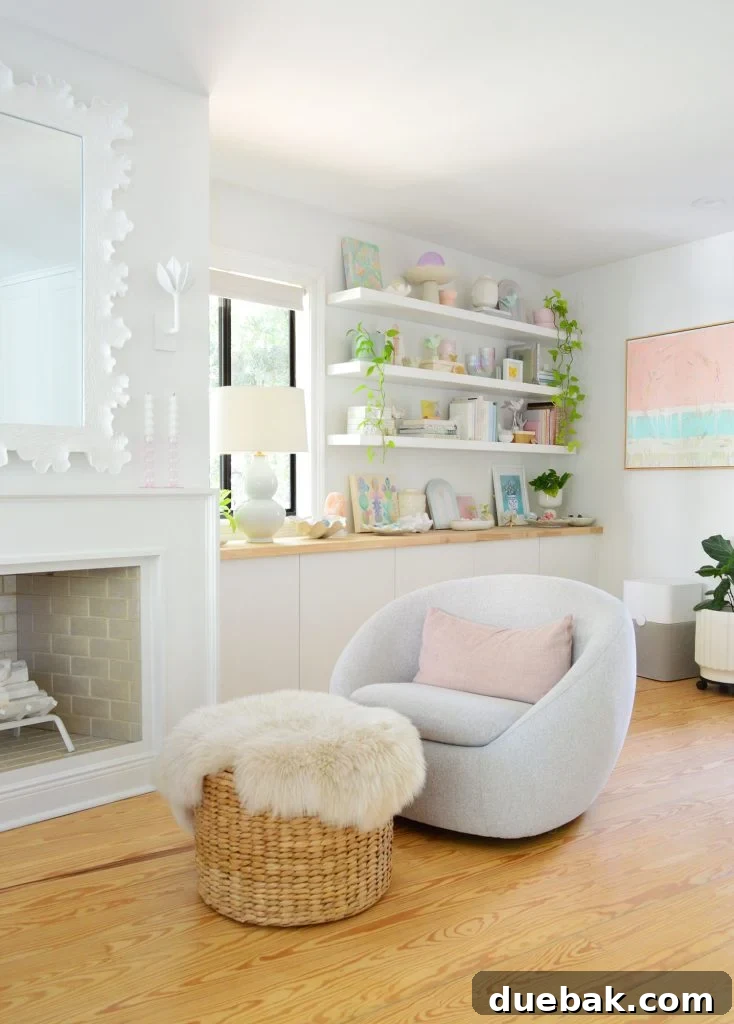
The ability to replicate these simple yet effective hacks on new units reinforces their practicality and impact. We are incredibly pleased with the final outcome, especially considering the relative ease with which these customizations were achieved. The straightforward nature of these “hacks” allowed us to transform standard IKEA pieces into what genuinely feels like custom-designed built-ins, dramatically enhancing both the visual appeal and the functionality of our bedroom.
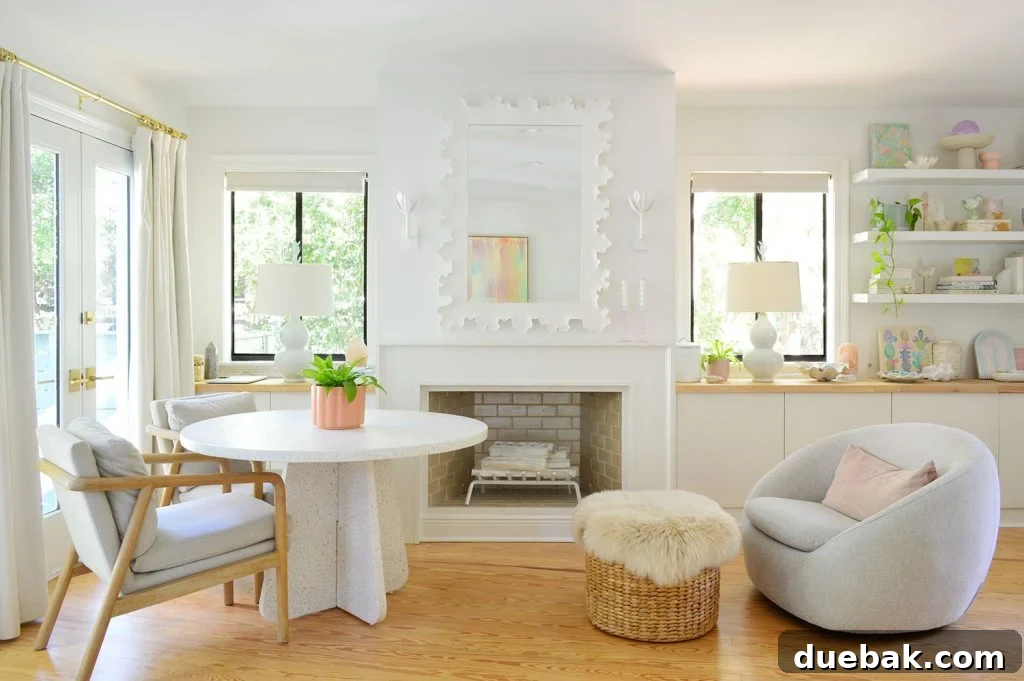
Thanks to these meticulously executed built-in Besta cabinets, the storage potential in this room has been truly maximized. Beyond just adding space, we managed to integrate these units in a way that significantly elevates the room’s aesthetic, proving that practical solutions can also be beautiful. This project stands as a testament to the power of thoughtful DIY and the versatility of IKEA furniture when approached with a creative vision.
Other Ikea Hack Projects
Inspired to tackle more IKEA transformations? The world of IKEA hacks is vast and offers endless possibilities for customizing affordable furniture to suit your unique style and needs. Here are some of our other favorite IKEA furniture customization projects that demonstrate the incredible versatility and potential of these popular pieces:
- How to build in IKEA Pax wardrobes: Learn how to integrate these popular wardrobe systems for a seamless, wall-to-wall storage solution that looks anything but off-the-shelf.
- Creating built-in storage cabinets with Sektion: Discover how to utilize IKEA Sektion kitchen cabinets to create bespoke storage solutions in any room of your home, offering exceptional functionality and style.
- A wood-wrapped Expedit bookcase: See how a simple Expedit bookcase can be dramatically upgraded with a custom wood wrap, transforming it into a more substantial and designer-looking piece.
- Painting IKEA kitchen cabinets a custom color: Get tips and tricks for successfully painting IKEA kitchen cabinets, allowing you to achieve a completely personalized color scheme without the custom cabinet price tag.
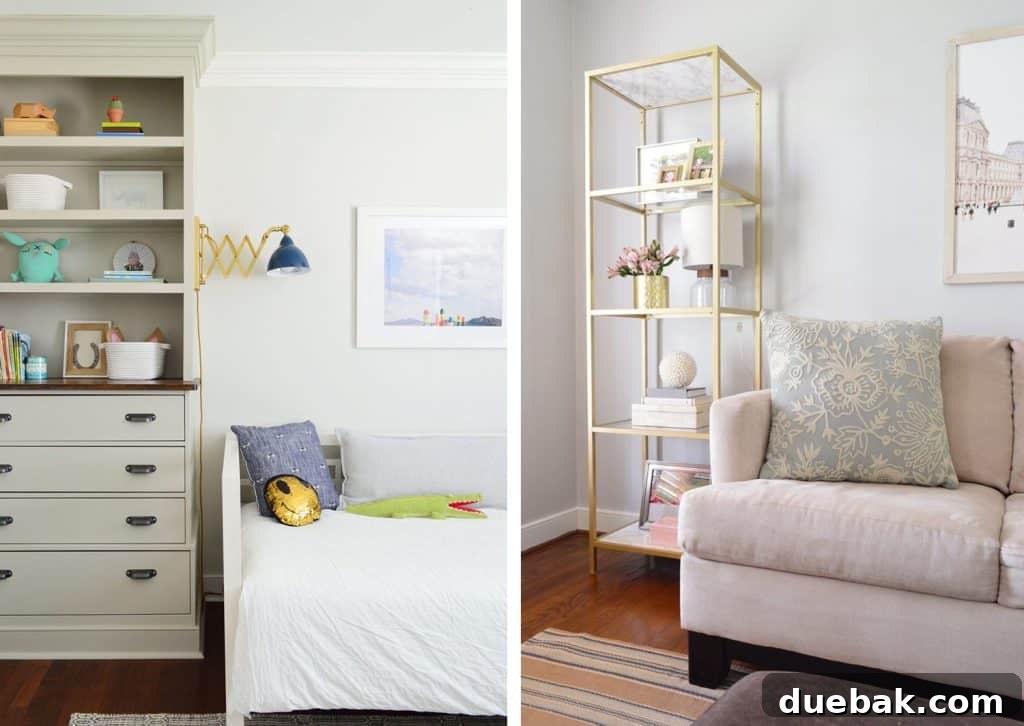
- Adding brass & marble to a Vittsjo shelf: Explore how a touch of luxurious brass and elegant marble can elevate a simple IKEA Vittsjo shelf, creating a chic and sophisticated display unit.
- Building a Malm dresser into a nook: Learn how to seamlessly integrate an IKEA Malm dresser into an existing alcove or nook, turning a standalone piece of furniture into a custom built-in feature.
- Creating a sleeping nook with Pax wardrobes: Discover an innovative approach to using Pax wardrobes to construct a cozy and functional sleeping nook, perfect for maximizing space in smaller rooms.
- Turning Fjell dressers into floor-to-ceiling bookcases: Witness the transformation of IKEA Fjell dressers into impressive floor-to-ceiling bookcases, providing extensive storage with a custom library feel.
*This post contains affiliate links, so we may earn a small commission when you make a purchase through links on our site at no additional cost to you.