
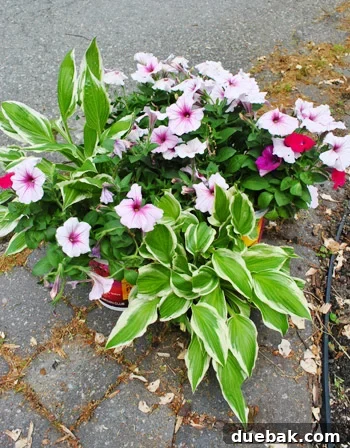
Welcome back, garden enthusiasts and home improvement seekers! We’re thrilled to share another chapter in our ongoing outdoor adventure, detailing a recent transformation that brings a touch of much-needed curb appeal to our front yard. As you might infer from the title, our latest endeavor revolves around the versatile and incredibly resilient hosta plant – a true hero in the world of shade gardening. This project began with a fortunate discovery: an abundance of extra hosta plants thriving (perhaps a little too enthusiastically) in a rather chaotic backyard garden bed. This particular bed, admittedly, is currently a “hot mess,” but its eventual overhaul is definitely on our long-term to-do list. For now, we focused on relocating these beautiful, leafy greens to areas where they could truly shine and make a significant visual impact.
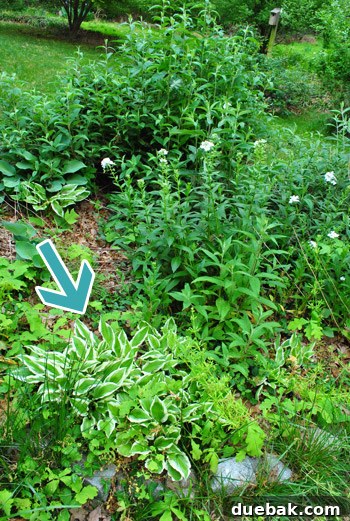
Given their somewhat neglected state in the backyard, these thriving hostas were ripe for relocation. We carefully dug up about five of them, envisioning new roles for these shade-loving perennials in our front landscape. Our primary target? The perpetually bedraggled mailbox area, which had become an eyesore, particularly with the explosion of weeds this past spring. This small, yet prominent, patch of ground often serves as the first impression visitors and passersby get of our home, and frankly, it was failing spectacularly.
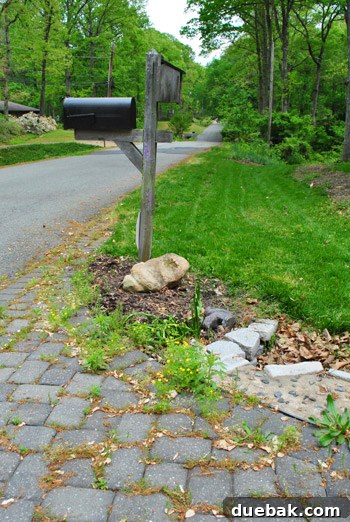
The previous residents of this small garden plot, a collection of mums, had sadly withered into a collection of dead sticks over the winter months, leaving a barren and uninviting space. And yes, we’re fully aware of the large, rather awkwardly placed rock; it mysteriously migrated from another part of the front yard and somehow landed there temporarily. Perhaps it was a desperate attempt to distract from the escalating weed problem? We’ll go with that explanation for now. Compounding the aesthetic distress was our beloved iron squirrel, “Squirrel-y,” who had completely toppled over behind a lone, spent daffodil. This sad scene was far from the welcoming “first impression” we aimed to convey to our neighbors and friends. It was clear a complete overhaul was not just desired, but necessary, to elevate our home’s curb appeal.
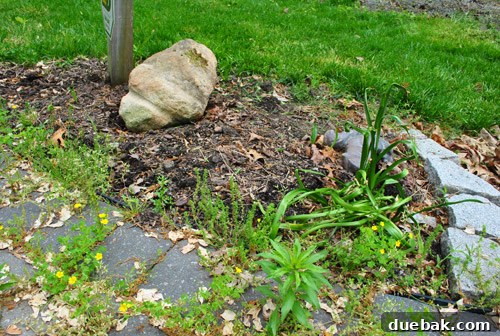
Our initial steps towards improving the area focused on some immediate, albeit temporary, tidying. We tackled the pervasive weeds that had crept into the driveway cracks, an effort that, surprisingly, yielded a significant visual improvement. With the weeds banished, the area immediately began to look cleaner and more intentional. Squirrel-y, our fallen friend, was temporarily relocated to the safety of the liriope, awaiting his permanent place of honor in the revitalized garden. This small act of clearing and repositioning felt like a foundational step, preparing the ground for the more substantial planting work to come and setting a positive tone for the entire outdoor project.
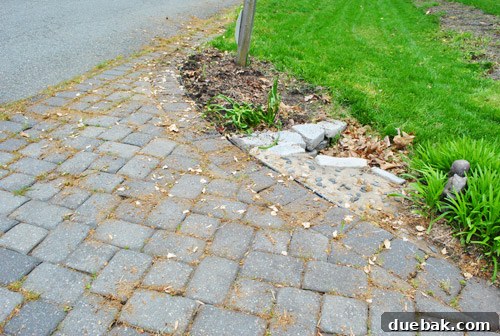
We’ve long admired the expert insights from Katherine The Landscape Gal, whose advice often guides our landscaping decisions. Her recommendation for the mailbox bed was clear: either expand its size significantly or allow it to be completely filled in with grass or a suitable ground cover. While Katherine’s wisdom is undeniable, and we fully intend to heed it in the future, the sheer energy required to dig up a larger plant bed at this precise moment was simply beyond our capacity. We also harbored fond memories of how beautifully the petunias bloomed there last year, providing a vibrant splash of color. So, for the immediate term, we opted for a more manageable solution. However, we’re firmly committed to expanding this bed next year, aiming for a more generously sized and gracefully curved design that will undoubtedly enhance its charm and elevate our home’s curb appeal to new heights.
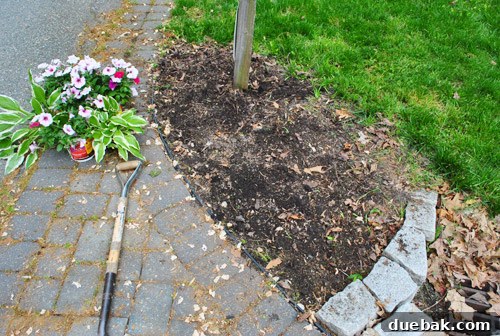
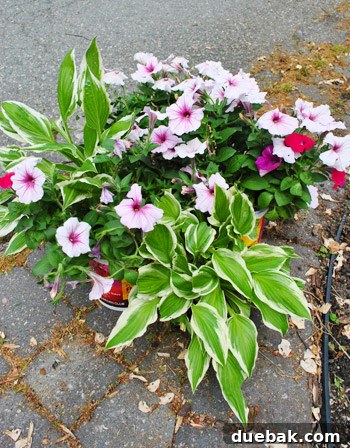
With our plans solidified for the interim, we headed to Home Depot and procured three pots of vibrant petunias, known for their abundant blooms and relatively easy care. These annuals would provide the instant color we craved, complementing the structural elegance of the transplanted hostas. Combining the newly acquired petunias with the hostas we had carefully excavated from the backyard, we commenced the planting process. We meticulously arranged the plants, considering their mature size and light requirements, ensuring each had adequate space to thrive. The goal was to create a balanced and visually appealing arrangement that would contribute positively to the overall aesthetic of our front yard, enhancing its beauty and welcoming charm.
Here it is: our freshly planted little arrangement around the mailbox. At present, it appears a bit spaced out, but this is a deliberate design choice, allowing room for growth. Drawing upon our experience with how well flowers flourish in this particular spot, we are incredibly optimistic that this garden bed will fill in beautifully within the next month or two. The petunias will spread their cheerful blossoms, creating a cascade of color, while the hostas will expand their lush foliage, providing a robust, verdant backdrop. This thoughtful spacing ensures that as the plants mature, they won’t compete for resources, leading to a healthier, more vibrant display. We’re eagerly anticipating the transformation as these young plants settle in and begin to truly thrive, enhancing the curb appeal of our home dramatically.
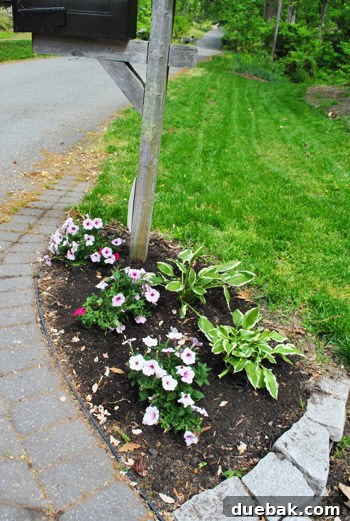
And, as any seasoned gardener knows, a fresh layer of mulch is always the perfect finishing touch. Not only does it provide a clean, polished look, but it also offers numerous benefits for the plants and soil, such as moisture retention, weed suppression, and temperature regulation. However, with the mulch now in place, it becomes achingly clear that Katherine’s initial advice was spot on – this charming little garden would indeed look infinitely better if it were larger. The current small footprint, though improved, still feels a tad constrained against the backdrop of the house and driveway. This visual reinforces our commitment to eventually expanding the bed, creating a more expansive and flowing landscape feature that truly complements the architecture of our home. Someday, we’ll get there, and the vision of a grander, more integrated garden bed fuels our future landscaping ambitions.
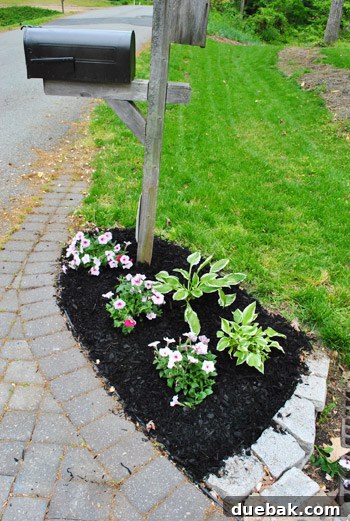
Despite its current size limitations, one thing is undeniably true: it looks significantly better than the ridiculous, overgrown mess it was just a short while ago. The transformation is striking, moving from an unkempt and forgotten patch to a vibrant, cared-for garden space. This immediate improvement, even in its modest scale, brings a sense of pride and visual relief. It proves that even small, focused efforts can yield dramatic results in home landscaping, creating a more inviting and aesthetically pleasing environment. The difference is night and day, and we’re thrilled with the immediate positive impact this project has had on our home’s exterior.
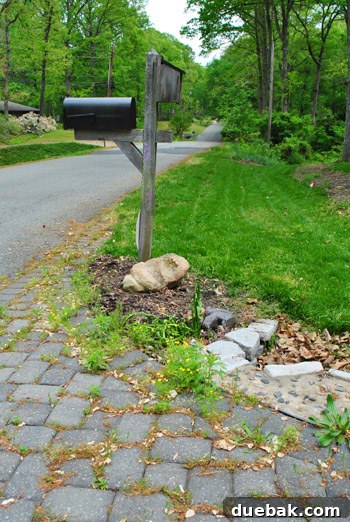
With the mailbox garden successfully updated, we still had a handful of hostas remaining, patiently awaiting a new home. Our gaze then shifted to another neglected area: a still-blank spot within our main front planting bed. This particular section of the garden had been detailed in a previous post, where we discussed our aspirations for enhancing its curb appeal (you can read more about it here). This blank canvas presented the perfect opportunity to utilize our leftover hostas, allowing them to contribute to a cohesive and layered landscape design. Their lush foliage would provide an excellent foundation, filling in the empty spaces and adding a touch of sophisticated greenery to an otherwise uninspired patch of earth, further unifying our front yard aesthetics.
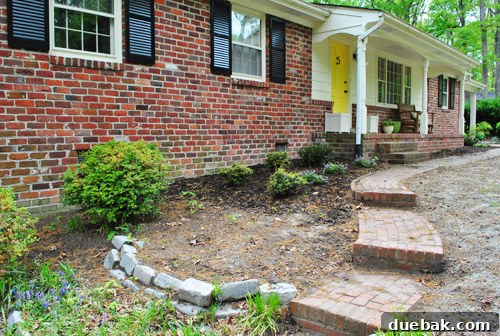
Ta-dah! With the hostas now nestled into their new home, this previously bare section of our front planting bed instantly gained depth and texture. The vibrant green foliage of the hostas immediately softened the edges of the bed and introduced a much-needed organic element. This simple addition completely transformed the visual appeal, moving from stark emptiness to a promising display of burgeoning plant life. It’s a testament to how even a few well-placed plants can dramatically alter the perception of a landscape, making it appear more mature, thoughtful, and well-maintained. The difference is quite remarkable.
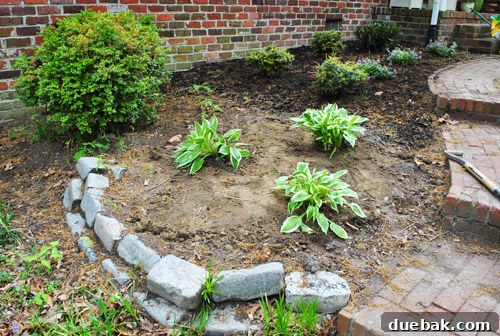
No, wait. Here’s the real “ta-dah” moment – again, thanks to the undeniable power of fresh mulch! While the hostas themselves made a significant impact, the generous application of mulch truly elevated the entire area. It provides a uniform, dark backdrop that makes the green foliage pop, creating a striking contrast. However, this image also offers a candid glimpse into the reality of outdoor maintenance: it perfectly illustrates how quickly mulch can fade after just a few weeks of exposure to direct sunlight and environmental factors like pollen. Haha! This fading often leaves a dorky “mulch-tan-line,” a distinct visual difference between the freshly applied layer and the older, weathered sections. Thankfully, this temporary cosmetic issue won’t last long, as the mulch will gradually blend and settle, continuing to protect our plants while maintaining its aesthetic appeal for the season.
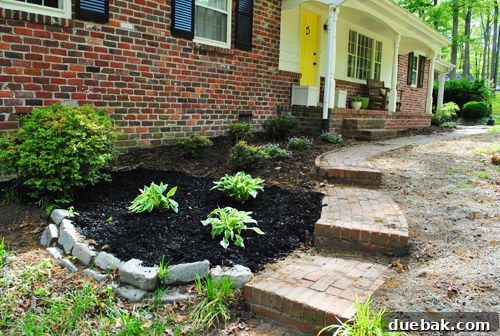
We often get asked about the specific type of mulch we use, and our go-to choice is always the darkest brown wood mulch available at Home Depot. It’s typically sold at an attractive promotional price, something like three bags for $7, which makes it an economical option for smaller projects. This dark mulch provides a rich, earthy contrast that truly enhances the vibrant greens of our foliage plants. However, as we continue to develop and establish these garden beds – hopefully, reaching a more permanent state by next spring – we’re keen to explore the possibility of a bulk mulch delivery. We’ve heard from many fellow gardeners that purchasing mulch by the truckload can be significantly more cost-effective than buying individual bags, especially for larger landscaping endeavors. This strategic shift will not only save money but also reduce the time and effort involved in transporting and spreading countless bags, making our future gardening projects more efficient and sustainable.
Regarding our newly planted hostas, rest assured that their somewhat diminutive appearance is purely temporary. These resilient plants are known for their impressive growth, expanding significantly well into the summer months and often reaching widths of 20 inches or more. Soon, they will mature into lush, giant specimens, providing substantial ground cover and a dramatic visual presence in our front beds. The area is undoubtedly looking much better now that we’ve extended our new plantings, creating a more cohesive and filled-in landscape. However, what will truly transform this space, taking it to the next level of curb appeal, is still in the works. Perhaps the rendering below will give you a tantalizing hint of our upcoming, even more ambitious, landscaping project…
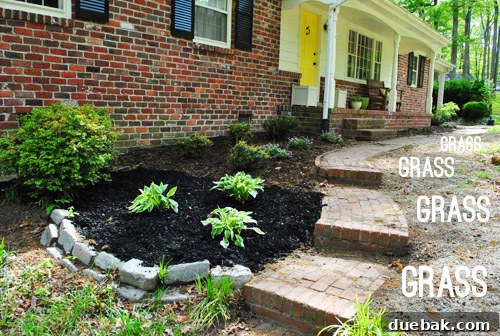
Okay, perhaps that was more than just a hint! We’re incredibly excited to reveal that the vision depicted in the rendering – a beautifully manicured, expansive lawn – is actually already starting to come to fruition. The new grass is taking root, and the landscape is rapidly evolving. I simply haven’t had the chance to perform the initial mow and capture proper, post-transformation photographs yet. But rest assured, that will be a compelling topic for another blog post soon! In the meantime, we’d love to hear from our wonderful readers: Have any of you recently used transplanted bushes or flowers to revitalize your landscape? And are you as big a fan of hostas as we are? They are hands down one of our absolute favorite shade plants; we haven’t managed to kill a single one yet, which speaks volumes about their incredible hardiness! Moreover, they seem to pop up randomly around our yard, a delightful phenomenon that also occurred at our first home. This gives us a little thrill, knowing we don’t have to shell out $5-7 for them at the store, as they simply seem to sprout up on a whim, offering a continuous supply of beautiful, free greenery.
And let me tell you, these hosta dudes are truly incredibly hard to kill. I have a true story to back this up: we once discovered a hosta plant in a pot, inside a large, sealed Tupperware bin in our basement. This was approximately two months after we had placed it there during a move. To our absolute astonishment, it was growing without any light or water! We had assumed the pot was just dirt when we haphazardly tossed it into the bin with other items. Then, in the spring, it miraculously began to sprout right inside the sealed Tupperware. We literally laughed for about five minutes when we found it. It was nothing short of a hosta miracle, I tell ya, a testament to their almost unbelievable resilience and will to thrive against all odds. These plants are a dream for anyone looking for low-maintenance, high-impact greenery in their garden.
Psst- We really should update this master list of outside tasks (it feels like we’re inching along out there, but we actually have a bunch we can cross off now). Keeping track of our progress helps us stay motivated and appreciate how much we’re achieving in transforming our outdoor spaces!