
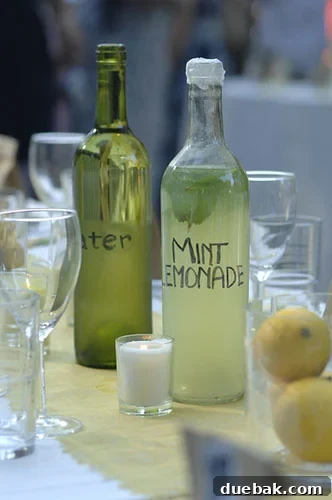
Unlock a world of creative possibilities right from your recycling bin! For years, we’ve been transforming mundane glass bottles into elegant, functional, and completely free decorative pieces. This simple yet incredibly rewarding DIY project began for our wedding back in 2007, when we envisioned charming water, lemonade, and sweet tea carafes adorning every table. To achieve this, we even partnered with a local wine store, who graciously saved bottles from their wine tastings, allowing us to amass a substantial collection without spending a single cent. The secret to their transformation? A surprisingly straightforward method for removing stubborn labels, which we’re excited to share with you today. This comprehensive guide will walk you through every step, ensuring you can easily repurpose glass bottles into beautiful additions for your home, all while embracing a sustainable and budget-friendly approach to home decor.

Our journey into repurposing began with a clear vision for our wedding: personalized, rustic carafes that would add a unique touch to each guest’s table setting. Wine and Pellegrino bottles, with their varied shapes and sizes, seemed like the perfect candidates. The only hurdle was the labels. Experimenting with various techniques, from scraping to harsh chemicals, yielded mixed results. We discovered that many online tutorials overcomplicate the process or suggest methods that can damage the glass or leave unsightly residue. Our goal was to find an efficient, safe, and universally applicable solution that could work for a large volume of bottles, ensuring a smooth and stress-free preparation for our big day. This led us to refine a method that proved to be not only effective but also incredibly simple, making bottle label removal accessible to everyone, regardless of their DIY experience.

When it came to efficiently stripping the labels, we experimented with a few different approaches, but in the end, nothing worked better than a simple, hour-long soaking session in hot water. This technique proved to be consistently reliable across various types of labels and adhesives, making it our go-to method for preparing bottles for repurposing. The magic of hot water lies in its ability to soften the paper label and loosen the adhesive without damaging the glass. As the bottles soak, the hot water penetrates the paper, allowing the glue to become pliable and lose its grip. For optimal results, ensure the water is hot but not boiling, and submerge the bottles completely. After their soothing warm bath, a good scrubbing with a textured sponge, a scouring pad, or even just your fingernails (gently, of course!) is usually all it takes. You’ll find that after a thorough soak, most labels simply slip right off with minimal effort, leaving behind a surprisingly clean surface.

Even with the most effective soaking, some stubborn adhesive residue might linger on the glass. This is where a little extra help comes in handy. If there’s still some sticky goo, a dab of Goo Gone can be introduced. Goo Gone is specifically formulated to dissolve sticky residues, making it highly effective for this task. However, if you prefer natural or readily available household alternatives, several options work just as well. Olive oil is a fantastic natural degreaser; simply apply a small amount to the residue, let it sit for a few minutes to break down the adhesive, then scrub it off. Nail polish remover (acetone-based) can also be effective for tougher glues, but use it sparingly and in a well-ventilated area, as it can be quite potent. Citrus juice, like lemon or orange oil, also boasts natural degreasing properties and leaves a pleasant scent. Usually, the initial soak and scrub approach does the trick on its own, but having these backup solutions ensures a perfectly clean, label-free surface every time. This method isn’t an ancient memory for us; two years later, we’re still saving beautiful bottles and removing their labels to create an ever-growing collection of free glass vases that we love to group on a tray in the sunroom, adding a touch of rustic elegance to our living space.
The benefits of upcycling glass bottles extend far beyond just saving money. Embracing bottle repurposing is a powerful step towards sustainable living and reducing waste. Every bottle you transform is one less item in a landfill and one more unique piece of decor in your home. This eco-friendly practice allows you to express your creativity while making a positive impact on the environment. Beyond environmental consciousness, there’s immense satisfaction in crafting something beautiful and functional from an item that would otherwise be discarded. These repurposed bottles offer endless possibilities for personalization, allowing you to match them to your unique style, whether you prefer minimalist aesthetics, vibrant splashes of color, or rustic charm. They become conversation starters, reflecting a thoughtful approach to home design that values ingenuity and sustainability.
Once your bottles are sparkling clean and label-free, their potential is truly limitless. As we discovered, they make stunning vases for fresh flowers, dried botanicals, or even simple greenery, bringing life and color into any room. Imagine a cluster of varying bottle shapes and sizes, each holding a single bloom, creating a captivating centerpiece. They are also perfect as charming carafes for water, iced tea, lemonade, or even a casual wine service when entertaining guests, as they were at our wedding. For a touch of ambiance, consider transforming them into elegant candle holders, though always ensure safety by using appropriate candle inserts or flameless LED candles. In the kitchen, they can store dry goods like rice, pasta, or spices, adding a uniform and stylish look to your pantry shelves. Beyond the practical, these bottles excel as pure decorative accents. You can paint them, wrap them in twine, fill them with fairy lights, or simply group them by color and shape to create an artistic display. They can be used to add a few pops of green color to the floating shelves in the living room, enhancing the overall aesthetic with a touch of nature and thoughtful design.

To ensure your label removal process is always a success, keep a few tips in mind. While most wine and Pellegrino bottles respond well to the hot water soak, some craft beers or specialty beverage bottles might have extremely tough, plastic-coated labels. For these, a longer soak or a more direct application of a degreasing agent might be necessary. Always exercise patience; rushing the process can leave you with sticky bits or torn labels that are harder to remove. After stripping the labels and any residue, give your bottles a thorough wash with soap and water to remove any lingering oils or cleaning agents, ensuring they are perfectly clean for their new purpose. If you plan to use them for beverages or food, a sterilization step is recommended. Finally, explore different bottle shapes and sizes! Each one offers a unique aesthetic and can serve a different function, encouraging you to look at every empty bottle not as trash, but as a blank canvas awaiting transformation. This simple act of repurposing can not only declutter your recycling bin but also infuse your home with unique, handcrafted charm.
So there you have it – a little fast and easy label-removing tutorial that may just help you repurpose some of the beautiful things that could already be in your recycling bin at this very moment. This project isn’t just about cleaning bottles; it’s about embracing a mindset of creativity, sustainability, and resourcefulness. Transforming everyday items into cherished decor is an incredibly fulfilling endeavor that adds personal character to your home without breaking the bank. Long live free decor – especially when it’s so easy to strip down, clean up, and reinvent into something truly special!