
Transform Your Bedroom: An Easy DIY Upholstered Headboard Tutorial
Ever gazed at a beautifully upholstered headboard and thought, “I could never make that”? Think again! We’re here to demystify the process and show you just how simple it is to create a stunning, custom headboard for your bedroom. Whether you’re looking to refresh your decor, add a touch of luxury, or simply want a personalized piece that truly reflects your style, a DIY upholstered headboard is the perfect project. It’s budget-friendly, incredibly rewarding, and surprisingly easy – if you can wrap a present, you can absolutely upholster a headboard. Seriously, it’s that straightforward!
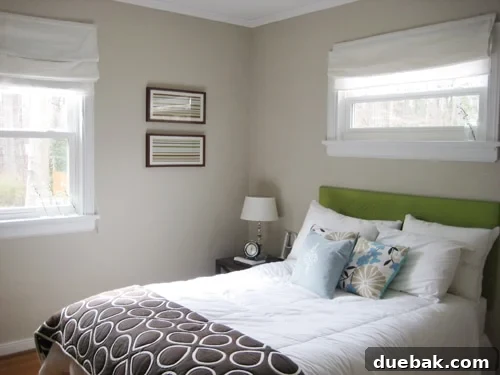
This comprehensive guide was inspired by the overwhelming interest in the plush green headboard in our guest bedroom. The demand for a tutorial was so high, we decided to bring you along for a step-by-step journey. And to make it even more engaging, we teamed up with John’s sister, Emily, who was eager to craft a delightful pink headboard for her daughter Olivia’s room. This meant we could demonstrate the entire process live, showing firsthand how achievable and fun this project can be for anyone, regardless of their DIY experience. Prepare to be amazed at how quickly you can transform your sleeping space into a stylish sanctuary!
Gather Your Essential Supplies: What You’ll Need for Your DIY Headboard
Before diving into the creative process, it’s crucial to gather all your materials. Having everything on hand will ensure a smooth and efficient crafting experience. Here’s a detailed list of what you’ll need, along with some helpful tips for selecting the right items:
- Wooden Canvas Frame (Stretcher Bars): This is the foundation of your lightweight headboard. Visit a dedicated art supply store, not a general craft store, as they’ll have the specialized wooden stretcher bars designed for canvas.
- Size Selection: Aim for a frame that matches the exact width of your bed (e.g., twin, full, queen, king). The height, however, is entirely up to your personal preference and design vision. A fantastic tip for determining the ideal height is to use painter’s tape on your wall to mark different heights until you find one that aesthetically pleasing and proportionate to your room.
- Fabric: Choose a fabric that complements your bedroom decor and expresses your personal style. You’ll need enough fabric to cover the entire canvas frame, plus a few extra inches (typically 3-4 inches) on all sides for wrapping and stapling.
- Fabric Type: Consider durable upholstery fabrics, cotton, linen, velvet, or even a fun patterned fabric like polka dots or stripes. Think about maintenance and how much wear and tear your headboard might endure.
- Shopping Tip: Don’t overlook the remnant sections of high-end fabric stores! You can often find incredible deals on luxurious, designer fabrics that are more than enough for a headboard project, significantly cutting down costs.
- Batting: This provides the plushness and softness to your headboard. You’ll need the same amount of batting as fabric, with a few extra inches for wrapping.
- Thickness: Batting comes in various thicknesses. The thicker the batting, the plusher and more luxurious your headboard will feel. Experiment with different densities if you want to achieve a specific look or comfort level.
- Staple Gun: An absolute essential for this project.
- Manual vs. Electric: A manual staple gun is perfectly adequate and affordable (you can find one for about $12 at hardware stores like Lowe’s). If you plan on doing more upholstery projects or have wrist issues, an electric staple gun can save you effort, but it’s not strictly necessary for this project. Make sure you have plenty of staples!
- Scissors: A good, sharp pair of fabric scissors will make cutting your fabric and batting much easier and more precise.
- Measuring Tape: For accurate measurements of your frame, fabric, and batting.
- Pencil or Fabric Marker: For marking cut lines.
- Level: Crucial for ensuring your finished headboard hangs perfectly straight on the wall.
*Pro Tip for Durability: If you’re looking for an extremely durable headboard, perhaps for a child’s room or for those who frequently lean against it to read, consider substituting the wooden canvas frame with a piece of plywood. While it will be stiffer, heavier, and a bit trickier to hang (requiring more robust hardware like a French cleat or heavy-duty D-rings), a plywood base is virtually indestructible and offers exceptional longevity. This choice is ideal for high-traffic areas or for ensuring a headboard stands the test of time against boisterous children.
Step-by-Step Guide: Crafting Your Upholstered Headboard
Step 1: Applying the Batting for a Soft Foundation
The first step is to create the soft, padded foundation of your headboard using batting. This is where the plushness truly comes to life, so take your time to ensure a smooth, even application.
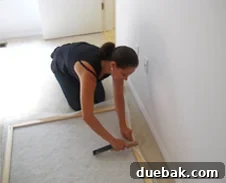
Begin by cutting your batting. Lay your wooden canvas frame flat on a clean surface. Place the batting over the frame and cut it so that it’s a few inches larger than the frame on all sides – roughly 3 to 4 inches of excess beyond each edge. This extra material is necessary for wrapping it securely around to the back of the frame.
Now, carefully center the frame on the batting. Gently pull the batting around to the back of the frame, ensuring it’s taut but not overly stretched, as this could distort the padding. To achieve a perfectly tight and straight fit, start by stapling the batting in the middle of each side. Imagine the frame as a clock face: staple at the 12 o’clock position, then the 3 o’clock, 6 o’clock, and finally the 9 o’clock position. This “quarter-point” method helps distribute tension evenly, preventing shifting or loosening that can occur if you simply start from one end and work your way around. By securing the center points first, you establish a firm anchor for the rest of the batting.
Once your initial four staples are in place, continue stapling the batting around the entire perimeter of the frame. Place staples every two to three inches, maintaining consistent tension as you go. As you approach the corners, treat them as if you’re wrapping a gift. Smoothly fold the batting over the corners, creating neat, flat edges on the front side, and staple the folds securely to the back of the frame. The goal here is a snug and secure fit, free of any bumps or wrinkles on the front surface. Run your hand over the front to check for any inconsistencies; a smooth, inviting surface is what you’re aiming for.
Step 2: Upholstering with Your Chosen Fabric
With the batting smoothly applied, it’s time for the exciting part: adding your chosen fabric! This step is where your headboard truly comes to life and gains its distinctive character. Precision here is key, especially if you’re working with a patterned fabric.
Just like with the batting, cut your fabric a few inches larger than the frame on all sides – again, about 3 to 4 inches of excess. Lay your batting-covered frame face down on a clean, flat surface. Carefully center your fabric over the frame, ensuring that any pattern is perfectly aligned and straight. If your fabric has stripes, geometric shapes, or any specific design, take extra care to line it up symmetrically on the headboard’s front. This attention to detail will significantly enhance the professional look of your finished project.
Now, follow the same stapling technique you used for the batting. Begin by pulling the fabric taut around to the back of the frame and securing it with staples at the 12 o’clock, 3 o’clock, 6 o’clock, and 9 o’clock positions. This ensures the fabric is evenly stretched and prevents any shifting or wrinkling as you proceed. As you staple, constantly check the front of the headboard to make sure the fabric remains smooth, unwrinkled, and that the pattern (if any) is still perfectly straight.
Continue stapling every two to three inches around the frame, pulling the fabric taut before each staple. When you reach the corners, imagine you’re wrapping a beautifully presented gift. Smoothly fold the excess fabric inward, creating a crisp, neat diagonal line on the corner. Then, fold the remaining fabric over, making a tight, clean edge that will be invisible from the front. Staple these folds securely to the back of the frame. The goal is to minimize bulk and create a seamless, professional finish that mirrors high-end upholstery work.
Don’t be nervous about making mistakes! Staples are incredibly easy to remove with a flathead screwdriver or staple remover. If you need to readjust a section, simply un-staple, smooth, and re-staple. A do-over or two is completely normal and part of the learning process, ensuring you achieve a flawless finish.
Step 3: Effortlessly Hanging Your Custom Headboard
One of the greatest advantages of using a wooden canvas frame for your headboard is its incredible lightness. This makes hanging your newly upholstered masterpiece an absolute breeze – much like hanging a large picture frame, requiring minimal effort and hardware. No complex mounting systems or heavy-duty anchors are typically needed!
To hang your headboard, all you’ll generally need are two sturdy nails or picture hooks placed strategically on your wall. The wooden stretcher bars of the canvas frame are designed to hook directly over these points. Here’s how to ensure a perfectly straight and secure installation:
- Measure and Mark: First, decide on the exact height you want your headboard to sit above your bed. Use your measuring tape and a pencil to mark the desired top edge of your headboard on the wall.
- Determine Hanging Points: Hold your headboard against the wall at your marked height. Using a pencil, lightly mark on the wall where the top corners or specific points on the back of the frame (where the stretcher bars meet) would rest on the nails.
- Ensure Levelness: This is a crucial step for a professional look. Place your level across the two marked points where your nails will go. Adjust the marks as needed until the level bubble indicates a perfectly horizontal line. This guarantees your headboard will hang straight.
- Insert Nails/Hooks: Carefully hammer your two nails or screw in your picture hooks at the precisely leveled marks. Ensure they are strong enough to support the headboard, though its lightweight nature means most standard wall anchors or sturdy nails will suffice.
- Hang and Admire: Gently lift your upholstered headboard and hook the top edge of its frame over the installed nails or hooks. Step back and check your work. A perfectly leveled headboard instantly elevates the entire room’s aesthetic. Look how adorable Olivia’s new headboard looks in place – truly charming!
If you opted for the heavier plywood frame alternative, the hanging process will require different hardware. For plywood, consider using a French cleat system for robust, level support, or heavy-duty D-rings securely screwed into the back of the plywood, paired with wall anchors designed for heavier loads. Always follow the manufacturer’s instructions for any specialized hanging hardware.
Step 4: Revel in Your Stylish New Creation!
Congratulations! You’ve successfully completed your DIY upholstered headboard. Now comes the best part: stepping back and admiring your hard work. This isn’t just a piece of furniture; it’s a statement of your creativity, a testament to your hands-on spirit, and a unique focal point that instantly transforms your bedroom.
Take a moment to truly appreciate the plush texture, the perfectly chosen fabric, and the satisfaction of knowing you crafted this beautiful piece yourself. Olivia absolutely adores her “plush pink palace,” and her new polka dot headboard provides the perfect punch of personality to her room. (Say that three times fast!). It brings a playful yet sophisticated touch that store-bought items often lack.
Beyond its aesthetic appeal, your new headboard offers a comfortable backrest for reading, lounging, or enjoying a leisurely breakfast in bed. It elevates the entire ambiance of your bedroom, making it feel more luxurious, inviting, and uniquely “you.” Consider styling your bed with complementary pillows and throws to complete the look, drawing out colors or patterns from your headboard fabric. This simple DIY project has an enormous impact on the overall feel and design of your space, proving that personalization truly makes a house a home.
Bonus Fabric Shopping Secrets: Score Amazing Deals!
So there you have it – headboard upholstery 101, proving that a custom, designer-quality headboard is well within your reach. But we can’t let you go without sharing one of our favorite insider tips for snagging fabulous fabric without breaking the bank: visit the fancy fabric store in your neighborhood!
Every town has one – that upscale fabric shop where interior designers source their materials. In Richmond, for example, it’s Williams & Sherrill. This might seem like a surprising suggestion from self-proclaimed bargain hunters like us, but trust us, it’s where the magic happens. These stores often have a hidden gem: the remnant section.
The remnant section is typically a table or bin brimming with leftover pieces of high-quality, often designer, fabrics that have been dramatically marked down. These aren’t scraps; they’re usually one to two-yard pieces – which is more than enough fabric for this headboard project! Because they’re “leftovers” from larger orders, stores want to move them quickly, offering them at incredibly reduced prices. You get the benefit of premium fabric quality and unique patterns at a fraction of the original cost.
For Olivia’s headboard, Emily and I were thrilled to find two yards of this thick, woven Swiss dot fabric, originally priced at $24 per yard. We snatched it up for around $19 total – that’s a massive score! This savvy shopping strategy allows you to infuse luxury and distinctive style into your DIY projects without the hefty price tag. Always ask staff if they have a remnant section, even if you don’t immediately see one. You might just uncover the perfect fabric for your next project, elevating your home decor on a budget.
Unleash More Creativity: Explore Other DIY Headboard Tutorials
Felt inspired by this project? The world of DIY headboards is vast and full of possibilities! Once you’ve mastered the basic upholstery techniques, you’ll be ready to tackle more intricate designs and customize further. If you’re eager for more DIY headboard ideas and want to expand your skills, check out these other creative projects we’ve crafted using similar foundational techniques:
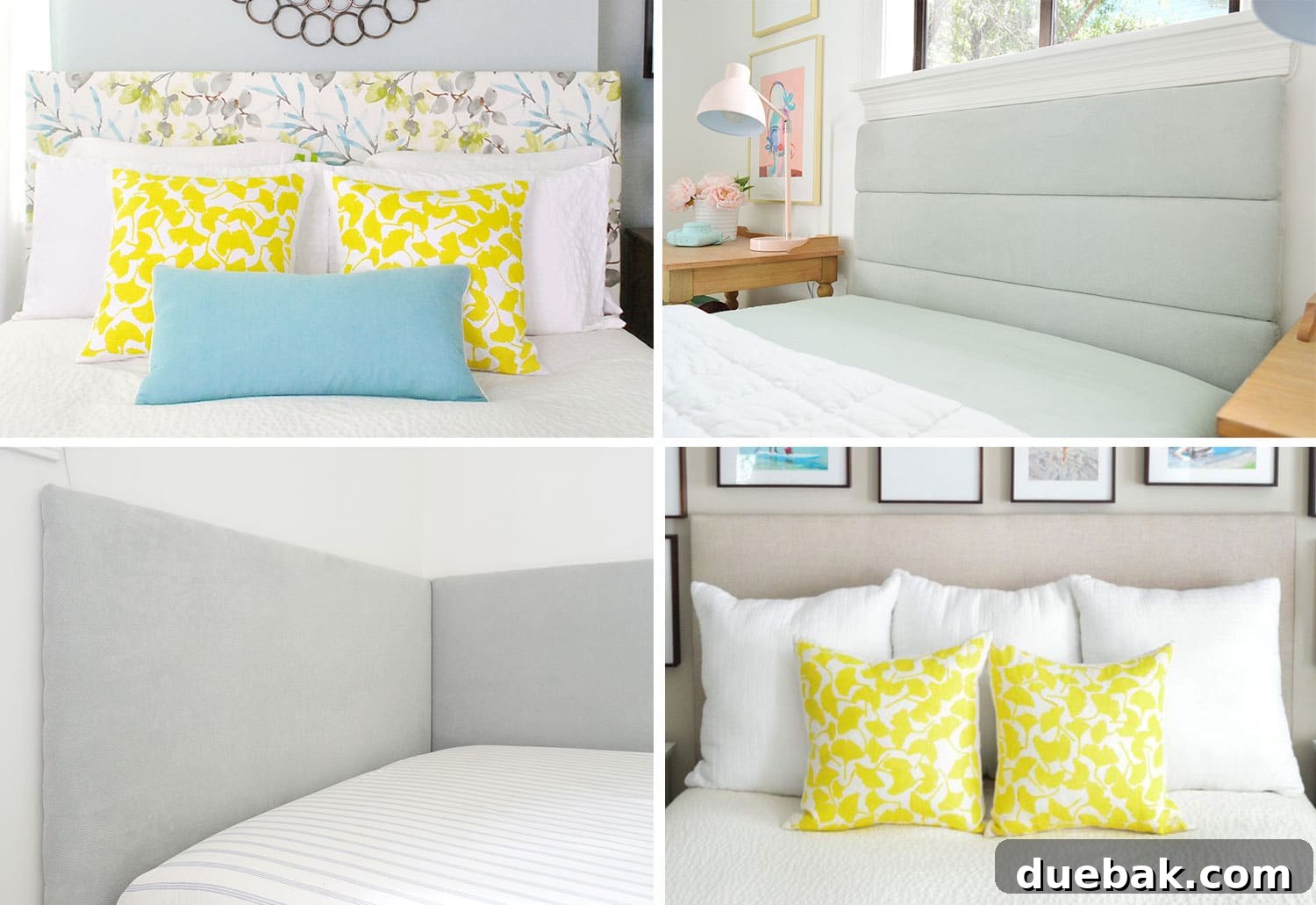
- Adding an upholstered headboard to an existing bed’s headboard: Learn how to enhance your current bed frame with a plush, upholstered addition, giving it a whole new look without replacing the entire piece.
- Making a channel tufted headboard: Dive into a slightly more advanced technique to create a chic, sophisticated headboard with elegant vertical channels, adding texture and a high-end feel.
- Creating a multisided upholstered headboard for a daybed: Discover how to design and construct a versatile, upholstered headboard that wraps around multiple sides of a daybed, perfect for maximizing comfort and style in a kids’ room or guest space.
Each project builds upon core upholstery skills, offering new challenges and rewarding results. Happy crafting, and we can’t wait to see what amazing headboards you create!