
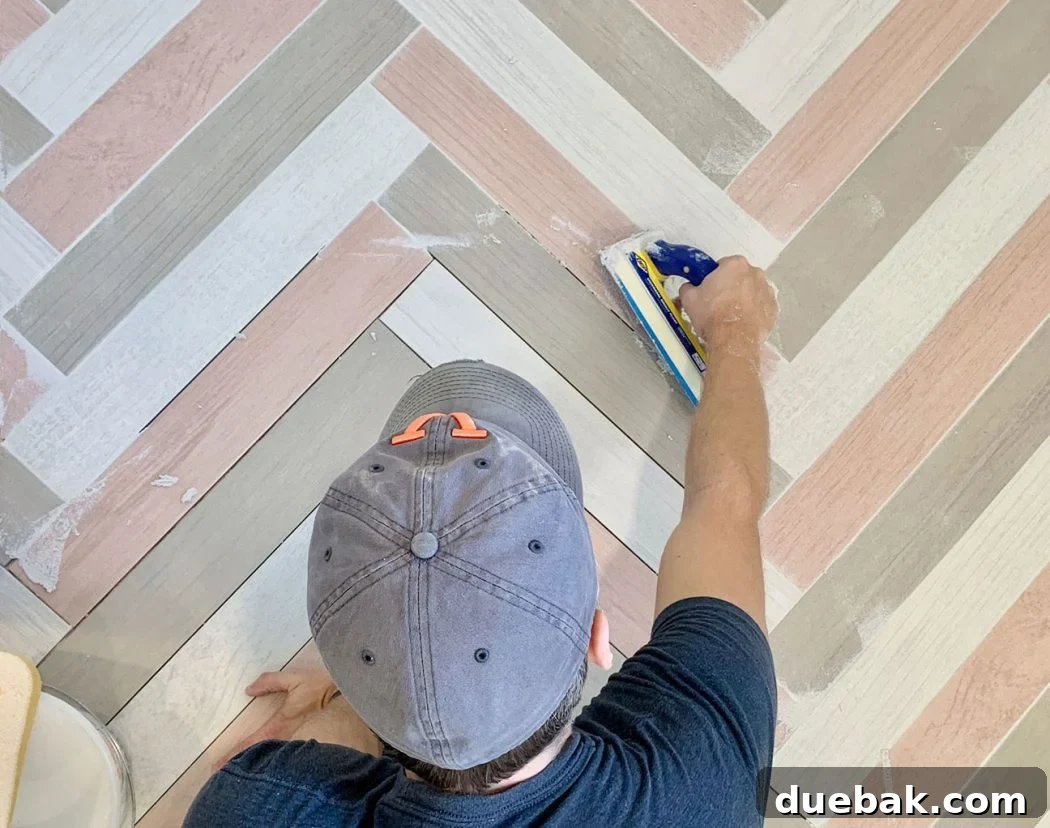
Embarking on a tiling project can be both exciting and daunting, but one secret weapon can transform your experience: Mapei Flexcolor CQ Grout. Mark this name, commit it to memory, because this product is a game-changer for anyone tackling tile installation, from seasoned DIYers to first-timers.
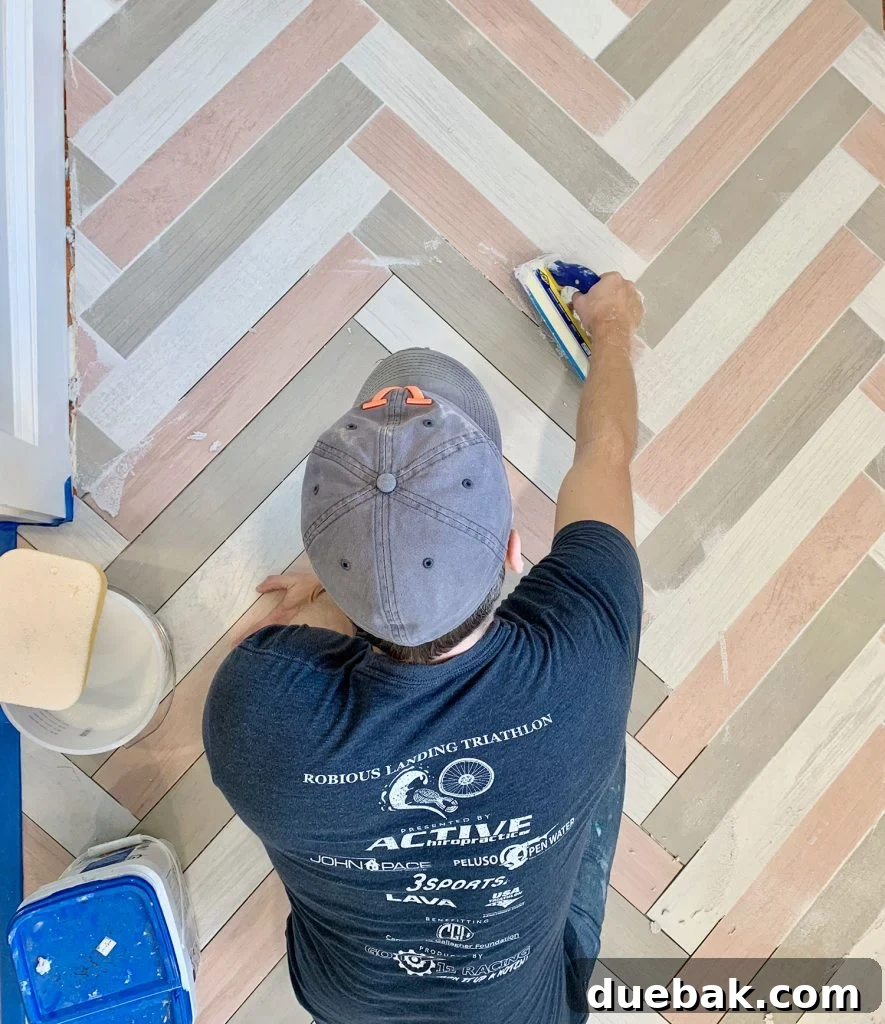
We understand if this sounds like an exaggeration, but after years of extensive tiling – including seven bathroom floors, three showers, three mudrooms, and two kitchen backsplashes – we can unequivocally state that Mapei Flexcolor CQ grout has revolutionized our approach. This isn’t a sponsored endorsement from Mapei or Floor & Decor, where we typically purchase our supplies. It’s simply an honest, enthusiastic testament to a product that consistently delivers superior results and simplifies an otherwise complex process.
Discover the Unrivaled Benefits of Mapei Flexcolor CQ Grout
In this comprehensive guide, we’ll delve into the specific reasons why Mapei Flexcolor CQ has earned our unwavering loyalty. We’ll cover its revolutionary features, share our top tips for selecting the perfect grout color (including our tried-and-true shade that works almost every time), and even reveal a clever trick to minimize dreaded grout haze. Get ready to transform your tiling projects from frustrating to fantastic!
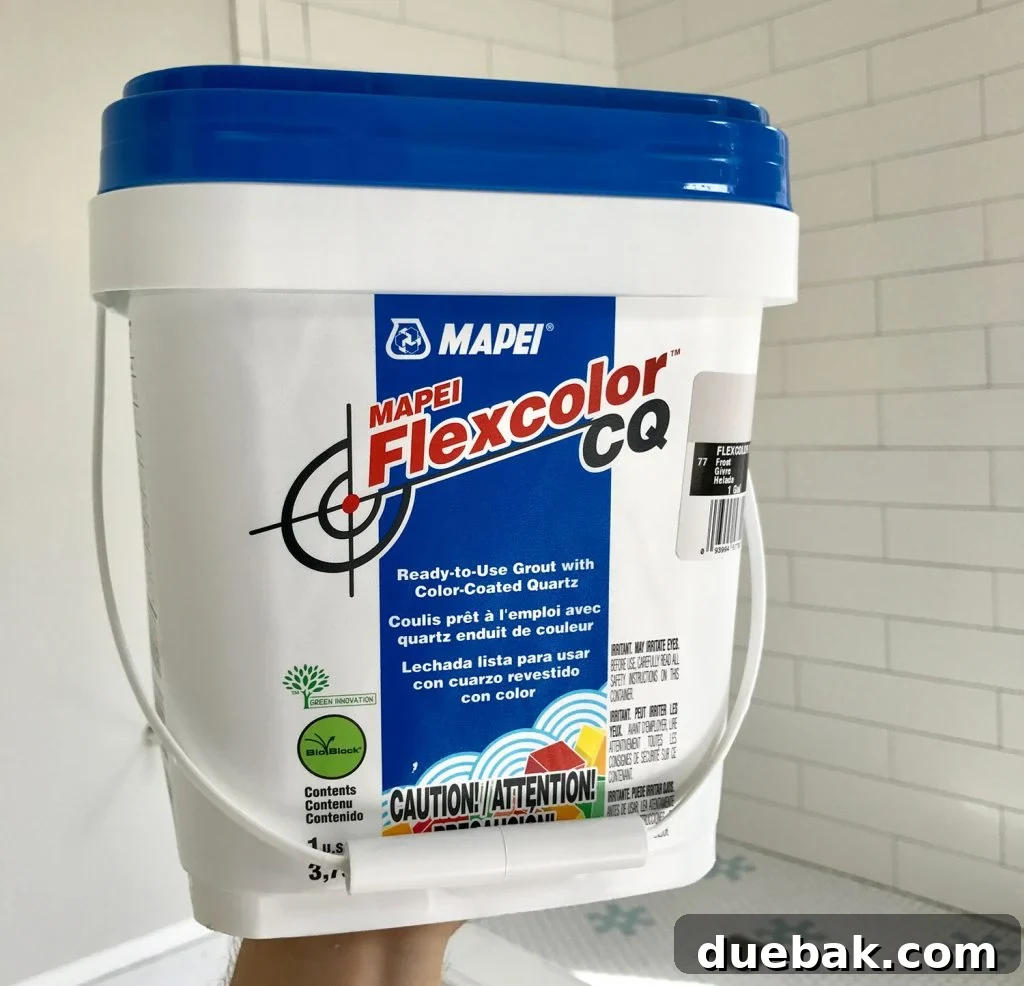
1. The Game-Changing Convenience of Premixed Grout
For anyone who has ever wrestled with traditional powdered grout, the appeal of a premixed formula needs little explanation. The conventional process involves a meticulous dance of measuring powder, adding liquid, stirring, and constantly adjusting until the elusive “perfect consistency” is achieved. This often leads to clouds of dust, uneven mixtures, and significant wasted time and effort. With Mapei Flexcolor CQ, all that fuss is eliminated. Simply open the tub, and you’re ready to start grouting immediately.
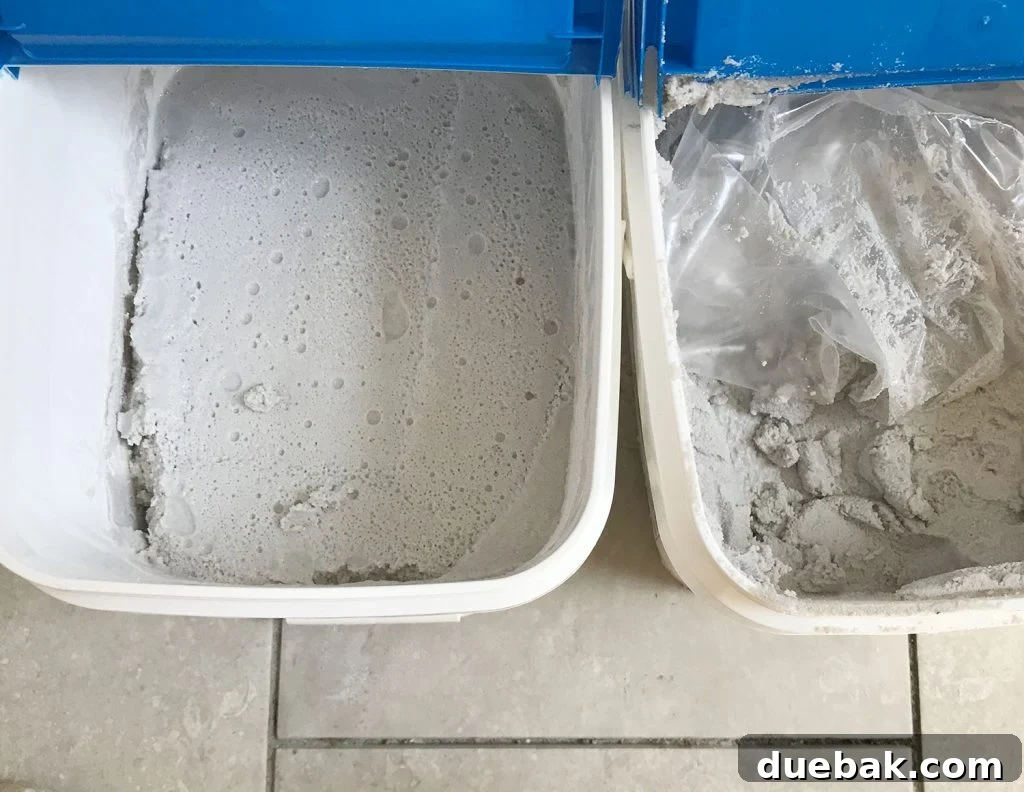
Beyond the immediate time-saving benefits, premixed grout offers another critical advantage: unparalleled color consistency. When mixing batches of powdered grout, slight variations in the water-to-powder ratio can lead to subtle but noticeable differences in the final dried color. We encountered this issue firsthand when grouting our covered back porch with a dark shade. Some sections dried lighter than others, a direct result of inconsistencies in our mixing process. This can be incredibly frustrating after investing significant time and labor. Mapei Flexcolor CQ eliminates this concern entirely, ensuring a uniform and professional finish across your entire tiled surface, batch after batch.
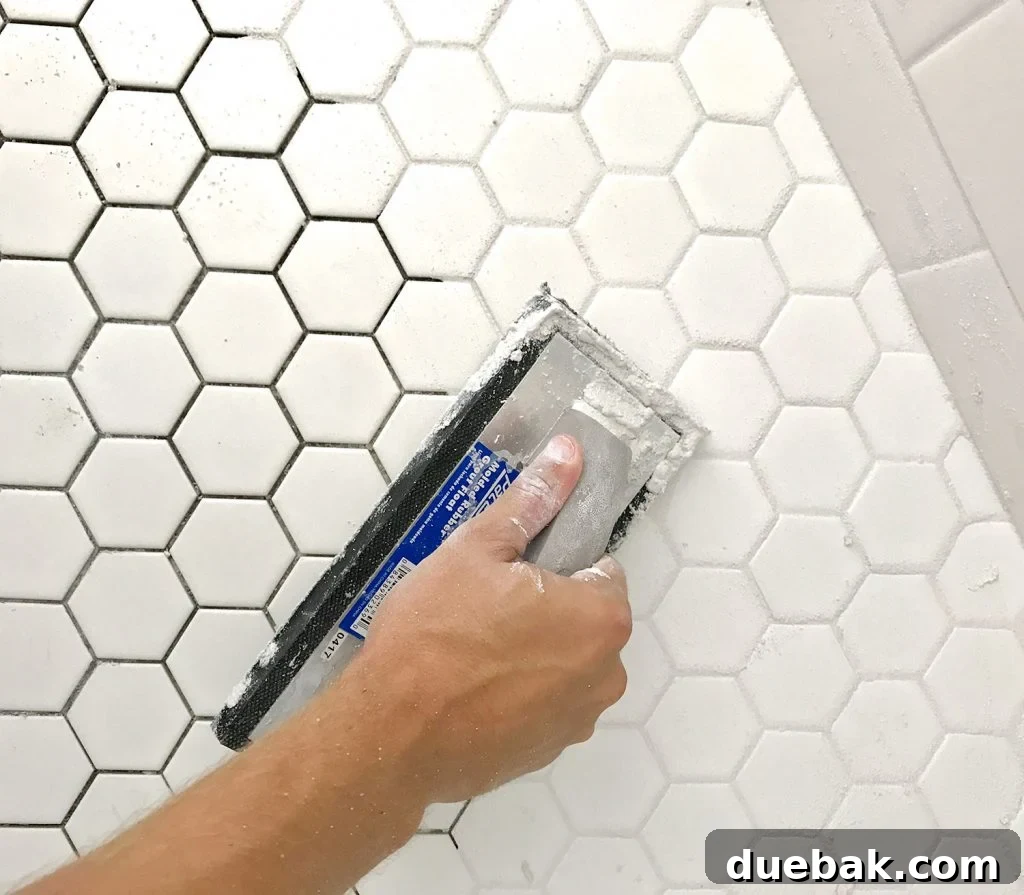
Furthermore, the convenient packaging of Mapei Flexcolor CQ makes it ideal for future touch-ups and small repairs. The tubs seal securely, allowing you to store leftover grout for extended periods without it drying out. We’ve successfully reopened tubs that are over a year old and found the grout still fresh and perfectly usable for minor fixes – whether it’s addressing a small chip from an accidental impact or filling a missed spot. This not only saves you money by preventing wasted product but also ensures that any future repairs seamlessly match the original installation, a huge bonus for long-term maintenance.
2. No Sealing Required: Stain-Resistant & Low Maintenance
Ask any tiler, and they’ll tell you that one of the most tedious post-installation tasks is sealing the grout. This crucial step, often required to protect porous grout lines from stains and moisture, adds considerable time and effort to any project. With Mapei Flexcolor CQ, this extra step is completely eliminated. Imagine finishing your tiling and not having to worry about sealing – it’s a huge relief!
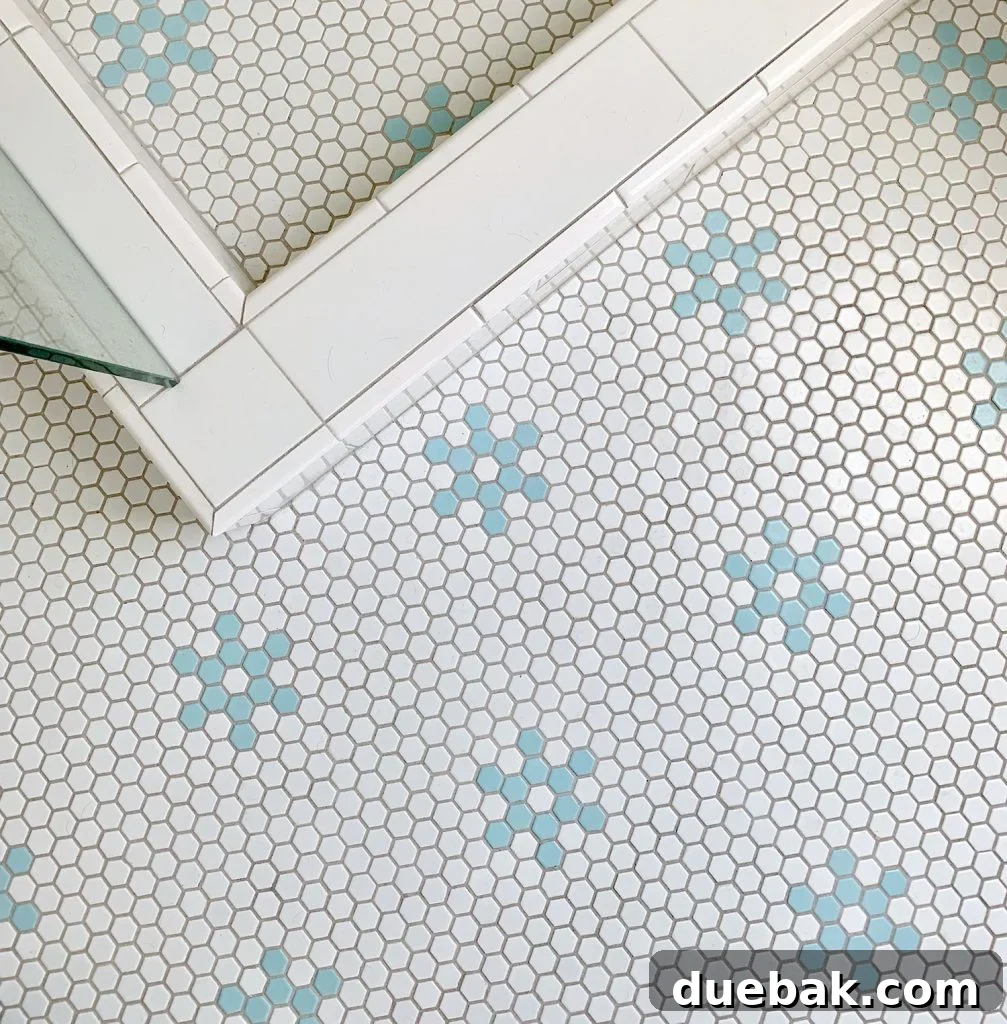
This remarkable grout is specially formulated to be highly stain-resistant, particularly against common water-based spills. While it’s always wise to clean up spills promptly, you won’t have to stress about immediate staining like you would with unsealed traditional grout. Our experience with floors at the beach house, now over 18 months post-installation, perfectly illustrates this durability. Despite heavy use, regular foot traffic, and the inevitable splashes in bathrooms and mudrooms, not a single crack or stain has appeared. Every tiled surface looks as pristine as the day we applied the grout. This exceptional longevity is a testament to its robust formulation, providing lasting beauty and peace of mind for years to come. After curing for just three days (and being walkable after 24 hours), it’s truly set and forget.
3. Engineered for Durability: Crack-Resistant & Shrinkage-Controlled
In the past, achieving flexible and durable grout meant purchasing special liquid additives to replace water in the mixing process. This added both cost and an extra, often messy, step to ensure the grout could withstand the natural movements and stresses that can lead to cracking and shrinkage. Mapei Flexcolor CQ, however, incorporates this essential flexibility directly into its advanced formula.
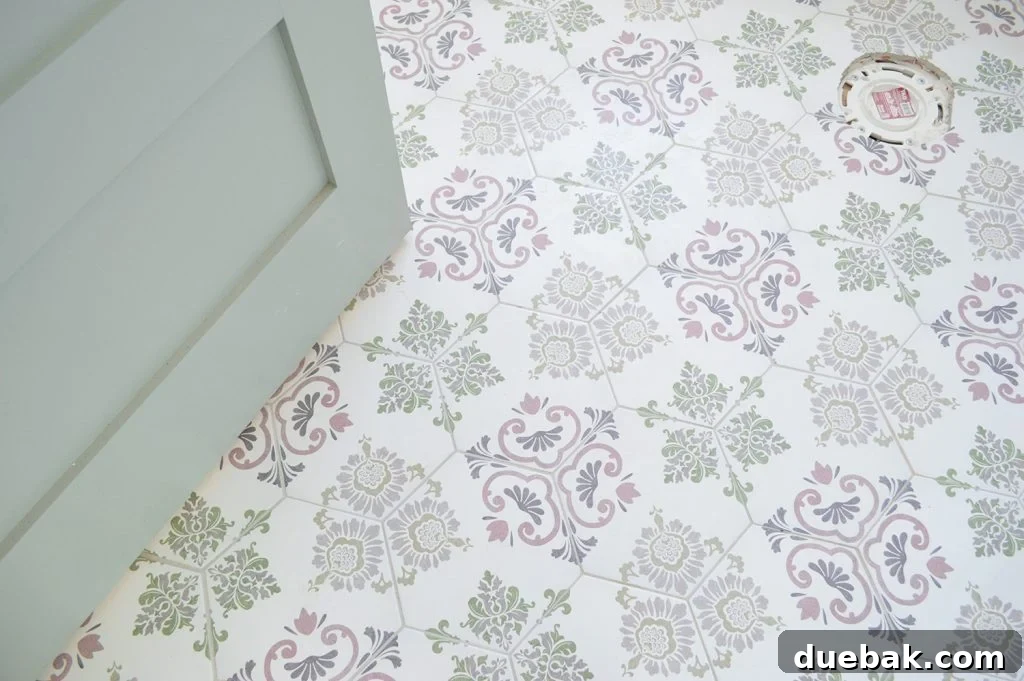
This built-in resilience is a game-changer. We have used Mapei Flexcolor CQ extensively over several years, and we have yet to encounter a single instance of cracking or noticeable shrinkage. This is a stark contrast to our experiences with other grouts, even those where we diligently used special liquid additives. Cracks in grout are not just an aesthetic issue; they can compromise the integrity of your tiled surface, allowing moisture to seep beneath tiles and potentially leading to more significant structural problems over time. By choosing a grout engineered for crack and shrinkage resistance, you’re investing in the longevity and stability of your entire tiling project.
4. Unparalleled Versatility for Almost Any Tiling Project
One of the most frustrating aspects of selecting traditional grout is navigating the distinctions between sanded and unsanded varieties, each recommended for specific grout line widths and tile types. This often means stocking different products for different areas of your home. Mapei Flexcolor CQ simplifies this decision process entirely, as its unique formulation is suitable for nearly all common applications.
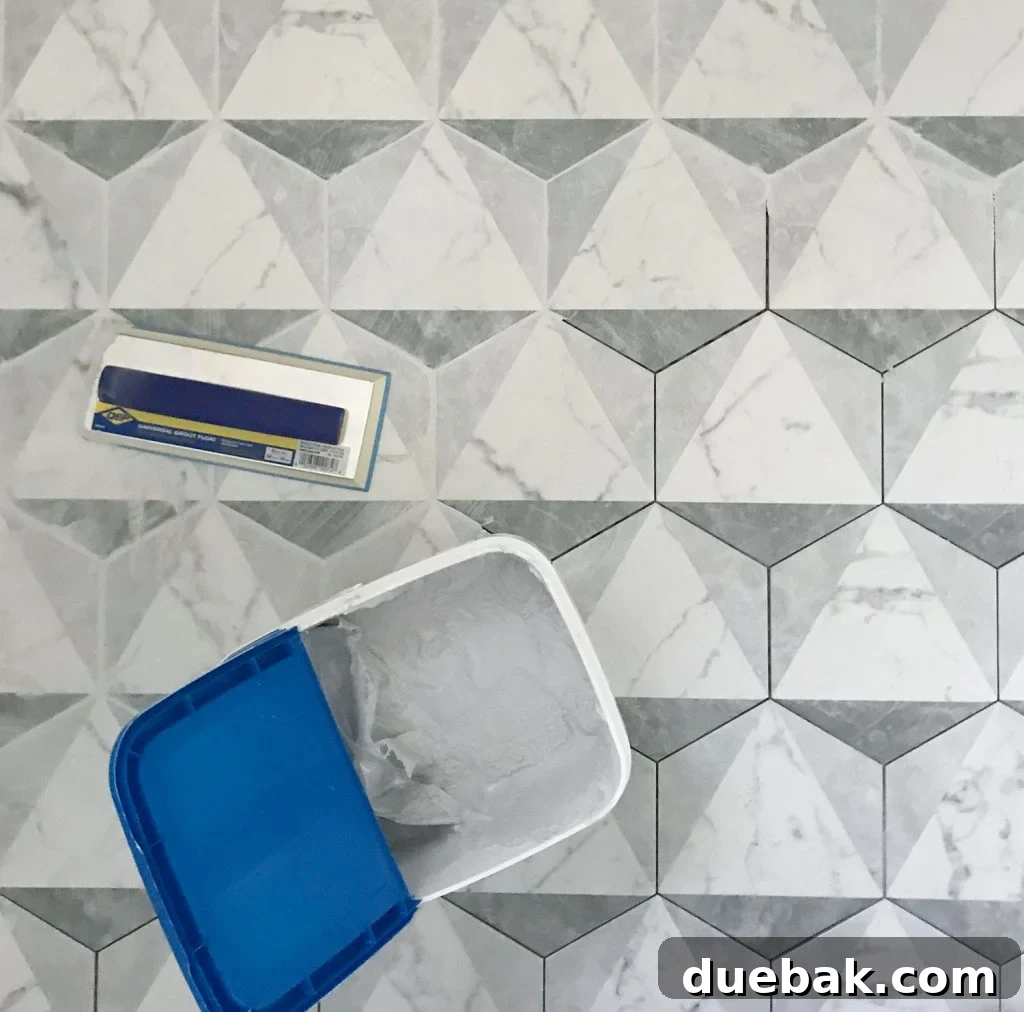
Whether you’re tiling indoors or outdoors, working with a delicate 1/16-inch grout line, or tackling a wider 1/2-inch joint, Mapei Flexcolor CQ performs exceptionally. This versatility means you no longer have to worry about whether a particular product is best suited for a kitchen backsplash versus a shower floor. It’s truly a multi-purpose solution for residential and light commercial projects, including bathrooms, kitchens, patios, laundry rooms, and mudrooms.
While Mapei’s brochure does list some specific limitations – such as full submersion in pools, saunas, or steam rooms – these are typically beyond the scope of most DIY home projects. For sensitive materials like glass or marble tile, they recommend pre-testing, but confirm compatibility. This broad applicability, combined with its other benefits, explains why Mapei Flexcolor CQ has become our exclusive grout choice for years. When in doubt, always consult the product’s technical data sheet or speak with an expert, but for the vast majority of tiling scenarios, this grout is the clear winner.
Mastering Grout Color Selection for Impactful Design
The choice of grout color is often underestimated, yet it can dramatically alter the final aesthetic of any tiled surface. It acts as a subtle (or not-so-subtle) design element, either blending seamlessly to allow the tiles to shine or providing a striking contrast that defines the pattern. If you’re skeptical of its impact, renowned designer Emily Henderson showcased the transformative power of grout color in a compelling article a few years ago.
For most of our projects – approximately 85% – we gravitate towards a specific shade: Warm Gray. To us, it represents the epitome of a perfect neutral grout color. It offers just enough gentle contrast to brighter tiles, such as classic white subway tile, enhancing their lines without being stark. Simultaneously, it harmonizes beautifully with darker tiles, where it often reads as a soft off-white, providing definition without the harshness or unforgiving nature of a pure white grout that can highlight every speck of dust and dirt.
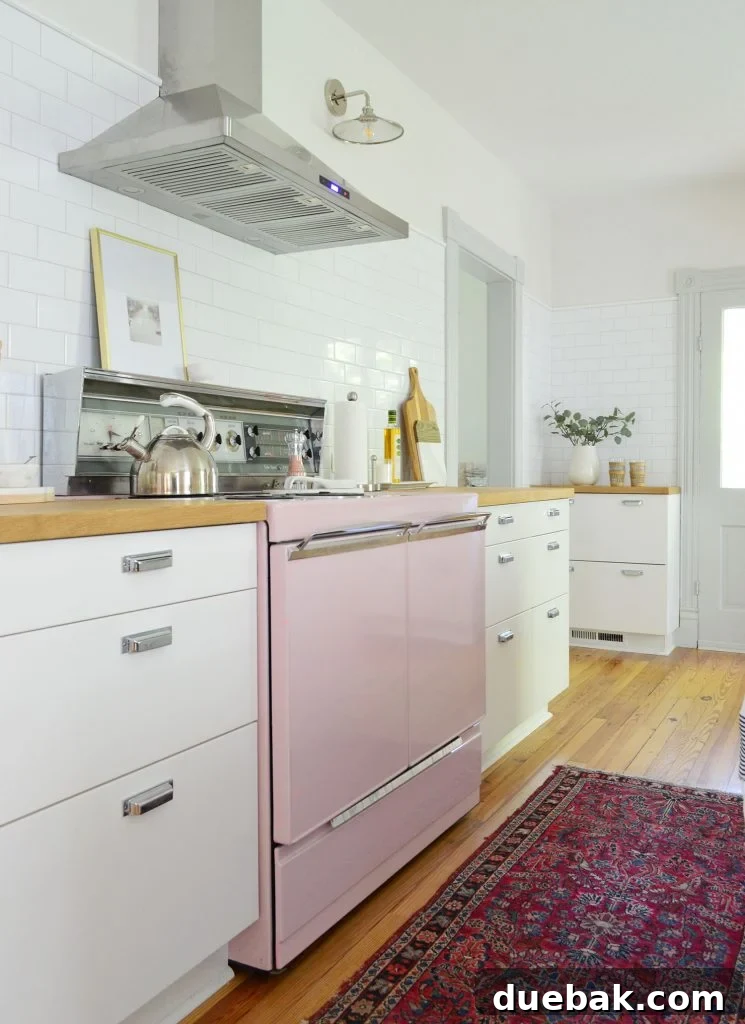
The versatility of Warm Gray also makes it an excellent choice for creating cohesive designs across multiple surfaces within a single room. For example, in the downstairs bathroom of our beach house, we used Warm Gray on both the shower walls and the floor. While it creates a distinct type of contrast in each application – highlighting the white subway tile and brightening the darker floor tile – using the same grout color acts as a unifying thread, tying the entire space together with a subtle elegance.
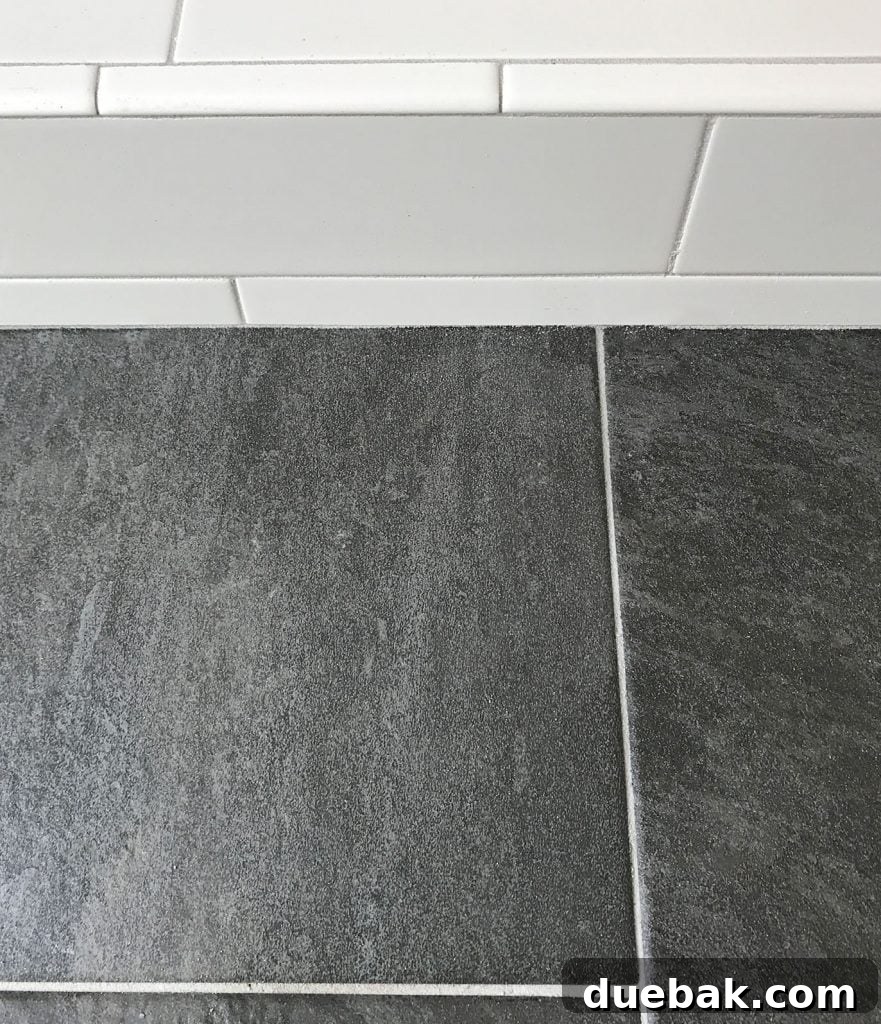
Observe the photo above closely, and you’ll grasp the transformative effect of Warm Gray. Next to the dark slate-like floor tile, it appears crisp and noticeably lighter, almost like a soft white. Yet, when juxtaposed with the white subway tile, it presents as a more discernible gray. This visual chameleon quality allows it to provide definition without the harshness that a stark white grout often introduces, particularly in demanding environments. It’s the exact same Warm Gray in both instances, demonstrating its ability to adapt and enhance any tile color.
While Warm Gray is our preferred default, Mapei offers an extensive palette of colors, ensuring there’s a perfect match for every project and aesthetic preference. If you’re venturing beyond our go-to shade, here are some essential tips for making an informed choice:
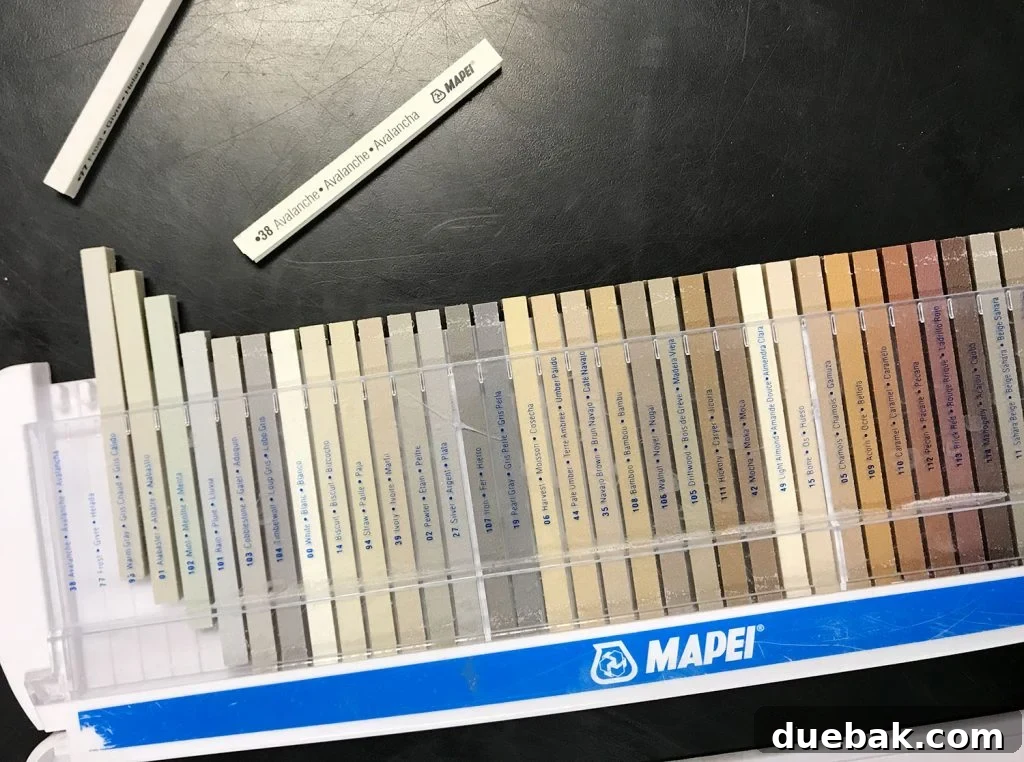
Avoid Relying Solely on Paper Samples. While store brochures and posters provide a starting point, they can often be misleading due to printing variations and lighting. For true color accuracy, always ask a store employee to let you borrow the physical stick samples, like those pictured here. At stores like Floor & Decor, these plastic sticks are usually available for in-store consultation. Bring your actual tile samples to the store and hold them directly against the grout sticks. This tactile and visual comparison under the store’s lighting (and ideally, natural light if possible) will give you a far more accurate representation of the final look and help you visualize the interplay between tile and grout.
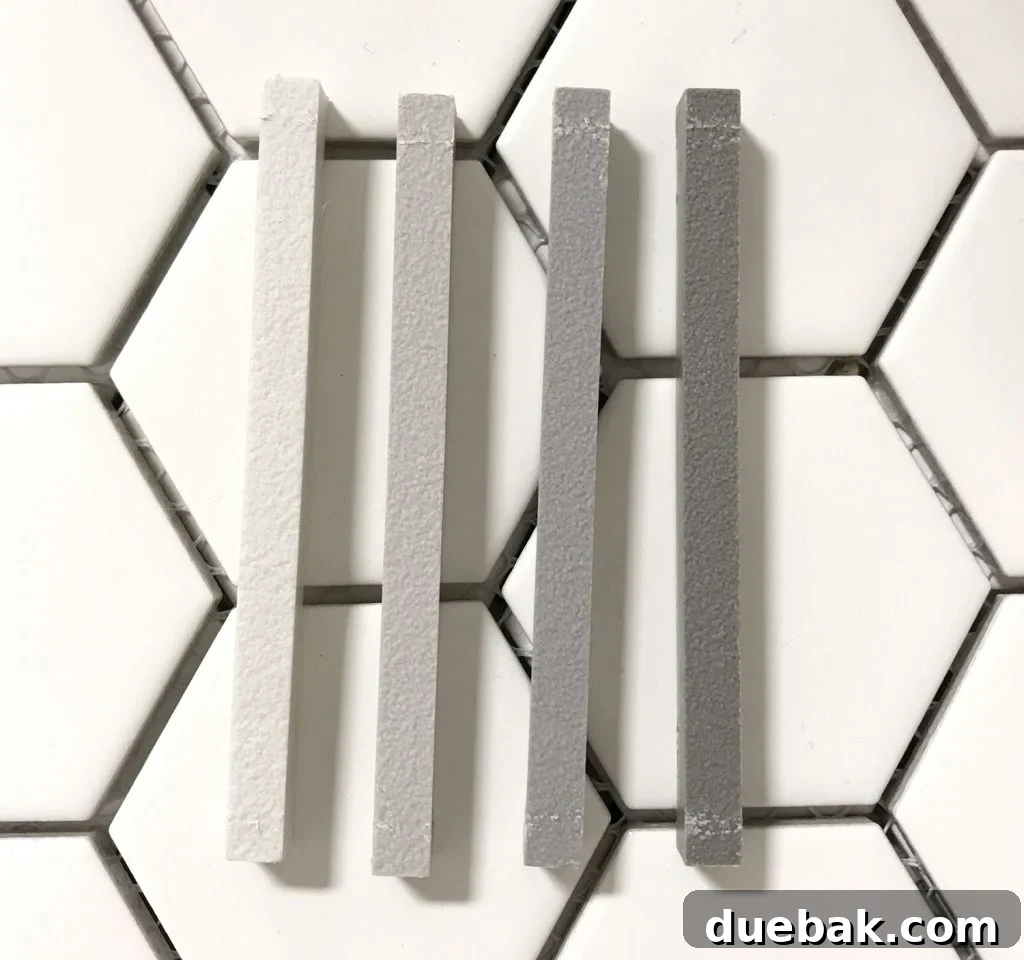
Consider Undertones Carefully. Beyond simply choosing a light or dark shade, paying close attention to the undertones – whether a color leans warm (yellowish, reddish) or cool (bluish, grayish) – is crucial. A subtle mismatch in undertones can create a jarring effect, even if the general color seems right. Our Warm Gray, for instance, has a noticeable warmth. In spaces with cooler-toned tiles, like some of our installations in the duplex, we opted for Mapei’s Frost, a cooler gray, to ensure the grout harmonized with the tile’s inherent coolness. Always strive for a cohesive relationship between your tile and grout undertones for a polished finish.
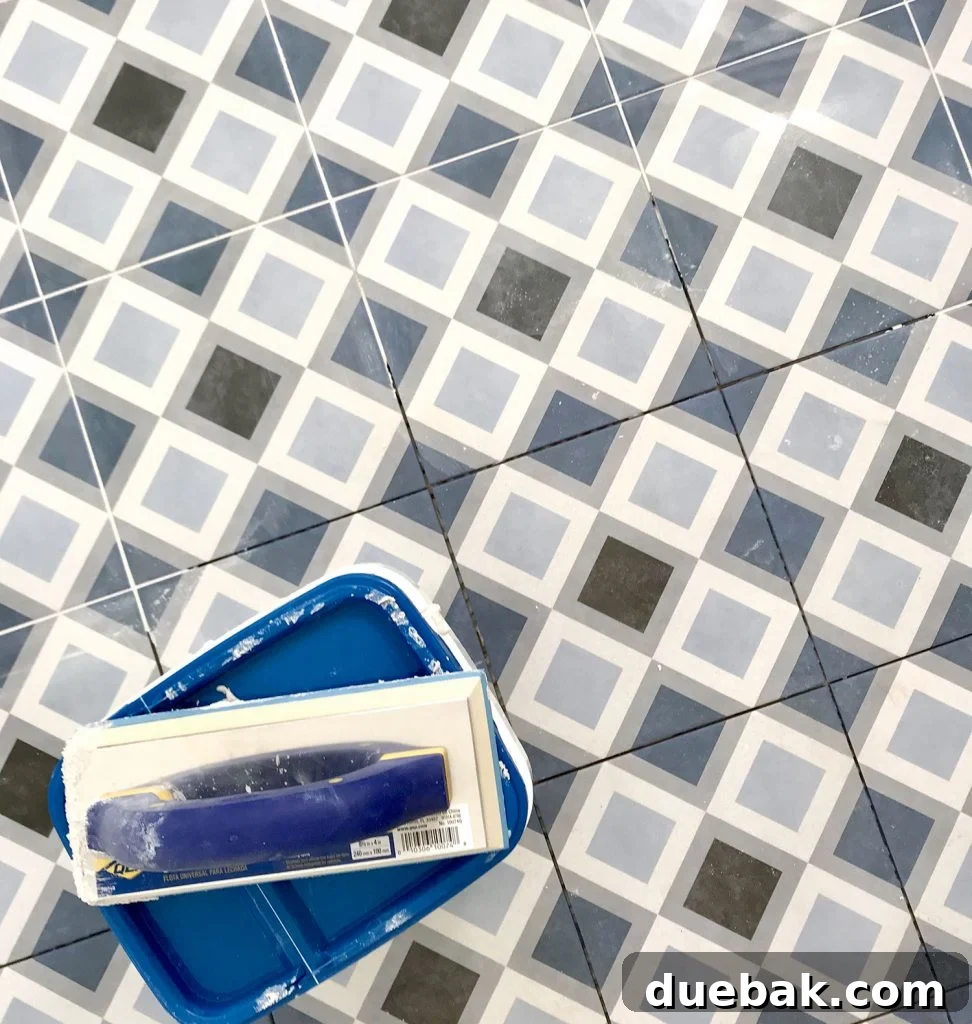
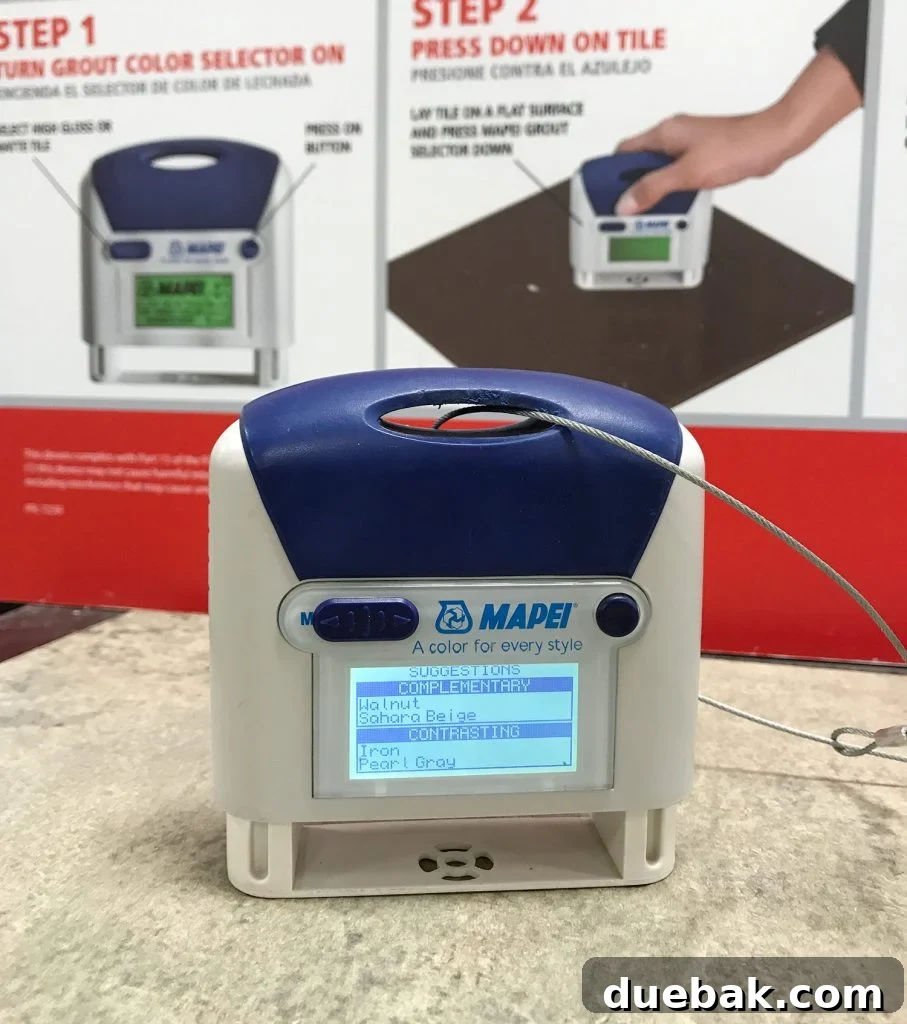
Leverage Store Resources for Expert Input. If you’re feeling uncertain about your grout selection, take advantage of the resources available in tile stores. Many displays will label the grout color used, allowing you to replicate a look you admire or use it as a benchmark to go lighter, darker, warmer, or cooler. Additionally, some modern tile retailers, like our local Floor & Decor, now feature advanced grout selection tools. These devices can scan your tile and suggest coordinating grout colors. While not a definitive solution, playing with such tools can help narrow down your options and provide valuable direction, especially if you bring your own tile samples to test.
An Insider Tip: Minimizing Grout Haze Effortlessly
Grout haze – that stubborn, cloudy film left on tiles after the grout has dried – is perhaps one of the most universally disliked aspects of tiling. It’s the final, tedious chore after the main work of tiling and grouting is done, and it often requires significant buffing or specialized cleaning products to remove. While Mapei Flexcolor CQ doesn’t inherently produce more or less haze than other grouts, we’ve discovered a brilliant, preemptive technique that drastically reduces it, saving you valuable time and effort.
This trick, which we refined while working on our duplex, works exceptionally well on larger tiles. The key is a timely “preemptive tile wipe” while the grout is still wet. Here’s how it works: After you’ve applied the grout with your float and completed your initial couple of wipe-downs with a damp sponge, allow the grout to set for an additional 5 to 10 minutes. Then, with a clean, dry rag or paper towel, gently but firmly wipe only the surface of the tile. Be meticulous about avoiding contact with the wet grout lines themselves.
While it might sound painstaking, this step is surprisingly quick – often just a single, smooth swipe per tile, much like cleaning a window pane. The magic lies in the timing: you’re essentially wiping away the residual liquid that would otherwise dry and form the grout haze. This method is most practical for larger tiles where you have ample surface area to wipe without disturbing the still-curing grout. By incorporating this simple preemptive wipe, you can largely eliminate the need for laborious buffing or aggressive haze removers later, ensuring your tiles sparkle and shine right from the start. Any process that eliminates extraneous steps and delivers a better result is a win in our book!
In conclusion, for your next tiling endeavor, make Mapei Flexcolor CQ Grout your top choice. Its premixed convenience, stain and crack resistance, and unparalleled versatility simplify the entire process. Consider our trusted Warm Gray for a timeless, adaptable finish. Trust us, your tiling projects will be smoother, more beautiful, and far less stressful, leaving you to admire your stunning new surfaces with pride.
PS: If you’re new to tiling and eager to learn the entire process, from preparation to perfection, explore how we tiled this kitchen backsplash for just $200. You can also find inspiration in our posts detailing all of our duplex tile choices and our beach house tile picks.