
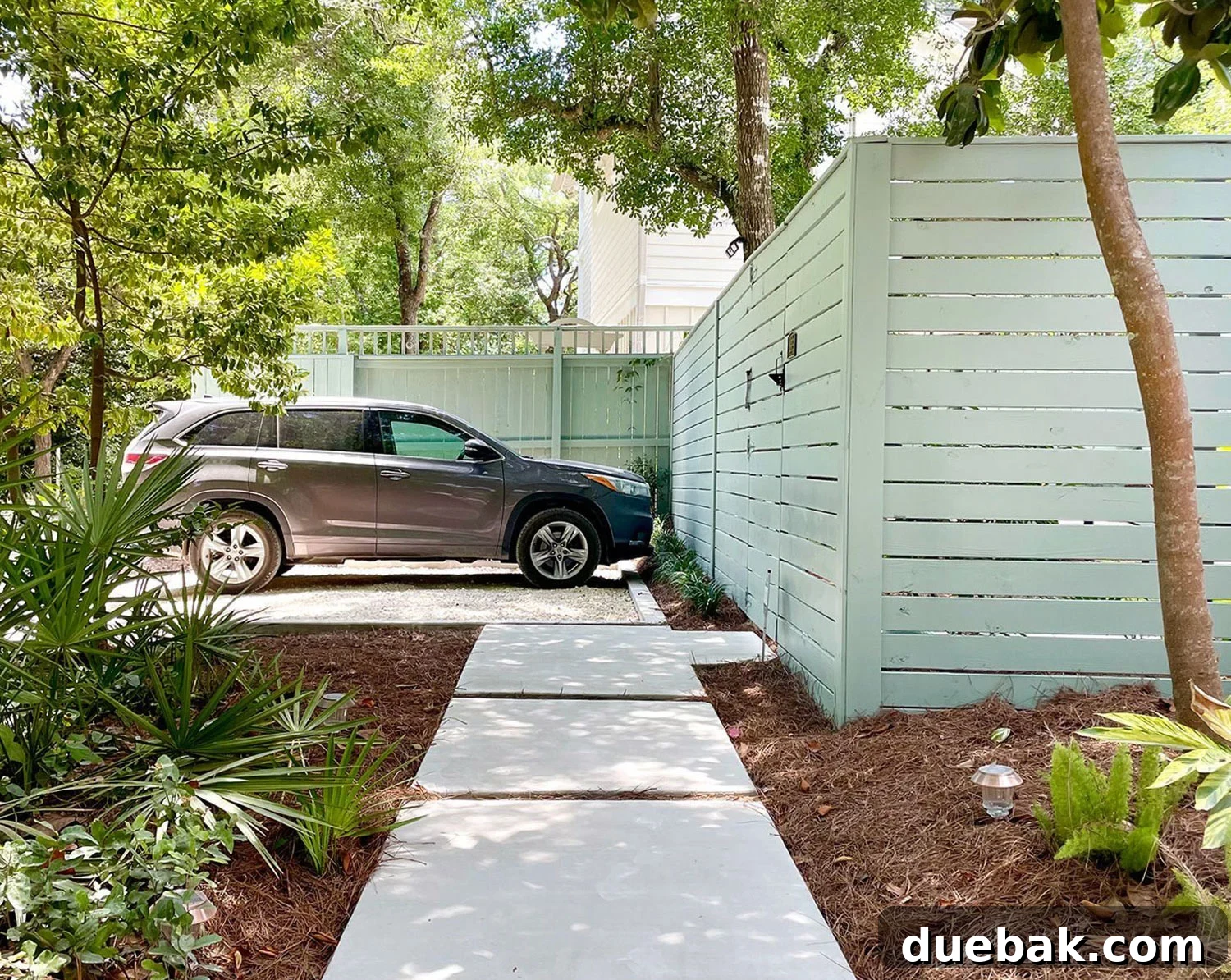
As we’ve previously shared in our journey to create a bigger backyard pool area, our home’s exterior transformation extends beyond the rear of the property. We are thrilled to announce significant enhancements to our home’s front façade, culminating in the installation of a legitimate front walkway and a spacious new driveway. For many, these might seem like standard features, not cause for grand celebrations. However, after three years of living without a proper, designated parking space or a safe, stable path to our front door, this development represents a monumental achievement for us. It’s a foundational step in making our house truly feel like a complete home, elevating both its functionality and curb appeal.
The Imperative for Proper Parking & Pathways: A Three-Year Saga
Most homes are inherently designed with basic infrastructure: a dedicated spot to park your vehicle and a clear path leading to the front entrance. Our previous residences certainly boasted these amenities, with some even offering the luxury of a garage. Yet, this particular house, a charming Florida property, defied convention. Upon our arrival, the entire landscape surrounding the dwelling—save for the house itself—was an expanse of natural pine straw, loose dirt, and fallen leaves. While rustic in its own way, this presented a considerable challenge for daily living, guest arrivals, and maintaining a tidy exterior.
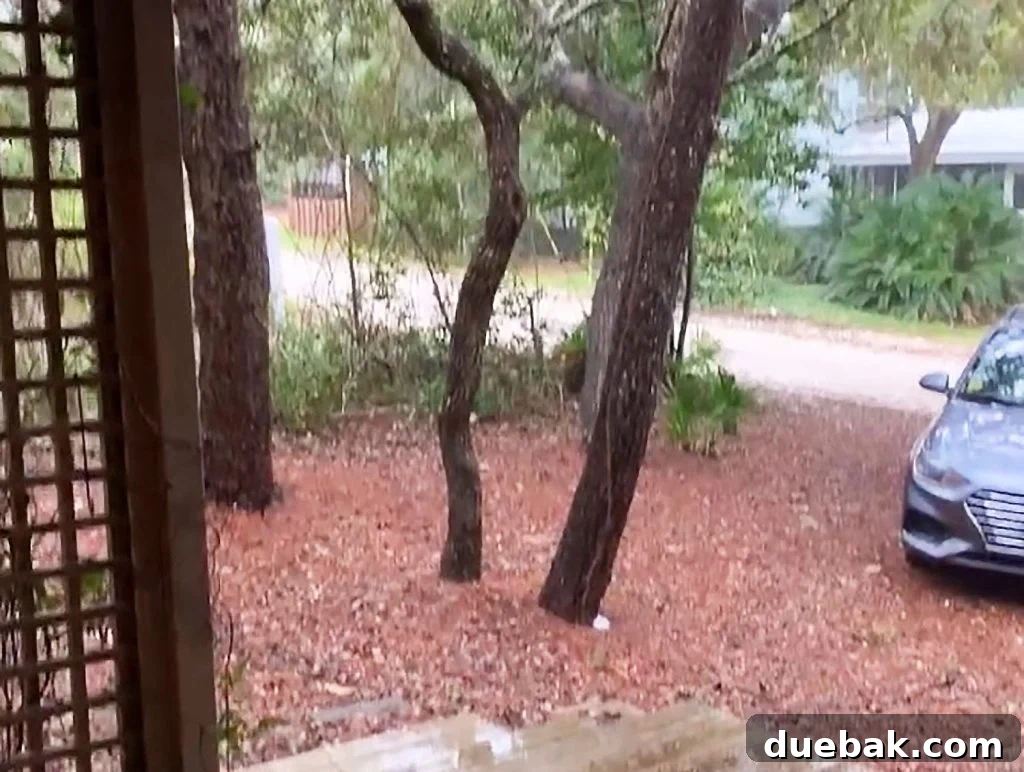
The extent of this “natural” state is vividly captured in a screenshot from a video we recorded the day we first toured the house. Here, our rental car is haphazardly pulled onto the pine straw on the side of the house, in what is now our functional kitchen porch. This image underscores the complete absence of any defined parking or pathways, setting the stage for the challenges we would face.
Our move-in experience, complicated by the onset of COVID-19, meant we hadn’t seen the property between making our offer in February 2020 and actually moving in May. Consequently, we arrived to find our storage POD situated in the same clearing, prompting an immediate and somewhat bewildered call to our contractor: “Where exactly do we park?” His pragmatic advice, “just find a spot in the pine straw,” became our temporary reality. This led to cars frequently sinking into soft spots, tracking dirt and pine straw into the house, and guests often getting lost in the undefined landscape when visiting. It was far from ideal, compromising both convenience and cleanliness.
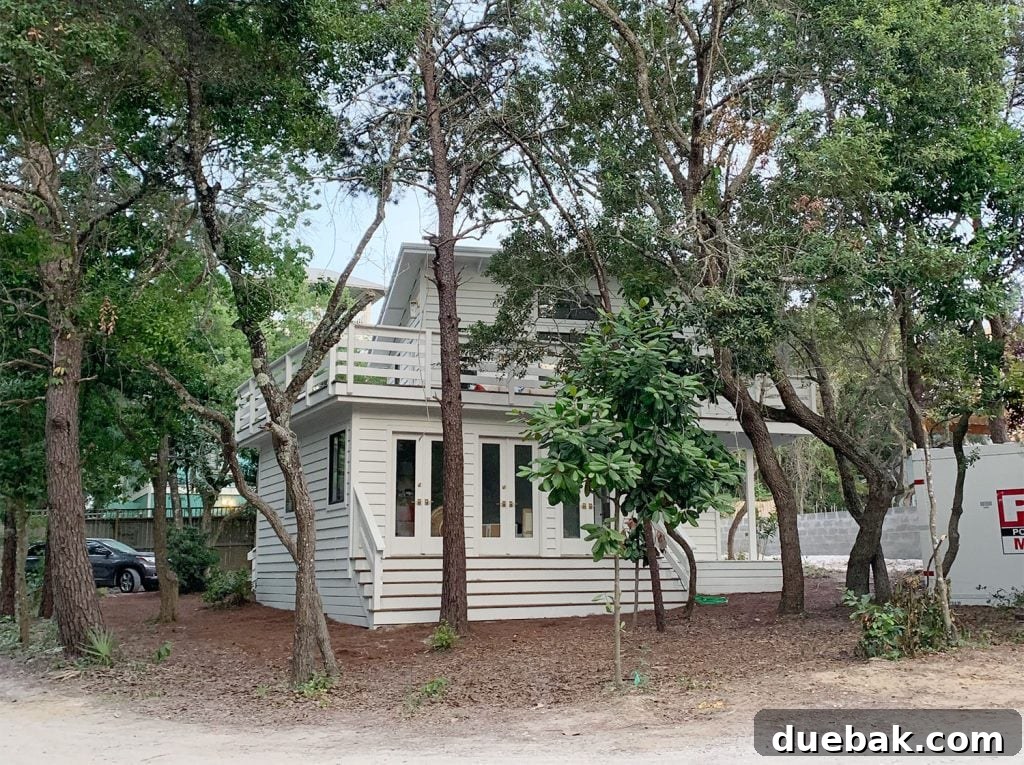
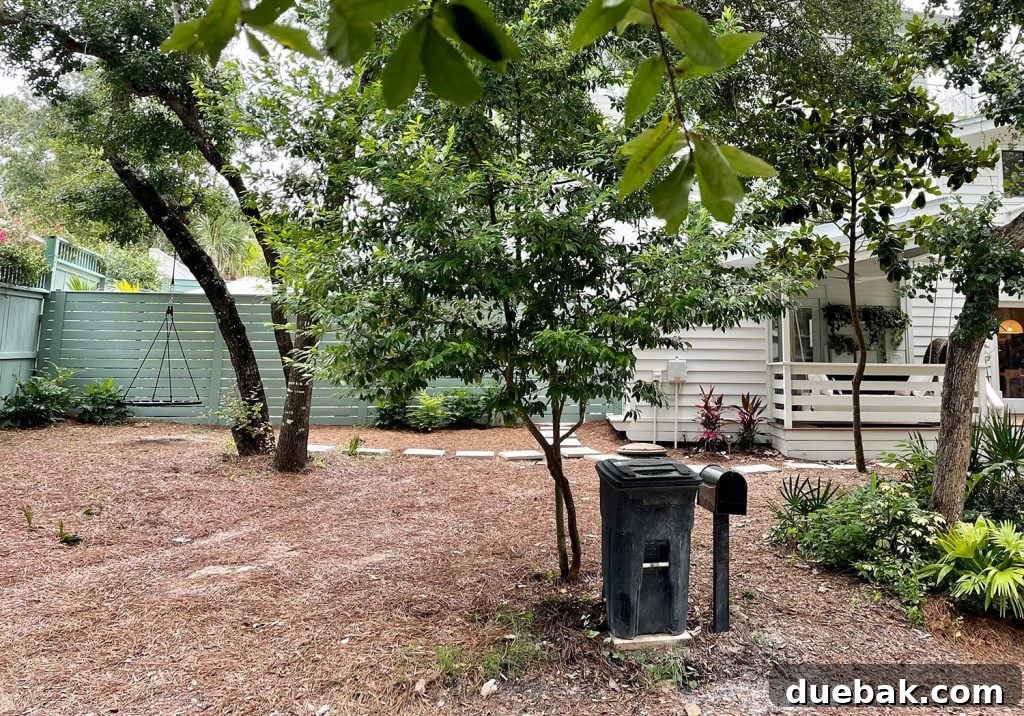
For a significant period in 2021, an open area of pine straw served as our primary “driveway.” To navigate the property more easily, we laid down a series of inexpensive concrete pavers, creating makeshift pathways around the house. These were simply placed on the ground, without excavation or proper installation. While they offered a rudimentary solution, their temporary nature became apparent over time: pavers would shift, become uneven, or grow rickety, constantly reminding us that a more permanent and robust solution was essential. We knew that for long-term comfort, aesthetics, and functionality, we needed something far superior.
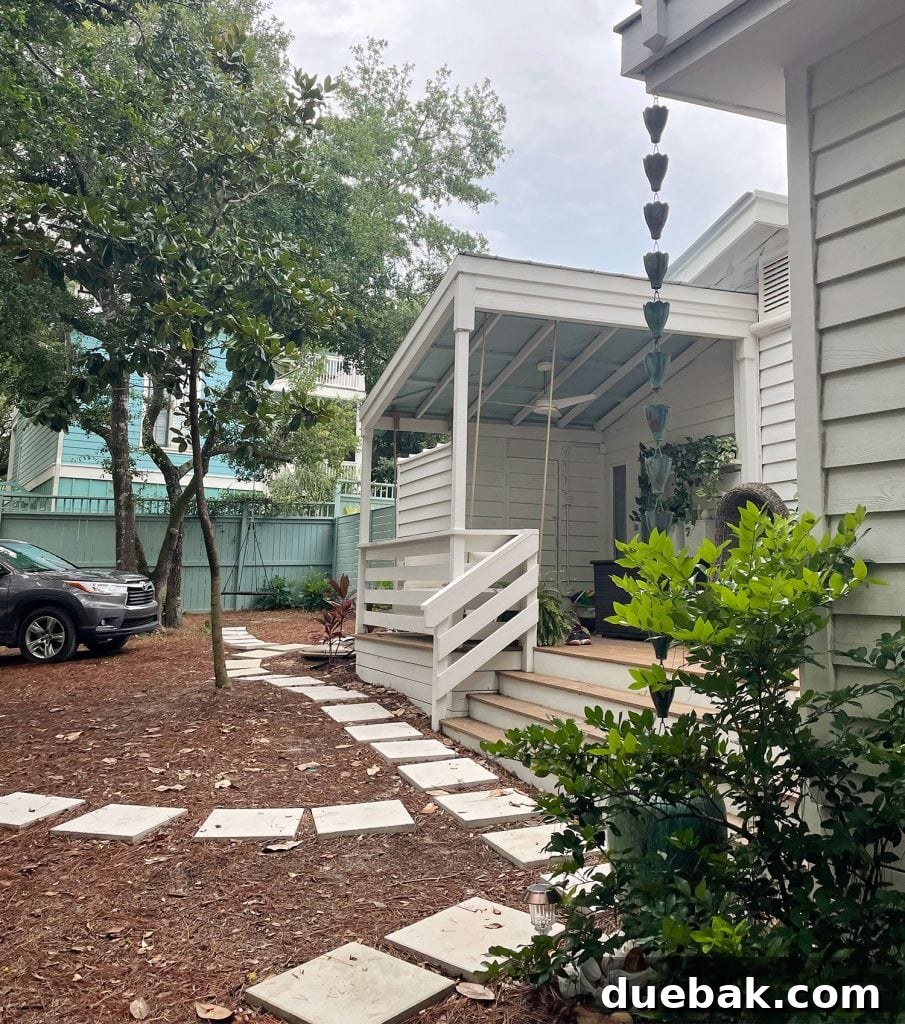
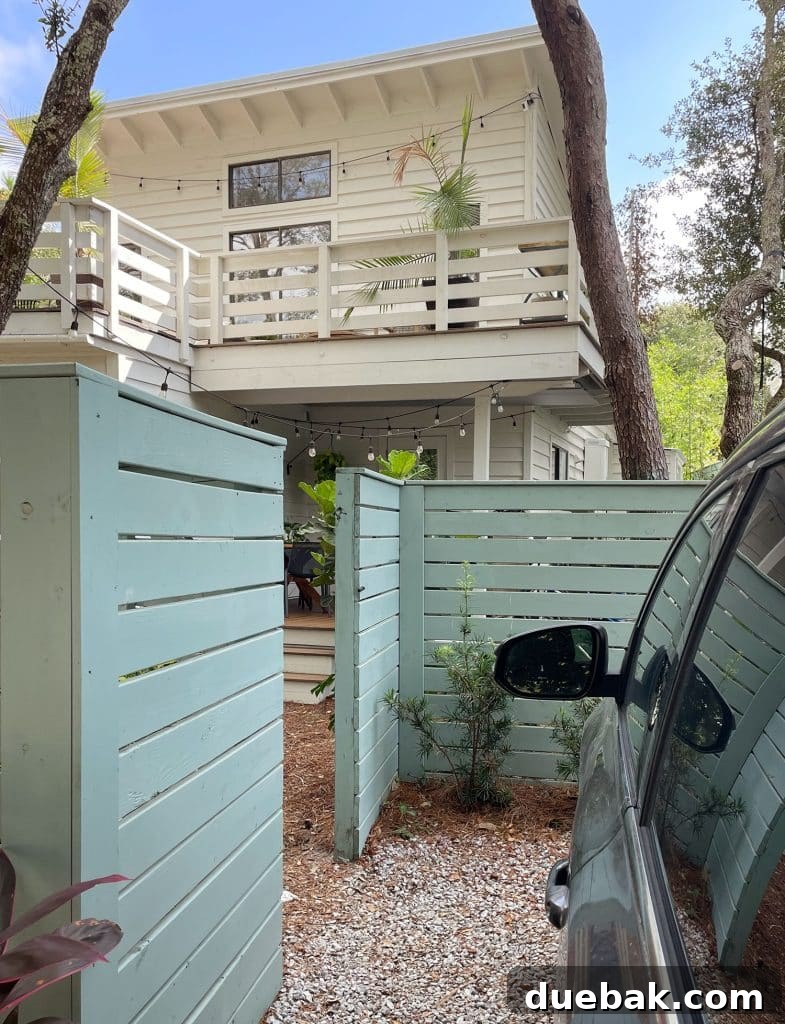
Later in 2021, we established a single-car gravel parking spot on the opposite side of the house, strategically located near our newly renovated covered side porch. This area, now featuring a convenient new door directly into our kitchen, quickly became our family’s main entry point. The proximity of this parking spot to the kitchen is invaluable, especially for unloading groceries, and we’ve even incorporated shoe storage on the porch for added convenience. We deliberately designed an indentation in our fence to accommodate this spot, allowing us to avoid existing trees. Fifteen bags of gravel later, our first “official” parking space was complete. You can learn more about why we adore our kitchen porch here.
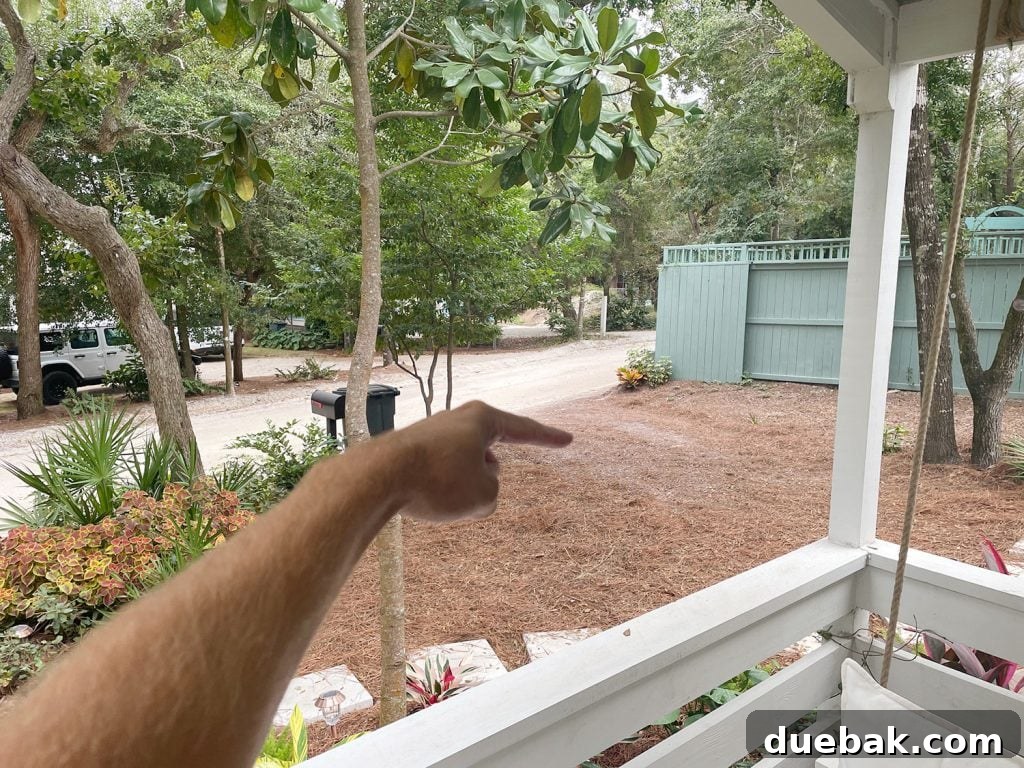
While this single-car spot perfectly serves our one-car household, it failed to address the recurring challenge of guest parking. For nearly three years, visitors continued to contend with the undefined pine straw expanse out front. This often necessitated sending crude, annotated photos, like the one below I once sent to my mom, to guide guests on where to park. This constant inconvenience highlighted the pressing need for a comprehensive and organized front-of-house solution, not just for us, but for anyone visiting our home.
Implementing a Permanent Solution: Our New Gravel Driveway
The ambition to create proper guest parking became a central objective during our extensive backyard renovation project. This broader initiative presented the ideal opportunity to integrate a long-awaited solution for the front of the house. We meticulously planned for this new parking area when repositioning our fence and coordinating with our concrete contractors. As part of their work, they poured a low retaining wall, specifically designed to formally delineate the new driveway space. This wall serves a dual purpose: it aesthetically defines the parking area, providing a clean, finished look, and crucially, it helps contain the gravel we intended to lay, preventing it from migrating into other parts of the yard. (Keep an eye out for a sunbathing lizard in the photo below – a common sight in our Florida paradise!).
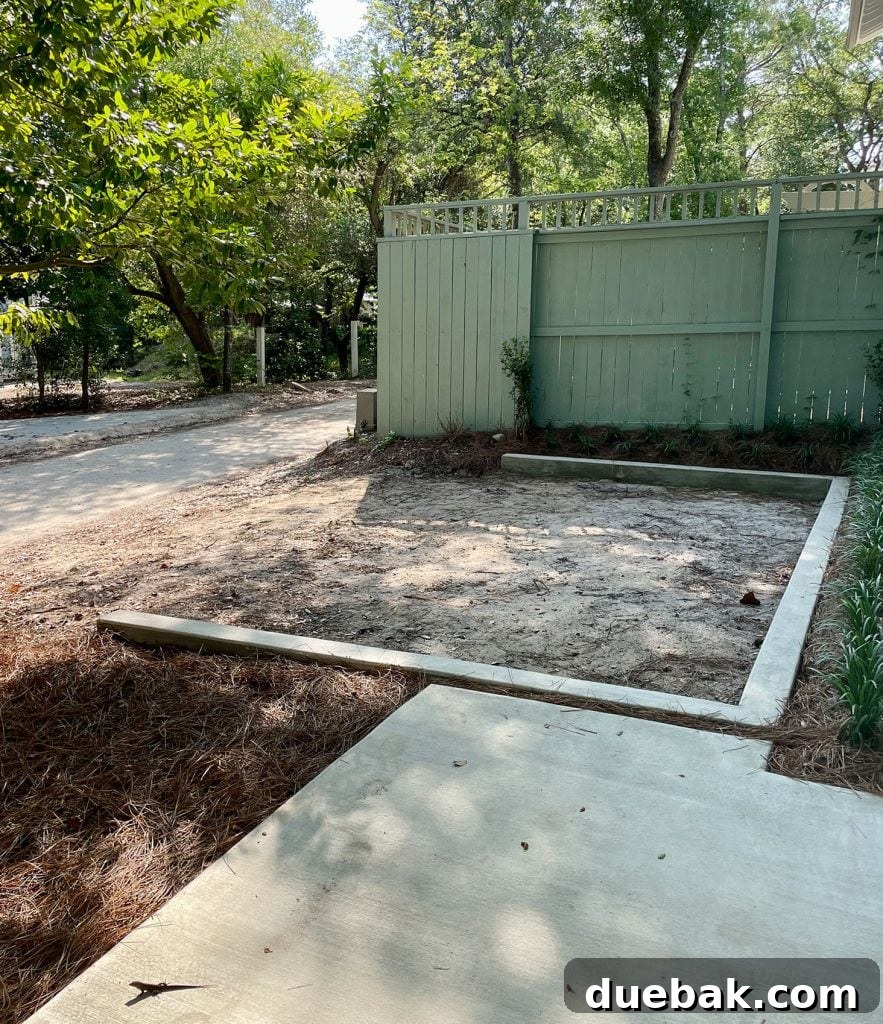
The decision to install a gravel driveway, as opposed to alternatives like concrete, asphalt, or stone pavers, was a deliberate one, made after careful consideration of several factors. Cost efficiency played a significant role, as gravel offers a more budget-friendly option for larger areas. Furthermore, the property’s gentle slope and our commitment to effective storm runoff management made gravel an attractive choice due to its inherent porosity and excellent drainage capabilities. This aligns perfectly with local regulations regarding permeable surfaces, ensuring our yard contributes positively to water management. Beyond the practicalities, the “vibe” of gravel harmonizes with our relaxed, beach-adjacent neighborhood, where dirt roads and natural aesthetics are common. We specifically selected Bahama Rock for its appealing warm, sandy white color, which complements our home’s exterior beautifully. Sourcing this material from a local landscaping company was seamless, with a hefty pile of stone, costing approximately $500, delivered the very next day, ready for installation.
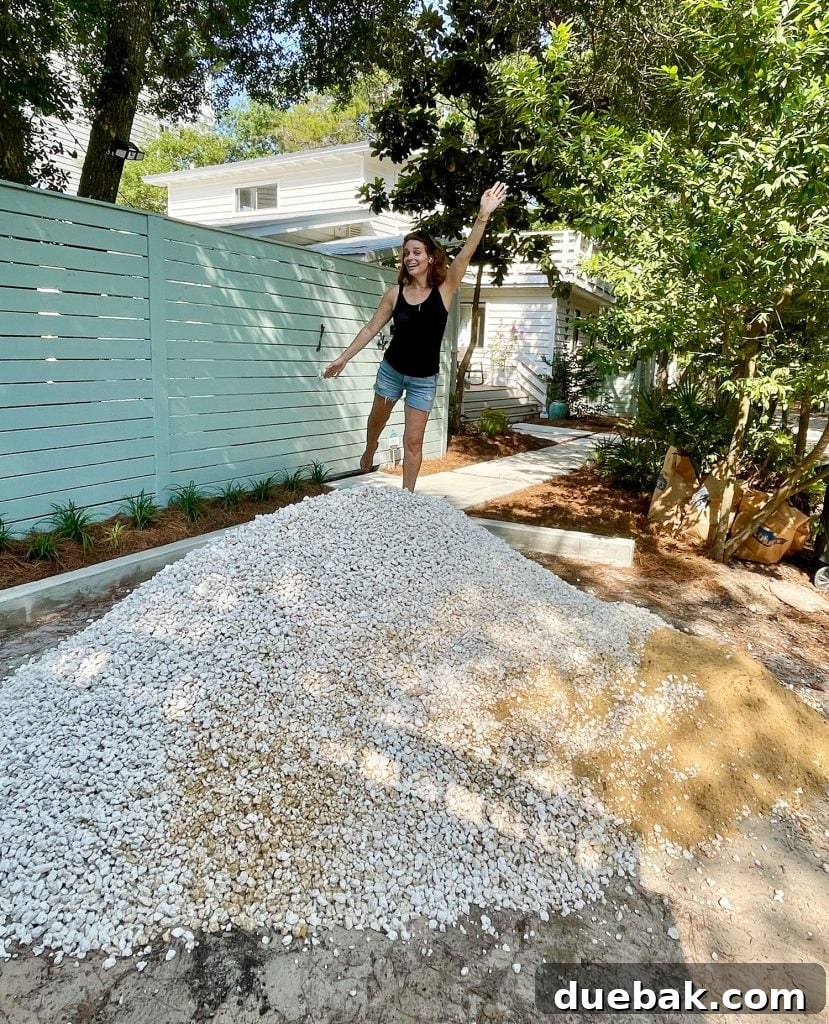
Spreading the sheer volume of gravel was a substantial undertaking, but with the invaluable assistance of a neighbor, the three of us managed to complete the task within a few hours. We employed a straightforward method: shoveling piles of Bahama Rock into various sections of the designated driveway area, then meticulously spreading and leveling the stone using metal rakes. Initially, the gravel exhibited some minor shifting underfoot and tires, as is typical with newly laid material. However, after a couple of weeks, aided by several good rains that helped compact the stone, the driveway settled beautifully. It now feels remarkably firm and stable, providing a robust and reliable surface for parking.
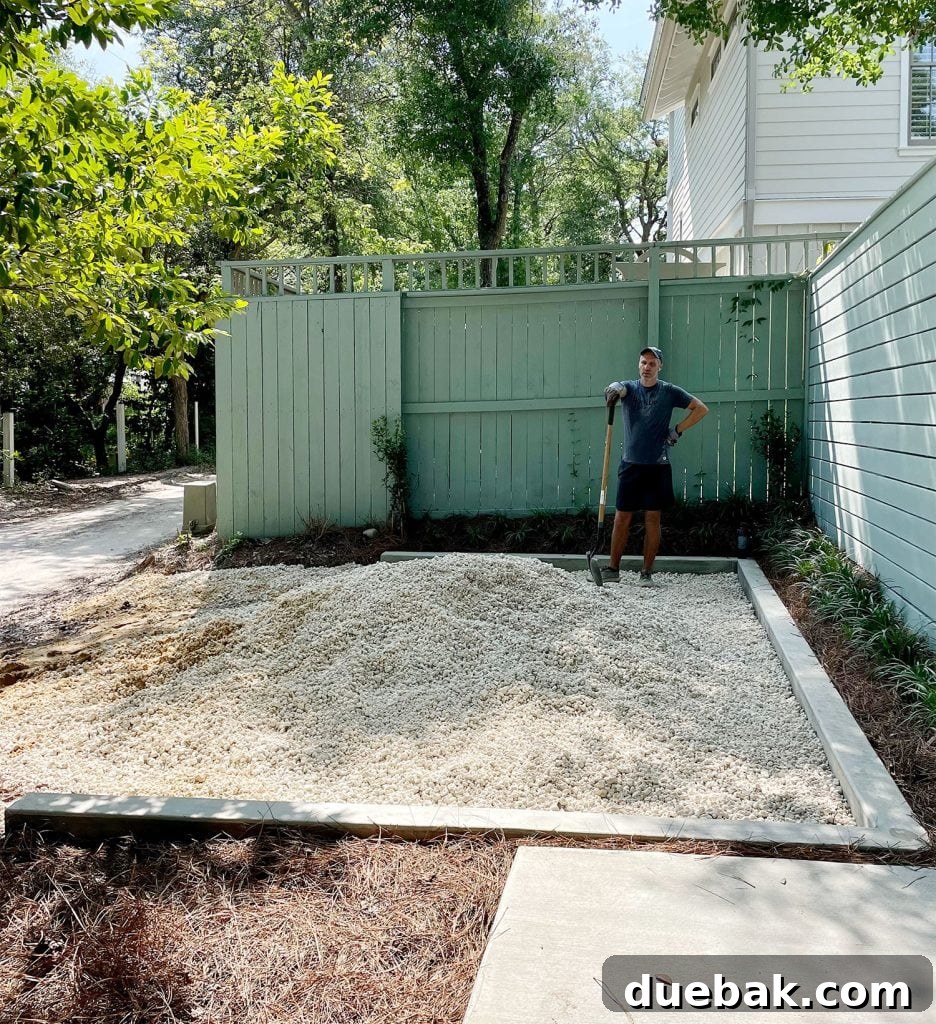
From certain angles, the driveway might appear compact, but a view from the street truly showcases its generous dimensions. Measuring 18 feet wide, it perfectly accommodates two cars, aligning with standard driveway widths. Fortuitously, this measurement also represented the exact maximum width we could achieve between our neighbor’s fence and a small, charming tree, making it a perfectly tailored fit for our property.
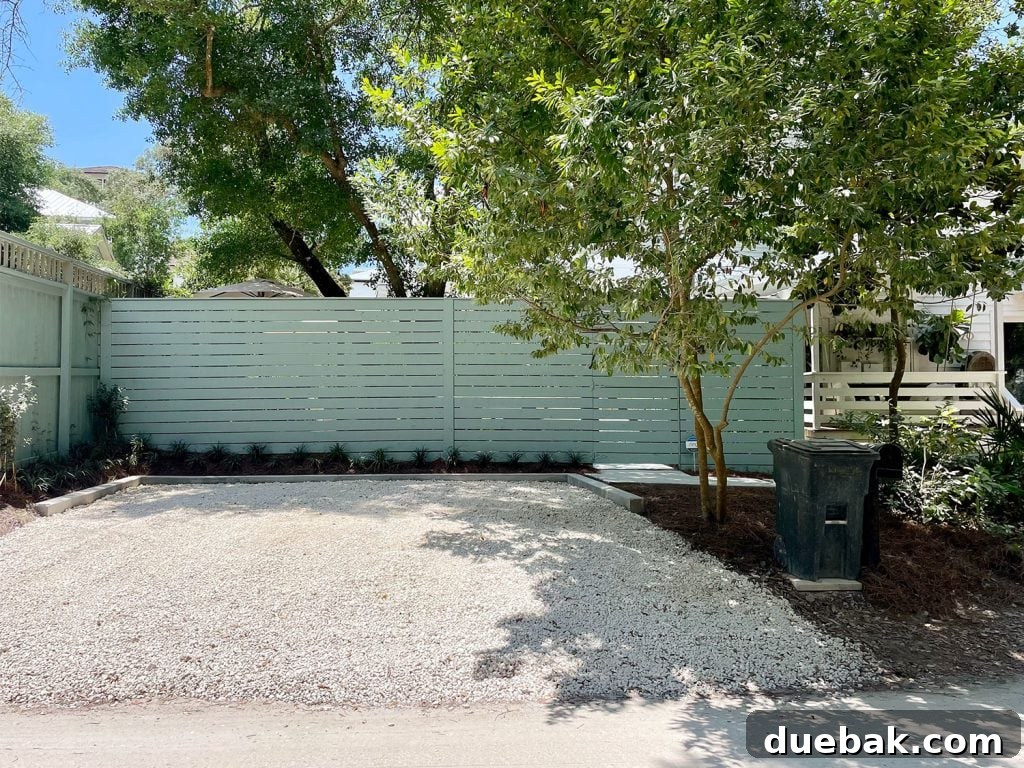
To truly appreciate this transformation, it’s beneficial to compare it with an earlier perspective from 2021. Back then, distinct tire marks in the pine straw clearly indicated where our car typically parked, long before the kitchen porch was even a thought. While a part of us might faintly miss the “naturalness” of that previous view, it was undeniably far less functional and welcoming for both us and our guests. Moreover, the aesthetic appeal was significantly diminished by a parked vehicle against an undefined, unkempt backdrop. It’s worth noting that the magnificent large tree, once situated in front of the fence, has now been incorporated into our expanded pool area, visible behind the fence in the current photos, allowing us to enjoy its beauty from a new perspective after we moved the fence to double the size of the pool area.
The Elegance of Our Poured Concrete Front Path
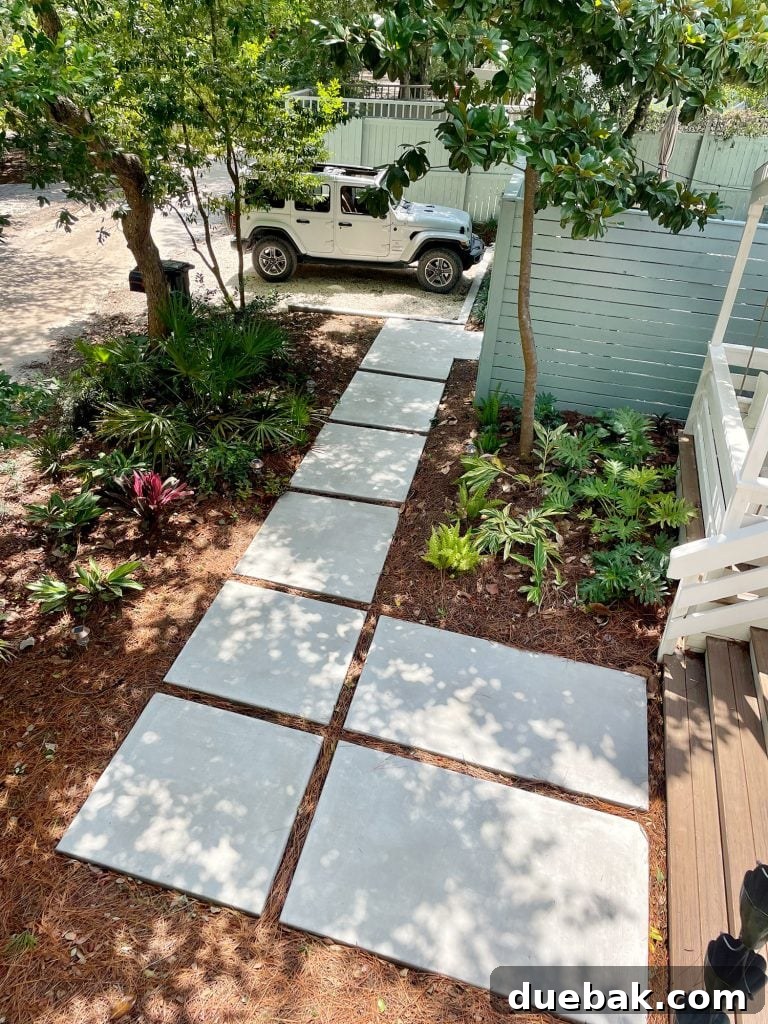
Complementing our new gravel driveway, we also oversaw the installation of a proper, visually striking walkway to connect the parking area seamlessly with our front porch. As detailed in our post about the bigger backyard, this was an integral part of our exterior overhaul. It was paramount to provide guests not only with a designated parking spot but also with a safe, clear, and inviting path to and from our front door. Our design choice leaned towards large, poured-in-place concrete stepping stones. These substantial slabs offer a robust, permanent upgrade to the temporary paver walkways we had relied on for so long. They mirror the concept of our previous pavers but in a significantly larger, more durable, and aesthetically refined form. For a deeper dive into how these concrete paths and retaining walls were part of completing our expanded pool area, you can refer to this detailed post.
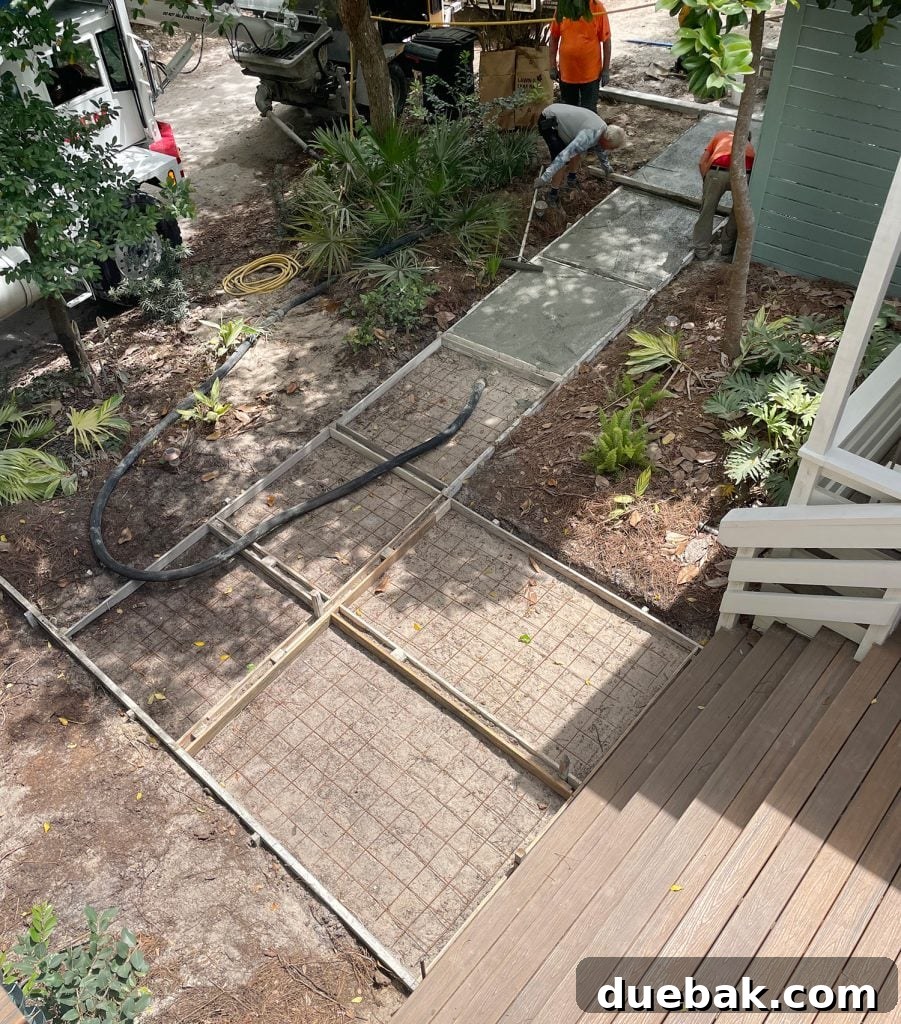
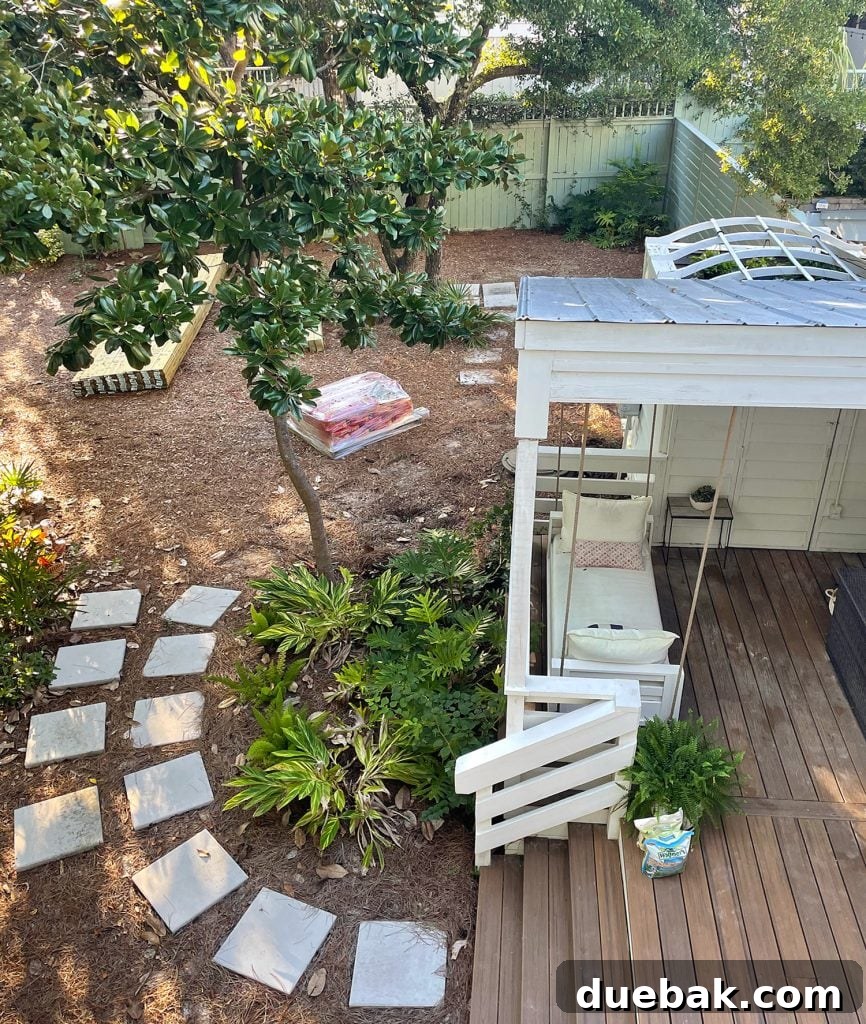
To fully grasp the scope of this transformation, consider a “before” snapshot from our last post, illustrating the yard with our temporary pavers. While this particular image was captured during the initial phase of our new fence construction, with various items temporarily displaced, it still provides a clear representation of the former, less defined landscape and the provisional nature of our old pathways.
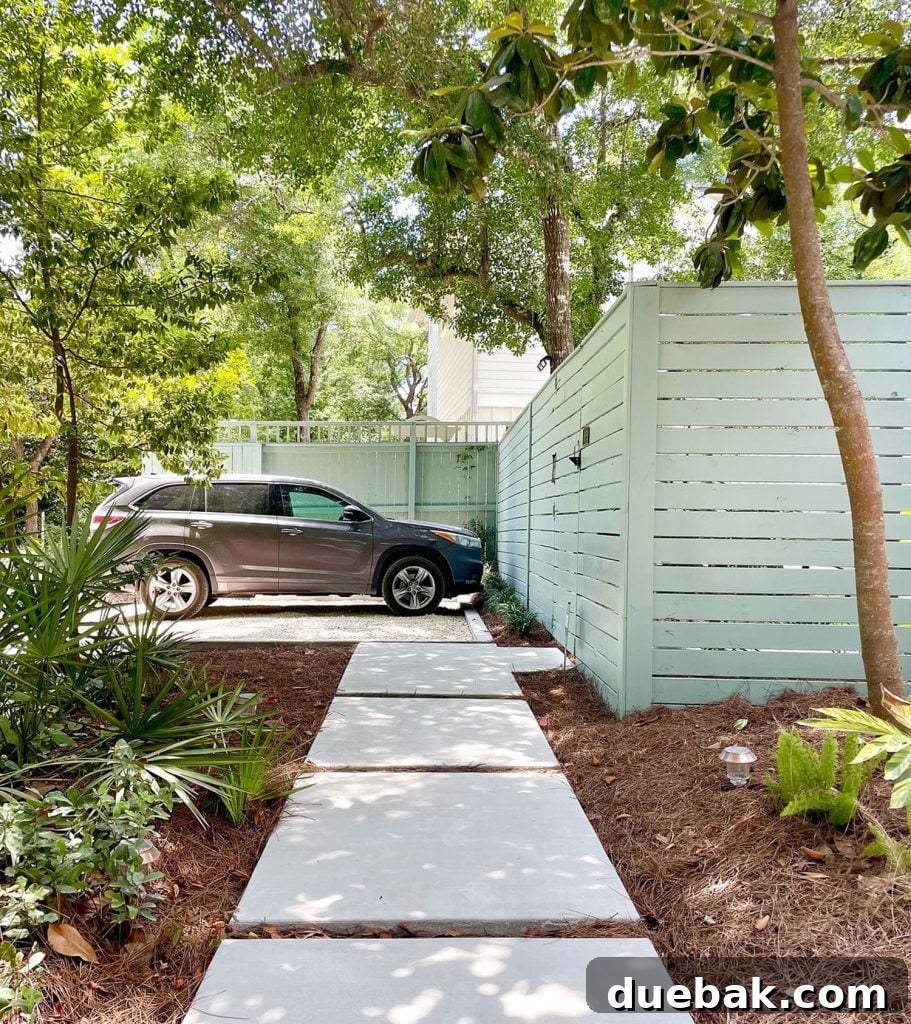
Now, behold the “after” photo, which strikingly reveals the integrated beauty of our new pathway and parking area. Our friend’s Jeep is perfectly positioned in the much more officially designated parking space, showcasing the practical and aesthetic improvements. The new concrete path gracefully leads from the driveway to the front door, offering a welcoming and stable thoroughfare.
It might seem trivial, but the profound satisfaction derived from having a proper driveway and walkway is truly immense. For three years, the exterior of our house felt perpetually “in limbo,” lacking the fundamental elements that convey permanence and functionality. The introduction of these seemingly basic features – a legitimate parking area and a wide, stable walking path – has fundamentally transformed our property. It now projects an image of a well-established, thoughtfully designed home, completing a vital aspect of our home improvement journey. The sense of stability, order, and curb appeal these additions provide is indescribable.
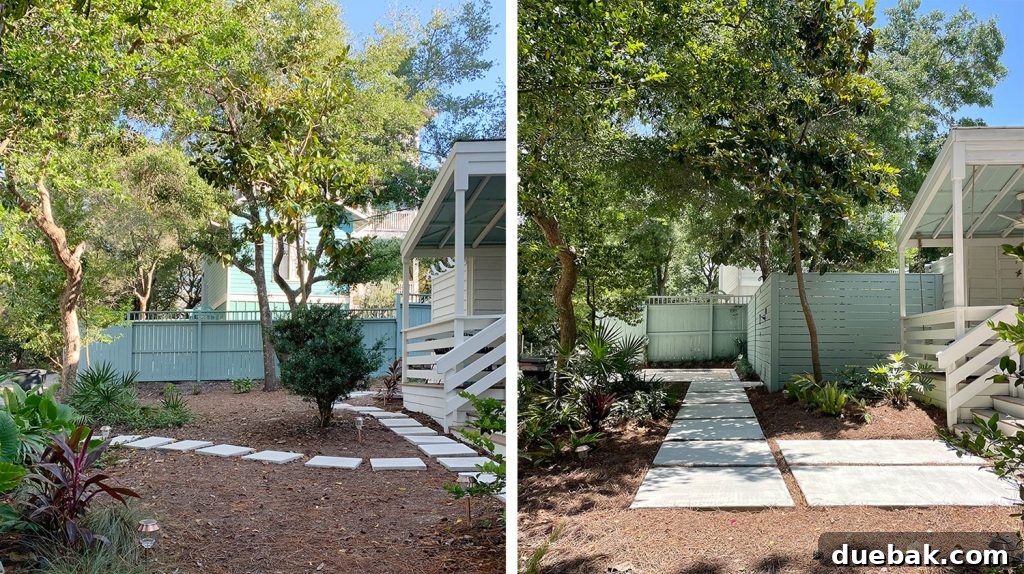
Consider, for instance, this vivid before & after comparison. The temporary pavers, which served their purpose for three years, always exuded a provisional and somewhat unstable character. In stark contrast, these expansive, poured concrete slabs now convey an undeniable sense of official permanence and robust quality, significantly upgrading both the visual appeal and practicality of our front entrance.
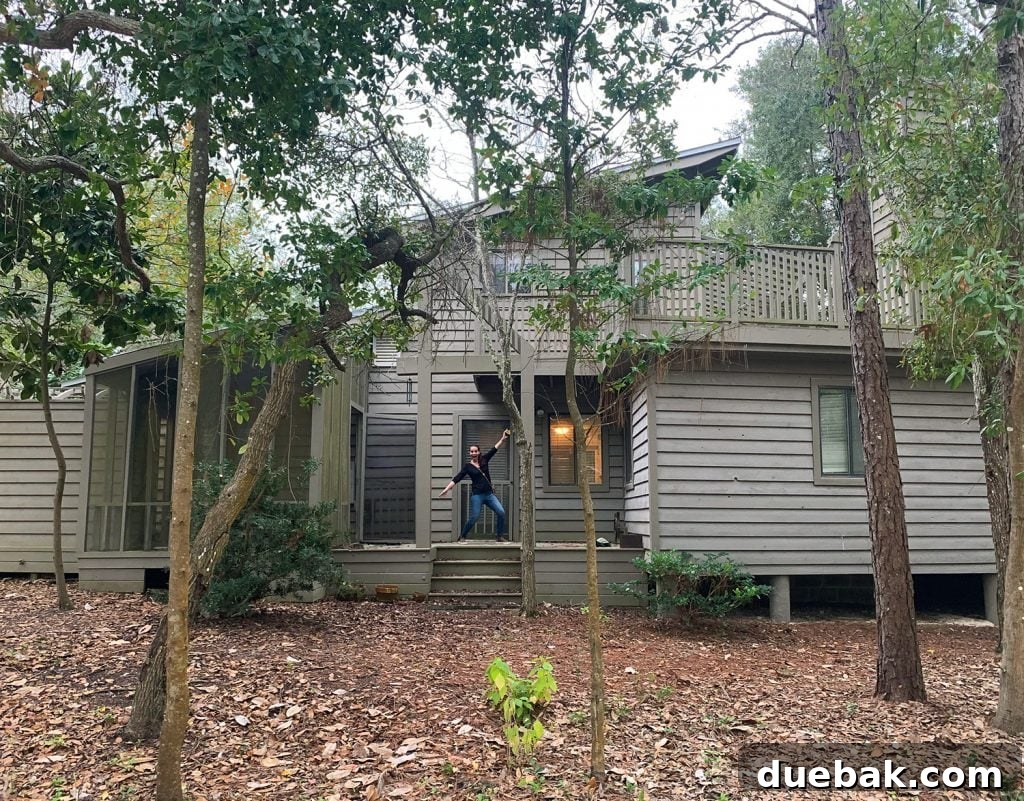
Revisiting an earlier “before” image, captured in February 2020 when we first encountered this house, offers a stark reminder of its initial state. The property was a blank canvas, devoid of the organized paths and parking it now enjoys. For a comprehensive look at all the initial exterior photos, you can explore them here.
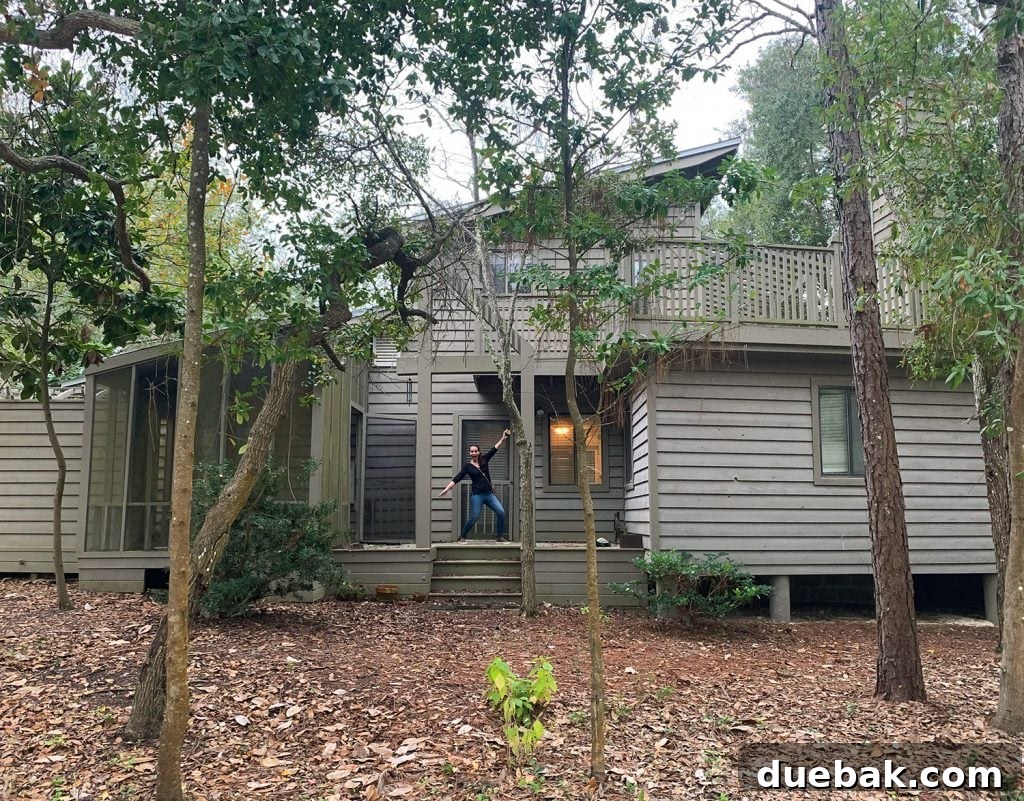
Fast forward a few months post-move-in, as documented in this October 2020 post, which marked the debut of our small, temporary paver pathways. This phase, while still rudimentary, began to hint at the potential for order and design. (Please note: our house number has been digitally altered for privacy in the image below, and subsequently removed from all future photos.)
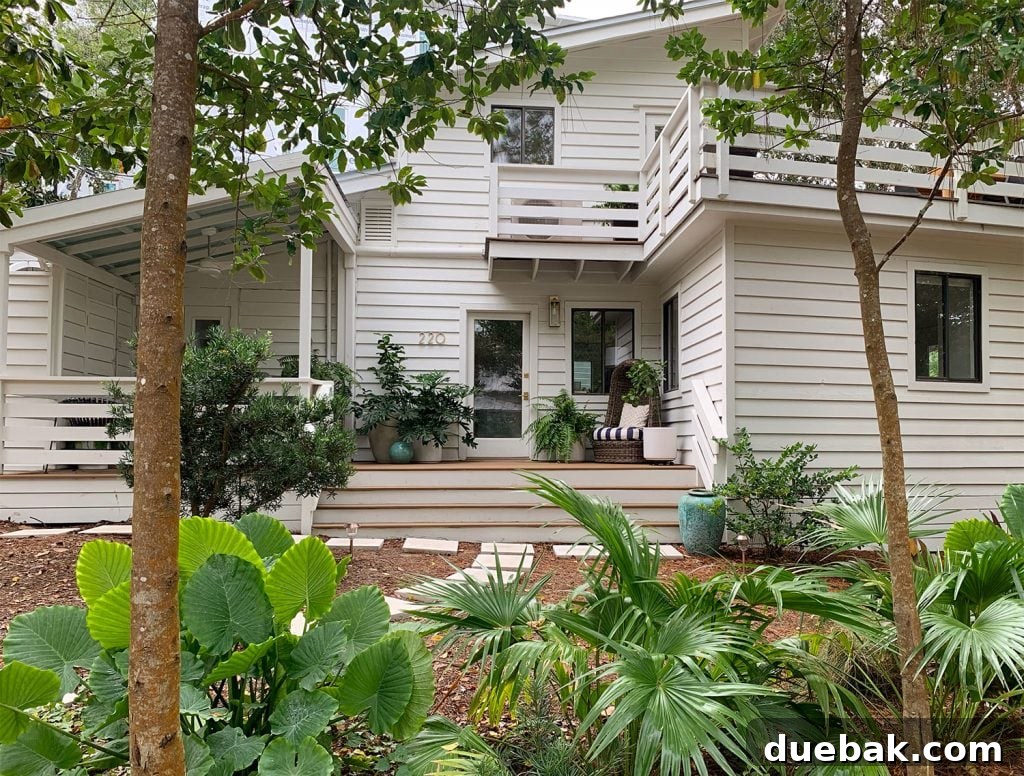
And now, we proudly present the current transformation of our home’s exterior! The meticulous planning and execution of our new gravel driveway and poured concrete front path have culminated in a cohesive, functional, and visually stunning entrance that truly enhances our property’s charm and usability.
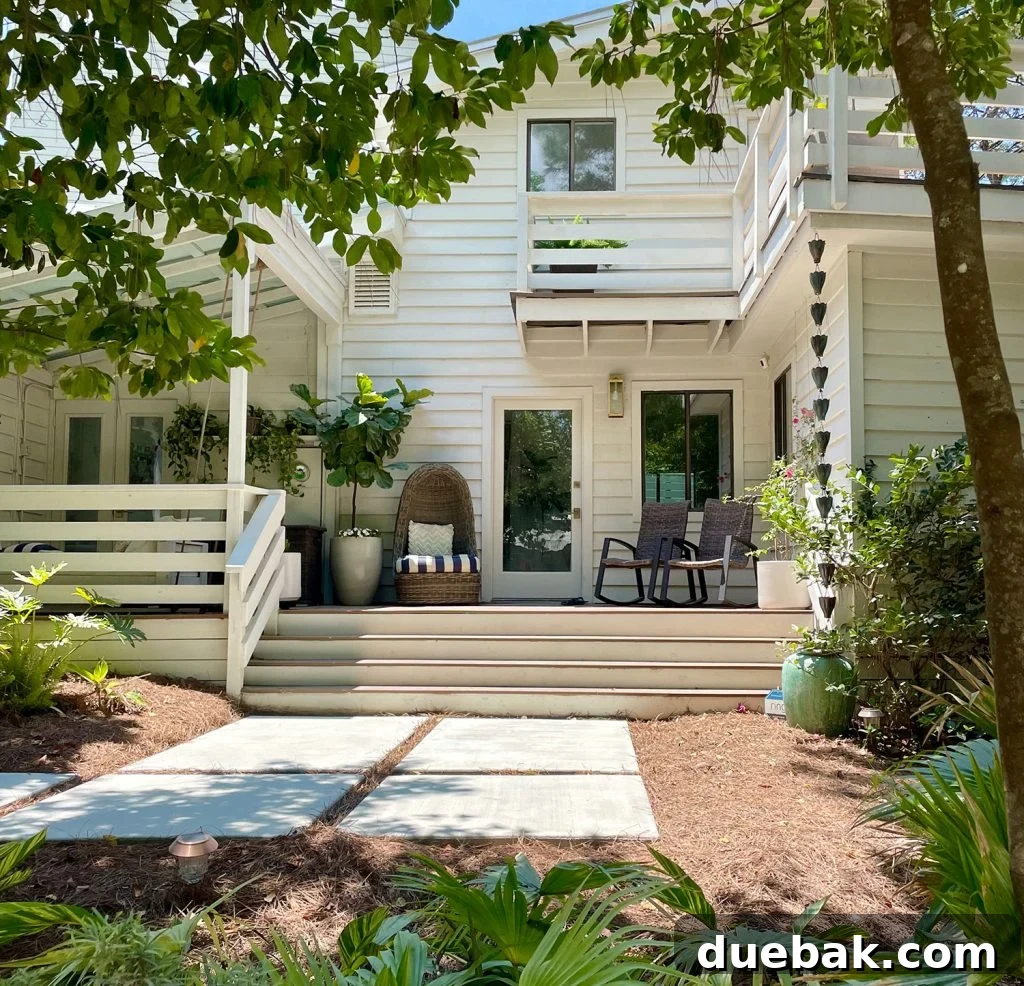
Some might inquire about our design choice to implement the concrete pavers in three sections rather than extending them fully across the front steps. This decision was driven by both functional and aesthetic considerations. Functionally, a single row of these substantial 48-inch-wide slabs provides more than ample width for comfortable walking. Aesthetically, this segmented approach subtly addresses some of our house’s inherent asymmetries. By creating this specific visual weight on the bottom left portion of the porch steps, we achieved a harmonious balance with the visual weight of the deck located on the upper right side of the house. This thoughtful placement ensures the overall composition feels deliberate and integrated, rather than merely practical.
The intentionality of this design becomes particularly evident when viewing our house from the street, which is how most visitors approach. The interplay between the L-shaped upper deck on the right side of the door and the complementary L-shaped walkway to the left of the front porch creates a sense of balanced symmetry, making the entire entrance feel cohesive and well-considered.
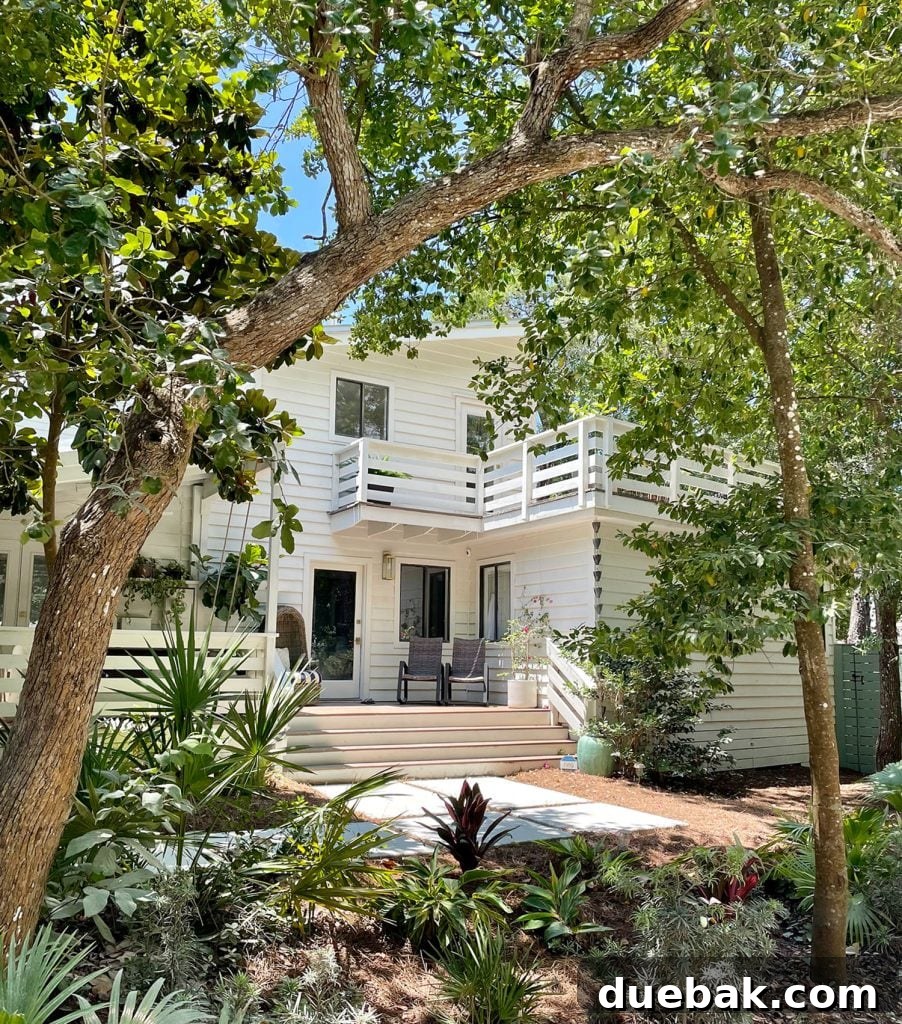
Furthermore, had we extended the concrete across the entire front, the expansive area (approximately 13 feet wide by 10 feet deep) might have inadvertently created the appearance of a patio rather than a defined pathway, altering the intended aesthetic and function of the space.
A Refined Path Off The Kitchen Porch: Seamless Side Yard Access
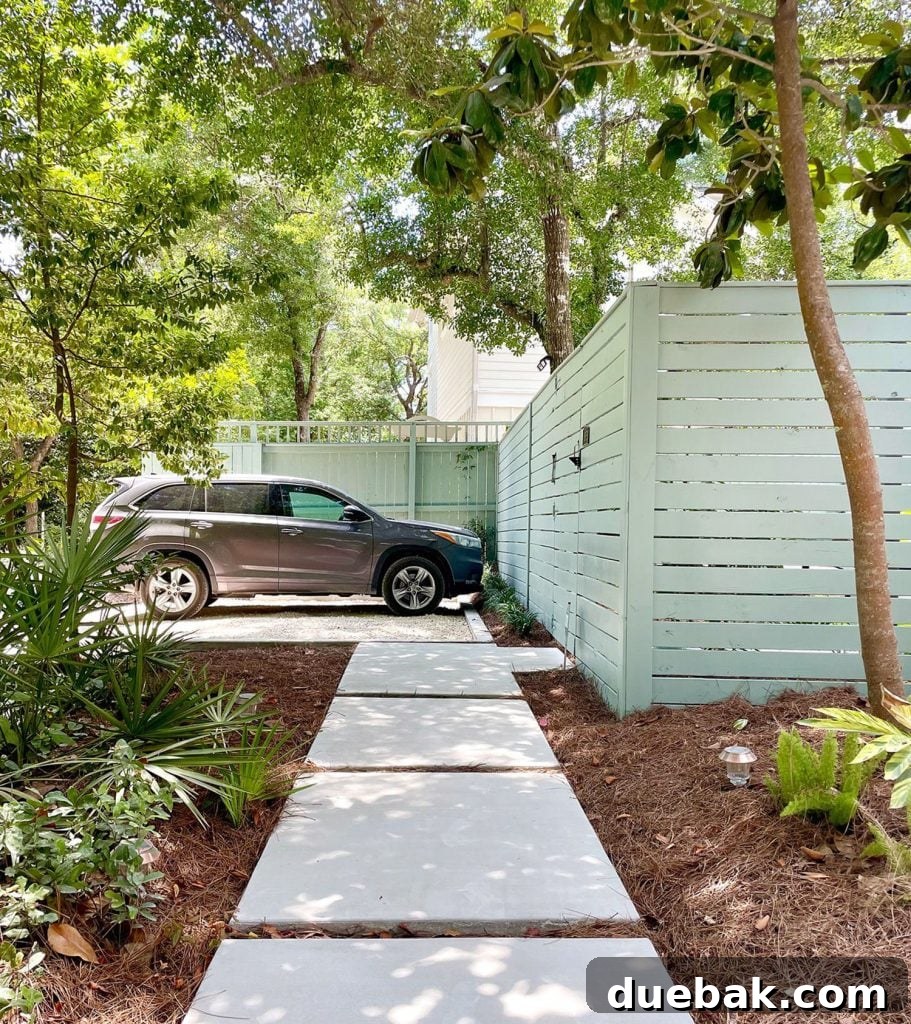
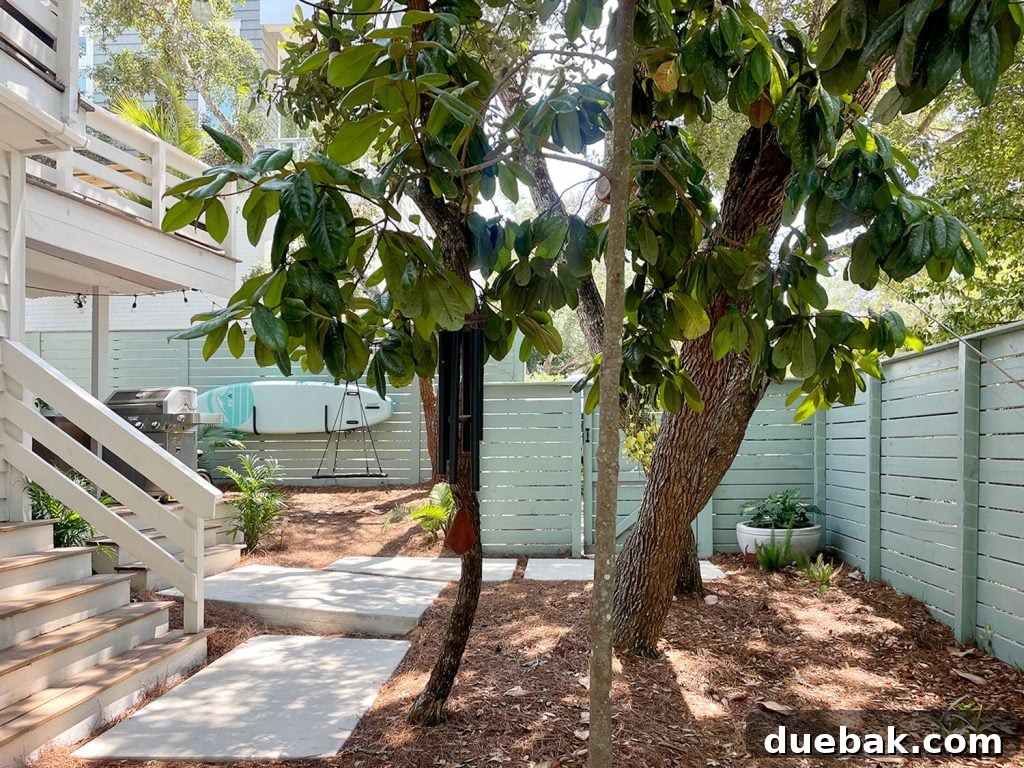
Our exterior improvements also extended to the side yard, where we integrated these same large, poured concrete pavers to create a seamless connection from our primary single-car parking spot to the kitchen porch. This was another area where temporary, smaller square pavers had previously served as a makeshift walkway, highlighting the need for a more durable and aesthetically pleasing solution. The new, custom-poured slabs represent a significant upgrade, offering enhanced stability and a polished finish that complements the overall exterior design.
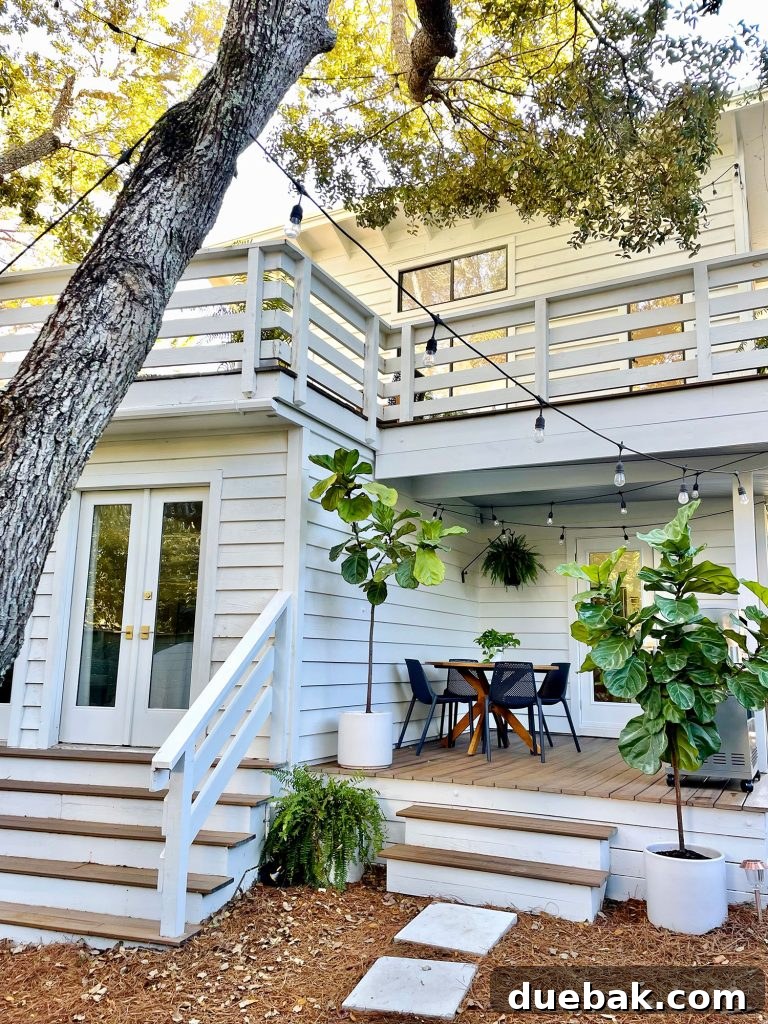
The sheer solidity and generous dimensions of these permanent, custom-poured concrete slabs are a welcome change. They not only provide a much more secure footing but also elevate the aesthetic appeal of this frequently used side entrance, enhancing the overall quality and feel of the space.
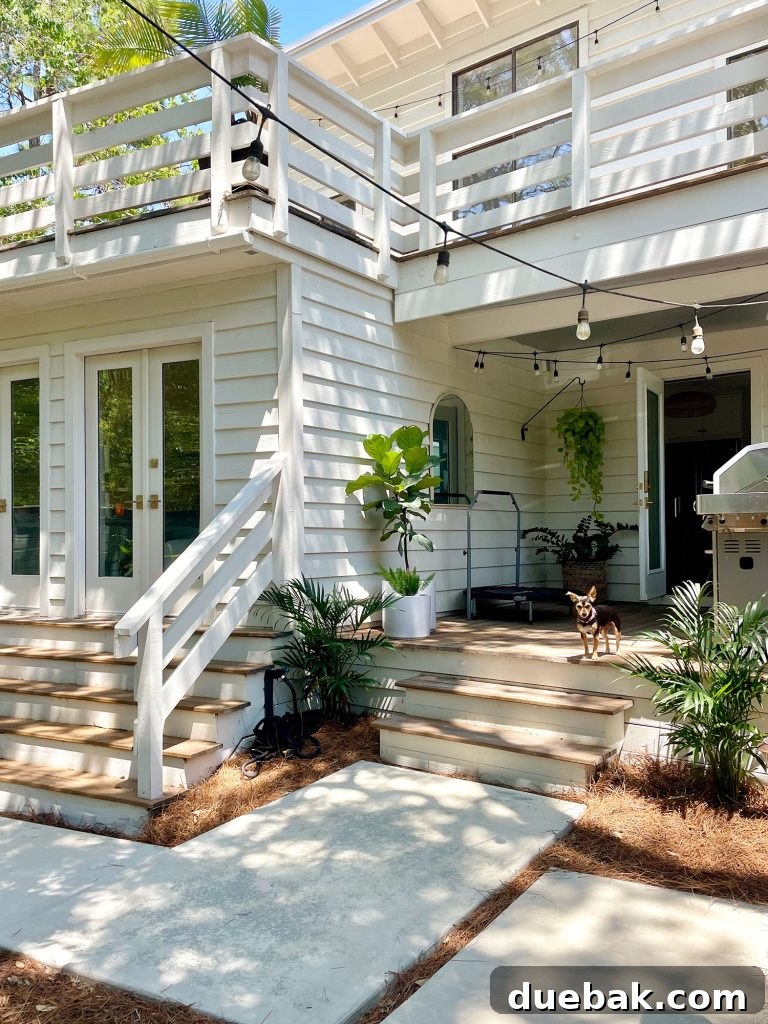
Navigating the quirky angles and inherent asymmetries of our house presented unique design challenges in this area. Specifically, the two sets of steps leading from the porch are not parallel, and only one aligns perpendicularly with the fence gate. Instead of fighting these architectural quirks, we embraced them, designing an artfully asymmetrical path that cleverly connects all the necessary points. This approach not only ensures functionality but also adds character, making the pathway feel like an organic extension of the house’s unique layout.
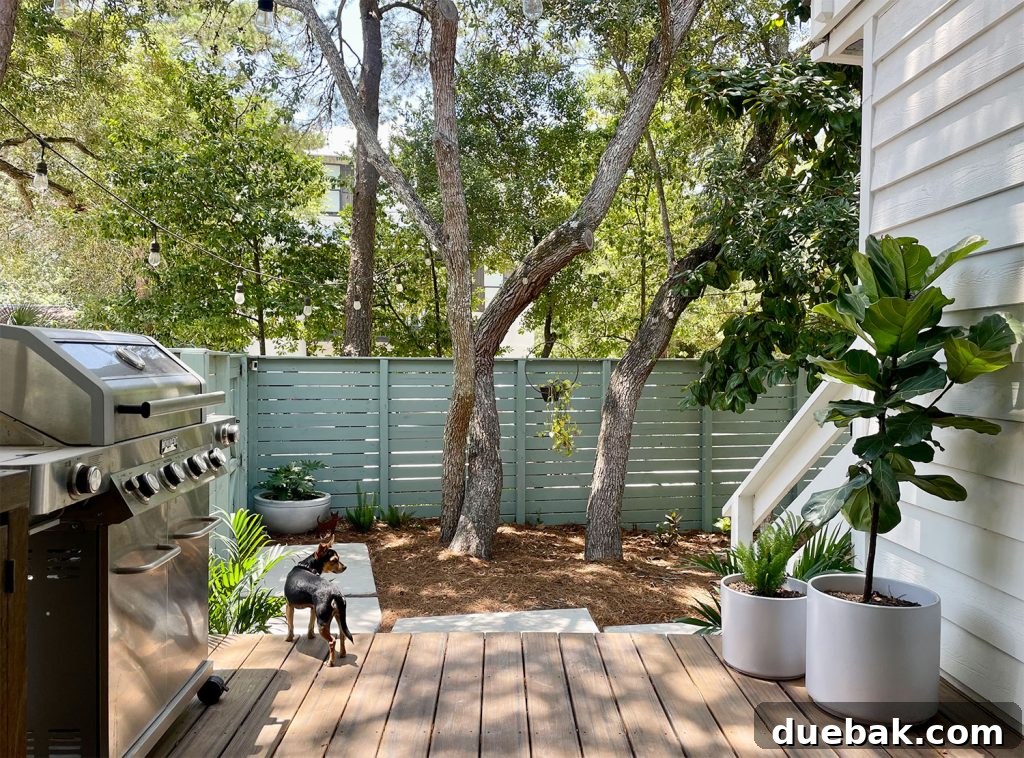
This side path comprises a total of four meticulously placed slabs. Three of these are level and seamlessly connect the kitchen porch to the gate, which in turn leads to our daily single-car parking spot. The fourth slab is strategically placed one step lower, providing a convenient link to our bedroom stairs. Our philosophy here was to install these permanent pathways precisely where they were needed, avoiding any extraneous additions. This thoughtful approach allows the surrounding area to retain much of its natural charm and appearance, blending functionality with the existing landscape. We’re now eagerly awaiting the faster regrowth of our plants after the unexpected big freeze last December!
This concludes our detailed overview of the new pathways, concrete curbs, and other essential additions that have significantly enhanced our home’s exterior functionality and aesthetic. If you haven’t yet explored our previous post detailing our spectacular new and larger pool area, which also showcases some of our favorite uses of concrete, be sure to click here for all the stunning photos and comprehensive details on that project. These combined efforts represent a monumental step in transforming our property into the dream home we’ve always envisioned.
*This post contains affiliate links, so we may earn a small commission when you make a purchase through links on our site at no additional cost to you.