
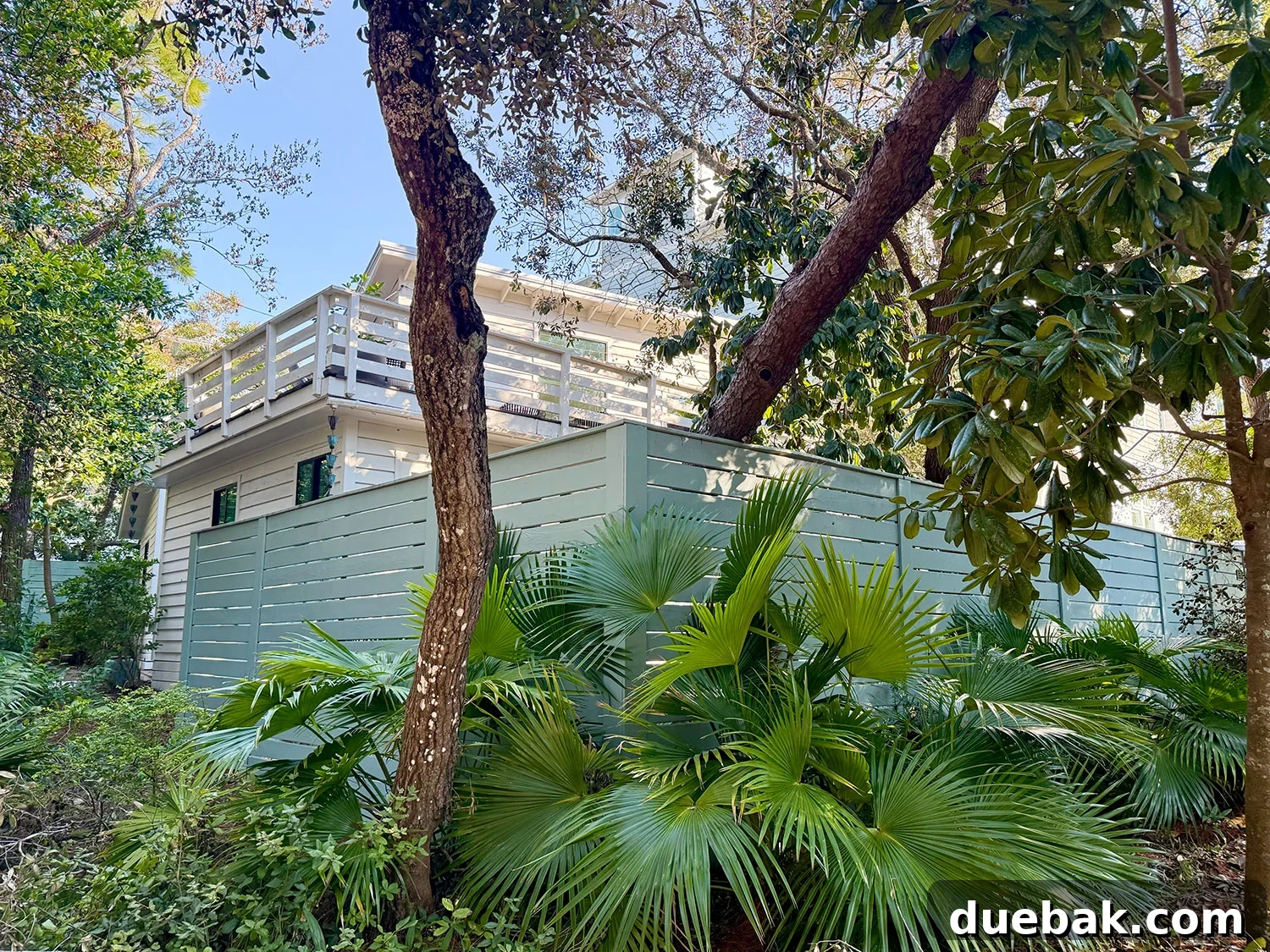
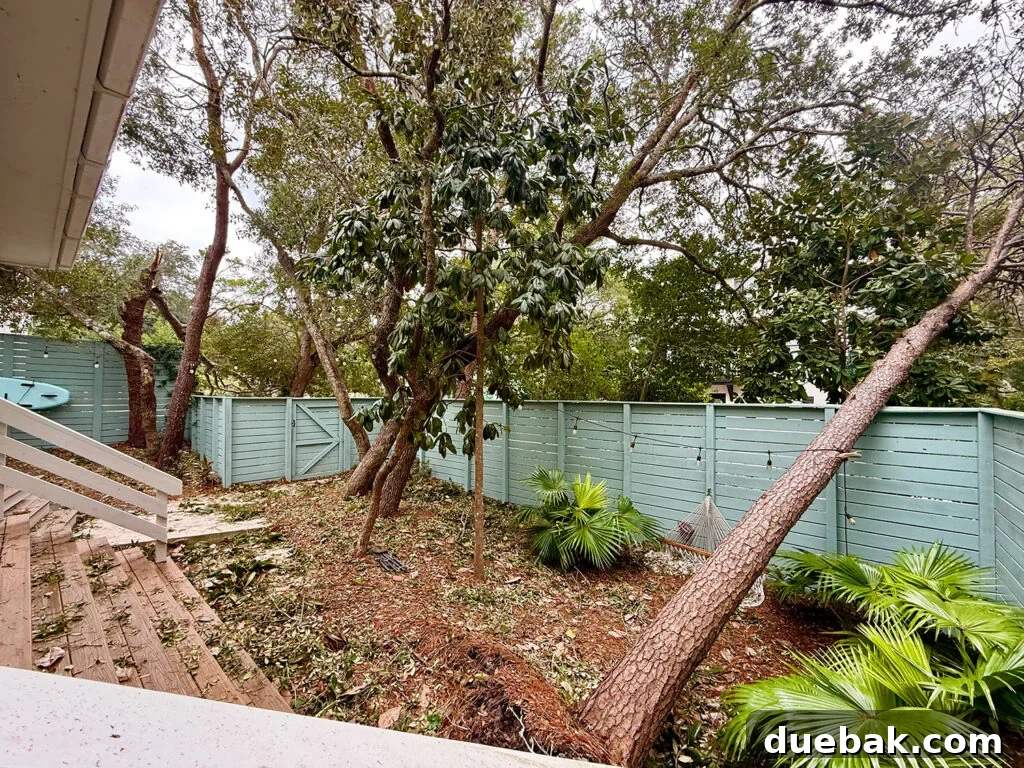
Hurricane Isaias was the first major hurricane to threaten our area since we moved here 6.5 years ago. We followed our county’s mandatory evacuation orders and drove several hours inland to Ocala, Florida. While we sheltered at an Airbnb with friends, children, and pets, we watched the storm strengthen to Category 3 and track toward our neighborhood. Fortunately, our house and most of the surrounding area sustained only minor damage: a few downed trees, a scraped fence rail from a leaning pine, and a lot of debris to clean up.
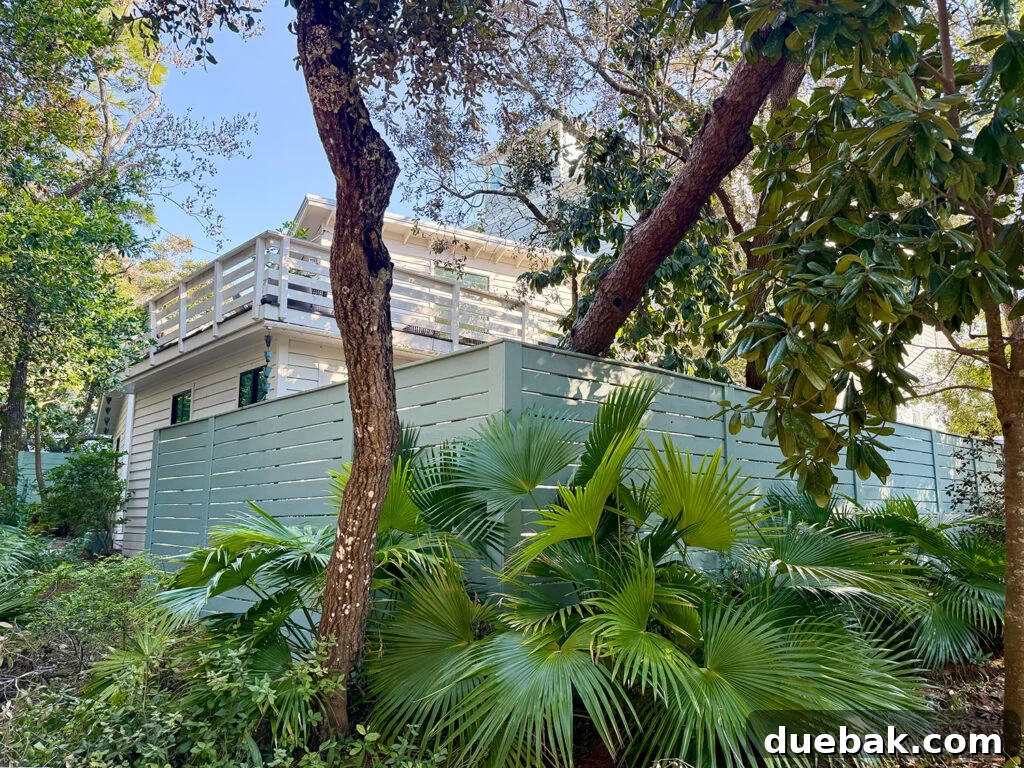
We feel incredibly grateful. Small comforts mattered: our cat meowed about 15 times during the drive, then curled up and slept the rest of the trip. But luck was only part of the story. When we bought this home, we prioritized hurricane-ready upgrades—some costly, others simple weekend tasks. Those improvements lowered our stress, helped reduce insurance costs, and gave us confidence during evacuation.
Below are the key improvements we made, ordered roughly from largest to smallest in scale, cost, and time commitment. These focused on reducing vulnerability to wind, water, and prolonged power loss.
6 Ways We Got Our Home Hurricane-Ready
Our house is around 36 years old. Despite originally having older single-pane windows, the home had weathered decades of storms, which gave us confidence in its basic structure. Still, we made several upgrades to improve protection and peace of mind.
- Buying a less vulnerable house
- Upgrading to impact-rated doors & windows
- Installing a whole-house generator
- Adding hurricane ties
- Choosing outdoor furniture wisely
- Setting up security cameras and sensors
Each change helped reduce risk and made evacuation and recovery easier.
1. Buying a Less Vulnerable House
When house hunting, we prioritized locations with low flood and storm-surge risk. Water is the leading danger in hurricanes, so avoiding flood-prone areas was essential. We used official flood-mapping resources and local observations to select a property with very low flood risk. Our neighborhood benefits from high dunes and an elevated hill, placing the home well above likely surge levels for most storms. Choosing a site with natural elevation and protective barriers reduced our exposure to the most destructive hurricane effects.
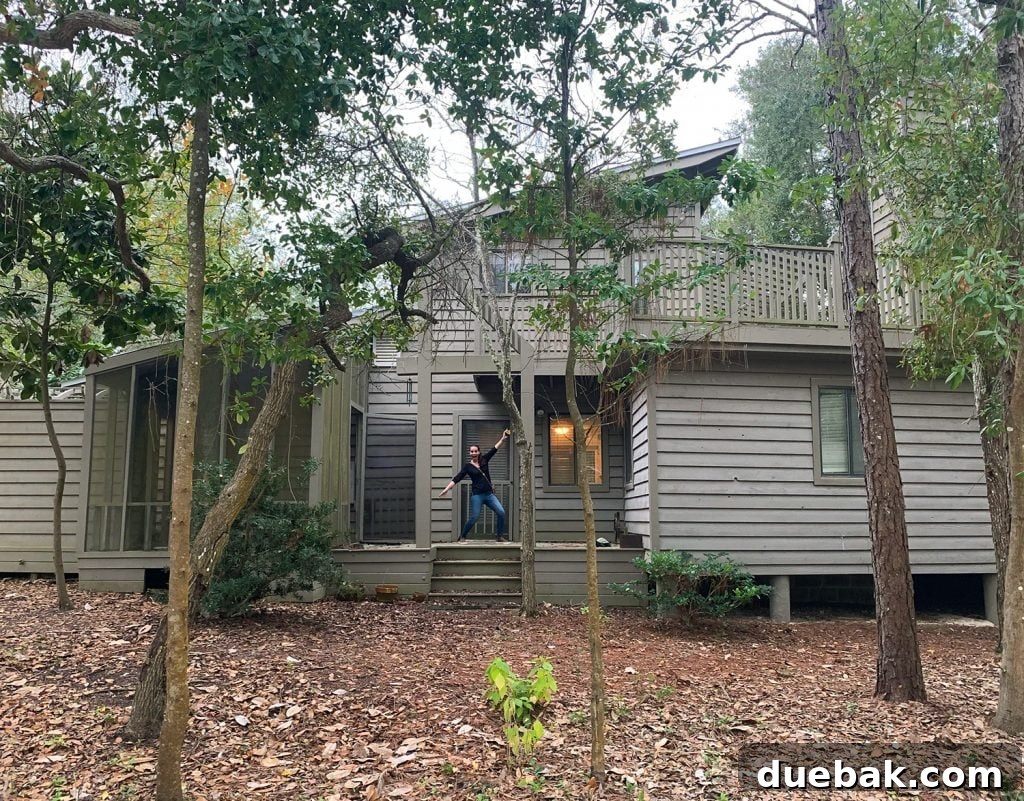
If moving isn’t an option, the remaining improvements detail practical steps to harden the home you already have.
2. Upgrading to Impact-Rated Windows & Doors
Replacing all windows and exterior doors with impact-rated products was the single largest project we completed. These windows are engineered to resist high winds and flying debris. A broken window during a hurricane increases interior pressure and raises the risk of roof or structural failure, so impact-rated glazing helps protect the whole home.
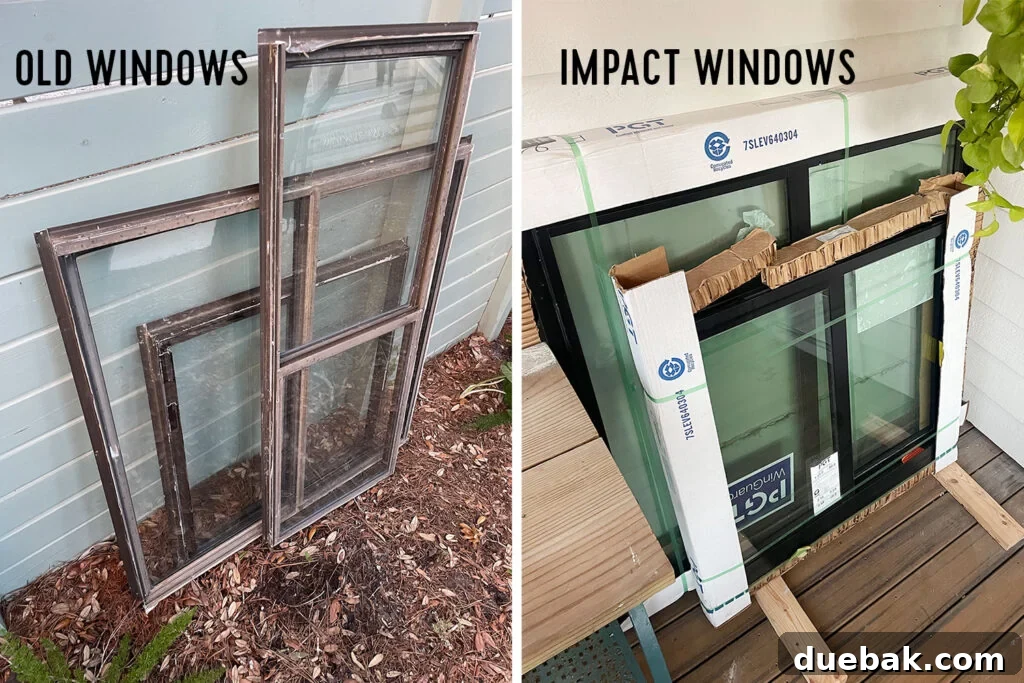
This upgrade was expensive and took months to complete due to additional repairs uncovered during installation, but it was worth it for the protection and the insurance benefits. Impact-rated windows are tested for high wind loads and missile impacts so they may crack under extreme force but are designed not to breach, reducing water intrusion and extreme pressure swings inside the home.
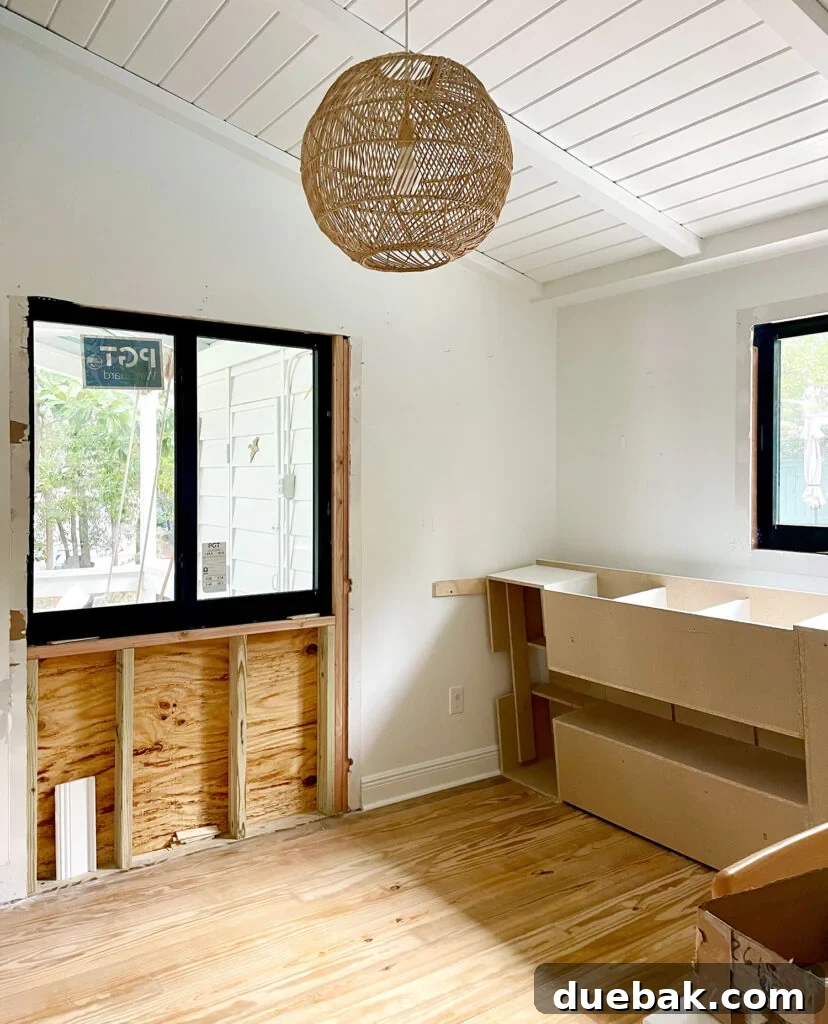
Alternatives like shutters, plywood, or protective fabric exist and can be effective, but we preferred a permanent solution that provides year-round protection without last-minute labor.
3. Installing a Whole-House Generator
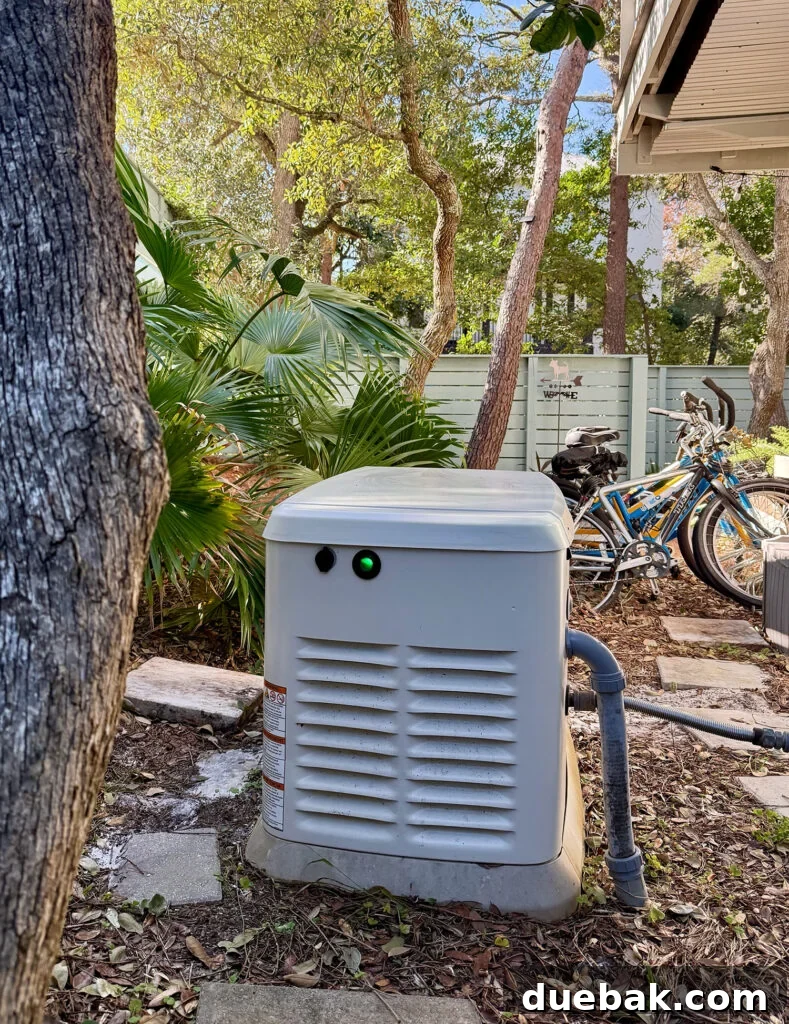
A whole-house generator was another major investment. After repeated multi-day outages from past storms, we decided a permanently installed generator was worth the cost. We chose a professionally installed unit connected to the natural gas line so it starts automatically when power fails and runs continuously without frequent refueling.
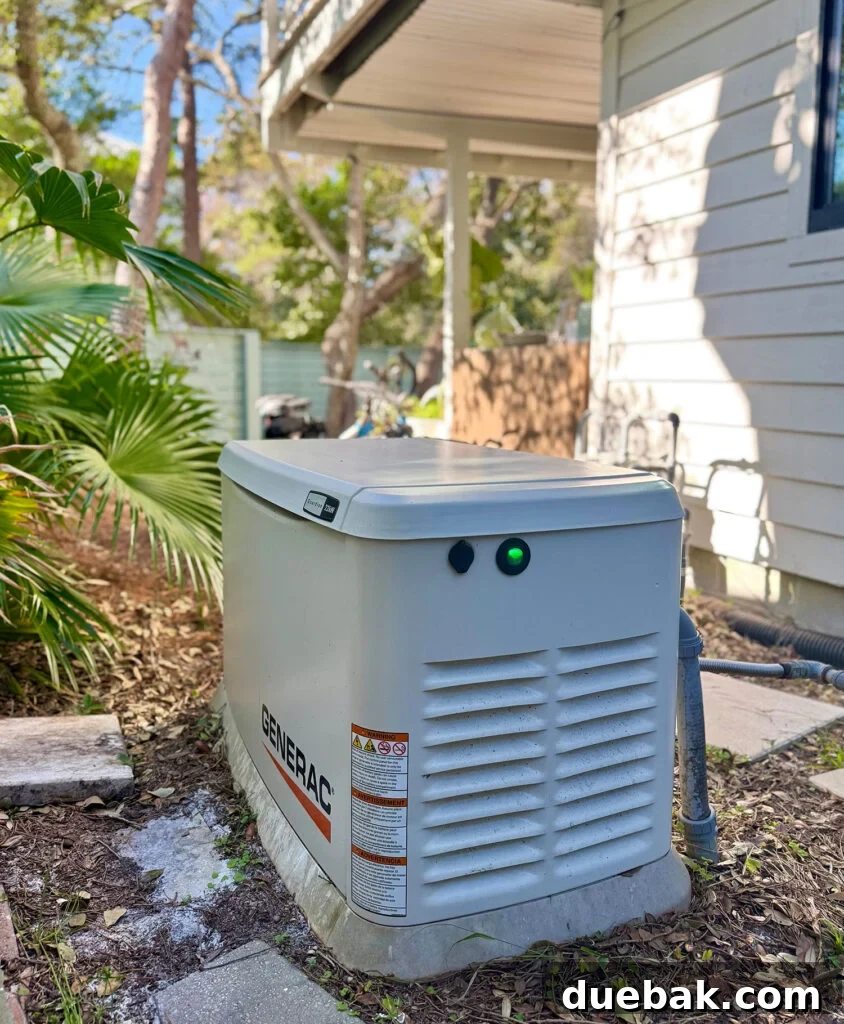
Benefits include automatic operation, permanent wiring to the main panel, continuous fuel supply from the gas line, and the ability to power most or all of the house so you don’t have to prioritize circuits. There are maintenance and installation considerations—choose qualified contractors, keep up with annual servicing, and confirm correct setup—but during Isaias the generator kept our home comfortable and allowed neighbors to charge devices and access electricity.
4. Adding Hurricane Ties
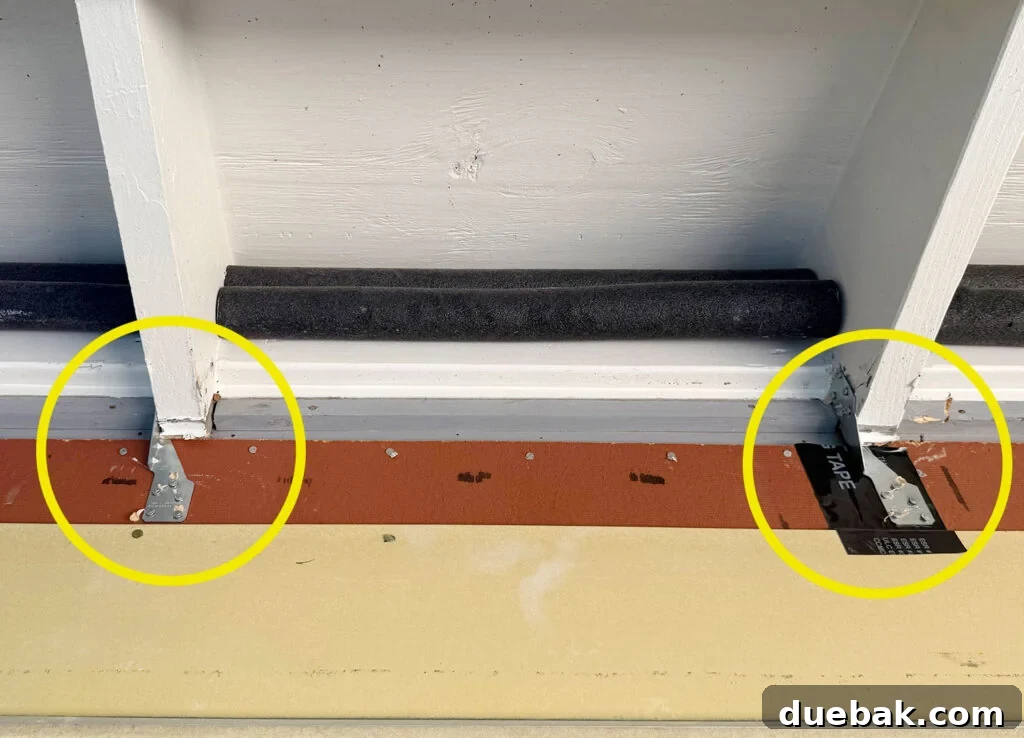
Hurricane ties, also called clips or straps, secure the roof framing to the walls and reduce the chance of roof uplift in high winds. Florida building codes required these after 2002, but older houses can be retrofitted. We paid a local contractor to install ties and obtained the required inspection to improve our wind-mitigation documentation and lower insurance premiums. The cost was reasonable for the added structural security.
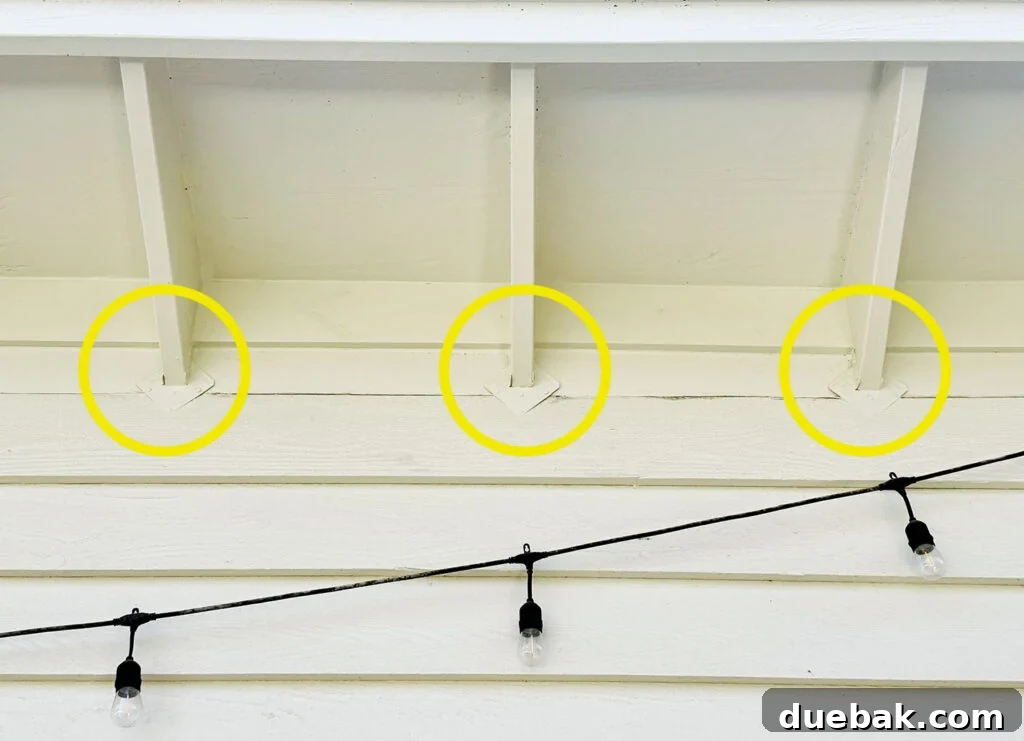
Some ties are visible under eaves, while others can be hidden behind siding during renovations. Installing them alongside other upgrades helped streamline inspections and paperwork for insurance credits.
5. Choosing Outdoor Furniture Wisely
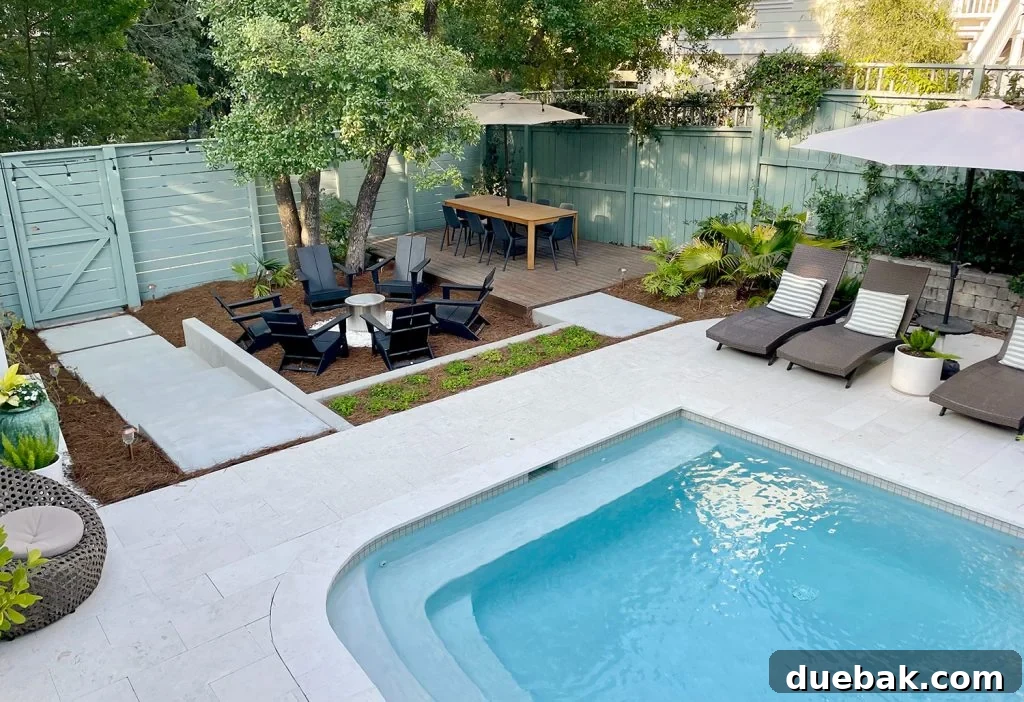
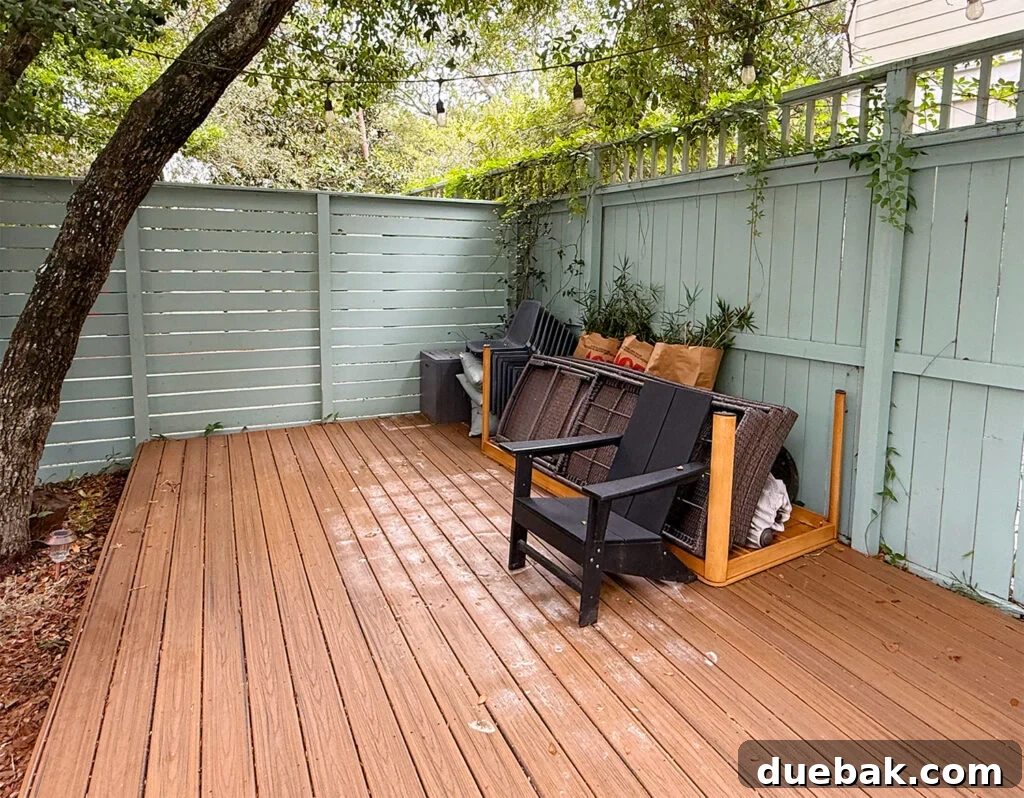
Outdoor items can become dangerous projectiles in high winds, so we chose furniture that stacks, folds, or collapses flat for secure storage. With limited storage space, we plan how to consolidate patio pieces into one sheltered area or strap them together to reduce wind exposure. Bungee cords, stacking chairs, and fold-flat loungers make it easier to prepare quickly when a storm approaches.
6. Setting Up Security Cameras and Sensors
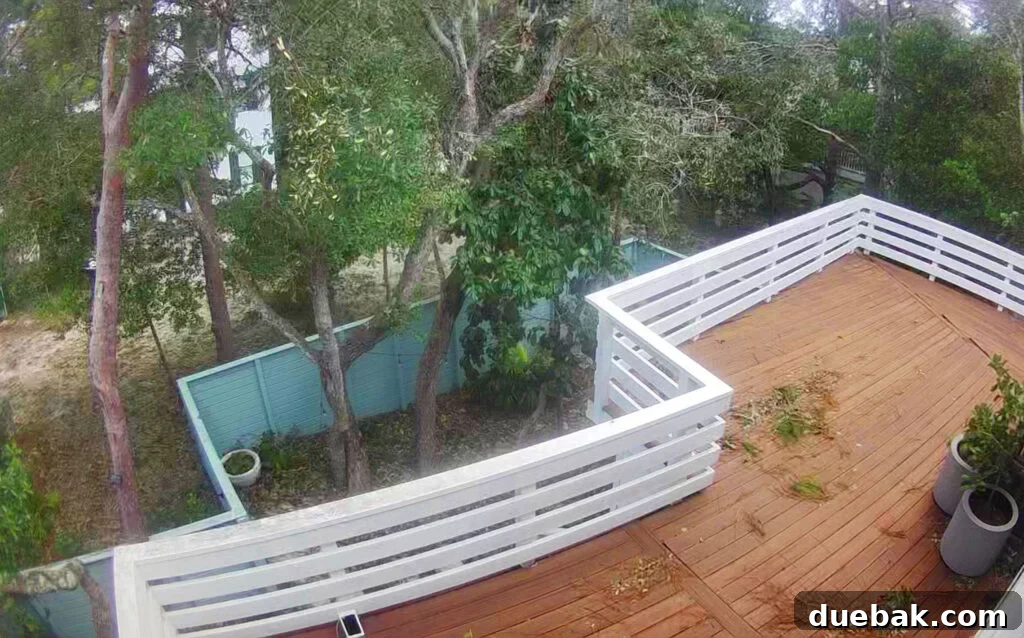
Security cameras and smart sensors gave us peace of mind while we evacuated. We use cameras to monitor the property for damage and keep an eye on yard conditions. Combined with the generator, the cameras stayed online during the outage so we could check live feeds. Additional sensors—such as water/leak detectors under sinks and alarms for doors and windows—helped monitor potential problems so we didn’t return to unpleasant surprises.
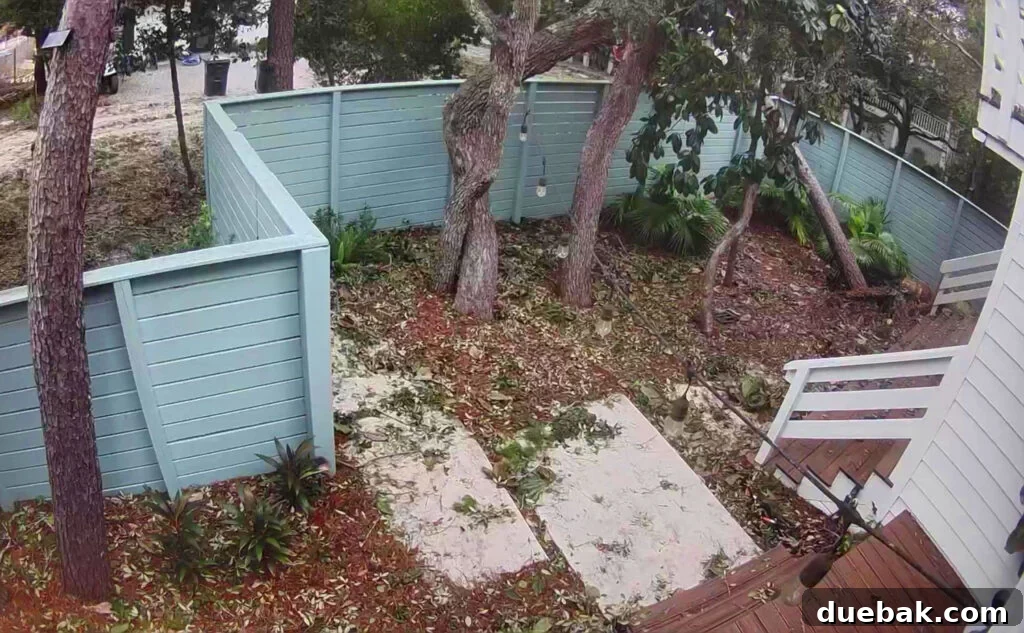
Thanks to cameras and helpful neighbors, we knew our damage was limited to a scratched fence board and a few yard cleanup tasks. That knowledge made returning home much less stressful.
Some of these improvements were expensive and required time to save and schedule, which is why we phased them in over several years. None of them guarantee perfect outcomes, but together they reduced our vulnerability, eased the evacuation process, and sped recovery. Most of all, these upgrades allowed us to prioritize the safety of family and pets without the constant worry about what we might find when we returned.
*This post contains affiliate links in the original; we may earn a small commission when purchases are made through affiliate links at no additional cost to you.