

In the dynamic world of home decor, it’s easy to fall into the trap of believing that a fresh look always demands new purchases. However, living and working in the same space, as many of us do, often sparks a greater need for variety and visual refreshment. The constant exposure to our surroundings can lead to a desire for change, not out of dissatisfaction, but out of a simple yearning for novelty and inspiration. Instead of succumbing to the urge to buy, which can quickly become an expensive habit, there’s immense joy and satisfaction in rediscovering the potential of items we already own. This philosophy of ‘shopping your home’ is not merely a cost-saving strategy; it’s an art form that transforms everyday objects into captivating decorative elements, breathing new life into familiar corners without spending a dime.
The beauty of this approach lies in its simplicity and accessibility. It encourages a mindful and creative perspective, inviting us to view our possessions through a different lens, asking: “What else can this be?” It’s a delightful process of experimentation, where a humble storage basket can become a stylish planter, or a pantry staple can add an unexpected touch of elegance to a candle arrangement. This conscious effort to rework and repurpose not only keeps our spaces feeling fresh and engaging but also fosters a deeper appreciation for the items we possess. It allows us to infuse our homes with a unique, personalized style that tells a story, rather than just showcasing mass-produced trends.
The Art of Repurposing: Elevating Everyday Objects in Home Decor
One of the most satisfying transformations involves elevating a simple, functional item into a focal point of home decor. Take, for instance, a basic white planter. While perfectly functional, it might lack a certain je ne sais quoi. This is where the magic of repurposing begins. A round woven storage basket, perhaps one previously used for organizing toiletries in the bathroom, can be effortlessly slipped over the plain planter. Instantly, the ordinary becomes extraordinary. This simple DIY project injects an incredible amount of textural interest, transforming a mundane plant pot into a stylish, custom-looking piece that adds warmth and an organic touch to any room. It’s a testament to how minor adjustments can yield significant aesthetic impacts.
The addition of a woven texture brings a natural, handcrafted feel to your indoor plant display. This subtle yet powerful design element can bridge different decor styles, from modern minimalist to bohemian chic, adding depth and visual intrigue. The interplay of the plant’s green foliage against the earthy tones and intricate patterns of the woven basket creates a harmonious blend that is both soothing and visually stimulating. This technique can be applied to various planters and baskets, encouraging you to mix and match materials and textures to create unique arrangements that reflect your personal taste. It’s a smart way to achieve a high-end look without investing in expensive decorator items, making it a cornerstone of budget-friendly interior design.

Beyond the Ordinary: Creative Vase Fillers and Candle Styling Hacks
The concept of repurposing extends beautifully to how we style decorative accents, especially when it comes to candles and vases. A standard pillar candle placed inside a glass hurricane can often feel a little too bare, lacking a certain dimension. This is an opportune moment to introduce an unexpected element – an unconventional vase filler. Instead of reaching for traditional pebbles or glass beads, consider venturing into your pantry for a surprisingly effective decor hack: brown rice. Its earthy hue and granular texture instantly elevate the candle display, providing a grounding, organic base that complements a variety of decor styles. This simple addition completely transforms the look, adding depth and visual weight to the arrangement.
The appeal of using brown rice as a vase filler is multifaceted. Firstly, its natural color wonderfully mimics the rustic texture of the woven planter basket, creating a cohesive visual narrative across your decor. Secondly, it’s incredibly cost-effective, leveraging an everyday pantry item that you likely already have on hand. Beyond brown rice, the possibilities for unconventional vase fillers are limitless. Imagine using lentils, dried beans, coffee beans for a rich aroma, small pebbles, sand, corks, or even seasonal items like acorns or cranberries during the holidays. These creative choices not only save money but also infuse your home with a unique character and a personal touch that store-bought fillers often lack, reflecting a truly creative approach to home styling.

Embracing these smart decorating principles is not just about saving money; it’s about cultivating a more sustainable and imaginative approach to interior design. By consciously choosing to repurpose and reuse items already within your home, you actively resist the consumerist cycle of constantly buying new things. This practice encourages a deeper appreciation for your belongings and challenges you to see their potential beyond their initial function. It fosters a creative mindset, allowing you to develop a truly unique and personal style that authentically reflects who you are, rather than adhering to transient trends. The satisfaction derived from transforming something ordinary into something extraordinary, using only what’s available, is incredibly rewarding and contributes to a more mindful living space.

Bringing Greenery to Life: Styling Succulents and Books for Visual Impact
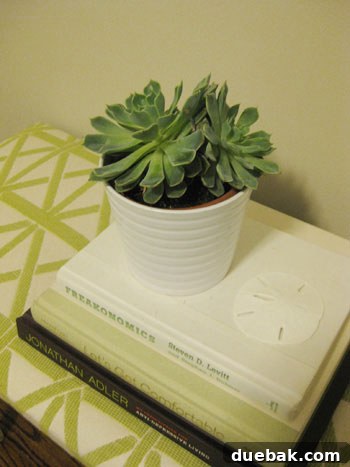
Plants are indispensable elements in home decor, infusing spaces with life, color, and a sense of calm. Succulents, in particular, have soared in popularity due to their low-maintenance nature and architectural beauty. A new succulent, perhaps a charming $3 find, can instantly brighten a corner. But even the most beautiful plant benefits from thoughtful styling. Placed in a simple white planter, a succulent is lovely, but imagine elevating it, literally, with an unexpected pedestal. This is where the magic of repurposing truly shines: stacking a few hardcover books to create a custom plant stand. This ingenious hack introduces varying heights into your decor, a crucial element for creating visual interest and dynamic arrangements that capture the eye and guide it through the room.
The use of stacked hardcover books as a plant pedestal is a design stroke of genius. Books offer a sturdy, customizable base that can be adjusted to any desired height. Beyond functionality, they introduce an intellectual and cozy aesthetic, adding character and warmth to your plant display. For a cohesive and sophisticated look, consider removing the plastic-y paper jackets from hardcover books. The fabric bindings underneath often reveal beautiful textures and muted tones that are far more elegant and timeless. This simple act transforms ordinary books into refined decorative objects, allowing their subtle patterns and colors to contribute to the overall decor scheme. It’s a fantastic way to utilize items that might otherwise be gathering dust on a shelf, turning them into stylish and functional decor pieces.

This strategy of using books as pedestals isn’t limited to succulents. You’ll notice this trick applied elsewhere in thoughtful interior design, perhaps under the woven basket planter on a living room console table, further demonstrating the versatility of this decor hack. The principle here is to play with different levels and heights to break up monotonous lines and create a more engaging visual landscape. Other items that can serve as unexpected pedestals include small vintage crates, decorative tins, or even upside-down bowls. The goal is to create layers and dimension, drawing the eye upwards and adding a sense of depth to your arrangements. It’s about curating a space that feels intentional and thoughtfully designed, without the need for extravagant purchases.
Cultivating a Personal Style: Your Home, Your Rules
Ultimately, the journey of decorating your home is about cultivating a personal style that resonates with you. It’s about discovering the unique potential within your own space and making it truly yours, often without the need to spend a fortune. By embracing creative repurposing, shopping your own home, and looking at everyday objects with fresh eyes, you unlock a wealth of possibilities for transformation. This approach not only saves money but also promotes sustainability, reduces waste, and allows you to create a home that is rich in character and full of stories. Every re-arranged accessory, every repurposed item, contributes to a living environment that feels authentic, cherished, and deeply personal. It’s a continuous process of discovery, where laziness often loses out to the sheer fun of reimagining what you already have.
So, take a moment to look around your home. Challenge yourself to see beyond the obvious function of each item. Could that ceramic bowl be a catch-all tray for keys? Can that scarf become a pop of color draped over a chair? Is there a hidden gem in your pantry or storage closet waiting to be transformed? The beauty of this approach is that it is ever-evolving, allowing for small switcheroos and seasonal refreshes that keep your space feeling vibrant and alive. It empowers you to be the chief curator of your environment, creating a sanctuary that reflects your personality and sparks joy every single day. Embrace the challenge, enjoy the process, and let your creativity shine through in every corner of your home.
Share Your Creative Decor Hacks!
What about you? Do you have any surprising objects, items, or even edibles that you use in unexpected ways when it comes to home decor? We’d love to hear your inventive ideas! Spill the beans (and yes, those could make for interesting vase fillers too!). Share your best tips for budget-friendly styling and repurposing in the comments below. Let’s inspire each other to create beautiful, personalized spaces with what we already have.