
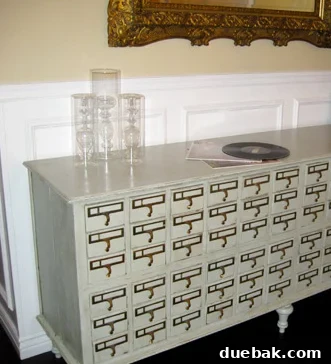
From Stacks to Style: The Remarkable Revival of a Vintage Library Card Catalog
For those of us who appreciate the quiet charm of a library, there’s a certain nostalgia associated with the iconic elements of these revered institutions. From the systematic order of the Dewey Decimal System to the tactile experience of flipping through microfiche, these details hold a special place in our hearts. It’s this deep-seated appreciation for historical artifacts and clever repurposing that makes projects like the one we’re about to explore truly exciting. Imagine breathing new life into a forgotten piece of history, transforming it from a humble repository of information into a stunning, functional centerpiece for your home.
This is precisely the kind of captivating DIY adventure we encountered recently, shared by the talented duo Jeremy and Adrianne. Their ambitious project involved a remarkable Craigslist score: an authentic vintage library card catalog, rescued from its past life in a public library, destined for an extraordinary transformation into a signature buffet for their dining room. Their vision perfectly encapsulates the magic of upcycling – taking an item rich with character and history and infusing it with renewed purpose and contemporary elegance. Jeremy’s initial communication to us perfectly set the stage for this inspiring journey:
“My wife Adrianne and I are huge fans of your site, and we were eager to share our latest project. We managed to snag a vintage Phoenix Public Library card catalog off Craigslist for an incredible $150. Our goal was to reimagine it as a buffet for our dining room, and we couldn’t be happier with the outcome. Here’s a brief rundown of the steps we took to bring this vision to life:”
Unearthing Potential: The Allure of Vintage Card Catalogs
Library card catalogs, with their rows upon rows of small, perfectly proportioned drawers, evoke a sense of organized chaos and scholarly charm. These formidable pieces of furniture, once central to accessing knowledge, have largely been replaced by digital systems. However, their robust construction, rich wood tones, and inherent character make them highly coveted items for restoration and repurposing enthusiasts. Finding one, especially at a bargain like Jeremy and Adrianne’s $150 gem, is often the starting point for a truly unique home furnishing project.
The inherent design of a card catalog offers immense versatility. Each drawer, originally intended for index cards, presents a multitude of storage possibilities for a modern home. Beyond functionality, these pieces carry a story, a tangible connection to the past that mass-produced furniture simply cannot replicate. Their aged patina, minor imperfections, and solid build quality speak volumes about their history, adding depth and narrative to any space they inhabit.
The Transformation Begins: A Step-by-Step Guide to Crafting a Custom Buffet
Jeremy and Adrianne’s project was not just a simple paint job; it was a comprehensive structural and aesthetic overhaul that demanded careful planning, patience, and a keen eye for detail. Their methodical approach to disassembling, reconfiguring, and refinishing this substantial piece of furniture offers invaluable insights for anyone considering a similar upcycling venture. Let’s delve into the intricate steps that turned this library workhorse into a dining room showstopper.
Step 1: Meticulous Disassembly and Preparation
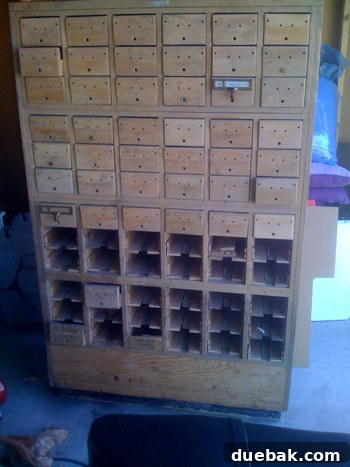
The initial phase of any major furniture transformation is often the most critical, laying the groundwork for all subsequent steps. For a piece as complex and heavy as a library card catalog, this phase requires extreme precision and foresight. Jeremy and Adrianne began by carefully removing all 72 individual drawers. To ensure each drawer could be returned to its exact original slot, they meticulously numbered each one with tape as they went. This seemingly small detail is crucial for preserving the integrity and historical fit of the piece, preventing frustration during reassembly. Following the drawer removal, they carefully dismantled the original exterior plywood casing of the cabinet. This step was essential to access the core structure and prepare the sections for their new configuration.
Step 2: Reconfiguring for a New Purpose
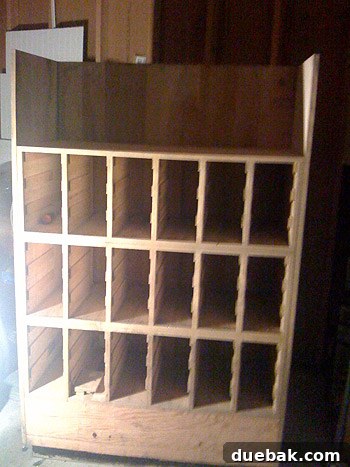
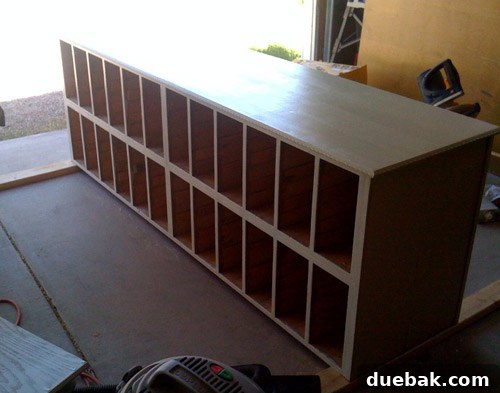
One of the most innovative aspects of this project was the decision to reconfigure the catalog’s internal structure. The original unit was comprised of four distinct sections, each containing 18 slots, stacked vertically in a 4×1 arrangement. To create a more suitable form factor for a dining room buffet, Jeremy and Adrianne expertly separated these four sections and then reacquainted them in a new 2×2 horizontal buffet setting. This thoughtful rearrangement not only optimized the dimensions for their dining space but also created a broader, more functional surface area typical of a buffet. Once the new configuration was established, the sections were securely screwed back together, ensuring a stable and cohesive foundation for the evolving piece.
Step 3: Crafting a Robust Top and Base
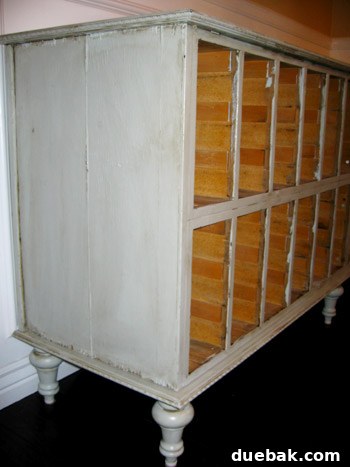
With the core structure reconfigured, the next challenge was to provide a sturdy top and base that would complement the catalog’s inherent strength and character. They opted for two 4’x8’ sections of durable oak plywood, chosen for its strength and appealing grain. A clever cost-saving and convenience measure involved having Lowe’s cut these large sheets to the precise dimensions needed for the new top and base, eliminating the need for specialized tools at home. While new plywood was used for the horizontal surfaces, Jeremy and Adrianne made a conscious decision to reuse the original casings for the sides. This was a brilliant move to preserve the authentic character of the piece, as these existing side panels already bore “great splits and dents” that spoke volumes of its history, adding to its unique antique charm rather than detracting from it.
Step 4: Adding Essential Support and Decorative Trim
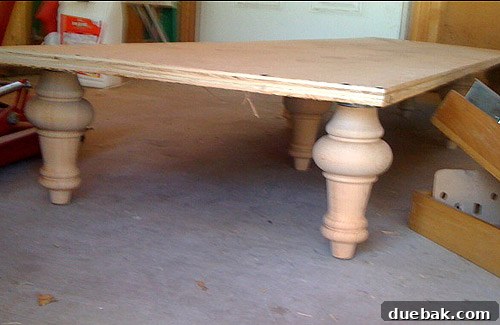
Considering the substantial weight of the card catalog – estimated to be around 350 lbs – adding robust support was paramount. They purchased eight sturdy legs from Lowe’s, each costing a mere $8, and meticulously secured them to the new plywood base sheet. To ensure even weight distribution and maximum stability, the legs were arranged in a diamond pattern, a strategic choice that provided immense relief when the base effortlessly withstood the impressive weight. Following the structural enhancements, decorative elements were introduced. They added ¾-inch trim, also sourced from Lowe’s, which was precisely cut at home using their miter saw. This trim provided a clean, finished edge to the piece. To achieve a seamless finish, all nail holes from the trim application were carefully patched with wood putty, preparing the surface for the subsequent finishing stages.
Step 5: The Art of Finishing: Sanding, Painting, and Staining
The transformation truly came alive in the finishing stages, where careful preparation met artistic application. The surface underwent an extensive sanding process – “sanded, re-sanded, and sanded a little more” – to ensure a perfectly smooth canvas, crucial for an impeccable final look. For the primary color, they chose Behr Premium Plus Ultra Paint and Primer in One from Home Depot, opting for a sophisticated bluish-gray hue evocatively named “Rhino.” This modern yet timeless color provided an excellent base. To imbue the piece with an authentic antique aesthetic, they then applied Minwax Dark Walnut 2716 stain. This was meticulously rubbed all over the painted surface with a small brush and several rags, allowing the dark stain to settle into the crevices and highlights, creating a beautifully aged effect. After another light sanding to further distress and blend the finish, the entire piece was sealed with Minwax Wipe On Poly, offering durable protection while enhancing the depth and richness of the restored wood and paint.
Step 6: The Grand Reveal: Reassembly and Placement
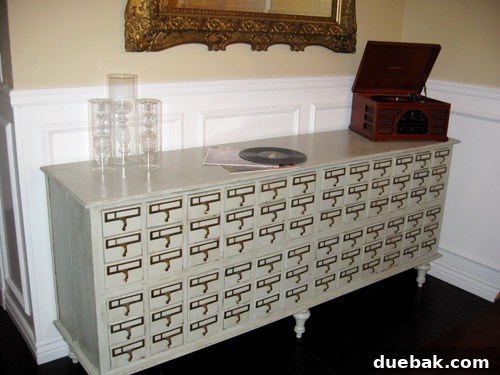
With the structure robust and the finish perfected, the final step was the satisfying reassembly. All the original hardware, which had been carefully stored, was reattached to each of the 72 drawers. This thoughtful detail not only preserved the catalog’s historical authenticity but also added to its visual charm. Finally, the newly transformed buffet was moved into its designated spot in the dining room. The painstaking effort, the hours of careful work, and the creative vision culminated in a truly unique and immensely satisfying piece of furniture that seamlessly blended functionality with unparalleled aesthetic appeal. It stood as a testament to their dedication, ready to serve its new purpose.
A Functional and Unique Dining Room Statement Piece
The culmination of Jeremy and Adrianne’s hard work is a testament to the power of creative repurposing. What began as a forgotten library artifact has been reborn as an “extremely unique buffet,” perfectly tailored to their home and lifestyle. Jeremy proudly shared the buffet’s newfound utility:
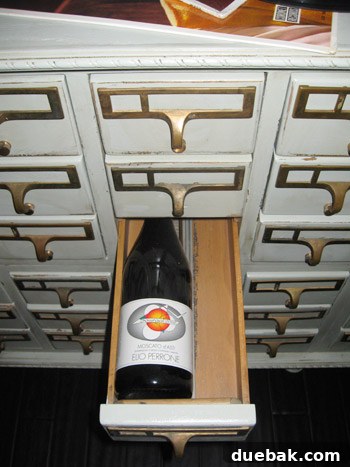
“We now keep bottles of wine in one section, napkins and utensils in another, and still have many drawers to fill with whatever will fit. It was undoubtedly a tough project, especially given the sheer weight of the original unit, but we are absolutely thrilled that we invested a little time, a little energy, and a very reasonable sum of money – $345 to be exact – to create this fantastic conversation piece. It’s more than just furniture; it’s a story in itself.” -Jeremy and Adrianne at The Lentine Family
Their experience perfectly illustrates the immense satisfaction that comes from a successful DIY project. The $345 total investment, which includes the initial purchase and all materials, is a fraction of what a comparable, custom-designed buffet from a high-end furniture store would cost. More importantly, this piece possesses a character and history that money alone cannot buy.
Beyond the Build: Inspiration for Your Next DIY Project
We are absolutely captivated by this transformation – not just by the impressive final product, but by the meticulous planning and refinishing work that went into every single detail. It’s inspiring to imagine the possibilities if one were lucky enough to stumble upon a similar discarded card catalog. The thought of filling its numerous drawers with an eclectic array of treasures, from children’s toys and craft supplies to personal accessories like ties and belts, is truly delightful. The storage potential is boundless, making it a functional dream for any organized home.
Jeremy and Adrianne, your work is nothing short of exceptional! This buffet is a total showstopper, easily rivaling a $3,000 piece from upscale retailers like Restoration Hardware or Anthropologie. Yet, what makes it truly extraordinary is its undeniable one-of-a-kind nature, a testament to personal effort and creative vision that no mass-produced item can replicate. It stands as a powerful reminder that with a little imagination, some elbow grease, and smart material choices, you can create something truly magnificent and deeply personal for your home.
What do you, our readers at home, think of this incredible makeover? Isn’t it quite the transformation? This project certainly sparks a craving for a nostalgic trip to the library, perhaps with a new appreciation for the hidden gems awaiting their next chapter!