
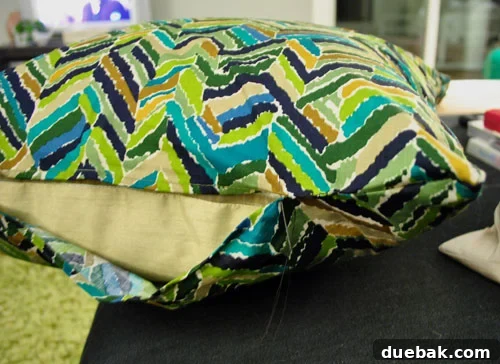
Transform Your Home Decor: The Ultimate DIY Guide to Sewing Napkins into Chic Pillows
Embarking on a creative journey, especially one that involves a sewing machine, can feel like getting back on a proverbial horse after a long break. For many, that sentiment perfectly captures the mix of excitement and slight trepidation when revisiting a craft. But what if that journey led to something wonderfully simple, sustainable, and stylish? What if those beautiful fabric napkins, perhaps sitting unused in a drawer or discovered on a clearance rack, could be transformed into something entirely new? Get ready, because the story of “Sue the Napkin” is taking an exciting turn – she’s officially become “Sue the Pillow”! Or, to be more precise, “Sue the Pillows,” as this rewarding project yielded a delightful pair.
This project isn’t just about creating new decor; it’s about embracing the spirit of upcycling, personalization, and the quiet satisfaction of making something beautiful with your own hands. It’s a testament to how simple textiles can be given a second life, adding a unique touch to any living space. Whether you’re a seasoned crafter or a sewing novice, turning napkins into pillows is an accessible and incredibly rewarding endeavor that promises to refresh your home decor without breaking the bank.
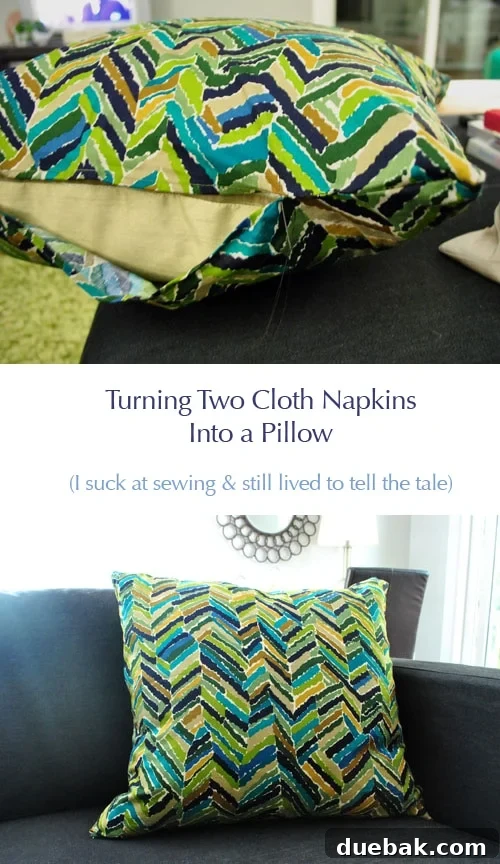
Why Upcycle Napkins into Pillows? The Benefits of Creative Repurposing
Before diving into the practical steps, let’s explore why transforming humble napkins into decorative pillows is such a fantastic idea. This DIY project offers a multitude of benefits, making it a popular choice for home decorators and eco-conscious crafters alike:
- Sustainable & Eco-Friendly: In an era where sustainability is paramount, repurposing existing items is a brilliant way to reduce waste. Instead of buying new fabric or discarding old napkins, you’re giving them a new purpose, contributing to a greener lifestyle. This practice aligns perfectly with the principles of mindful consumption and creative reuse.
- Cost-Effective Home Decor: High-quality throw pillows can be surprisingly expensive. By using napkins, especially those found on clearance or already in your linen closet, you can create custom, high-end looking decor at a fraction of the cost. It’s an ingenious way to update your living space on a budget.
- Unleash Your Personal Style: Napkins come in an astonishing array of patterns, colors, and textures. This diversity allows you to select textiles that perfectly complement your existing decor or introduce a bold new accent. The ability to choose your own “fabric” means your pillows will be truly unique, reflecting your personal taste and style in a way mass-produced items simply can’t.
- Beginner-Friendly Sewing Project: For those new to sewing, this project is an excellent starting point. The square shape of napkins simplifies the cutting process, and the straight seams involved are ideal for practicing your machine sewing skills. It’s a project that builds confidence without overwhelming complexity.
- Quick & Satisfying: As you’ll discover, this project can be completed in surprisingly little time. The instant gratification of seeing your finished pillows take shape provides a wonderful sense of accomplishment, making it a perfect weekend or evening craft.
- Versatile & Adaptable: Whether you prefer a farmhouse aesthetic, a minimalist vibe, or a bohemian flair, there’s a napkin design out there for you. You can mix and match patterns, add embellishments, or even combine different napkin styles to create an eclectic collection of pillows that truly speaks to your design vision.
Gathering Your Creative Arsenal: Materials You’ll Need
Every successful DIY project begins with gathering the right tools and materials. For your DIY napkin pillows, the list is wonderfully straightforward, proving that you don’t need an elaborate setup to create something beautiful:
- Fabric Napkins: The stars of our show! For two pillows, I utilized four of “Sue the Napkins.” I originally purchased ten on clearance from Crate & Barrel and loved them so much, I acquired four more. This allowed me to craft two pillows while still having ten napkins left for their original purpose. When selecting napkins, consider their size (standard dinner napkins are often ideal), fabric composition (cotton and linen blend well), and print. Look for durable, washable fabrics that will hold up well to use as a pillow cover.
- Your Trusty Sewing Machine: My sewing machine, affectionately named “Oh Brother,” is often the subject of playful complaint, yet it’s an indispensable partner in many projects. While I often joke about its quirks, it’s undeniably efficient for straight seams. If you don’t have one, consider borrowing one or even hand-sewing the majority of the seams, though it will take longer. For more on my sewing machine adventures, you can read here.
- Pillow Inserts: To give your new covers their plush form, you’ll need two pillow inserts. I chose to repurpose two old pillows from around the house, giving them a fresh lease on life. You could also purchase new inserts, use fiberfill stuffing, or even repurpose old blankets or clothing scraps for a truly eco-friendly approach. Ensure your inserts are slightly larger than your finished napkin covers for a plump, professional look.
- Needle and Matching Thread: For the final closure, a needle and thread in a color that blends seamlessly with your napkin fabric are essential. I used brown thread, which surprisingly blended in perfectly with my chosen napkins. Hand-sewing the last edge allows for a clean, almost invisible finish, and crucially, makes it easy to seam-rip later if you wish to change the pillow cover or wash it thoroughly.
- Optional but Recommended Tools:
- Fabric Scissors: Sharp scissors for any necessary trimming.
- Pins: To hold your fabric securely in place while sewing.
- Measuring Tape or Ruler: For precise measurements and seam allowances.
- Iron and Ironing Board: To press seams flat for a professional finish.
Step-by-Step Guide: Crafting Your Napkin Pillows
Now that you have all your materials ready, let’s get to the fun part: transforming those napkins! This process is designed to be straightforward, even for those with limited sewing experience.
Step 1: Preparing Your Napkins for Sewing
Start by ensuring your napkins are clean and freshly ironed. A crisp, flat surface makes a significant difference in achieving straight seams and a professional finish. Lay two napkins on top of each other, making sure the “good” printed sides are touching. This means the back of the fabric will be showing on the top and bottom of your stack. Align the edges precisely to ensure your pillow cover will be perfectly square or rectangular.
Step 2: Machine Sewing the Main Seams
With your napkins stacked “right sides together,” it’s time to fire up the sewing machine. You’ll be sewing three and a half sides of this “napkin envelope.”
- Sew Three Sides Completely: Begin by sewing along one edge, about half an inch from the raw edge (your seam allowance). When you reach a corner, pivot your fabric and continue sewing down the next side. Repeat this for a total of three complete sides. For added durability and to prevent fraying, remember to backstitch at the beginning and end of each seam.
- Partially Sew the Fourth Side: On the remaining open side, sew about an inch or two inward from each corner. This leaves a central opening of approximately 10-12 inches (depending on the size of your napkins), which is crucial for inserting your pillow form later. This partial sewing also helps reinforce the opening, making hand-stitching easier and more secure. Ensure your backstitching is secure at these points.
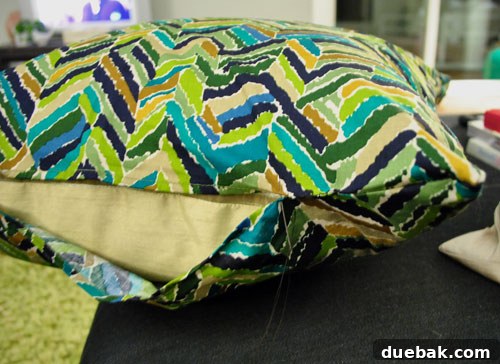
I must confess, while I often lament the intricacies of my sewing machine, it truly excelled during this project. The machine handled these straight lines with commendable precision, a welcome change from past struggles with tangled threads. It was a triumphant moment, indeed! Achieving three straight lines without a single “bird’s nest” of thread felt like a small victory worthy of celebration. Cue the confetti!
Step 3: Turning and Stuffing Your Pillow Cover
Once your machine sewing is complete, remove the napkins from the machine. Carefully trim the corners, being careful not to cut through your stitches, to reduce bulk. Now, gently turn the napkin envelope right side out. Use a blunt object, like a chopstick or the handle of a paintbrush, to push out the corners crisply. Give the cover a quick press with an iron to flatten the seams and edges, creating a neat, professional appearance.
Next, it’s time to insert your pillow form. Gently push your chosen pillow into the napkin cover through the opening you left on the fourth side. Take your time to ensure the pillow insert is snugly fitted into all corners, creating a smooth and plump shape. You want it to fill the cover completely for a luxurious feel.
Step 4: The Art of Hand-Stitching the Final Seam
This is where the magic of hand-sewing comes in. With the pillow insert securely inside, the remaining opening needs to be stitched closed. Using your needle and the matching thread, hand-stitch this expanse of about 10-12 inches. I recommend using an invisible stitch (also known as a ladder stitch or blind stitch). This stitch creates a nearly undetectable seam, making it look as though the pillow cover was never opened. The brown thread I used blended in remarkably well, making the final seam almost invisible.
I’ve always found solace in hand-sewing; it’s a meditative process, much like painting or manual demolition. It’s a craft where I feel completely in control, unlike some of my more “robotic” sewing machine encounters. This final hand-stitch is not just about closing the pillow; it’s about adding a thoughtful, artisanal touch that enhances the overall quality and allows for easy future adjustments or cleanings.


The Unexpected Joy: My Experience and the Final Touches
The entire process of whipping up both pillows was surprisingly quick and enjoyable. I managed to complete the machine sewing portion during roughly four commercial breaks of “Modern Family,” which translates to about 12 minutes of active sewing! The hand-stitching took a bit longer, as I found myself frequently distracted by an episode of “Bethenny Ever After,” pausing to guffaw at my imaginary BFF. But all in all, the time investment was minimal for such a delightful outcome.
The finished pillows look far better than I had ever anticipated. Dare I say it? They look like real, professionally made pillows! The transformation from simple napkins to cozy, decorative accents truly exceeded expectations. The satisfaction of seeing them fluffed and styled in my living room is immense, a testament to the power of a simple DIY project.

Of course, the reality of living with handmade decor, especially with pets, often deviates slightly from the perfectly posed blog photos. As pretty as these pillows look when impeccably fluffed for the camera, more often than not, they quickly revert to a charmingly squished state. Our beloved dog, Burger, seems to have made it his personal mission to transform every pillow in the house into an “ugly little blob.” But his undeniable cuteness makes it an easy habit to overlook.
Sometimes, he even pauses for a moment to nuzzle “Sue,” as if to affectionately convey, “You’re my favorite napkin-turned-pillow too.” It’s always a welcome dose of pillow validation from an eight-pound chihuahua, reminding us that the true beauty of home decor lies in its ability to withstand (and even embrace) the joyful chaos of everyday life.

Embracing Imperfection and Personal Style
This project is a wonderful reminder that home decor doesn’t always have to be perfect or expensive to be beautiful. The charm of handmade items lies in their unique character, the story they tell, and the personal touch they bring to a space. Minor imperfections are not flaws; they are badges of honor, proof of the creative process and the effort you put in. Each stitch, whether machine-sewn or carefully hand-stitched, contributes to a cushion that is truly one-of-a-kind.
Don’t be afraid to experiment with different napkin patterns, textures, or even add embellishments like trim, tassels, or buttons to your pillows. This DIY approach allows you to tailor your decor precisely to your evolving tastes and the specific needs of your home. It’s an invitation to view everyday items with fresh eyes and discover their hidden potential for transformation.
Your Next DIY Adventure Awaits!
So there you have it – the heartwarming tale of “Sue The Pillow(s),” a simple yet incredibly satisfying DIY project that breathes new life into everyday napkins. This venture into creative repurposing not only resulted in beautiful, personalized home decor but also served as a delightful reminder of the joy of crafting. It’s a project that combines sustainability, cost-effectiveness, and a touch of personal flair, proving that fantastic results can be achieved with minimal effort and resources.
Have you embarked on any napkin pillow sewing adventures lately? What unconventional items have you successfully upcycled for your home? Share your stories and tips! And on a lighter note, did you, like me, find yourself completely engrossed in the “Gloria hair-rings/earrings” moment on “Modern Family” last week? Some things are just too good to miss! I can’t wait to watch this week’s episode tonight, perhaps with my new “Sue the Pillows” comfortably cushioning me.