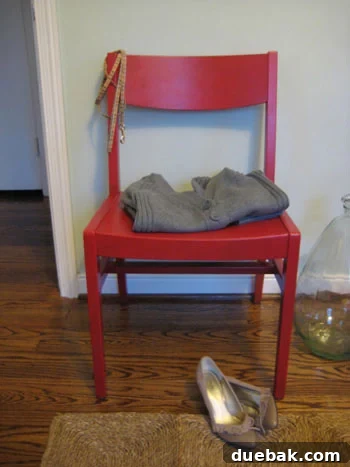
The allure of a unique, budget-friendly find, coupled with the satisfaction of a do-it-yourself transformation, is something many home decor enthusiasts can appreciate. When we recently unveiled our refreshed thrift store chair in the pages of R. Home magazine, the response was phenomenal. Readers were eager to delve into the specifics of this remarkable furniture makeover, a testament to how a little creativity and effort can breathe new life into forgotten pieces. This detailed guide walks you through every step of our project, demonstrating how accessible and rewarding furniture refurbishment can be.
The Hunt: Discovering Hidden Gems at the Thrift Store
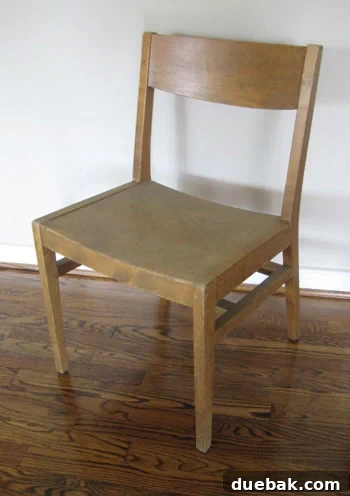
Our journey began, as many great DIY projects do, with a visit to a local thrift store. We stumbled upon this unassuming wooden chair for a mere $10 at Diversity Thrift here in Richmond. The key to successful thrift store furniture hunting lies in seeing potential beyond the immediate appearance. We look for pieces with “good bones” – solid wood construction, stable joints, and a design that, even if outdated, has a classic appeal or can be easily modernized. This chair, despite its dull finish, had a sturdy frame and clean lines, making it an ideal candidate for a vibrant update. It’s important to inspect for any major structural damage, loose joints, or excessive rot, as these issues can be more challenging and costly to fix than surface imperfections.
Step-by-Step Preparation: Laying the Foundation for a Flawless Finish
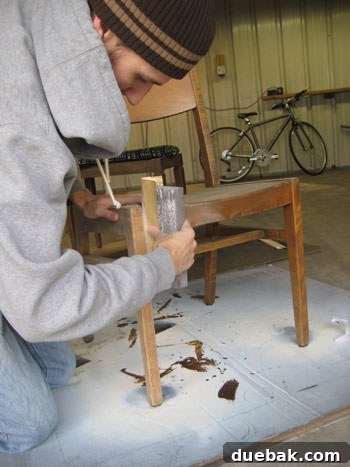
Once our ten-dollar treasure was safely home, it was time to get down to business with preparation, arguably the most crucial step in any furniture makeover. A smooth, durable finish hinges entirely on proper surface preparation. For this chair, our primary method was sanding. We started with 100-grit sandpaper, which is excellent for roughing up existing semi-shiny finishes and getting down to the bare wood. The goal isn’t necessarily to remove every speck of the old finish, especially if it’s well-adhered, but rather to create a suitable surface for the new paint to grip onto. Sanding also helps to smooth out minor imperfections, scratches, and any accumulated grime that might not come off with just cleaning.
When sanding, always work with the grain of the wood to prevent visible scratches. For intricate areas or details, a sanding sponge or even a piece of sandpaper folded to fit smaller crevices can be invaluable. Once the initial sanding with 100-grit was complete, we might typically follow up with a finer grit, like 150 or 220, for an even smoother surface. However, given the chair’s age and the ease with which we reached the bare wood with a gentler sanding, we chose to move forward.
Another common method for preparing furniture for painting, especially pieces with stubborn finishes or those prone to bleed-through, is priming. An oil-based primer, for instance, is excellent for blocking stains and providing a uniform base. For this project, we opted to skip the primer. This decision was primarily due to two factors: the chair was quite old, and its original finish was relatively thin and easy to remove, allowing us to expose the bare wood efficiently. Had our intention been to paint the chair white or any other very pale color, we almost certainly would have applied a high-quality primer. Primer is also indispensable when changing from a very dark color to a very light one, as it prevents the old color from showing through and ensures the true tone of your new paint shines. Always ensure the piece is thoroughly cleaned of any dust or debris after sanding before proceeding to the next step. A tack cloth or a damp rag works perfectly for this.
The Art of Painting: Achieving a Professional Finish
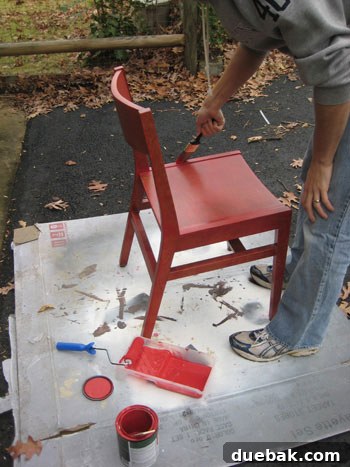
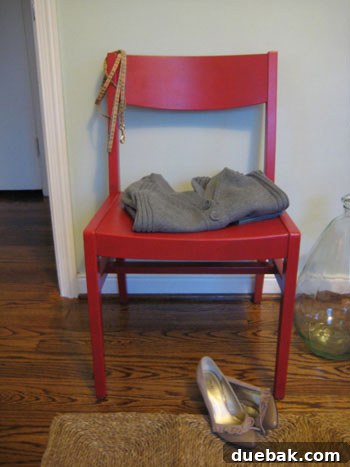
With the chair perfectly prepped, it was time for the exciting part: applying color. We chose three thin, even coats of semi-gloss latex paint, specifically Valspar’s Fabulous Red. This isn’t just any red; it’s the very same vibrant hue we used to make a statement on our front door, ensuring a cohesive design aesthetic within our home. Red is a notoriously tricky color, often requiring an extra coat or two compared to other shades to achieve its true, rich tone without any unwanted pinkish undertones or streaking. Patience is paramount here – rushing the coats can lead to an uneven finish and extended drying times.
The secret to achieving a wonderfully smooth, professional-looking finish when painting furniture lies predominantly in the application method: always use a high-quality paintbrush. While mini rollers might seem like a quick solution, they often create tiny air bubbles or “pricks” as they apply the paint, leaving a slightly textured surface. We briefly experimented with a mini roller ourselves, as you might observe in some of our progress photos, but quickly reverted to our trusty paintbrush. A good quality synthetic brush for latex paint ensures an even, streak-free application that mimics a factory finish. Apply paint in long, even strokes, always working with the grain of the wood when possible, and avoid overworking the paint once it’s on the surface. Allow each coat to dry completely before applying the next; this usually takes a few hours, but always refer to the paint manufacturer’s recommendations on the can.
You might also notice the backdrop of fallen leaves in the background of some of these images. This is a subtle reminder of the nature of magazine publishing and how far in advance we often work on our projects. This chair, for instance, was completed last fall to be featured in the March/April issue of this year. It speaks to the timeless appeal of a well-executed furniture makeover – a piece created in autumn can perfectly complement a spring decor scheme with its fresh, bold color.
The Finishing Touches: Drying, Curing, and Protection
After meticulously applying three coats of the semi-gloss red paint, the most challenging part was simply waiting. We always advocate for giving freshly painted furniture ample time to dry and, more importantly, to cure. While paint may feel dry to the touch within a few hours, it typically takes anywhere from 24 to 48 hours for it to sufficiently harden and be less susceptible to smudges, dings, or fingerprints. For a full cure, which means the paint has reached its maximum hardness and durability, it can take several days or even weeks, depending on humidity and ventilation. Rushing this stage is a common pitfall that leads to frustrating imperfections and potentially having to redo parts of the project.
For pieces destined for heavy use or those that need to be exceptionally durable and wipeable – think a kitchen table, dining chairs, or a children’s dresser – we often recommend an optional protective topcoat, such as polyurethane. Polyurethane comes in various finishes (satin, semi-gloss, gloss) and formulations (water-based and oil-based). Water-based polyurethanes dry faster, yellow less over time, and clean up with water, making them popular for lighter colors. Oil-based polyurethanes are typically more durable and offer a slightly richer, amber tone, which can be desirable for darker woods or paints.
However, for this particular accent chair, we made the conscious decision to skip the additional protective coat. The inherent durability and wipeable nature of the semi-gloss latex paint itself were sufficient for its intended use. An accent chair generally doesn’t endure the same daily wear and tear as, say, a kitchen table. Furthermore, the semi-gloss finish naturally provides a beautiful sheen, enhancing the vibrancy of the Fabulous Red without the need for an extra layer. This strategic choice simplified the project while still ensuring a long-lasting and aesthetically pleasing result. Sometimes, less is truly more when it comes to furniture finishing, especially when the chosen paint offers ample protection and visual appeal on its own.
Budget-Friendly Brilliance: The Cost-Effective Chair Makeover
Beyond its striking visual transformation, one of the most appealing aspects of this chair makeover is its incredible affordability. The entire project cost us a mere $25 – that’s $10 for the chair itself and approximately $15 for the paint (assuming we purchased a new can, though often we utilize leftover paint from other projects). This figure starkly highlights the economic benefits of DIY furniture refurbishment. Imagine the cost of a brand-new accent chair with this level of character and a custom color; it would easily run into hundreds of dollars. Our modest investment yielded a piece that looks custom-designed and perfectly integrated into our home decor, proving that stunning interior design doesn’t have to break the bank.
The potential for savings is even greater if you already have paint lying around from previous projects. Many DIY enthusiasts maintain a collection of various paint colors and finishes, allowing them to tackle small projects like this without incurring additional material costs. In such a scenario, you could transform a thrift store chair for as little as the cost of the chair itself – under $10! And the best part? The entire process, from sanding to the final coat of paint, can often be completed in just a few hours of active work spread over a day or two for drying times. This makes it an ideal weekend project for anyone looking to add a personalized touch to their living space without committing to a time-consuming or expensive endeavor.
Your Turn: Embrace the DIY Spirit and Create Your Own Masterpiece
You might be wondering about the ultimate fate of this particular lovely red chair. Well, we’re thrilled to announce that R. Home magazine is actually giving it away to one lucky local resident! So, if you happen to live in or around the Richmond area, keep an eye out for details on how you could make this beautifully refreshed accent chair yours. It’s a wonderful opportunity for someone to bring a unique, handcrafted piece of furniture into their home, completely free of charge.
But for those of you who aren’t local, don’t despair! The true takeaway from this project isn’t just about this specific chair, but about the inspiration it offers. We wholeheartedly encourage you to embark on your own furniture makeover journey. We promise you, it’s an incredibly easy and deeply rewarding experience. The process of taking something old and neglected, and transforming it with your own hands into a piece that reflects your style and personality, is immensely satisfying. It’s not just about saving money; it’s about sustainable living, creative expression, and adding a unique narrative to your home decor. From selecting your thrift store find to choosing the perfect color and applying the final brushstrokes, every step is an opportunity for creativity. So, gather your supplies, find a hidden gem, and get ready to create something truly special. The satisfaction of sitting on a chair you’ve personally brought back to life is unparalleled.