
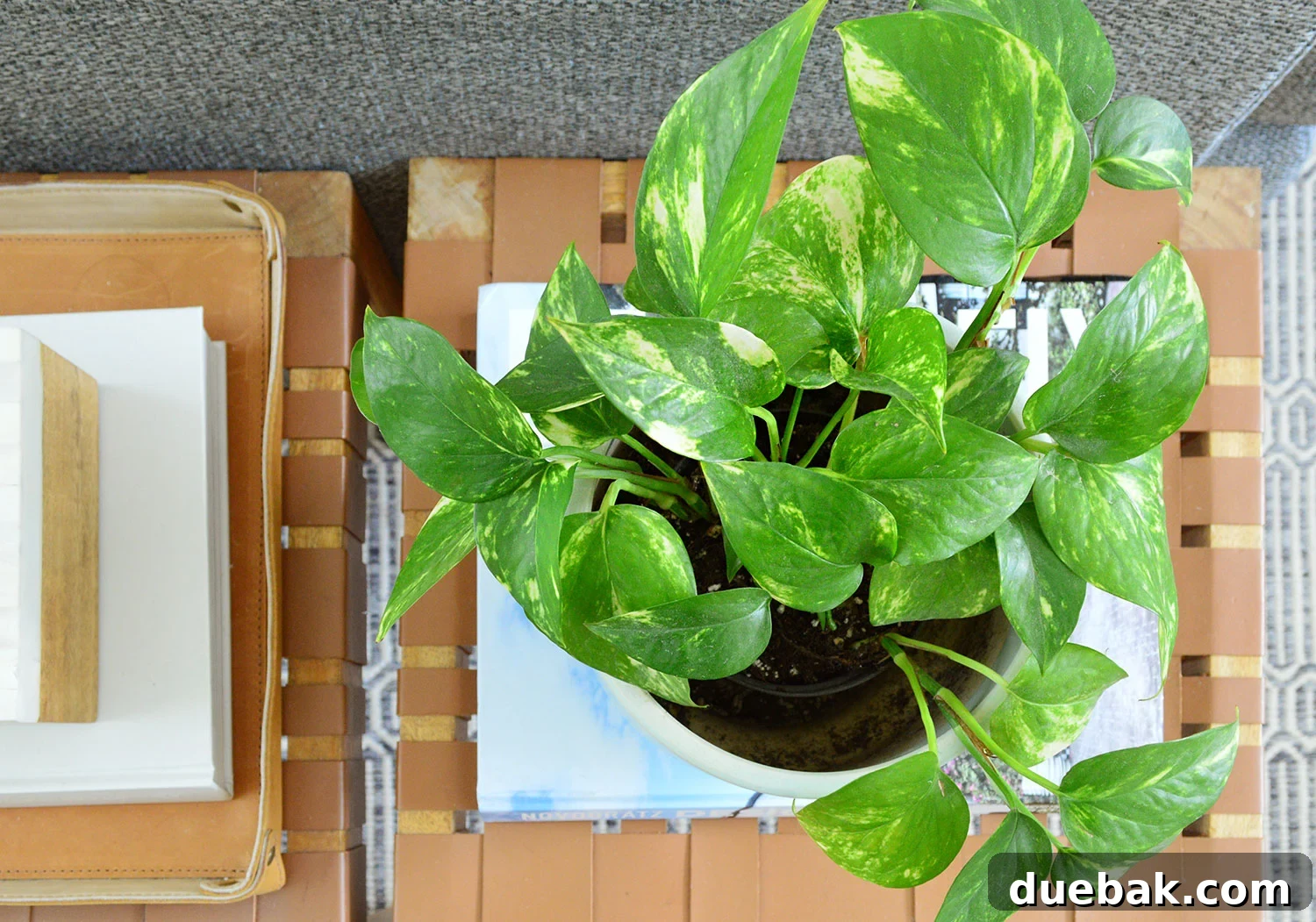
The Golden Pothos, scientifically known as Epipremnum aureum, undeniably holds the top spot as one of the most beloved and widely cultivated houseplants. Its enduring popularity stems from a remarkable combination of affordability, aesthetic appeal, and incredible resilience, making it a favorite among both novice plant enthusiasts and seasoned horticulturists. With its rapid growth habit and cascades of vibrant, trailing vines, the Golden Pothos effortlessly injects life and color into any indoor setting. It’s not uncommon to find these versatile plants adorning almost every room in a plant lover’s home, thriving in various light conditions and adding a touch of natural elegance.
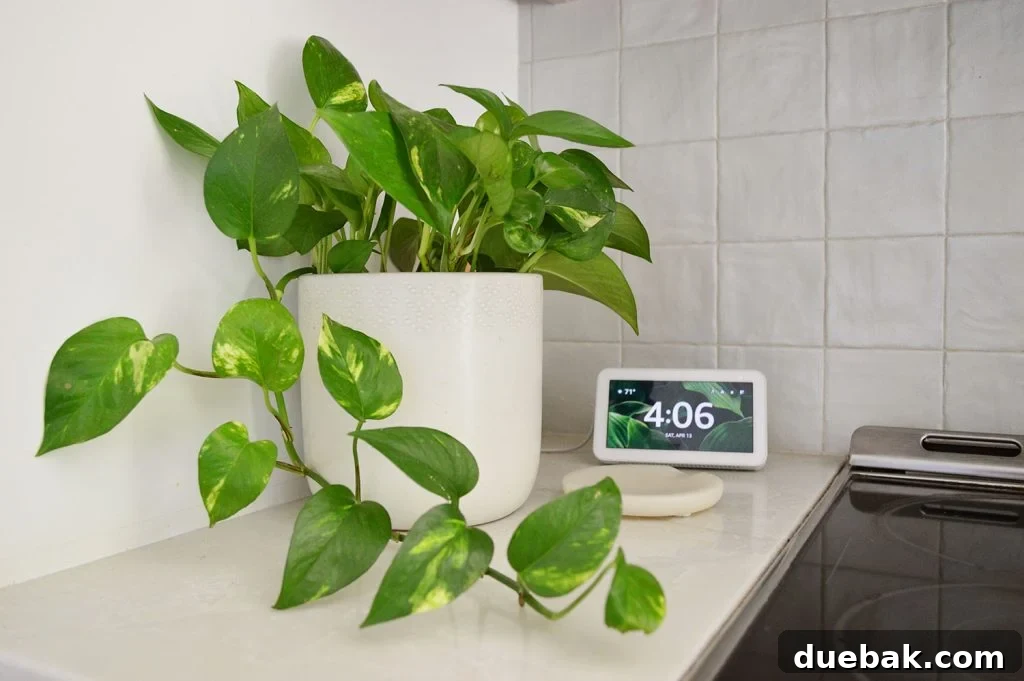
While the Golden Pothos is a standout, it’s just one of over a dozen fascinating varieties of Epipremnum aureum. Most Pothos species share similar care requirements and captivating characteristics, making the transition between varieties quite straightforward for plant parents. Beyond the classic golden type, you might be interested in exploring other stunning options such as the intricately variegated Marble Queen Pothos or the strikingly bright Neon Pothos, each offering its unique charm to your indoor garden.
Table of Contents
Golden Pothos Quick Facts
For those eager to get acquainted with their new leafy companion, here’s a concise overview of the essential facts about the Golden Pothos:
- Latin name: Epipremnum aureum. This scientific name distinguishes it botanically and hints at its “golden” attributes.
- Common names: Golden Pothos, Devil’s Ivy, Devil’s Vine, and Hunter’s Rove. “Devil’s Ivy” is particularly fitting due to its incredible hardiness and ability to thrive even in less-than-ideal conditions, making it seem almost immortal.
- Often mistaken for: The Neon Pothos and Marble Queen Pothos, which share similar leaf shapes but differ in their distinct variegation patterns and overall coloring.
- Light requirements: Prefers medium, indirect light for optimal growth and vibrant variegation. However, it displays remarkable tolerance for low-light conditions, though growth may slow, and variegation might become less pronounced. Direct, harsh sunlight should be avoided as it can scorch the leaves.
- Watering schedule: During its active growing season (spring and summer), water every 7-10 days. The key is to allow the topsoil to dry out completely between waterings. A visible cue for thirst is when its leaves start to droop slightly. Less frequent watering is needed in fall and winter.
- Optimal soil: Any standard, well-draining potting mix will suffice. Good drainage is crucial to prevent root rot, a common issue for Pothos.
- Ideal humidity: Thrives in average household humidity, ideally ranging between 50-70%. While it can tolerate lower humidity, consistent dry air might lead to crispy leaf edges.
- Ideal temperature: Prefers a warm environment, ideally between 65°F and 85°F (18°C to 29°C). Avoid sudden temperature fluctuations or exposure to cold drafts.
- Cold hardiness: Suitable for outdoor cultivation in USDA Plant Hardiness Zones 10-12, where temperatures rarely drop below freezing. In colder climates, it must be brought indoors during the cooler months.
What Is A Golden Pothos?
The Golden Pothos (Epipremnum aureum) is a magnificent evergreen vine native to the Solomon Islands, an archipelago in the South Pacific. Its common name, “Devil’s Ivy,” is a testament to its extraordinary resilience and persistent growth, even in conditions that would challenge many other houseplants. This remarkable ability to survive and flourish in dimly lit rooms or despite occasional neglect makes it an incredibly forgiving and popular choice for indoor gardening.
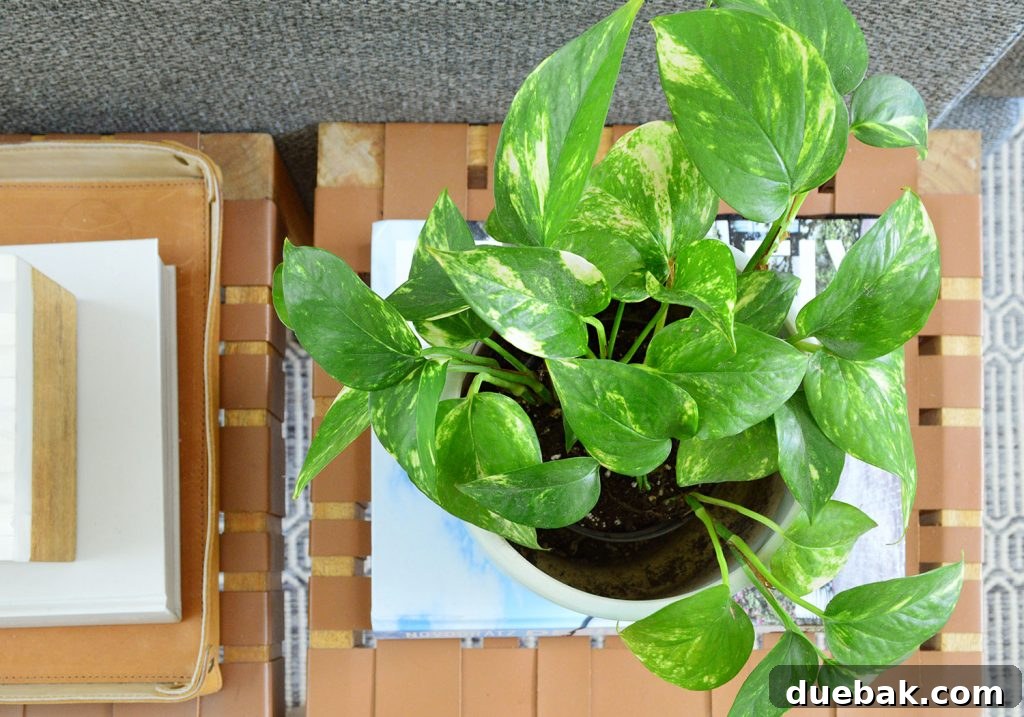
Renowned as one of the best-selling houseplants globally, Golden Pothos plants are readily available in nurseries, garden centers, home improvement stores, and even many grocery stores, making them accessible to everyone. Their widespread appeal is largely due to their ease of care and dynamic growth patterns. These plants produce long, dramatic vines that can elegantly trail down from shelves, mantelpieces, or hanging baskets, creating a lush, jungle-like aesthetic. Alternatively, if provided with a moss pole or trellis, they can be trained to climb vertically, displaying larger, more mature leaves as they ascend. Under optimal conditions, a healthy Golden Pothos can extend its opulent vines by over 12 inches in a single month, offering a truly rewarding experience for any plant parent.
Golden vs. Marble Queen vs. Neon Pothos
Distinguishing between different Pothos varieties can sometimes be a delightful challenge, as their coloring and variegation patterns can shift depending on environmental factors like light intensity. The Golden Pothos, true to its name, typically features glossy, heart-shaped green leaves adorned with distinctive splashes or flecks of yellow or golden variegation. In fact, the “aureum” in its scientific name is Latin for “golden,” perfectly describing its signature look. It’s worth noting that in environments with lower light, these golden flecks may become less prominent or even absent, leading to a more uniform green appearance.
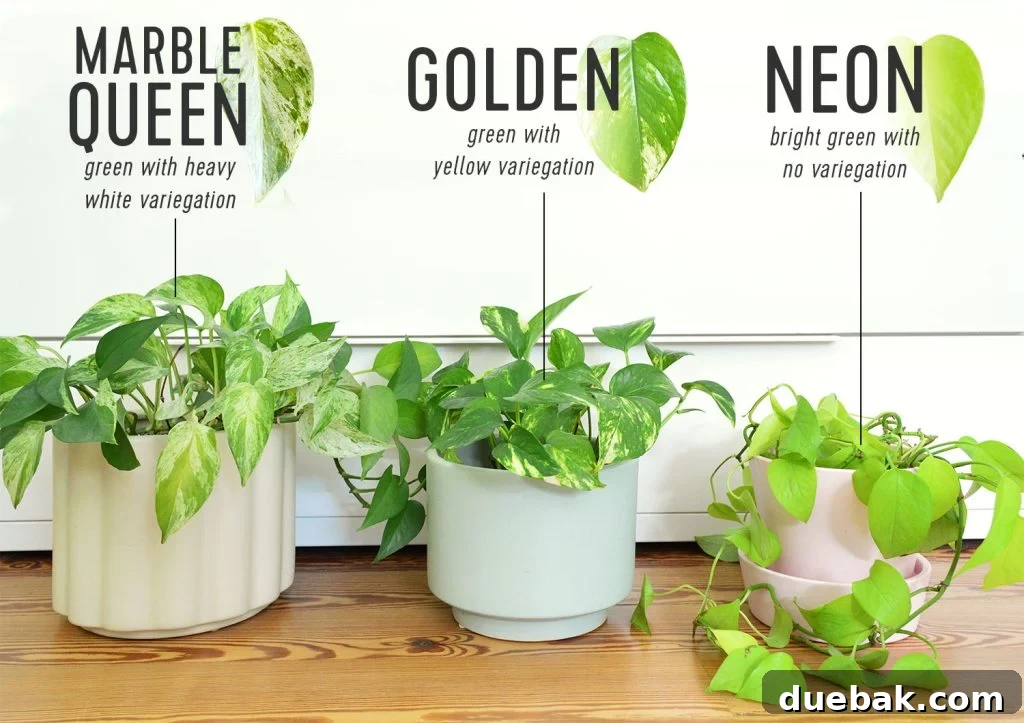
The Golden Pothos is frequently confused with two other highly sought-after varieties: the Marble Queen Pothos and the Neon Pothos. Even advanced plant identification apps can occasionally misclassify them due to their similar leaf structures. While all three share the characteristic heart-shaped leaves, their coloration and variegation patterns provide the key distinguishing features, as visually demonstrated:
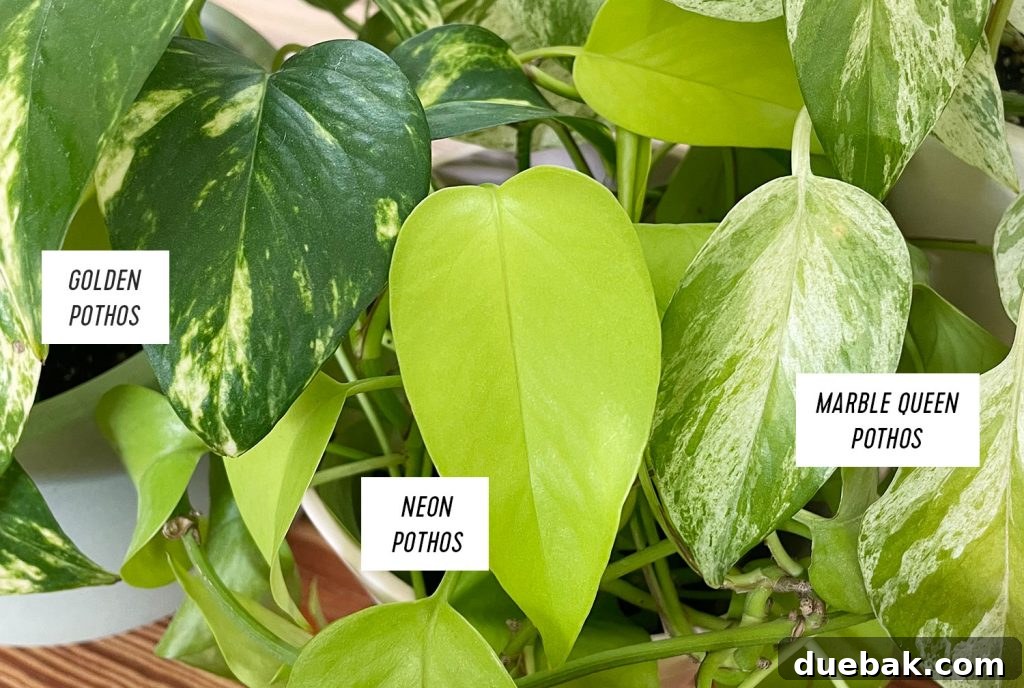
The Marble Queen Pothos is characterized by its darker green leaves heavily marbled with creamy white or silvery variegation, rather than the yellow tones found in Golden Pothos. The white patterns are often more expansive and less speckled, giving it a distinctly “marbled” appearance. For a Marble Queen to maintain its striking white variegation, it typically requires brighter, indirect light compared to the Golden Pothos.
Conversely, the Neon Pothos stands out with its luminous, uniformly bright, chartreuse-green leaves, completely lacking any variegation. Its vibrant, almost glowing color can be particularly intense in strong, indirect light. Young growth on Golden Pothos can sometimes have a similar bright green hue before the golden variegation fully develops, which is a common point of confusion for identifying a Neon Pothos.
How To Care For A Golden Pothos
One of the greatest appeals of the Golden Pothos lies in its remarkable adaptability and forgiving nature. It can withstand a broad spectrum of light and watering conditions, which translates into an exceptionally low-maintenance and stress-free plant ownership experience. This makes the Golden Pothos an ideal “entry-level” houseplant, perfect for beginners embarking on their journey into plant care. Its rapid growth rate also offers immense satisfaction, allowing new plant parents to quickly feel accomplished and confident in their gardening skills. It’s an excellent choice for housewarming gifts, symbolizing new beginnings and easy companionship.

Light
The Golden Pothos is incredibly versatile when it comes to light exposure, tolerating conditions from dimly lit corners to brightly illuminated spots. It can even survive under artificial fluorescent lighting, which is why it consistently ranks among the best low-light indoor plants. However, for the most vigorous growth and pronounced golden variegation, medium to bright indirect light is ideal. A north-facing window, or a few feet away from an east or west-facing window, would be perfect. The more light your Pothos receives (without being direct), the faster and fuller its vines will grow, developing richer colors. It’s crucial to shield your Golden Pothos from harsh, direct sunlight, especially during peak afternoon hours, as this intense exposure can lead to scorched leaves, manifesting as brown, crispy patches.
Watering
A consistent and appropriate watering routine is vital for a thriving Golden Pothos. During its active growth phases in spring and summer, we typically water our Golden Pothos plants every 7-10 days. The crucial rule of thumb is to allow the top 1-2 inches of soil to dry out completely before re-watering. Pothos plants are quite communicative: their leaves will begin to droop noticeably when they are thirsty, providing a clear visual cue that it’s time for a drink. Don’t fret if you see this; they usually perk up within a few hours after a good watering. In the cooler fall and winter months, when growth naturally slows, reduce the frequency of watering significantly, perhaps to every 2-3 weeks, always checking the soil dryness. Overwatering is a common pitfall and can quickly lead to root rot, so it’s always better to err on the side of slightly underwatering than overwatering. Avoid letting the plant sit in standing water.
Soil
Golden Pothos plants flourish in a standard, high-quality potting mix that ensures excellent drainage. When you’re repotting, be mindful not to compact the soil too densely around the roots, as this can hinder aeration and drainage. Pothos roots are highly susceptible to rot if left sitting in overly moist or waterlogged soil. To significantly enhance drainage and provide better aeration for the roots, consider amending your potting mix with ingredients like perlite, which improves porosity, or lava rock, which helps prevent soil compaction and aids in quick water runoff. A good quality indoor potting mix designed for tropical plants is generally an excellent base.
Pruning
Beyond simply plucking off any yellowing or dead leaves, occasional pruning is beneficial for your Golden Pothos. It helps to maintain its desired size and shape, encourages bushier growth, and can even rejuvenate an older plant. The best time for significant pruning is during the active growing season in spring or early summer. Use a pair of clean, sharp shears to make precise cuts. When pruning, always cut just above a node – the small bump on the stem where a leaf or aerial root emerges. You can remove as much length as you desire, but aim to leave at least a couple of inches of vine above the soil line to ensure continued growth. Each cut you make stimulates new growth from the node below, leading to a denser, more attractive plant. This is also an excellent opportunity to collect cuttings for propagation, multiplying your Pothos collection.
Repotting
Your Golden Pothos will likely require repotting into a slightly larger container every 1-2 years, depending on its growth rate and how quickly it becomes rootbound. Repotting provides the plant with fresh, nutrient-rich soil and ample space for its root system to expand, supporting healthier top growth. While some enthusiasts prefer to repot plants immediately after purchase, this can sometimes shock a plant that is already trying to acclimate to a new environment. A gentler approach is to wait a few months, allowing it to settle, or until you notice signs that it has outgrown its current pot. Indicators of a rootbound Pothos include roots growing out of the drainage holes, slowed growth despite proper care, or the plant drying out much faster than usual. When repotting, gently loosen the roots, place the plant in a pot that is only one size larger, and backfill with fresh potting mix.
How To Propagate A Golden Pothos
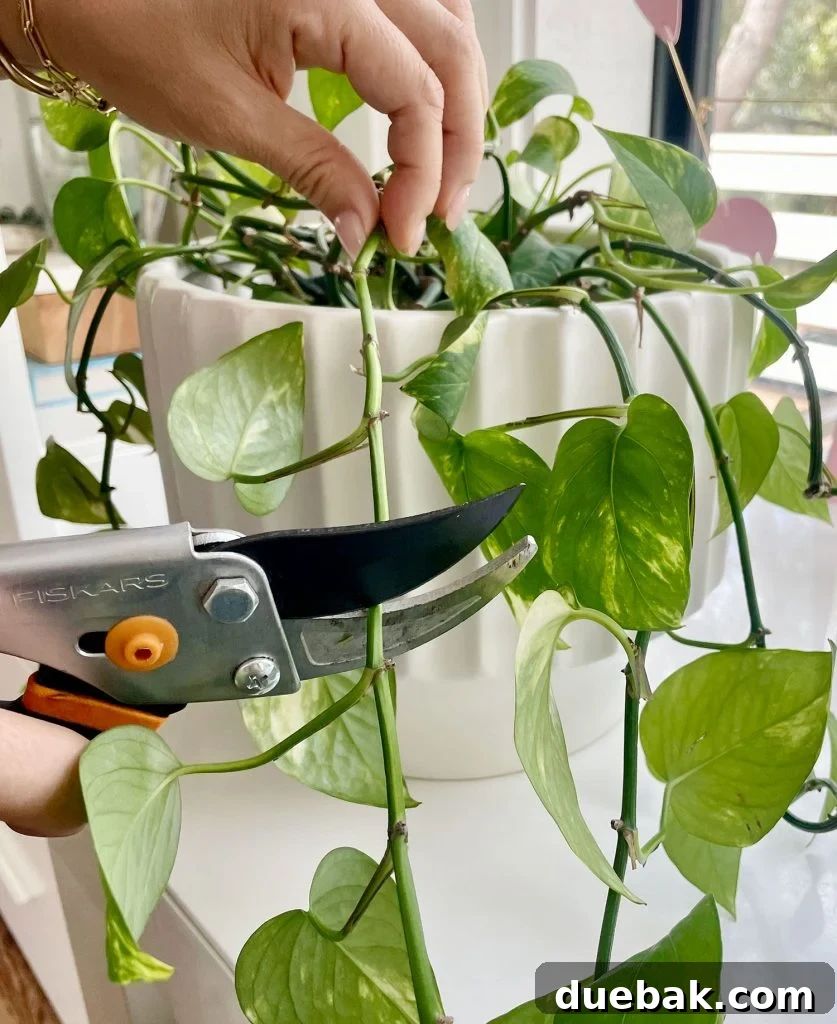
One of the most exciting and rewarding aspects of owning a Golden Pothos is how incredibly easy it is to propagate. Propagation allows you to create entirely new plants from cuttings of your existing one, expanding your collection or sharing with friends and family. Any time you prune your Pothos to maintain its shape or size is a perfect opportunity to gather cuttings for propagation. It’s an accessible project even for those new to plant propagation, offering high success rates.
Step 1: Take a vine cutting
Begin by selecting healthy, mature vines from your Golden Pothos. Using clean, sharp clippers or scissors, make a cut just below a node. A node is the small bump on the stem where a leaf attaches and where new roots will emerge. Each cutting should ideally have at least 2-3 leaves and 1-2 nodes. Ensure you remove any leaves that would be submerged in water to prevent rot. Taking multiple cuttings at once can significantly increase your chances of successful propagation and yield a fuller new plant.
Step 2: Place the clipping in water
Fill a clear glass cup, jar, or vase with clean, room-temperature tap water. Submerge the cut end of your Pothos vines, making sure that at least one node is underwater and no leaves are sitting in the water (remove lower leaves if necessary). The clear container allows you to observe root development. Place your propagation vessel in a spot that receives bright, indirect light – the same conditions your mother plant prefers. Change the water every few days to keep it fresh and prevent bacterial growth, which can hinder root formation.
Step 3: Once rooted, transfer to soil
Patience is key, but you’ll likely see small white roots beginning to emerge from the nodes within as little as one to two weeks. Allow the roots to grow to a length of about 1-2 inches before transferring the cuttings to soil. This ensures they are robust enough to establish themselves in a new medium. Plant your rooted cuttings in a small pot filled with standard, well-draining potting mix. After potting, water thoroughly. From this point forward, care for your newly potted Pothos just as you would a mature plant, providing consistent light, water, and humidity. Congratulations, you’ve successfully grown a new plant!
Common Golden Pothos Issues
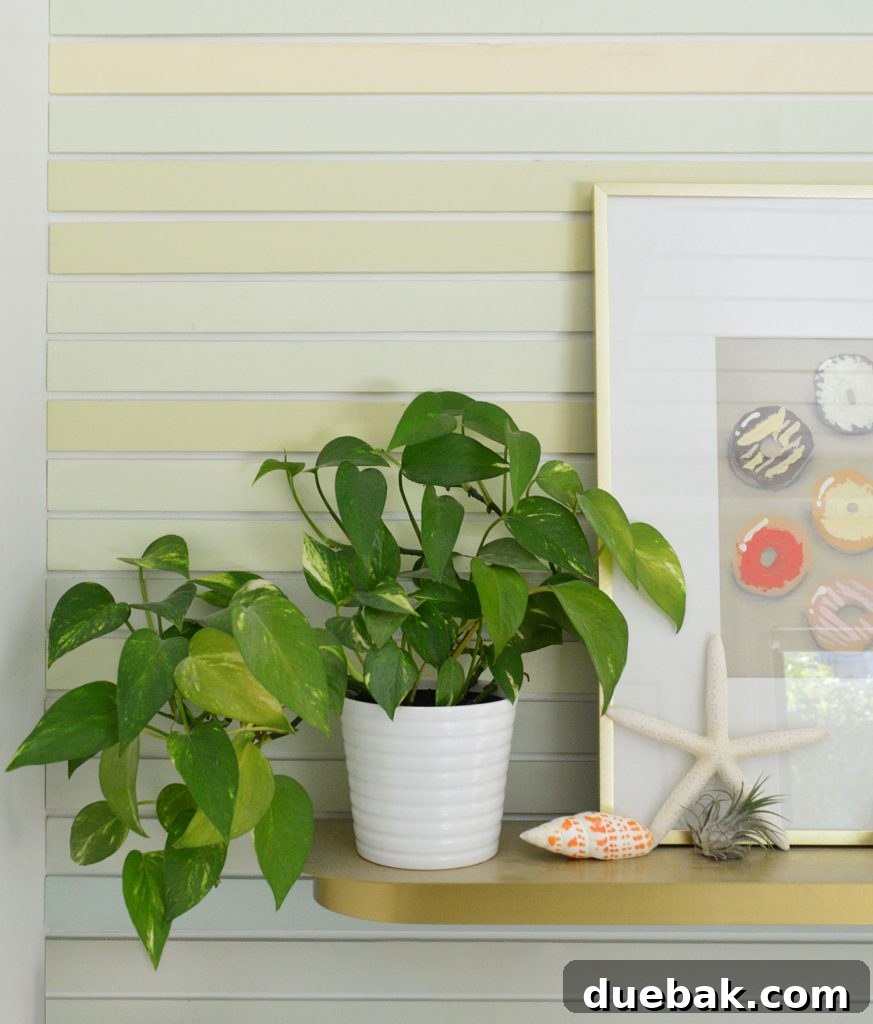
While Golden Pothos are famously resilient, they are not entirely immune to common houseplant ailments. The good news is that they are generally very communicative about their needs and remarkably quick to bounce back once issues are addressed. They are called “Devil’s Ivy” for a reason – they’re tough!
- Yellowing leaves: It’s natural for older, lower leaves to occasionally yellow and drop off as part of the plant’s life cycle; these can usually be gently pulled off at the node. However, widespread or rapid yellowing of multiple leaves is typically a red flag, most often indicating overwatering. Excess moisture in the soil can lead to root rot, which manifests as yellowing leaves. To remedy this, reduce your watering frequency, allow the soil to dry out more thoroughly between waterings, and ensure your pot has adequate drainage.
- Brown or crispy leaves: This symptom usually points to the opposite problem: underwatering, excessively low humidity, or too much direct sunlight. If the soil is bone dry, give your Pothos a good soak. If the air is dry, consider misting your plant regularly or placing it near a humidifier. If it’s exposed to harsh sunlight, move it to a location with bright, indirect light.
- Drooping leaves: This is the classic cry for help from a thirsty Golden Pothos. When you see the leaves start to wilt or hang limply, it’s a clear signal that the plant needs water. Water it thoroughly until water drains from the bottom of the pot, and you should see the leaves perk up and regain their firmness within a day. Consistent drooping followed by perking up indicates a need for more regular watering.
- Foul smell from soil: A musty or rotten smell emanating from the soil is a strong indicator of severe root rot. This occurs when the soil remains constantly soggy, creating an anaerobic environment where harmful bacteria and fungi thrive, causing the roots to decay. While Pothos are tough, advanced root rot can be fatal. To attempt a rescue, carefully remove the plant from its pot, gently shake off the old soil, and inspect the roots. Trim away any mushy, black, or smelly roots with clean shears, then repot the plant into fresh, well-draining soil and adjust your watering habits.
- Pests: Golden Pothos are generally not highly prone to serious pest infestations, but occasional visitors like spider mites, mealybugs, or scale can appear. Regularly inspect your plant, especially the undersides of leaves and along stems. If you spot any bugs, isolate the plant, gently wipe them off with a damp cloth or rinse the plant under a gentle stream of water. For more persistent infestations, a natural pest control solution like a diluted neem oil application can be highly effective.
Other Golden Pothos FAQ
Are golden pothos toxic to cats?
Yes, all varieties of Pothos, including the Golden Pothos, are considered toxic to cats, dogs, and humans if ingested. While the plant does not contain a conventional “poison” in the sense of a chemical toxin, its leaves and stems contain insoluble calcium oxalate crystals. These microscopic, needle-shaped crystals can cause immediate irritation and pain upon chewing or ingestion, leading to symptoms such as oral irritation, excessive drooling, pawing at the mouth, vomiting, and difficulty swallowing. Typically, these effects are mild to moderate and rarely life-threatening, as the discomfort often deters further consumption. However, it is always safest and highly recommended to keep your Golden Pothos out of reach of curious pets and small children who might be tempted to nibble on its attractive foliage. Consider placing them on high shelves, in hanging planters, or in rooms inaccessible to pets.
Can golden pothos be outdoors?
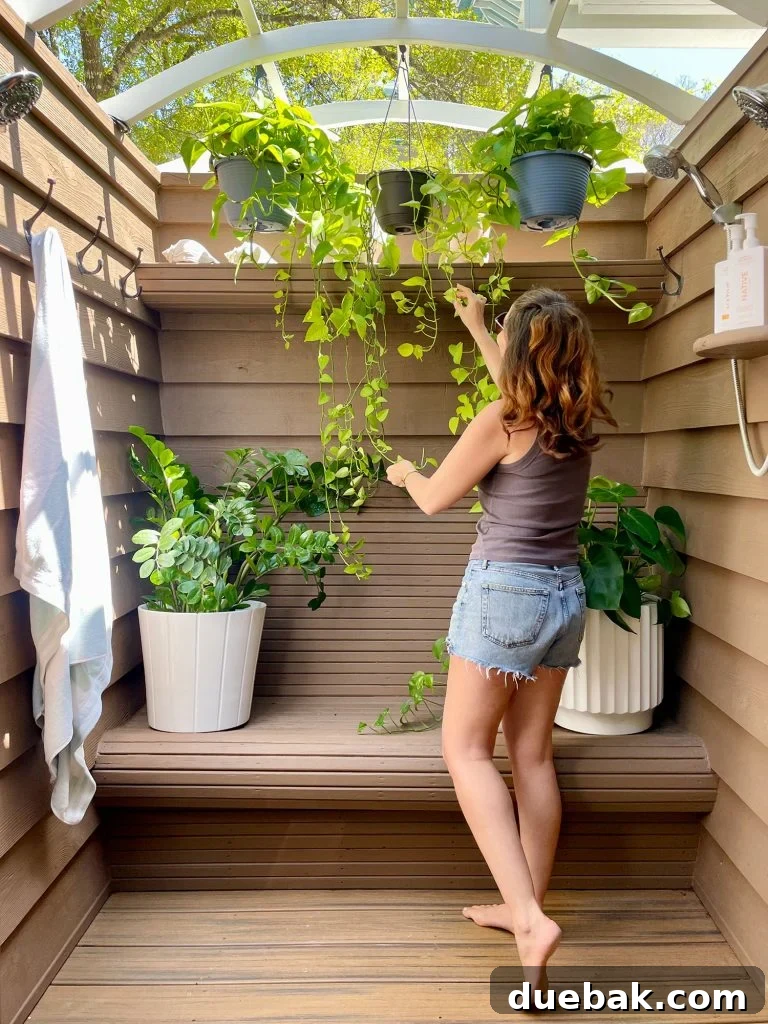
Absolutely! Golden Pothos can thrive outdoors in climates that align with USDA Plant Hardiness Zones 10-12, where they can grow as perennial groundcovers or climbing vines in warm, tropical conditions. In these zones, they can develop significantly larger leaves and longer vines than their indoor counterparts. For those living in colder zones, Golden Pothos can still enjoy an outdoor vacation during the warmer months of spring, summer, and early fall, provided nighttime temperatures remain above 50°F (10°C). It’s essential to gradually acclimate your indoor Pothos to outdoor conditions to prevent shock and sunburn by slowly exposing it to increasing light levels over a week or two. Before the first frost, they must be brought back indoors to protect them from cold damage. Many enjoy using them in hanging containers on porches, patios, or even in outdoor showers, as we do with several of ours, or as part of an outdoor plant shelf arrangement.
What other pothos are there?
While the Golden Pothos reigns as the most popular variety, the world of Pothos (Epipremnum aureum) is rich with over a dozen captivating cultivars, each offering unique foliage. Beyond our favorites like the Marble Queen Pothos and Neon Pothos, which create beautiful contrasting displays when grouped, there are many other stunning types to explore. You might encounter the elegant ‘Manjula Pothos’ with its broad, variegated leaves; the distinct ‘Cebu Blue Pothos’ with its silvery-blue, elongated foliage; the ‘Snow Queen Pothos’ which features even more white variegation than the Marble Queen; the classic, deep green ‘Jade Pothos’; or the highly sought-after ‘Baltic Blue Pothos’ known for its dark green, lobed leaves. Collecting different Pothos varieties allows you to appreciate the subtle yet striking differences in color, pattern, and leaf shape, making for an incredibly diverse and visually interesting plant collection.
Can pothos be grown in water?
Yes, Golden Pothos can be successfully grown and maintained in water indefinitely, not just for propagation. While there isn’t a significant benefit of water culture over soil culture in terms of growth or health, many plant enthusiasts choose this method for its aesthetic appeal – allowing them to admire the root structure – or to use Pothos as a semi-aquatic plant in aquariums where fish can benefit from the roots. To grow a Pothos in water long-term, you would follow the initial steps for propagation: take a fresh vine clipping with at least one node and place it in a clear vessel filled with water. The key to long-term success is to change the water frequently, ideally once a week, to replenish oxygen and prevent stagnation. While the plant will absorb some nutrients from the water, supplementing with a very diluted liquid fertilizer every few months can help maintain its vigor and leaf size over time. Ensure no leaves are submerged to prevent rot.
More Plant Guides
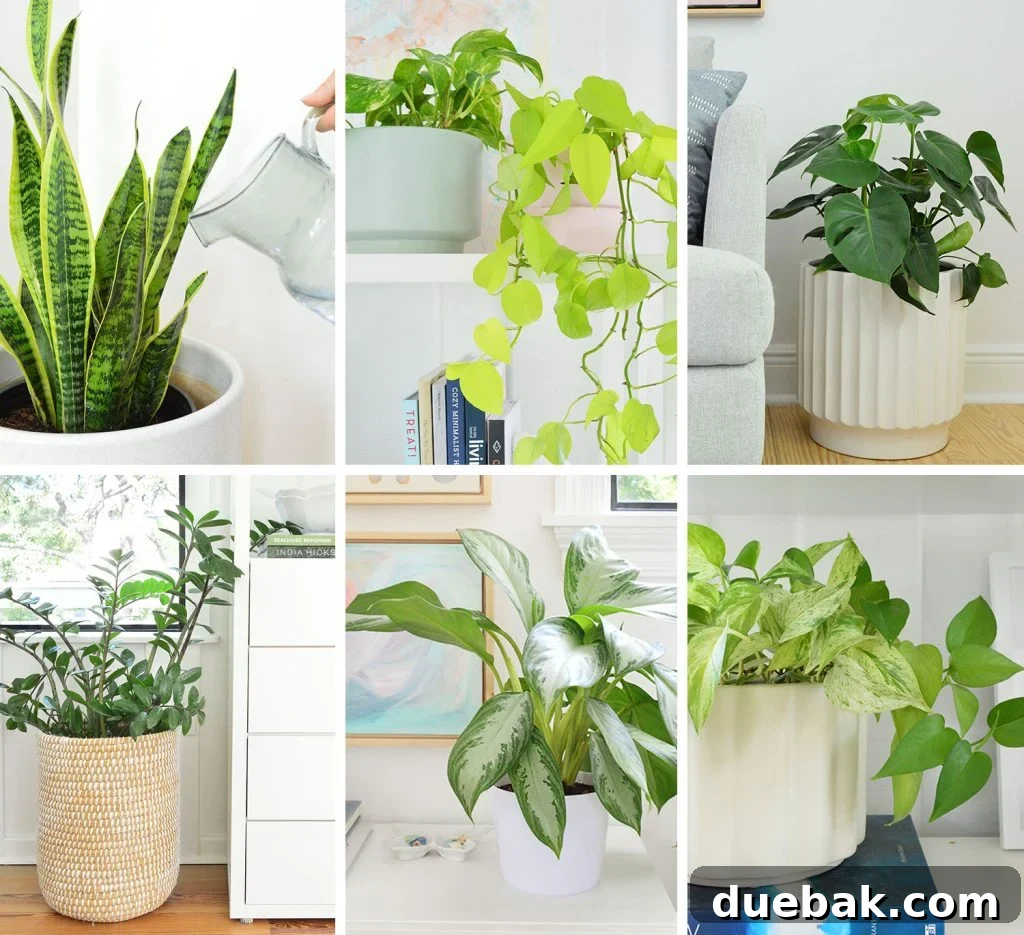
If you’re looking to expand your plant knowledge or explore other fantastic houseplants, dive into some of our detailed plant care guides below. From thriving in low light to purifying your air, there’s a plant for every corner and every lifestyle.
- Best Low-Light Houseplants
- Best Air Purifying Indoor Plants
- How To Use Keiki Paste For Better Looking Pothos
- Marble Queen Pothos Care Guide
- Neon Pothos Care Guide
- Monstera Deliciosa Care Guide
- Snake Plant Care Guide
- Corn Plant Care Guide
- Aglaonema Plant Care Guide
- Fiddle Leaf Fig Care Guide
- Tree Philodendron Care Guide
- How to Build An Easy Plant Shelf
- Make A DIY Wire Trellis
*This post contains affiliate links, so we may earn a small commission when you make a purchase through links on our site at no additional cost to you.