
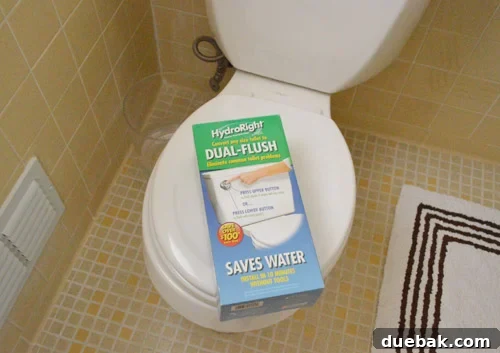
Transform Your Bathroom: Embracing Dual Flush Toilets for Eco-Friendly Living and Modern Style
In the continuous journey of making a house truly feel like home, even the smallest upgrades can deliver significant impact. We recently completed a series of thoughtful enhancements around our abode, and while each contributed to a more functional and aesthetically pleasing environment, one particular project stands out for its blend of practicality, environmental consciousness, and surprising ease of implementation. This post delves into our experience with a highly anticipated dual-flush toilet conversion, a modest yet powerful step towards a more sustainable and modern home.
The Undeniable Appeal of Dual Flush Toilets: Why We’re Obsessed
For those unfamiliar, a dual flush toilet offers two flushing options: a lower volume flush for liquid waste and a full volume flush for solid waste. This innovative design significantly reduces water consumption, making it an eco-friendly choice that also benefits your utility bills. It’s a win-win scenario, aligning perfectly with our commitment to sustainable living without compromising on performance. We’ve been ardent advocates of this technology for years, having already converted the toilet in our hallway bathroom and even the one in our very first house. Each conversion brought immediate, tangible benefits, cementing our belief that this is one of the most impactful yet straightforward home improvements anyone can undertake.
Beyond the environmental and cost-saving advantages, dual-flush toilets often come with a sleek, contemporary aesthetic. The push-button mechanism, distinct from traditional levers, can instantly modernize even the most outdated bathroom fixtures. It’s a subtle touch, but one that contributes to an overall sense of thoughtful design and updated functionality. The convenience of choosing the right flush for the job also provides a sense of control and efficiency that standard toilets simply can’t match. For us, it’s not just about saving water; it’s about embracing smart technology that enhances daily living and aligns with a forward-thinking lifestyle.
Our Journey to Smarter Flushes: Past Successes and Present Challenges
Our enthusiasm for dual flush systems meant that converting the main bathroom toilet was high on our priority list. Armed with our past successes, we confidently purchased a highly-rated conversion kit from Amazon, expecting another seamless installation. The idea was simple: remove the old flushing mechanism and replace it with the new, water-saving alternative. We envisioned a quick afternoon project culminating in another triumph for water conservation in our home. However, as is often the case with DIY projects, especially in older homes, the path to improvement sometimes presents unforeseen detours.
Upon unboxing the kit and carefully following the initial steps, we encountered an unexpected hurdle. Despite the kit’s universal claims, our relatively newer main bathroom toilet proved to be incompatible. The core issue lay in the unique angle and shape of the bottom of the toilet tank. This particular design feature prevented the new dual-flush mechanism from attaching securely and forming the necessary watertight seal. It was a moment of minor frustration, realizing that what worked flawlessly in two previous installations was now a non-starter in our current primary bathroom. This experience underscored a crucial lesson in home improvement: always be prepared for the unexpected, and sometimes, even modern fixtures can present compatibility challenges.
The Compatibility Conundrum: When Modern Meets Vintage in DIY Plumbing
The incompatibility issue with our main bathroom toilet was a valuable reminder that “one size fits all” is rarely true in the world of plumbing and home renovations. Modern toilet designs, while often sleek and efficient, can sometimes deviate from standard internal dimensions or attachment points, making universal conversion kits tricky. Our frustration stemmed from the specific curvature and internal structure of our newer toilet tank, which simply didn’t provide the flat, unobstructed surface required for the conversion kit’s base to seat properly. It was a subtle design difference, yet one that rendered the upgrade impossible for that particular unit.
This situation prompted us to consider the broader implications for DIY enthusiasts. Before purchasing any conversion kit, especially for a newer or uniquely designed toilet, it’s prudent to carefully measure internal tank dimensions and perhaps even consult the toilet manufacturer’s specifications. A few minutes of research can save hours of effort and the disappointment of an incompatible product. For us, the setback was temporary, but it highlighted the importance of diligence and adaptability in tackling home projects. The beauty of DIY, however, lies in finding creative solutions, and we were determined not to let this minor hiccup derail our water-saving aspirations.
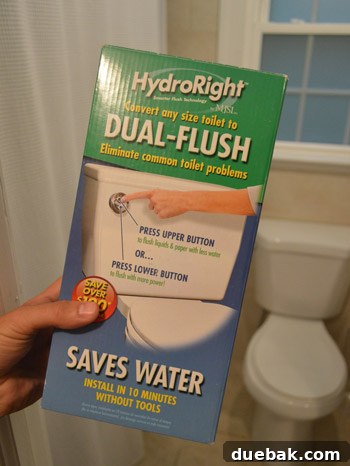
A Creative Solution: Repurposing Our Dual Flush Kit for the Guest Bathroom
Rather than return the kit or abandon the project, we pivoted. Our home, built in the 1960s, features a charming but undeniably dated guest bathroom, complete with a tiny toilet that we suspect is original to the house. It might not be the most glamorous fixture, but its simplicity proved to be its greatest asset in this scenario. We decided to take the dual-flush kit down the hall and attempt the installation there instead. This decision was a stroke of genius, turning a potential setback into an opportunity to upgrade another part of our home.
The installation in the guest bathroom was remarkably smooth. The older toilet’s tank, with its more conventional and straightforward design, presented no compatibility issues whatsoever. It was almost as if the kit was designed specifically for it. This unexpected success reinforced a common theme in home renovation: sometimes, older designs, precisely because of their lack of complex features, can be surprisingly adaptable to modern upgrades. The contrast between the two toilets – one modern and unyielding, the other vintage and accommodating – was a fascinating lesson in product design and compatibility. The satisfaction of finally getting the kit installed, even if not in the originally intended location, was immense.
Unexpected Harmony: The Charm of Our 60s Guest Loo Embracing Modern Efficiency
It was truly remarkable how seamlessly the dual flush conversion kit integrated with the tiny, likely original, toilet in our guest bathroom. The simplicity of its internal structure, devoid of the complex contours found in newer, more stylized models, provided the perfect canvas for the upgrade. This unexpected compatibility was a pleasant surprise and a testament to the enduring, no-frills design of mid-century plumbing. It’s ironic that our most modern toilet resisted the upgrade, while the oldest one welcomed it with open arms, metaphorically speaking.
This older toilet, which might have otherwise been a candidate for full replacement down the line, has now been given a new lease on life. It’s not just functional; it’s now a water-saving hero, contributing to our household’s overall environmental efforts. This transformation speaks volumes about the potential for targeted upgrades in older homes. You don’t always need a complete overhaul to introduce modern efficiencies and aesthetics. Sometimes, a well-chosen, simple modification can yield significant benefits, preserving the character of an older fixture while enhancing its performance. The guest bathroom, often an overlooked space, now boasts a quiet, eco-friendly update that we’re genuinely proud of.
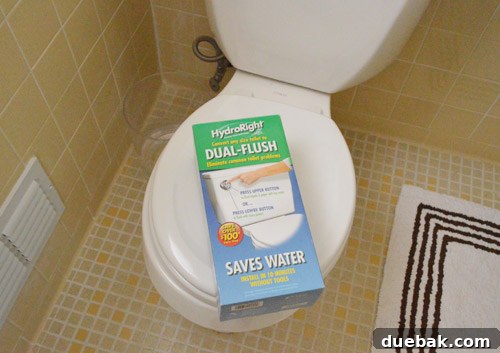
Installation Made Easy: A DIYer’s Dream for Quick Upgrades
Once we found the right home for the kit, the installation process was incredibly straightforward. The instructions provided on the box were clear, concise, and easy to follow, making it a perfect project for DIYers of all skill levels. Within a surprisingly short amount of time, the old mechanism was out, and the new dual-flush system was in place. It’s the kind of quick win that keeps the motivation high for future home projects.
The steps typically involve turning off the water supply, flushing the toilet to empty the tank, disconnecting the old fill valve and flush valve, and then installing the new dual-flush mechanism according to the manufacturer’s diagrams. Reconnecting the water supply and testing for leaks completes the process. Our particular kit worked like a charm from the very first flush, demonstrating its efficiency and reliability. The satisfaction of hearing the distinct sounds of the two different flush volumes was a small but significant victory, confirming that our efforts were well-spent. This type of project, requiring minimal tools and basic plumbing knowledge, truly empowers homeowners to take control of their living spaces and introduce meaningful improvements without incurring professional installation costs.
Beyond Functionality: How a Dual Flush Adds Modern Flair and Guest Comfort
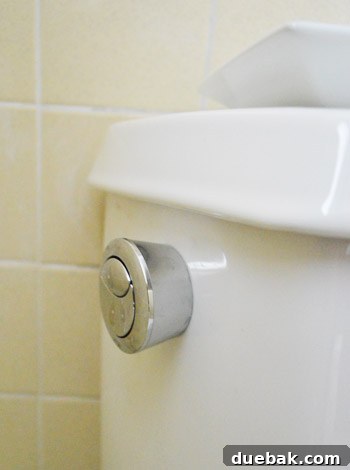
The primary benefit of this dual flush conversion is, of course, water conservation. Knowing that our guests can now make an eco-conscious choice with every flush is incredibly rewarding. It’s a small detail, but it speaks volumes about our home’s values and commitment to sustainability. However, the advantages extend beyond just environmental impact. The addition of a sleek, push-button dual flush mechanism instantly elevates the aesthetic of our guest bathroom’s toilet. That tiny, somewhat outdated space now feels a smidge more modern and thoughtfully updated, a subtle transformation that adds a touch of contemporary elegance to an otherwise vintage fixture.
For guests, the intuitive buttons offer a user-friendly experience, eliminating the guesswork of traditional lever systems. It’s a small convenience that contributes to a more polished and comfortable guest experience. This upgrade proves that even in the most utilitarian spaces, a focus on both functionality and design can create a noticeable improvement. It’s a testament to the power of targeted, smart upgrades that blend seamlessly with existing decor while bringing a touch of modern efficiency to areas that might otherwise feel neglected. The guest bathroom, often a secondary thought, now features an element of thoughtful design and responsible living.
Maximizing Your Home’s Potential: Embracing Small, Impactful Upgrades
Our dual flush toilet journey is just one example of how small, seemingly minor home improvements can collectively contribute to a more efficient, comfortable, and appealing living space. From energy-saving appliances to water-conserving fixtures, each upgrade, no matter how modest, plays a role in enhancing a home’s overall value and sustainability. These projects don’t always require extensive renovations or hefty investments. Often, it’s about identifying common pain points or areas for improvement and finding simple, effective solutions.
Embracing a DIY mindset, even for straightforward tasks, instills a sense of accomplishment and empowers homeowners to personalize their spaces according to their needs and values. It encourages a proactive approach to home maintenance and improvement, fostering a deeper connection with your living environment. Whether it’s swapping out old light fixtures for LED versions, installing a smart thermostat, or, as in our case, upgrading a toilet, these incremental changes add up to create a home that is not only more functional but also more aligned with modern expectations for efficiency and comfort. We constantly seek out these opportunities, transforming our house one thoughtful update at a time, always striving for that perfect balance between form, function, and sustainability.
Final Thoughts: A Flushed Success for Water Saving and Style
Our recent dual flush toilet conversion, despite its initial twist, turned out to be a resounding success. It reinforced our belief in the power of this simple yet effective upgrade to save water, reduce utility costs, and inject a touch of modern style into any bathroom. It also served as a valuable reminder of the unpredictable nature of home projects and the importance of adaptability. Whether you’re looking to make your home more eco-friendly, modernize an outdated space, or simply enjoy the satisfaction of a successful DIY project, converting to a dual flush system is an update we wholeheartedly recommend. It’s a small change with a big impact, proving that thoughtful design and sustainable choices can coexist beautifully in every corner of your home.