
Mastering Interior Design: Why Your Area Rug Should Be Your First Decision
Stepping into a blank room can feel like both an exciting opportunity and an overwhelming challenge. You envision a space brimming with personality, comfort, and style—a place where every element, from furniture to art, lighting, and accessories, harmonizes perfectly. Yet, the path to achieving this vision is often fraught with countless decisions. Where do you begin? Which pieces warrant an investment, and where can you save? How do you balance aesthetics with practical comfort, a debate my husband and I know all too well when trying to pick out a simple dining chair?
The journey often starts with searching for the “perfect” items. We spend hours online, visit local showrooms, and meticulously check measurements and color options, only to find that our ideal mid-century inspired dining chairs—with their beloved Eiffel Tower bases—are dismissed for not being “the most comfortable.” It’s a classic dilemma: prioritizing visual appeal versus tactile comfort. While recliners at the dining table are certainly out of the question, there has to be a happy medium, a way to create a beautiful space that truly feels like home.
This struggle becomes even more pronounced when it comes to larger, foundational elements like area rugs. Imagine the difficulty of finding a rug that not only fits your aesthetic but also perfectly complements existing paint colors and furniture. We once found ourselves in this exact predicament, trying to introduce color and pattern into our living room after most of the design decisions were already made. The frustration was palpable: searching endlessly for a rug in the right size, with the perfect pattern, and a color palette that magically aligned with our chosen paint and chairs. The realization quickly set in that there are far more paint colors in the world than there are rugs, making the task feel almost impossible.
The Secret to Seamless Design: Start with Your Rug
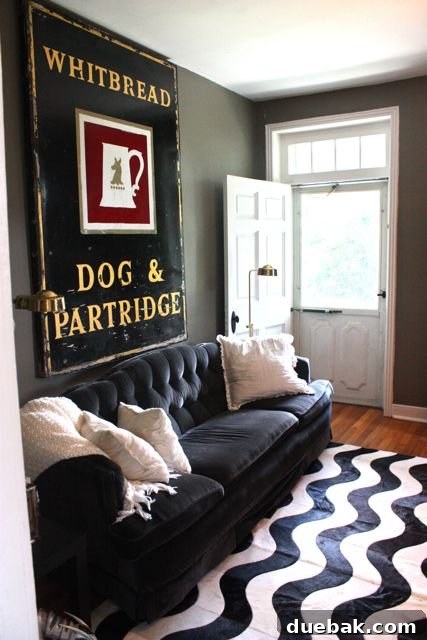
After navigating these design dilemmas countless times, I’ve discovered a foundational secret that simplifies the entire decorating process: start with the area rug. This isn’t just a preference; it’s a strategic approach that anchors your design and creates a cohesive, harmonious space with far less stress and second-guessing. Think of your rug not as an afterthought, but as the artistic blueprint for your room.
Why the Rug First? Your Design Anchor and Color Palette Guide
The reasoning behind this “rug-first” philosophy is compelling. An area rug, especially one with a diverse pattern or a rich blend of colors, provides an immediate and expansive color palette to draw from. It acts as the central anchor for your room’s entire design scheme. Unlike paint, which comes in an infinite array of shades, the selection of rugs—especially those that resonate with your personal style and quality preferences—is considerably more limited.
Trying to find a rug that perfectly matches a pre-selected paint color is like searching for a needle in a haystack. Conversely, once you’ve chosen a rug you absolutely adore, one that speaks to your desired aesthetic, selecting a coordinating paint color becomes remarkably simple. You can easily pull out a specific shade from the rug’s pattern or find a complementary tone, ensuring a perfect match without the endless swatching and repainting. This approach not only streamlines your choices but also guarantees a balanced and thoughtful color story throughout your space.
Beyond color, rugs are masterful at introducing texture, pattern, and warmth into a room. They define spaces, particularly in open-concept layouts, and provide a soft landing underfoot, enhancing comfort and reducing noise. The area rug is often the visual focal point, the element that guests first notice and that sets the tone for the entire room. While paint color certainly contributes to the mood and atmosphere, it serves more as a backdrop, allowing the rug and other key pieces to shine. By prioritizing your rug, you ensure that this significant investment piece truly dictates the flow and feel of your home, making every subsequent decor decision feel intuitive and purposeful.
Understanding Rug Types and Materials for Optimal Choice
Before diving into specific placement rules, it’s beneficial to understand the diverse world of area rugs. Each type and material offers unique benefits in terms of durability, feel, and aesthetic. For instance, **wool rugs** are renowned for their softness, longevity, and natural stain resistance, making them ideal for high-traffic living areas and bedrooms. **Cotton rugs**, often flat-woven, provide a casual, washable option perfect for kitchens or children’s rooms, though they may lack the plushness of wool.
**Synthetic rugs**, made from materials like polypropylene or nylon, are incredibly durable, fade-resistant, and budget-friendly, excellent for homes with pets or in outdoor settings. For those seeking natural textures, **jute and sisal rugs** offer an earthy, bohemian vibe but can be coarser underfoot. **Silk rugs**, while luxurious and soft, are typically reserved for low-traffic, formal areas due to their delicate nature and higher cost. Considering the practicalities of your lifestyle—such as pet ownership, foot traffic, and desired maintenance—will help you narrow down the best material and construction for your chosen space.
Mastering Area Rug Placement and Sizing: The Golden Rules
Once you’ve found the rug that captures your heart, the next crucial step is ensuring it’s the right size and placed correctly. The common mantra, “bigger is better,” often holds true for area rugs. A rug that is too small can make a room feel disjointed and diminish its perceived size. A generously sized rug, however, grounds your furniture, creates a sense of unity, and makes the room feel more expansive and thoughtfully designed. Here are some essential guidelines for different areas of your home:
Living Room Rug Placement
The living room is typically the heart of the home, and its rug should reflect that importance. Proper placement can dramatically impact the functionality and aesthetics of your conversational area:
- The Ideal Scenario (All Legs On): For a truly anchored and luxurious feel, choose a rug large enough for all four legs of your main furniture pieces (sofa, armchairs, console table) to rest comfortably on it. This creates a cohesive “room within a room.”
- The Common Compromise (Front Legs On): If budget or space limits a larger rug, ensure at least the front two legs of all major upholstered pieces (sofa, loveseat, armchairs) are on the rug. This still grounds the furniture and unifies the seating arrangement.
- The Minimalist Approach (Coffee Table Only): In smaller living rooms, or for very compact arrangements, a rug might sit under just the coffee table, with the sofa and chairs completely off. While this can work, it requires careful sizing to ensure the rug isn’t floating aimlessly in the middle of the room. Always leave sufficient space for clear pathways around the rug.
Dining Room Rug Placement
For dining rooms, functionality is paramount. The rug should be generous enough to accommodate chairs even when pulled out from the table:
- The Golden Rule (All Chairs On): The most crucial rule for dining room rugs is that all dining chairs must remain on the rug, even when pulled out from the table. This prevents chairs from catching on the rug’s edge, creating a trip hazard, and protecting your flooring.
- Sizing for Table Shape: A good rule of thumb is to add at least 24-30 inches on all sides of your dining table dimensions to determine the ideal rug size. For a rectangular table, choose a rectangular rug. For a round or square table, a round or square rug can create a harmonious look, though a rectangular rug can also work to extend the visual space.
Bedroom Rug Placement
In the bedroom, a rug adds warmth, softness, and defines the sleeping zone. It’s all about creating a cozy sanctuary:
- Under the Entire Bed: For a grand statement, opt for a rug large enough to extend completely under the bed and nightstands, stretching out at least 18-24 inches on the sides and foot of the bed. This makes the bed feel like a centerpiece.
- Two-Thirds Under the Bed: A more common approach is to place the rug two-thirds under the bed, starting from a few inches in front of the nightstands. This still provides ample soft landing space on either side and at the foot of the bed.
- Runners on Either Side: For smaller rooms or twin beds, two runners placed on either side of the bed can offer comfort and a touch of elegance without the need for a single large rug.
Hallways and Entryways
These transitional spaces benefit immensely from rugs that define paths and welcome guests:
- Hallway Runners: Choose runners that leave 4-6 inches of exposed flooring on either side. Ensure the runner is long enough to cover the majority of the hallway, but not so long that it bumps into walls or furniture.
- Entryway Rugs: A smaller rug at the entrance can capture dirt, add a decorative element, and designate the entry zone. Ensure it’s proportionate to the size of your entryway.
Choosing the Right Rug: Style, Color, and Pattern Harmony
Beyond size and placement, the aesthetic choice of your rug—its style, color, and pattern—is where your personal taste truly shines. These elements will guide your subsequent design choices:
- Style: Consider your overall desired aesthetic. A Persian or Oriental rug can anchor a traditional or eclectic space, while a geometric or abstract pattern suits modern or contemporary interiors. Bohemian rugs often feature intricate patterns and natural fibers, while solid or subtly textured rugs can create a minimalist or transitional look.
- Color: The rug’s color scheme is your initial palette. Decide if you want warm tones (reds, oranges, yellows) to create a cozy, inviting atmosphere, or cool tones (blues, greens, purples) for a serene and calming effect. Neutrals (grays, beiges, creams) provide a versatile foundation that allows other elements to pop. Use the rug to inform your wall paint, accent pillows, and artwork choices.
- Pattern: A rug’s pattern can be a powerful design tool. Bold, intricate patterns add energy and visual interest, especially in rooms with otherwise simple furniture. Subtle patterns or solids provide a calming base, allowing other decorative elements to take center stage. Remember to balance the pattern with other textiles in the room to avoid overwhelming the space.
Practical Considerations for Longevity and Comfort
To maximize the lifespan and comfort of your chosen rug, don’t overlook a few practical details:
- Rug Pad: Always invest in a high-quality rug pad. It prevents slipping, adds an extra layer of cushioning, protects your flooring from abrasive backing, and extends the life of your rug by absorbing impact.
- Maintenance: Consider the maintenance requirements of your rug’s material. Wool requires professional cleaning periodically, while synthetics are often easy to spot clean. Regular vacuuming is essential for all rug types to prevent dirt and dust from settling deep into the fibers.
- Durability: For high-traffic areas, opt for durable materials like wool or synthetic fibers with a tighter weave. In low-traffic areas, you might indulge in more delicate materials like silk or viscose for their luxurious feel.
Your Foundation for a Beautiful Home
Decorating a blank room doesn’t have to be an overwhelming endeavor. By adopting the strategic approach of starting with your area rug, you empower yourself to make confident, cohesive design decisions. Your rug is more than just a floor covering; it’s the artistic foundation that grounds your furniture, defines your color palette, and sets the mood for your entire space. Embrace this foundational principle, and you’ll find that crafting a beautifully styled, comfortable, and inviting home is not only achievable but also an incredibly rewarding process. Begin with the rug, and watch your dream room unfold around it.
Image Sources: | 1 | 2| 3 |