
In a world increasingly focused on sustainable living and mindful consumption, there’s one simple act that consistently brings a quiet sense of satisfaction: composting. It might sound like a niche hobby, but the feeling rivals finding the perfect gift for a loved one or making a meaningful charitable donation. It’s the profound satisfaction of knowing that a banana peel, an eggshell, or a wilting lettuce leaf isn’t destined for a landfill, but rather for a new life, enriching the very soil beneath our feet. This daily ritual is more than just waste diversion; it’s an active step towards creating a healthier planet and a more sustainable home, yielding the invaluable reward of nutrient-rich soil and a gratifying boost to one’s ecological conscience.
Unveiling the Magic: Why Composting Sparkles (and Doesn’t Stink!)
For many, the mere mention of composting conjures images of foul odors, unsightly piles, and a generally messy endeavor. This pervasive misconception often deters countless individuals from embracing one of the easiest and most impactful eco-friendly practices. However, we’re here to shatter those myths. Composting, when done correctly, is a clean, odorless, and remarkably efficient process. It’s a natural cycle, a vibrant ecosystem in miniature, transforming kitchen scraps and garden waste into a dark, crumbly, earthy material known as “black gold.”
The secret to an odor-free compost system lies in understanding the balance of “greens” (nitrogen-rich materials like food scraps, grass clippings) and “browns” (carbon-rich materials like dry leaves, shredded paper, wood chips), proper aeration, and adequate moisture. When these elements are in harmony, beneficial microorganisms thrive, breaking down organic matter efficiently without producing unpleasant smells. In fact, a healthy compost pile often smells like fresh earth after a rain – a testament to the vibrant life within.
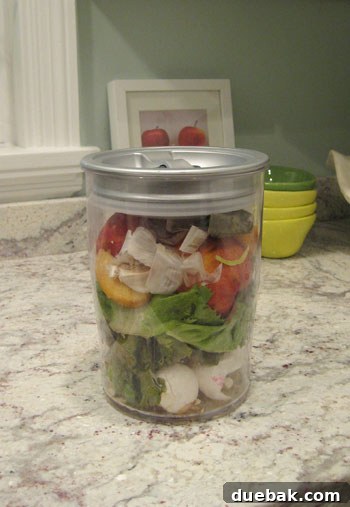
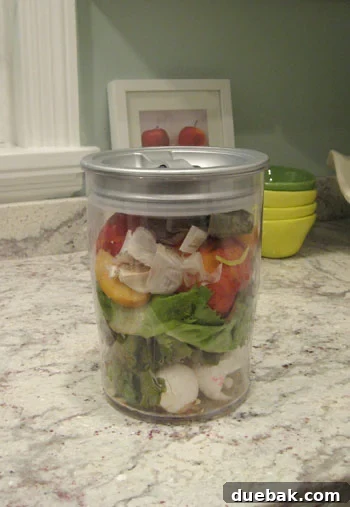
We wanted to visually demonstrate just how un-scary and un-nasty compost can be. Our latest batch of veggie scraps and eggshells was so vibrant, it almost looked like a rainbow. It’s a beautiful reminder of the life cycle and the potential for regeneration that happens right in our kitchens and backyards.
The Undeniable Benefits: More Than Just Less Trash
The advantages of composting extend far beyond simply reducing your household waste, although that alone is a significant win. When organic materials are sent to landfills, they decompose anaerobically (without oxygen), producing methane – a greenhouse gas far more potent than carbon dioxide. By composting, you actively divert this material, preventing methane emissions and transforming potential pollutants into valuable resources.
Here are some of the compelling reasons to make composting a part of your daily routine:
- Enriches Soil Naturally: Compost is a powerhouse of nutrients, microorganisms, and organic matter. When added to garden beds, potted plants, or lawns, it dramatically improves soil structure, aeration, and water retention. This leads to healthier, more robust plants that are better able to resist pests and diseases, often reducing or eliminating the need for chemical fertilizers.
- Reduces Landfill Waste: Food scraps and yard waste constitute a significant portion (up to 30%) of household garbage. Composting drastically cuts down on the volume of waste destined for overflowing landfills, lessening the environmental burden.
- Saves Money: No longer will you need to purchase expensive bags of garden soil, potting mix, or chemical fertilizers. Your compost bin becomes a free, endless source of premium soil amendment, saving you money season after season.
- Conserves Water: Compost-enriched soil acts like a sponge, retaining moisture more effectively. This means your plants will require less frequent watering, leading to water conservation and less time spent with the hose.
- Supports Biodiversity: A healthy compost pile is teeming with beneficial microbes, fungi, and invertebrates that contribute to a thriving ecosystem both within the pile and eventually in your garden soil. This microscopic world is crucial for plant health and overall soil vitality.
- Fewer Trips to the Curb: For us, composting means taking out the kitchen garbage half as much. This translates to fewer bags filling up our bins and less frequent trips to drag the main garbage can to the curb, simplifying our weekly chores.
- Personal Satisfaction: There’s an immense sense of accomplishment and connection to nature that comes from transforming waste into a life-giving resource. It’s a tangible way to contribute to a healthier environment every single day.
Seamless Integration: Composting Made Easy (and Odor-Free)
One of the biggest hurdles for prospective composters is the perceived difficulty or messiness of the process. However, integrating composting into your daily life can be incredibly simple and clean. It all starts with the right indoor collection system.
Our go-to method begins with an airtight, 100% odorless compost container kept conveniently under the sink. We originally snagged ours at Target for a mere 8 bucks. While our specific model has been discontinued, excellent alternatives are readily available. Options like this OXO POP 1.1qt Short Small Square Food Storage Container or this larger OXO POP 1.7qt Airtight Food Storage Container would work perfectly. The key is an airtight seal to lock in any potential odors, ensuring your kitchen remains fresh and clean.
Into this handy container go all our daily kitchen scraps: fruit and vegetable peels, coffee grounds, used tea bags, and eggshells. These are the “greens” that power the initial decomposition process. We consciously avoid adding meat, dairy products, oily foods, or diseased plants to prevent attracting pests, generating unpleasant odors, or introducing pathogens into our compost.
A few times a week, when the indoor container is full, we simply walk it outside to our super simple exterior compost bin. This bin, picked up at Lowe’s for a modest 7 clams, serves as the main processing unit. There, the collection of peels, pits, and tea bags joins other “browns” like dry leaves and shredded paper, beginning its transformation into rich, dark compost. This two-step process – indoor collection, outdoor processing – makes managing kitchen waste incredibly easy peasy.
Beyond the Bin: Making Composting a Lifestyle
The journey to adopting composting often begins with a desire for quick karma or a simple curiosity about making free organic soil. Yet, what many discover is that it’s not the huge commitment or hours of labor they initially envisioned. Even we thought it was a big step when the idea was first suggested, but composting has genuinely made our lives easier, not harder. It’s a rhythmic, almost meditative practice that connects us more deeply to our food and our environment.
From drastically reducing the frequency of garbage disposal to never having to haul home heavy bags of garden or potting soil again, the practical benefits are immense. It frees up time, saves money, and most importantly, instills a profound sense of purpose and contribution to a more sustainable future. Life truly is good when you’re closing the loop, turning waste into vitality, and nurturing the earth that sustains us all.
Ready to Cultivate Your Own Black Gold?
If you’re inspired to transform your kitchen waste into a valuable resource and experience the profound satisfaction of sustainable living, we encourage you to take the next step. Composting is an incredibly rewarding journey, and getting started is much simpler than you might think. Don’t let misconceptions hold you back from embracing this impactful practice.
For a detailed guide on setting up your own composting system, check out our step-by-step tutorial for making a sweet little compost bin of your own. It walks you through everything you need to know to begin creating your own “black gold” and join the growing community of happy composters. Embrace the simplicity, enjoy the benefits, and start your composting adventure today. Happy composting, everyone!