
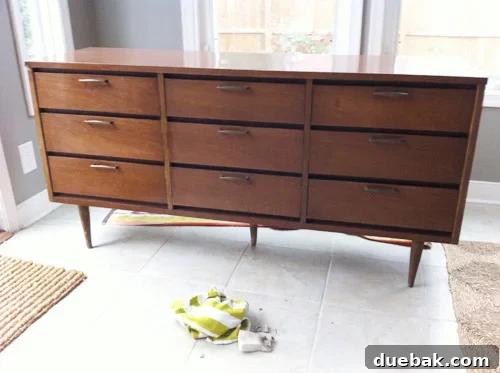
Vintage Dresser Transformation: A Complete DIY Media Cabinet Makeover
There’s an undeniable charm in breathing new life into forgotten treasures. We recently embarked on a journey to transform an unassuming, mid-century dresser from a thrift store find into a stylish and functional media cabinet for our living room. This isn’t just a tale of superficial beauty; it’s a testament to the power of a little elbow grease and the right tools to uncover the hidden potential in vintage pieces. As we often share our real-time DIY adventures, this post delves into the exciting second chapter of this project, following our initial efforts to repair its rickety legs. Get ready to discover how we gave this fifty-year-old gem a serious dose of tender loving care, turning it from drab to fab with surprising simplicity.
The Art of Furniture Restoration: Unveiling Hidden Beauty
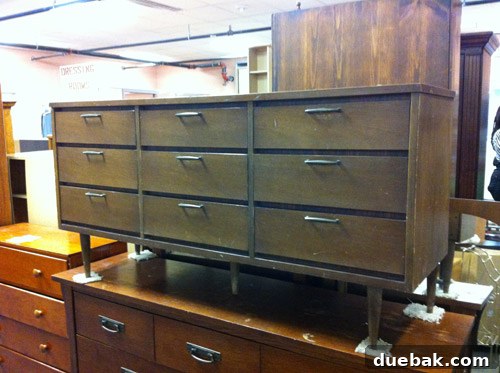
Our quest to create the perfect media cabinet led us to a vintage dresser, a piece that had certainly seen better days. Its wooden surface was marred with years of grime, scuffs, and what appeared to be ingrained scratches. Many might have dismissed it, but we saw past the superficial wear and tear, envisioning a renewed focal point for our entertainment setup. The beauty of DIY furniture restoration lies in this vision: the ability to see potential where others see only age. With a few simple, yet effective, tools, we were ready to tackle the challenge of restoring its luster and preparing it for its new role in our home.
Essential Tools for a Successful Furniture Flip
You might be surprised by the simplicity of the arsenal we employed for this restoration. Forget industrial sanders or harsh chemical strippers; our primary weapon in this battle against time and grime was humble yet mighty. Here’s what we gathered for the initial cleaning phase:
- Magic Eraser
- Spray bottle with white vinegar
- Clean rags
This minimalist approach demonstrates that you don’t always need specialized equipment to achieve remarkable results, especially when dealing with older, dry wood that hasn’t been heavily sealed or lacquered. The key is understanding the material you’re working with and choosing the gentlest yet most effective method.

Revitalizing the Exterior: The Magic Eraser Method
When it comes to deep cleaning and gently exfoliating old wooden furniture, the Magic Eraser truly lives up to its name. For pieces like our vintage dresser, which accumulated decades of dirt, faint paint streaks, and surface scuffs, this melamine foam sponge is an absolute game-changer. It works by acting as an ultra-fine abrasive, similar to very high-grit sandpaper or fine steel wool, but with a unique, user-friendly gentleness. This makes it ideal for removing stubborn surface contaminants without aggressively stripping the wood’s original patina or causing damage to the underlying finish. It’s particularly effective on dry, unsealed wood that tends to trap grime over time.
Step-by-Step Magic Eraser Cleaning
Our process began with a simple yet meticulous approach to the dresser’s exterior. We started with a small, inconspicuous area to test the eraser’s effect on the wood’s finish – a crucial step for any restoration project. Once we confirmed it was safe and effective for our piece, we proceeded with confidence:
- Dampen the Magic Eraser: Lightly moisten the Magic Eraser with water. It doesn’t need to be soaking wet, just damp enough to activate its cleaning properties.
- Gentle Buffing: Using gentle, circular motions, begin buffing the wooden surface. You’ll notice the grime and surface marks beginning to lift away. The beauty of this method is that what often appears to be permanent scratches or faded paint can actually be surface buildup that the Magic Eraser can meticulously remove, revealing the clean wood underneath.
- Focus on Problem Areas: Pay special attention to areas with visible dirt accumulation, scuffs, or light discoloration. We applied this technique across the entire top surface, down the sides, and even on the legs, where years of dust and wear were most evident.
- Observe the Transformation: The change is often immediate and incredibly satisfying. The wood brightens, and its natural grain becomes more pronounced, hinting at the true character of the piece.
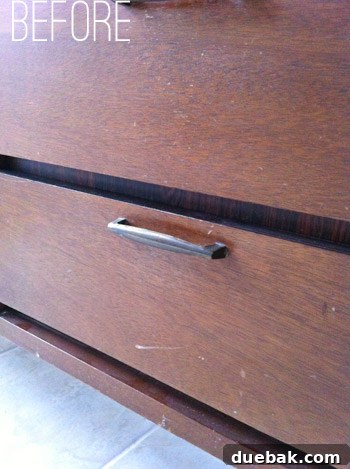
Consider this detail shot taken before any cleaning. The bottom right side of the cabinet clearly shows years of accumulated dirt and marks:
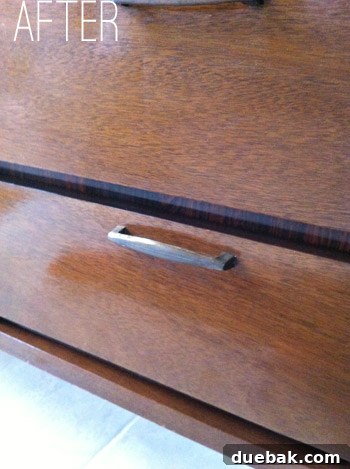
And here is the same area after just about five minutes of careful buffing with a damp Magic Eraser. The difference is truly remarkable, showcasing how much surface grime had obscured the wood’s natural beauty:
Tackling Interior Mustiness: The White Vinegar Solution
With the exterior rejuvenated, our attention turned to the inside of the drawers. These often tell the story of a piece’s history, and in this case, it was a tale of dust, must, and forgotten scents. Unlike the exterior, which primarily needed surface buffing, the interior required a different approach aimed at deep cleaning and odor neutralization. White vinegar, a natural and effective household staple, proved to be the perfect solution for this task.
Why White Vinegar for Musty Drawers?
White vinegar is a mild acid, making it an excellent natural disinfectant and deodorizer. It effectively breaks down and absorbs organic compounds responsible for musty smells, rather than just masking them. For old wooden drawers, which can retain odors from years of storage, smoke, or just general dampness, vinegar offers a non-toxic and highly efficient way to refresh the interior without introducing harsh chemicals.
The Vinegar Wipe-Down Process:
- Prepare the Rag: Moisten a clean, old rag with undiluted white vinegar. Ensure it’s damp but not dripping wet.
- Wipe Down All Surfaces: Thoroughly wipe down the inside of each drawer, including the bottoms, sides, and front panels. Pay extra attention to corners and any areas where dust or grime has accumulated. You’ll immediately notice the strong vinegar scent, but don’t worry – it dissipates completely upon drying.
- Address Persistent Odors: For particularly stubborn musty odors, you might leave a small dish of white vinegar or crumpled newspaper (which also absorbs odors) inside the closed drawers for a day or two after wiping, ensuring proper ventilation.
- Air Dry Thoroughly: This is a critical step. After wiping, leave the drawers completely open in a well-ventilated area. The vinegar needs to evaporate fully, taking the musty smells with it. This can take several hours, or even a full day, depending on humidity levels. The goal is for the drawers to smell like nothing at all once dry.
The transformation was remarkable. The musty, dusty interiors were replaced with clean, neutral-smelling spaces, ready to house new belongings. Huzzah, indeed!
The Grand Reveal: A Reborn Vintage Treasure
After several hours of dedicated work – meticulously buffing the exterior with the Magic Eraser and thoroughly sanitizing the interiors with vinegar – our dresser-turned-media-cabinet began to shine. The murky, faded finish that characterized its thrift store days was gone, replaced by a warm, inviting wood tone that felt both authentic and revitalized. It was like giving the piece its very own spa day, a deep “microdermabrasion” that peeled back the layers of time to reveal a more youthful and vibrant appearance beneath. The subtle sheen, the clearer grain, and the fresh scent were incredibly rewarding. Dr. Sherdog (ahem, yours truly) was very pleased with the results!
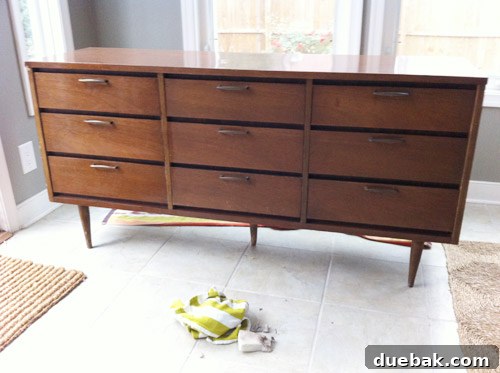
The visual impact of this initial cleaning stage was profound, setting the stage for its final placement in our home. What started as a tired, forgotten item was now radiating charm and history, ready for its next chapter.
Strategic Placement and Evolving Design Vision
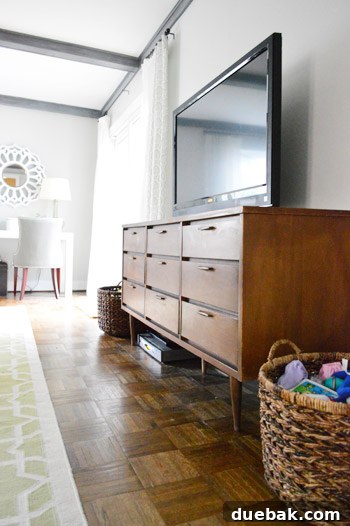
Following its comprehensive clean, the dresser spent some crucial time air-drying in the sunroom, with all its newly vinegar-wiped drawers left ajar to ensure complete evaporation and odor dissipation. This patient waiting period is vital to prevent any residual mustiness or moisture from settling back into the wood. After approximately eight hours, with the piece thoroughly dry and smelling fresh, we finally moved it into its new home in the living room. Finding the right media cabinet had been a search spanning over two years, so bringing this perfectly sized and beautifully restored piece into its place was a moment of genuine satisfaction.

Integrating Modern Media Components
While currently serving its purpose beautifully, we have future plans for optimizing its functionality as a media cabinet. We intend to house our TV components discreetly within one or two of its spacious drawers, rather than leaving them exposed on the floor. There are a couple of ingenious solutions for this:
- Hinged Drawer Fronts: A clever DIY modification involves hinging the front panel of a drawer. This allows for easy access to components and seamless remote control operation.
- RF Remotes: For a completely hidden setup, RF (Radio Frequency) remotes offer a fantastic solution. These remotes transmit signals through wood and other materials, eliminating the need for line-of-sight and keeping your media components completely out of view. We’re eager to explore a tutorial for hinging a drawer or giving an RF remote a try in the near future.
An Evolution in Aesthetic Choices
Interestingly, our initial design strategy for this piece involved painting the top, sides, and bottom white, leaving the drawer fronts and structural elements in their natural wood tone – a popular two-tone look. However, once we completed the thorough cleaning and saw the revived beauty of the natural wood, our perspective shifted. Bringing it into the living room and seeing how its warm tones interacted with the existing decor, we realized we loved it just the way it was.
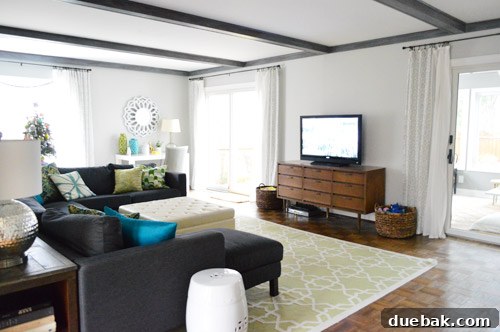
Our living room already features a white desk, a white coffee table, and a white ottoman, so the natural wooden media cabinet provides a crucial element of balance and warmth. It harmonizes beautifully with the wooden console table we crafted for behind our sofa and the wood-framed chalkboard we made. This serendipitous shift in design preference underscores the importance of allowing a piece to speak to you throughout the restoration process.
Considering Hardware and Wood Protection
While we initially considered updating the hardware, we’ve found ourselves quite fond of the original pulls. However, a potential future upgrade involves giving them an oil-rubbed bronze finish. This would beautifully tie in with the curtain rods on either side of the cabinet and the dark tone of the television, creating a cohesive and sophisticated look. You can be sure we’ll keep you updated if we decide to pursue this enhancement!
Furthermore, to truly protect and enhance the wood’s newfound luster, we plan to apply a wood-restoring seal or topcoat. Given that the wood is quite dry and lacks significant gloss, a good quality finishing product will nourish the wood, protect it from future wear, and bring out even more of its inherent beauty. I’ve already picked up a promising product from the hardware store and am eager to share the results, potentially with a detailed tutorial. This step is crucial for long-term preservation and truly completing the restoration.
Prioritizing Safety: Securing Your Television and Furniture
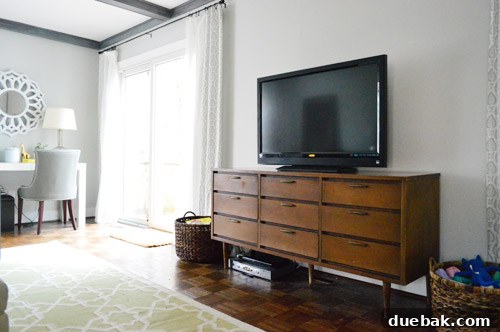
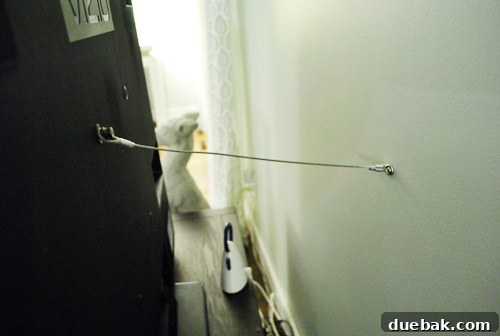
Beyond aesthetics and functionality, safety is paramount, especially in a home with children. We utilize a reliable TV anchor system to securely fasten our television to the wall, preventing accidental tipping. This system, which we previously used with our old media cabinet, was simply unattached and reattached higher on the wall to accommodate the new dresser’s height. It’s a simple, inexpensive solution that provides invaluable peace of mind.
The principle of anchoring extends beyond televisions. Similar safety systems can be used to tether desks, dressers, and even leaning mirrors, safeguarding against tipping hazards and creating a safer environment for everyone. We highly recommend exploring these options for any tall or heavy furniture items in your home, especially if you have little ones around. More information on childproofing and furniture safety can be found here.
The Rewarding Outcome: Functionality, Aesthetics, and Value
We are now thoroughly enjoying the benefits of our transformed media cabinet. The television is positioned at an ideal viewing height, and the piece itself elegantly anchors that side of the room, preventing the “sofa-heavy” feeling we sometimes experienced with our previous, much smaller TV table. The abundant drawers are already earmarked for practical storage, ready to house Clara’s ever-expanding collection of games and toys – a welcome solution for keeping our living space tidy. This functional upgrade is a huge win for any parent!
And what about the old TV cabinet, you ask? We happily sold it on Craigslist for $30 just yesterday! This means our new $59 thrift store find effectively cost us only $29 after recuperating funds from the sale. This highlights the incredible value and satisfaction that comes from embracing DIY and upcycling. Not only do you get a unique, personalized piece of furniture, but you also save money and contribute to a more sustainable lifestyle by giving old items a second chance.
Join the DIY Restoration Conversation!
Are you feeling inspired to tackle your own furniture restoration project? Perhaps you have a vintage piece waiting for a second life? We’d love to hear about your experiences! Have you ever successfully used white vinegar to eliminate stubborn musty odors from old drawers or cabinets? What about the Magic Eraser – have you tried this surprising tool on old, grungy wood? While it might not be suitable for super shiny, lacquered, or sealed finishes (as it could cause tiny scratches), for older, dry, and already-battered wood, it can reveal an amazing transformation, lifting stains and grime that seemed deeply embedded. It often turns out that furniture is far less “beat-up” than it initially appears!
Share your tips, tricks, and triumphs in the comments below. Let’s celebrate the beauty of bringing forgotten furniture back to its former glory!