

Transforming Thrift Store Finds: The Journey of Our Moroccan Accent Table
This morning, we offered a sneak peek into our latest thrifting adventures, sharing captivating images of our recent haul. As promised, today we’re diving deeper into the story of a particular piece that truly captured our hearts: a stunning Moroccan accent table. We’ll recount its journey from a hidden gem in a local thrift store to a cherished piece in our home, complete with my proven ritual for cleaning and restoring old, musty wood. Get ready to uncover the details of this budget-friendly transformation that breathes new life into vintage charm.
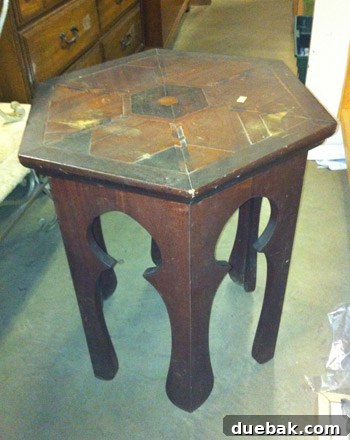
Our quest for unique home decor led us to Love of Jesus Thrift in Richmond, a treasure trove for those who appreciate the thrill of discovery. It was there that we stumbled upon this extraordinary Moroccan accent table, its intricate design and solid wood construction instantly grabbing our attention. The moment we saw it, we were reminded of several high-end designer tables, often retailing for upwards of $260. To find a piece with such distinctive lines and character for merely $25 was an absolute steal, a testament to the unparalleled value that thrifting offers. We knew instantly this beautiful, solid wood table had to come home with us, ready to embark on its new chapter.
Reviving Vintage Wood: Our Tried-and-True Cleaning Ritual
Upon closer inspection, it was clear our new acquisition, despite its inherent charm, was in rather rough shape. Years of storage had left it grimy and infused with that distinct musty odor common to older wooden furniture. However, with a little patience and a few simple steps, we knew we could restore its former glory. Our ritual for rejuvenating old wood focuses on gentle cleaning, thorough drying, and odor neutralization – a process that has consistently delivered impressive results without damaging the integrity of the piece.
- Initial Cleanse: First, I gently wiped down the entire table with a damp cloth infused with a tiny amount of Mrs. Meyers soap. The goal here isn’t a deep scrub, but rather to carefully remove superficial dirt, cobwebs, and any accumulated crud hiding in its beautiful cracks and crevices. This step is crucial for getting a true sense of the wood’s condition underneath.
- Sun-Drying for Sanitation: After its initial wipe-down, I allowed the table to dry completely outdoors in the sun for several hours. Sunlight is a natural sanitizer and helps to air out wood, beginning the process of dispelling unpleasant odors. This natural drying also ensures that any moisture introduced during cleaning evaporates fully, preventing potential mold or further mustiness.
- Odor Elimination with White Vinegar: Next, I gave the table another thorough wipe-down, this time with a damp cloth moistened with white vinegar. White vinegar is a remarkable natural deodorizer and a mild disinfectant, highly effective at neutralizing musty smells by breaking down the compounds that cause them. Its acidic nature also helps to clean without harsh chemicals.
- Final Sun-Drying for Freshness: Following the vinegar treatment, the table went back out into the sun for a few more hours of complete drying. The combination of vinegar and sunlight is, in our experience, the absolute best and most natural way to truly banish that pervasive old, musty smell from vintage wood. The sun helps the vinegar penetrate and then dissipate, leaving the wood smelling fresh and clean.
- Introduction to Its New Home: Once completely dry and odor-free, the table was ready for its grand entrance into our bedroom, eager to begin its new life as a stylish and functional accent piece.
An optional, but often beneficial, step in wood restoration is to apply a wood conditioner or oil. This can rehydrate dry wood, enhance its natural luster, and provide a protective layer, leaving a glossier finish. However, I typically reserve this step for pieces I’m certain we’ll be leaving in their natural, as-is state. Many of our thrifted finds, including this Moroccan table, enter what we affectionately call a “trial phase” upon arriving home. This temporary holding pattern allows us to live with the piece, observe how it interacts with our existing decor, and truly decide on its long-term fate before committing to irreversible alterations.

The “Trial Phase”: An Essential Step in Home Decor Decisions
The concept of a “trial phase” is fundamental to our approach to incorporating new pieces into our home, especially thrifted ones. It means that before we rush into extensive refinishing, a fresh coat of paint, or significant adaptations for a specific spot, we prefer to let the item simply exist in its new environment. This period of observation allows us to think things through thoroughly, gauge our initial feelings, and truly determine how the piece fits into our aesthetic and functional needs. It’s a crucial step to avoid hasty decisions that might be hard, or even impossible, to undo later – such as painting a piece that we might eventually wish we had left in its beautifully worn, natural state.
This cautious approach is precisely why we hold off on oiling or conditioning the wood immediately. Should we later decide to refinish or paint the table, having a glossy, greased-up surface would complicate the process significantly. By maintaining its bare state during the trial phase, we preserve our options, ensuring maximum flexibility for future transformations. It’s about respecting the potential of the piece while making informed choices that align with our evolving decor vision.
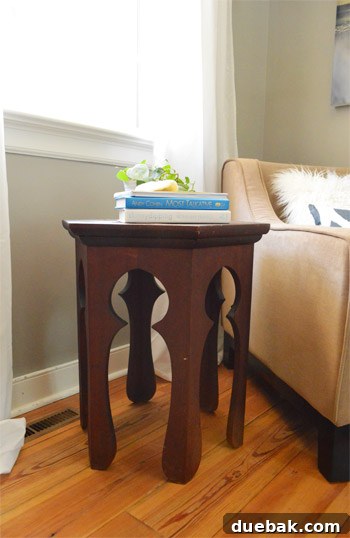
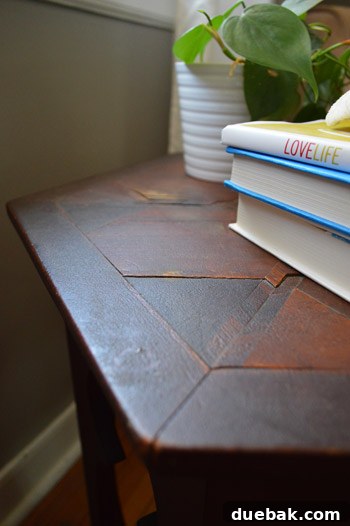
Even though the table’s intricate top wasn’t flawless in its bare state, displaying a charming mix of pristine areas and gentle wear, its imperfections faded into the background once styled. A carefully chosen stack of colorful books and a small, vibrant potted plant immediately drew the eye, creating an inviting vignette. This simple styling effortlessly elevates its presence, proving that during its “trial phase,” the table not only works but thrives, adding character and warmth to the room without requiring a complete overhaul. It’s a testament to how thoughtful placement and minimal adornment can dramatically alter the perception of a piece, making its current condition perfectly acceptable and even desirable.

Seamless Integration: The Table’s Place in Our Bedroom Aesthetic
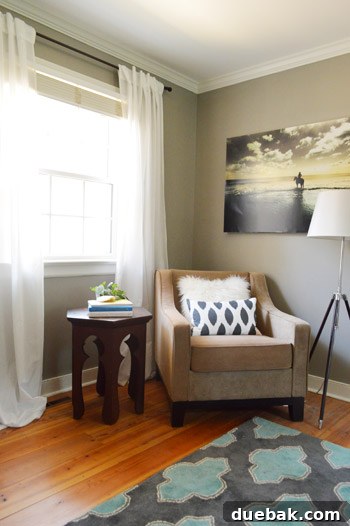
Stepping back, the Moroccan accent table now gracefully anchors a corner of our bedroom, contributing to the room’s overall ambiance. Please disregard the slightly unusual rug placement; it’s on our list of minor adjustments to enhance the room’s flow. Moving furniture often requires a second pair of hands, and I usually need to catch John before he settles too comfortably into the sofa for the evening, otherwise, that task quickly becomes a dream for another day! Its current positioning, however, still allows us to appreciate its form and function.

One delightful aspect we’ve noticed is how subtly the table’s legs echo the patterns within the area rug. This unexpected harmony is precisely why we’re currently disinclined to paint the table a bold color like turquoise or anything that might disrupt this understated connection. We find immense appeal in having these dark, rich mocha tones throughout the room. These deeper hues, echoed by a large leaning wall mirror and various oil-rubbed bronze frames (which you can explore further here), provide crucial grounding elements. They add a sophisticated depth and balance to the space, ensuring the room feels cozy and well-curated rather than overwhelmed by lighter shades. This careful balance of color and texture is key to achieving a cohesive and inviting bedroom atmosphere.
The Allure of Intricate Detail: Celebrating the Ornate Wooden Top
Without a doubt, my favorite feature of this entire piece is its exquisitely ornate wooden top. Its intricate carvings tell a story, reflecting the rich artisanal heritage of Moroccan design. I couldn’t resist capturing several close-up shots to fully appreciate its beauty, especially for all the fellow wood-loving enthusiasts out there. Up close, the patterns on the tabletop almost resemble a complex Moroccan puzzle, each piece perfectly interlocking to form a mesmerizing visual tapestry. This level of detail is a testament to the craftsmanship of yesteryear and a primary reason why we cherish vintage finds.
Exploring Design Possibilities: A Touch of Modernity
While we appreciate the table’s current natural state, my mind is always buzzing with potential creative updates. One idea that has particularly intrigued me is to introduce a subtle contrast by painting just the inside edge of each table leg white. This strategic touch of white wouldn’t overhaul the table’s character but would instead serve to highlight its unique, keyhole-like leg shape ever so slightly, adding a contemporary twist to its vintage form. It’s a delicate balance of preserving history while introducing a fresh, modern accent.

Currently, when viewed from a distance, the dark, uniform color of the legs tends to merge, making them appear somewhat like one continuous silhouette. This can diminish the visual impact of their distinctive keyhole shape, which is one of the table’s most charming structural elements. The intricate cut-outs, so striking up close, lose some of their definition when the legs blend together into a single “blob” of color, preventing their unique design from truly standing out.
Now, imagine the subtle transformation if just the interior lip of each leg were painted a crisp, clean white. This minor alteration could dramatically enhance the perception of the table’s unique structure, allowing the elegant keyhole design to pop and become more discernible even from afar. It could create a captivating interplay between the table’s historic character and a touch of modern minimalism, offering a fresh take on an old classic. This thoughtful detail would highlight the table’s beautiful form, bridging the gap between its rustic appeal and a more refined, contemporary aesthetic. Such a design choice might offer a fun and sophisticated mix of old and new, celebrating both the table’s heritage and its potential for updated elegance.
What are your thoughts on this potential modification? Is it perhaps too bold to introduce paint to such a beautifully aged piece, or do you think a subtle accent could enhance its charm? Would you consider painting the entire table for a complete overhaul, or would a gentle refinishing to simply clean and protect the wood be your preferred approach? We’re always eager to hear diverse perspectives on furniture makeovers and restoration projects, as every piece tells a unique story and holds different possibilities for transformation.
Psst- Have you checked to see if you’re our latest giveaway winner? Click here to find out if you’ve won this week’s fantastic freebie!