
Welcome to the dynamic world of home decorating, where personal expression reigns supreme and traditional “rules” are often best viewed as flexible guidelines. When it comes to adorning your house and crafting a space that truly resonates with your soul, we firmly believe there are no universally right or wrong answers. Your home should be an authentic extension of who you are, a sanctuary that makes you feel happy and at ease the moment you step inside. Our enduring philosophy has always been wonderfully simple: “just do what you love.” This empowering mindset allows you to cultivate an environment that genuinely reflects your unique style and brings you immense joy.
But what if you’re not entirely sure what your personal decorating style is yet? The journey of discovering your aesthetic can be an exciting adventure! Begin by immersing yourself in a wealth of inspiration. Explore countless beautifully designed rooms in interior design magazines, spend time browsing online platforms like Pinterest and Instagram, and pay close attention to the visual elements that truly capture your imagination. These powerful visual cues can serve as invaluable springboards, guiding you as you envision and elevate your home’s aesthetic. Beyond conventional decor sources, inspiration can emerge from the most unexpected places: a captivating piece of art, a beloved pair of earrings, or even the intricate pattern on a charming invitation. Imagine the creative possibilities of designing an entire room around the delicate details found on a pretty soapbox, much like the inspiring example showcased here. When you open your mind to diverse sources of beauty, the potential for unique and heartfelt creative expression is truly limitless.

It’s important to share that our own journey into home improvement and interior design wasn’t paved with formal training or academic degrees. We are simply two passionate individuals who learned through hands-on experience, slowly transforming our own house on a budget and documenting our progress every step of the way. Through countless DIY projects, moments of trial-and-error, and a healthy dose of unwavering determination, we’ve amassed the confidence and practical expertise to help others enhance their living spaces. We’ve certainly encountered our fair share of challenges and made our quota of mistakes, but it’s precisely these learning experiences that have forged who we are today. They enable us to genuinely connect with and understand everyone who is also striving to create a beautiful home on a budget, often without any formal design background – armed only with their ingenuity, dedication, and a resilient spirit. We wholeheartedly relate to that journey.

As you delve into our advice and suggestions, we have one paramount guiding principle: never undertake a design choice solely because we recommend it. Our insights, whether pertaining to a specific paint color, a rug placement strategy, or any other element of decor, are always offered as a springboard. They are intended to ignite your imagination, inspire fresh ideas, and provide a foundational perspective for your own unique decisions. We would never want anyone to blindly implement our suggestions simply because “John and Sherry said it would work.” The intrinsic beauty of design lies in its inherent subjectivity and the vast array of creative possibilities it offers. There isn’t just one single “right” way to decorate a living room; instead, there are hundreds of distinct solutions that could all look absolutely stunning. This wonderful diversity is incredibly liberating! It means you are empowered to follow your instincts and your personal taste to achieve a result that genuinely suits you, rather than endlessly searching for a mythical, one-size-fits-all “answer” to your decorating dilemma. Embrace the freedom to personalize, ensuring every decision is made with thoughtful consideration for your unique home and cherished preferences.
BUT (because there’s always a “but,” isn’t there?) on the flip side of that coin, we consistently receive questions that address highly debated decorating scenarios. These are the topics that frequently spark lively discussions and diverse opinions among home decor enthusiasts. So, we’ve compiled our perspective on these common decorating dilemmas. Think of them less as rigid dictates and more as general suggestions – thoughtful considerations you can adapt, modify, or even completely set aside based on what truly resonates with you and your living space. Ultimately, the goal remains steadfast: to do what you love, not what we simply recommend!
Controversial Decorating Dilemmas Unveiled: Our Perspective on Common Design Questions
Dilemma #1: Can Your Living Room Rug Be Shorter Than the Length of Your Sofa? Finding the Perfect Proportion
This is a frequently asked question, and generally speaking, our preference leans strongly towards a rug that extends beyond your sofa by at least a few inches on both sides. This subtle extension creates a vital sense of balance and firmly anchors the entire seating arrangement, preventing the sofa from appearing visually top-heavy or disproportionately bulky within the room. For instance, in smaller rooms where a sofa is paired with a single accent chair (think of a cozy den or a compact living room), we typically recommend a 5 x 8 foot rug to define the space effectively. However, for more expansive seating configurations – perhaps a sofa combined with a loveseat, a sofa flanked by two chairs, or a substantial sectional – an 8 x 10 foot rug is often the ideal choice. This larger size is crucial for encompassing the entire arrangement, grounding all the furniture with a cohesive and intentional presence, creating a defined “zone” for conversation and relaxation.
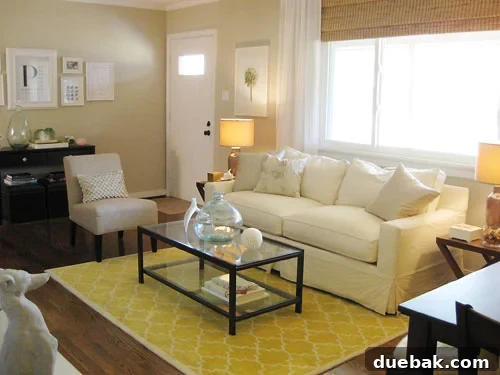
Yet, as with most design principles, rules are indeed meant to be broken. We’ve encountered numerous stunning examples where a rug shorter than the sofa creates an equally appealing and stylish look, proving that unconventional choices can yield remarkable results. For instance, a quick browse on domino.com can reveal inspiring rooms where a shorter rug is expertly integrated, looking absolutely fantastic within its context. The critical factor here is often the overall balance of the room, the scale of other furnishings, and the desired visual impact. So, how can you definitively decide what’s truly right for your unique space? One highly practical approach is to embrace experimentation: if feasible, bring home two or three potential rugs and lay them out to physically assess which one harmonizes best with your existing furniture and room dimensions. Many retailers offer generous return policies, allowing you to easily return the “losers” without financial commitment, gaining invaluable, real-world insight into what works best for your home. For more comprehensive insights into various rug placement strategies and tips, you can explore additional rug rules right here.
Dilemma #2: Neutral or Bold Upholstery – Which Offers More Value and Longevity in Furniture Choices?
This dilemma frequently pits classic sensibility against vibrant personal expression. The question arises: should large upholstered furnishings, such as sofas and armchairs, be exclusively covered in neutral colors to ensure a timeless and versatile appeal? Or can you truly maximize your investment and inject more personality into your space with a brightly colored sofa or a fun patterned accent chair? Our personal preference strongly leans towards classic, neutral upholstery for major pieces. We find this approach to be the safest, most adaptable, and budget-friendly long-term strategy. Neutrals provide a calm, sophisticated, and versatile backdrop, allowing you to introduce splashes of color, intriguing patterns, and dynamic personality through more easily changeable accessories like throw pillows, blankets, and artwork. This method ensures that you won’t quickly grow tired of your room’s aesthetic, as refreshing the look becomes a simple matter of swapping out accessories, a far more economical solution than reupholstering or replacing expensive large furniture pieces. Imagine, for example, dramatically transforming the feel of a cozy den with a vibrant abstract turquoise painting hung above the fireplace and a collection of punchy orange and aqua throw pillows – a significant visual change achievable for under $100, a fraction of the cost of new upholstery.
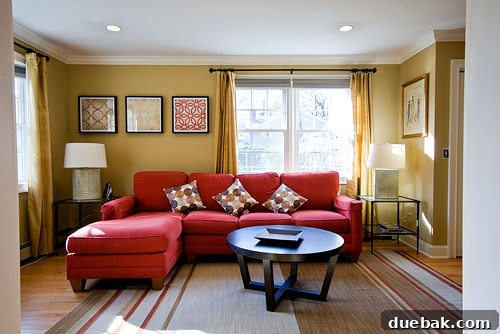
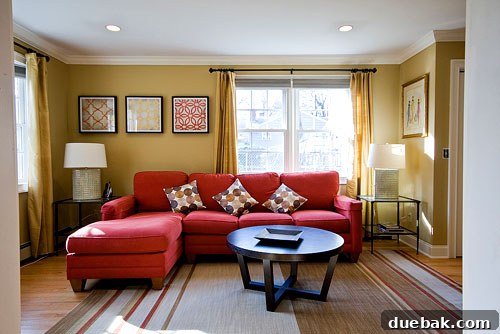
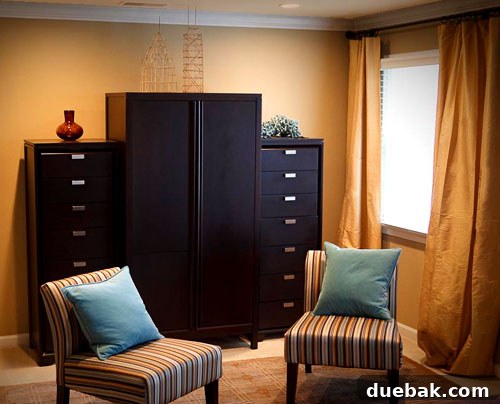
However, once again, the conventional rule can – and often should – be artfully broken. There are countless inspiring examples where a bold color or a captivating pattern on a large upholstered piece becomes the focal point, truly defining a space and making it feel both classic and remarkably fresh. Consider, for instance, a living room featuring a striking bright red sofa sectional that exudes an amazingly classic yet contemporary vibe simultaneously (you can delve deeper into the specifics of this particular room makeover here). The secret to success in these instances often lies in thoughtful integration and balance: ensuring the bold piece is complemented and harmonized by other elements in the room, preventing it from overwhelming the space. Furthermore, sometimes a touch of unexpected pattern can instantly elevate an entire room. In a memorable bedroom makeover, for example, we once recommended graphic striped accent chairs that immediately infused the sitting area with a polished, luxurious feel, all without a hefty price tag, as they were stylish finds from Target. This illustrates that the strategic use of color or pattern in your furnishings can indeed be the unique secret ingredient that transforms a room and makes it truly unforgettable.
Dilemma #3: Do All the Frames in a Room Have to Match? Creating Cohesion or Curated Charm
This question often comes down to a matter of desired aesthetic and personal functionality. From our own experience, we absolutely adore the cohesive and clean look of having every picture frame in our house in a crisp white finish. This uniformity offers incredible practical flexibility; we can effortlessly switch frames from room to room or rearrange gallery walls, allowing for easy updates and rearrangements without any visual discord or clash. This pragmatic approach has also saved us a significant amount of money over the years, as the inherent versatility of matching frames means we rarely need to purchase new ones for different spaces or evolving themes. For additional insights and creative ideas on framing your artwork and photographs, you can explore more details and tips right here.
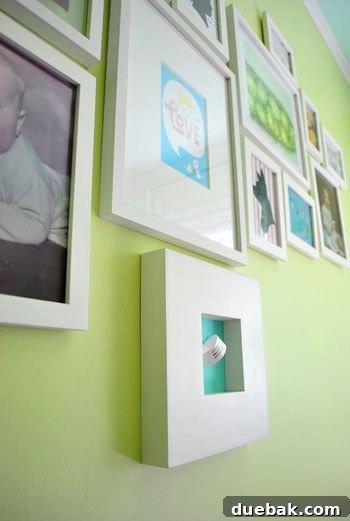
However, the notion that all frames must be identical in color or finish, either throughout your entire house or even within a single room, is a design myth. In fact, embracing a thoughtfully mixed display of frame finishes can create an incredibly charming, eclectic, and wonderfully “collected over time” aesthetic. Imagine a gallery wall featuring a harmonious blend of antique gold, rustic natural wood, sleek modern black, and minimalist white frames – each frame telling its own story, yet collectively contributing to a richer, more dimensional, and visually intriguing display. We frequently see stunning examples of this eclectic approach, such as those often highlighted on popular design platforms like Apartment Therapy, where mixed frame finishes add significant character and unique visual interest. Ultimately, there is no single “perfect” answer in this category; the best choice depends entirely on your personal taste, the existing elements and style in your space, and the overall mood you wish to evoke. Don’t be afraid to mix and match to create a truly unique and personalized gallery that tells your story.
Dilemma #4: Do All Wood Furnishings Have to Match? Embracing Variation and Depth
Absolutely not! In fact, we strongly contend that succumbing to the “matchy-matchy” look with all your wood furnishings is one of the quickest routes to creating a flat, uninspired, and one-dimensional room. A space where every wooden piece – from the coffee table to the side tables, and even the bookshelf or console – shares an identical finish often looks as though it was purchased in a single afternoon from the same store, lacking any genuine depth, character, or visual history. Instead, we passionately advocate for a more dynamic and layered approach. Introducing a thoughtful variety of wood tones, textures, and finishes instantly adds compelling visual interest, crucial dimension, and a sense of curated history to a room. Consider, for example, the rich interplay of a dark, elegant walnut coffee table paired with a lighter, airy oak console, or a rustic, distressed pine bookshelf juxtaposed with a sleek, modern birch accent chair. These deliberate contrasts create a much richer, more complex tapestry within your decor. We found this topic so important that we dedicated an entire post to this very subject, delving into a slew of practical details and actionable suggestions. We firmly believe that intelligently layered materials, diverse finishes, and complementary tones are the true secrets to making any space feel effortlessly stylish, visually dimensional, and inherently interesting. Embrace the natural beauty and variety of different woods, and watch your room truly come alive with character.
Dilemma #5: Does All Hardware (Faucets, Doorknobs, Fixtures, etc.) Have to Match? The Art of Mixing Metals
Another emphatic “nope!” from us. While there’s certainly no inherent harm in meticulously ensuring that every latch, pull, and fixture in a smaller, cohesive space like a bathroom or kitchen adheres to a consistent finish, such as brushed nickel, it is by no means a strict necessity for compelling design. In fact, some of the most stunning and sophisticated rooms we’ve encountered boldly embrace layered hardware and fixture choices. Imagine the elegant interplay of warm antique brass cabinet pulls alongside sleek, cool silvery chrome faucets, or the striking contrast of matte black doorknobs complementing polished nickel light fixtures. This thoughtful mixing of metals and finishes can add incredible depth, unique character, and a highly custom-designed feel to any space, preventing it from appearing too sterile, monochromatic, or predictable. It’s a subtle yet powerful way to introduce visual intrigue and a sophisticated sense of curated style. We found this topic so compelling and popular that we wrote a comprehensive post entirely dedicated to the art of mixing metals and hardware, offering even more detailed insights, inspiring examples, and practical tips. Don’t shy away from experimentation; create a layered look that genuinely speaks to your unique aesthetic and elevates your home’s design.
Dilemma #6: Should All the Trim in Your House Be the Same Color? Cohesion Versus Character
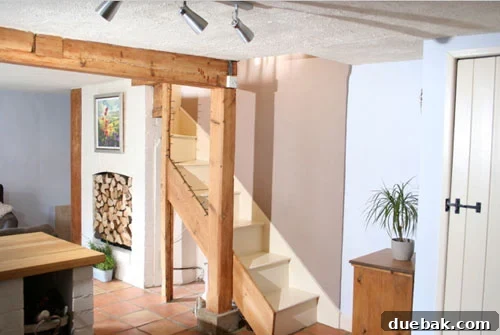
Our personal choice has consistently been to maintain a unified, crisp white trim throughout our entire home. This deliberate decision lends a cohesive, clean, and contemporary feel to our living spaces, creating a seamless visual flow from room to room and allowing our wall colors to truly pop and command attention. It’s a classic choice that offers enduring appeal and remarkable versatility. However, to suggest this is the *only* correct approach would be to overlook the vast array of beautiful and impactful design possibilities. We’ve admired countless homes where rich, dark wood moldings add a profound sense of historical gravitas, warmth, and architectural detail to certain rooms, while other areas within the same home feature clean, bright white trim, creating a striking contrast that is both elegant and highly impactful. This varied approach can skillfully highlight distinct architectural features, clearly define different zones or moods within a home, and infuse each space with a unique and compelling personality. Consider, for example, the charming English casa we once featured, beautifully adorned with gorgeous raw wood beams. These natural, exposed elements contribute an immense amount of character, rustic charm, and authentic warmth that a purely clean white trim simply couldn’t replicate, demonstrating the power of embracing natural textures and varied finishes.
The ultimate conclusion here, as with many of these intriguing dilemmas, circles back to our core design philosophy: do what you genuinely love. Whether that means embracing the uniformity and timeless simplicity of consistent trim throughout your entire house, or creatively mixing and matching different trim styles and colors to enhance distinct areas and create unique visual narratives, the decision is ultimately and wonderfully yours. Remember, it’s your home, and therefore, your rules.
Dilemma #7: Can You Put an Area Rug Over Wall-to-Wall Carpeting? Layering for Style and Definition
Our opinion on this topic is an unequivocal and resounding: yes, yes, and absolutely YES! We are enthusiastic advocates for the strategy of layering area rugs over existing wall-to-wall carpeting. While this might initially seem counter-intuitive to some, it is an incredibly effective and versatile design technique, particularly for defining spaces, adding crucial warmth, and introducing rich texture and pattern. Any seating area that “floats” within a larger room – and often, this floating arrangement looks best, even in more compact spaces – benefits immensely from something that visually grounds and clearly defines that specific zone. An area rug strategically placed over existing wall-to-wall carpet, whether it’s a natural jute, a soft luxurious wool, a durable synthetic, or any other material, often looks absolutely fantastic. It works beautifully in almost any setting, from a formal living room or a casual family room to a serene bedroom that features a small seating nook or a centrally placed bed. The rug serves multiple purposes: it delineates the specific function of the space, adds an extra layer of comfort and stylishness, and introduces a contrasting texture or pattern that significantly elevates the room’s overall design aesthetic. In short: if the idea brings you joy and you appreciate the look, absolutely go for it! Conversely, if you strongly disagree with this approach and prefer a singular carpet treatment, then by all means, avoid it. Your personal comfort, aesthetic preference, and functional needs are always paramount.
Dilemma #8: Besides Paint, What’s the Biggest Way to Transform a Space? The Power of Window Treatments
While a fresh coat of paint is undeniably a powerful and relatively instant tool for refreshing and revitalizing any room, we firmly believe that the most significant, and often overlooked, way to dramatically transform a space lies in the strategic use of curtains and other window treatments. Curtains possess an incredible ability to profoundly alter a room’s perceived height, width, and overall architectural impact. They introduce essential elements of softness, texture, color, and a crucial sense of finish that can make a room feel complete, polished, and professionally designed. Consider, for instance, this amazing reader-submitted curtain makeover, which beautifully demonstrates the truly transformative power of well-chosen window dressings (you can delve deeper into the inspiring details of this project here). Notice how floor-to-ceiling curtains in a cozy breakfast nook not only elegantly frame the window but also skillfully draw the eye upwards, making the ceiling feel significantly higher and the entire space feel grander and more architecturally substantial.
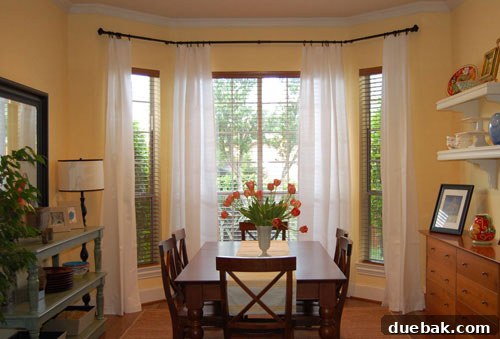
Beyond their aesthetic contributions, curtains also offer valuable practical benefits, including enhanced light control, increased privacy, and improved insulation, contributing to both comfort and energy efficiency. The right window treatments can dramatically enhance both the mood and the functionality of any room. Whether you opt for flowing, elegant drapes, sophisticated Roman shades, or minimalist roller blinds, selecting the perfect window treatment is a crucial and impactful step in sprucing up and finishing your space. We’ve compiled a comprehensive guide specifically dedicated to picking the perfect window treatments, where you’re bound to discover a wealth of ideas, practical tips, and invaluable inspiration. And don’t forget to explore the vibrant comment section for even more ingenious solutions and reader-tested advice!
So, there you have it – our comprehensive perspective on some of the most debated and controversial topics in the vibrant world of home decorating. We sincerely hope our insights provide a helpful framework and empower you to approach your own design decisions with renewed confidence, creativity, and personal conviction. What are your thoughts on these dilemmas? Are there any traditional decorating “rules” that you happily and deliberately break in your own home, embracing your unique style without hesitation? Or perhaps there are certain design principles you adhere to religiously, finding comfort, cohesion, and joy in their consistent application? We are always eager to hear your experiences and opinions on these fascinating topics. Do tell!