
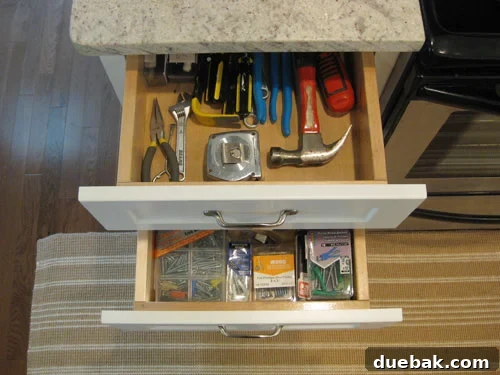
The Ultimate Guide to Cleaning Rusty Tools: Unveiling the Unexpected Coca-Cola Hack
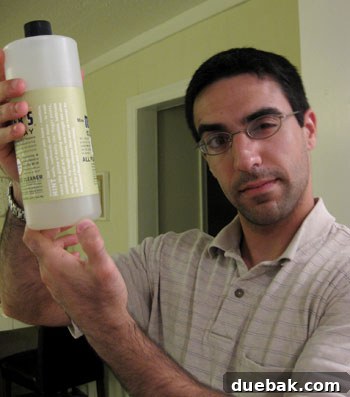
Every homeowner and DIY enthusiast knows the frustration of reaching for a favorite tool, only to find it marred by unsightly and performance-hindering rust. Rust doesn’t just make tools look old; it can dull blades, stiffen joints, and even render instruments unusable, compromising both efficiency and safety. While there are countless specialized rust removers on the market, few can boast the accessibility and surprising effectiveness of a common household beverage. We recently had the pleasure of catching up with our resident brilliant mind, Almost-Doctor Dan, during a whirlwind trip to New York. As always, his insightful wisdom provided a simple yet revolutionary solution for a persistent problem: cleaning old, rusty tools with none other than a refreshing can of Coca-Cola.
The Persistent Problem of Rusty Tools
Rust, or iron oxide, is the bane of metal tools. It forms when iron or its alloys (like steel) are exposed to oxygen and moisture over time – a chemical process known as oxidation. This corrosive enemy not only detracts from the aesthetic appeal of your cherished implements but also severely impacts their functionality. A rusty wrench might slip, a rusty saw might bind, and a rusty shovel might struggle to cut through soil. Beyond performance issues, rust can weaken the structural integrity of tools, leading to premature breakage and potential injury during use. Many people resort to harsh chemicals or abrasive methods that can damage tools further or pose environmental concerns. But what if there was a simpler, more accessible, and surprisingly effective way to restore your tools to their former glory?
Unlocking the Power of Coca-Cola for Rust Removal
Almost-Doctor Dan, with his characteristic genius, didn’t hesitate when asked for more home-related tips. His brilliant suggestion involves leveraging the acidic properties of Coca-Cola to combat rust. This isn’t just a quirky urban legend; it’s a scientifically sound approach that many have successfully adopted. The magic ingredient in this everyday beverage is phosphoric acid, a powerful agent known for its ability to dissolve rust. Here’s a detailed look at his recommended process:
How to Clean Rusty Tools with Coca-Cola: A Step-by-Step Guide
- Gather Your Supplies: You’ll need the rusty tools, a container (a tub, bowl, or bucket, depending on the size of your tools), enough Coca-Cola (original formula is best), a stiff brush (like a wire brush or old toothbrush), and protective gloves.
- Prepare the Tools: Before submerging, give your tools a quick wipe down to remove any loose dirt or debris. While Coca-Cola is remarkably effective, it works best when it can directly contact the rust.
- Submerge in Coca-Cola: Carefully place your rusty tools into the chosen container, ensuring they are fully submerged in Coca-Cola. Almost-Doctor Dan specifically recommends sticking with the original Coca-Cola formula. While Diet Coke and Pepsi also contain phosphoric acid, their concentrations can vary, and the sugar in regular Coke might actually aid in the process by providing a slightly thicker medium that adheres better to the rust. For smaller items like nuts, bolts, or even rusty hinges, a simple bowl will suffice. For larger tools, a small bucket might be necessary.
- The Waiting Game: Leave the tools to soak overnight. For moderately rusted items, 12-24 hours should be sufficient. If the rust is particularly stubborn or thick, you might need to extend the soaking time to a few days. Periodically check the tools; you’ll notice the Coke starting to change color as it reacts with the rust.
- Rinse and Scrub: Once the soaking period is complete, remove the tools from the Coca-Cola. You’ll likely see a significant improvement already. Rinse them thoroughly under running water to wash away the dissolved rust and any sugary residue. For any remaining stubborn spots, use a wire brush, steel wool, or even an old toothbrush to gently scrub them away. The acidic bath will have significantly loosened the rust, making it much easier to remove.
- Thorough Drying: This step is crucial to prevent immediate re-rusting. Ensure the tools are completely dry. You can use a clean towel, let them air dry in the sun, or even use a hairdryer for intricate parts to ensure no moisture remains in crevices.
- Post-Treatment and Protection: To prevent future rust formation, especially for tools that will be stored, apply a light coat of oil. Options include WD-40, mineral oil, or even a thin layer of motor oil. This creates a protective barrier against moisture and oxygen. Store your tools in a dry environment, ideally in a toolbox or on a pegboard, away from humidity.
The Science Behind the Fizz: Why Does Coca-Cola Work on Rust?
The secret weapon in Coca-Cola’s rust-fighting arsenal is phosphoric acid (H3PO4). This acid reacts with iron oxide (rust) through a chemical process that converts the rust into iron phosphate. Iron phosphate is a dark, inert, and somewhat protective layer that adheres to the metal. More importantly, phosphoric acid dissolves the iron oxide much more quickly than it dissolves the underlying iron or steel. As Almost-Doctor Dan explains, “If you left the tools in there for months and months you would probably see significant dissolution (corrosion) of the steel, but for just a few days this isn’t a problem.” This means that for typical rust removal tasks, the risk of damaging your tools is minimal, making it a safe and effective DIY method.
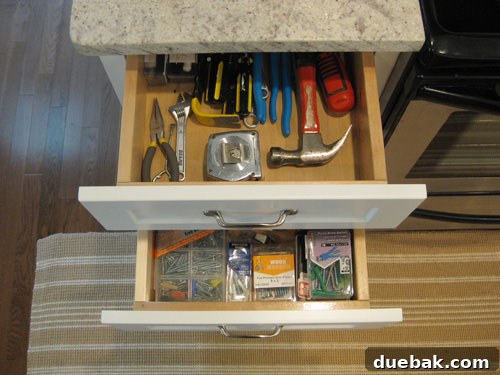
Beyond Tools: Other Household Items You Can Clean with Coca-Cola
The versatility of Coca-Cola extends beyond just garden and workshop tools. Its rust-dissolving properties can be harnessed for various other metal items around the home. Think about those charming antique candlesticks that have lost their luster to rust, or decorative metal vases that need a new lease on life. Small, rusty metal trinkets, old coins (exercise caution and test on an inconspicuous area first, as aggressive cleaning might reduce their value), or even rusty nuts and bolts can benefit from a Coke bath. This affordable solution offers a simple way to restore the beauty and functionality of many metallic objects without investing in expensive specialized cleaners.
Safety and Health Considerations: A Word of Caution from Our Expert
Learning about Coca-Cola’s ability to dissolve rust might make some reconsider consuming it. However, Almost-Doctor Dan offers a reassuring perspective: “For those who may be scared to drink Coca-Cola after learning this, just know that the contents of a healthy stomach are about 100 times more acidic than Coca-Cola.” Our digestive systems are remarkably robust and designed to handle far more acidic environments. Therefore, ingesting Coke or other dilute acids like vinegar or citrus juice does not harm your digestive system. However, he also points out a critical caveat: “they can be harmful to your teeth and esophagus.” Frequent consumption can erode tooth enamel and potentially irritate the esophagus over time. So, while it’s safe for your stomach, moderation is key for oral health. In this context, using Coca-Cola to clean your tools truly might be “the best way to use it” for those mindful of their waistline and overall health.
Maintaining Your Tools for Longevity: Proactive Rust Prevention Strategies
While the Coca-Cola hack is fantastic for reversing rust, prevention is always better than cure. Adopting a few simple habits can significantly extend the life of your tools and keep them rust-free:
- Clean After Every Use: Always wipe down tools to remove dirt, moisture, and grime immediately after using them.
- Dry Thoroughly: Ensure tools are completely dry before storage. Even a small amount of residual moisture can initiate rust formation.
- Proper Storage: Store tools in a dry, climate-controlled environment. Toolboxes, cabinets, or wall-mounted racks are ideal. Consider adding desiccant packets (like silica gel) to toolboxes to absorb excess moisture.
- Apply Protective Coatings: Regularly apply a thin layer of oil (such as mineral oil, linseed oil, or specific tool-protecting sprays) to metal surfaces. This creates a barrier against humidity and oxygen.
- Address Damage Promptly: If a tool gets scratched or dinged, touch up the damaged area to prevent rust from taking hold in exposed metal.
Share Your Own Smart Home Hacks!
So there you have it: a simple, incredibly cost-effective way to banish pesky rust and keep your tools in tip-top condition. We certainly plan to keep a supply of Coke on hand for when our tools start looking a bit worse for wear, and you truly can’t beat the fifty-cents-a-can cost for such a powerful solution! But the innovation doesn’t stop here. We’re always eager to learn from our brilliant readers. Do you have any other ingenious household items you use to keep things clean, functional, or beautifully maintained in your home sweet home? Share your smart tips and tricks in the comments below – we’d love to hear them!
Curious about the mind behind these brilliant tips? Learn more about our resident brainiac, Almost-Doctor Dan (and my little brother), and his other expert insights right here.