
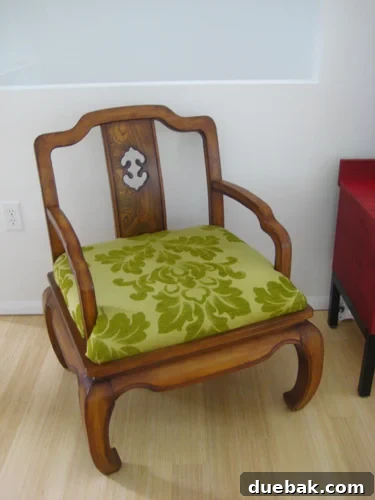
Revitalize Your Home Decor: The Ultimate DIY Chair Upholstery Guide
Are you looking for a budget-friendly and incredibly satisfying way to breathe new life into your home decor? Look no further! This comprehensive guide will walk you through the surprisingly simple process of reupholstering a chair seat. What might seem like a daunting task is, in reality, one of the most accessible and impactful DIY projects you can tackle. In just a few easy steps, you can transform a tired, old chair into a stunning focal point, perfectly customized to your unique style. Get ready to unleash your inner interior designer – it’s time to get creative!
Often, beloved antique or hand-me-down chairs come with a rich history but sometimes also with fabric that has seen better days. Stains, fading, or just an outdated pattern can detract from an otherwise charming piece. That was precisely the case with a beautiful antique chair we recently decided to update. Its original white fabric, while classic, had succumbed to years of use, displaying noticeable yellowing and minor stains. This chair, a cherished family heirloom, deserved a vibrant second act.
Why Choose DIY Chair Upholstery?
Beyond the sheer satisfaction of a successful DIY project, reupholstering your chair offers numerous benefits:
- Cost-Effective Transformation: Professional upholstery can be incredibly expensive. Doing it yourself can save you hundreds, even thousands, of dollars, allowing you to achieve a high-end look on a modest budget.
- Personalized Style: The fabric choices are limitless! You can select a pattern, color, and texture that perfectly matches your existing decor or sets a completely new tone for your space. It’s an opportunity to infuse your personality into your furniture.
- Sustainability and Upcycling: Instead of discarding an old chair and buying new, you’re giving it a new lease on life. This sustainable approach reduces waste and celebrates the craftsmanship of older pieces.
- Preserving Sentimental Value: For heirloom pieces, reupholstering allows you to keep the cherished frame while updating its aesthetic to fit modern tastes, ensuring it remains a beloved part of your home for years to come.
Gathering Your Materials and Tools
For this transformation, we embarked on a fabric hunt and discovered the perfect two yards of sateen and chenille fabric, boasting a dramatic, oversized damask pattern. At just $18, it was an incredible steal! Armed with our chosen fabric, along with a few common household tools and a staple gun, we were ready to begin this exciting project. Here’s what you’ll need:
- New Fabric: Choose a durable upholstery-grade fabric that complements your space. Consider patterns, textures, and color schemes carefully.
- Screwdriver: Essential for removing the chair seat from the frame. A drill with a screwdriver bit can speed up this process.
- Staple Gun: A manual or electric staple gun is a must. Ensure you have plenty of upholstery-grade staples (typically 1/4 inch to 3/8 inch long).
- Scissors: Sharp fabric scissors for clean cuts.
- Pliers/Staple Remover (Optional but Recommended): For correcting any misplaced staples.
- Marker/Chalk (Optional): To mark guidelines on the fabric.
Step-by-Step Guide to Reupholstering Your Chair Seat
Step 1: Prepare the Seat and Fabric for Stapling
The first critical step is to carefully remove the chair’s seat bottom from its frame. Most chair seats are attached with screws underneath, so flip the chair over and use your screwdriver to detach it. Once the seat is free, place your new fabric face down on a clean, flat surface. Position the seat cushion upside-down on top of the fabric. This is where precision pays off: take your time to strategically align the cushion so that your chosen pattern is perfectly straight and centered on the cushion’s front face. If your fabric has a distinct pattern, ensure it’s aligned symmetrically. It often helps to stand back and view it from different angles to confirm the placement.
Now, it’s time to begin stapling! Pull the new fabric tightly over the edges of the old cushion, ensuring it’s taut and wrinkle-free. Start by placing a few initial staples on opposite sides (e.g., front, then back; left, then right) to anchor the fabric and maintain tension. As you work your way around the seat, add a staple approximately every two inches. Consistent tension is key for a professional, pucker-free result. Periodically, flip the cushion over (without stapling) to peek at the front. This quick check ensures the fabric remains tight, centered, and smooth, preventing any unwelcome surprises once you’ve committed with dozens of staples. Remember, if something looks loose or crooked, it’s easy to remove a few staples with a screwdriver or pliers and adjust. There’s truly no way to permanently mess up this stage, so don’t be afraid to make corrections.
Step 2: Mastering the Corners
Handling the corners is often considered the trickiest, albeit still very manageable, part of the process. While it doesn’t require advanced skills, it does demand a bit more attention than the straight edges. Think of it like neatly wrapping a present. The goal is to create clean, crisp corners on the front of the cushion with minimal bulk underneath. This chair had particularly angular corners, which can be slightly more challenging than the typical square or rectangular dining chair cushions, but the principle remains the same.
To achieve a professional finish, carefully fold and tuck the fabric at each corner. You’ll typically create a fold or pleat that runs parallel to the edge of the cushion, similar to how you would fold wrapping paper. Pull the fabric taut around the corner, ensuring the front face of the cushion remains smooth and wrinkle-free. All excess fabric and folds should be neatly tucked and stapled to the underside of the seat, hidden from view. Before you commit to stapling, hold the fabric in place and flip the cushion over to inspect the front. This allows you to adjust and refine your folds until you are completely satisfied with how the corner looks from the visible side. Patience here ensures a polished outcome.
Step 3: Completing the Perimeter and Final Touches
Once the corners are perfected, continue stapling the remaining perimeter of the seat cushion, maintaining the same consistent tension and staple spacing as before. Work your way around until the entire new fabric is securely fastened to the underside of the cushion. At this point, you’ll have a beautifully covered seat cushion that looks impressively professional. You might notice some excess fabric extending beyond your staples. While you can certainly trim this excess fabric for a cleaner look underneath, it’s often unnecessary as this part will be completely hidden once the seat is reattached to the chair frame. Leaving it can even add a bit more durability to the stapling.
Step 4: Reassemble and Accessorize for a Complete Transformation
The final and most rewarding step is to screw the newly upholstered cushion back into the chair frame. Flip the chair over, align the cushion with the screw holes, and reattach it securely with your screwdriver. Stand back and admire your handiwork! It’s truly astounding how a simple fabric change can completely revolutionize the look of an entire piece of furniture. In our case, the perfectly centered patterned fabric gave the chair the appearance of a high-end, professionally upholstered piece, all accomplished in about ten minutes! This immediate visual impact is incredibly satisfying.
To fully complete the chair’s transformation and integrate it seamlessly into your space, consider adding a few complementary accessories. For our chair, the addition of plush tan and green pillows will not only cozy up the wooden back but also beautifully tie in with and complement the new patterned cushion. These small details can make a significant difference in achieving a cohesive and inviting look.
Beyond Upholstery: Painting the Chair Frame for an Even Greater Impact
For an even more dramatic “presto-change-o,” consider painting the chair frame while the cushion is removed. This offers another layer of customization and can truly elevate the piece. Imagine how stunning this antique chair would look with a fresh coat of crisp white paint, adding a modern farmhouse touch. Or perhaps a glossy black paint for a sophisticated, contemporary vibe. For a softer, more integrated look that plays off the newly patterned fabric, a pale sage green paint could be absolutely exquisite. The possibilities are truly endless, limited only by your imagination and color preferences. Painting the frame adds immense value and helps protect the wood, ensuring your refurbished chair stands the test of time.
Conclusion: Your Next DIY Success Story Awaits!
As you can see, reupholstering a chair seat is an incredibly accessible and rewarding DIY project that offers significant aesthetic and financial benefits. It’s a fantastic way to refresh your living space, save money, and contribute to sustainable living by upcycling cherished furniture. The transformation is immediate, impactful, and leaves you with a deep sense of accomplishment. Don’t let old, tired fabric dictate the style of your home any longer. Grab your staple gun, select your dream fabric, and embark on your own chair makeover journey!
We absolutely love seeing your creative transformations! Please don’t hesitate to share your before-and-after pictures with us. We’re total enthusiasts for fabulous chair makeovers and can’t wait to be inspired by your projects. Happy stapling!