
Transforming Your Basement: The Ultimate Guide to Luxury Vinyl Plank Flooring
Embarking on a basement renovation journey can be both exciting and daunting. Last week, I shared the epic struggle of removing stubborn thinset from concrete – a task that truly tested my resolve. After days of relentless scraping, grinding, and plenty of sweat, the joy of seeing those bare concrete floors was unparalleled. It was a blank canvas, ready for the next crucial phase: selecting and installing the perfect basement flooring. For a bustling family with four active kids, the choice had to be practical, resilient, and aesthetically pleasing. This article delves into why Luxury Vinyl Plank (LVP) flooring, specifically Allure Isocore, emerged as the undisputed champion for our family, offering a waterproof, durable, and DIY-friendly solution that transformed our basement into a vibrant, functional living space.
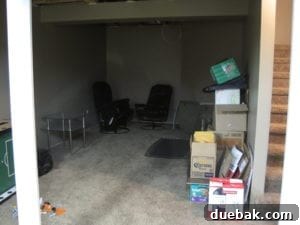
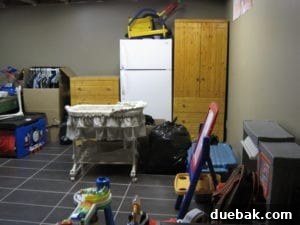
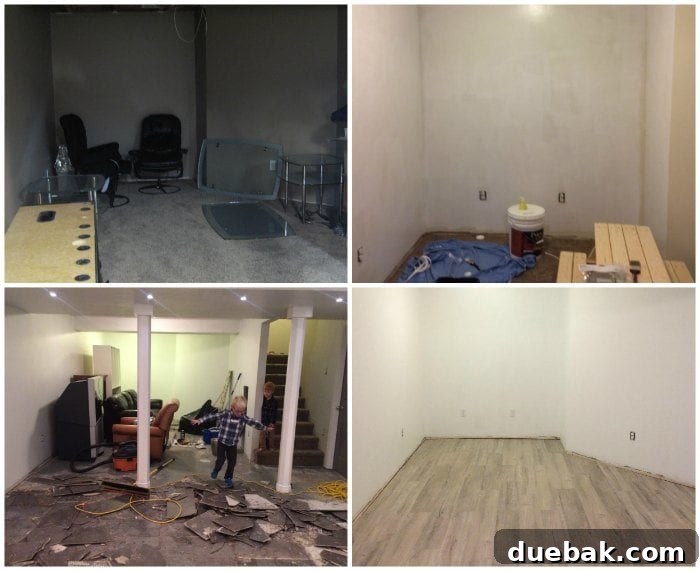
When we first walked through this house, the basement presented a classic dilemma. From the bottom of the stairs, looking right, there was a dark, somewhat mysterious area with outdated carpet and plain walls – an undeniable “cave-like” atmosphere. To the left, an equally perplexing sight: mismatched floor tiles alongside what appeared to be remnants of a previous, oddly placed kitchen setup. It was clear this space needed a complete overhaul to fulfill its potential as a true extension of our family home. The vision was to create a bright, inviting, and highly functional area that could withstand the rigors of family life.
Navigating Basement Flooring Choices: Finding the Perfect Fit for Your Home
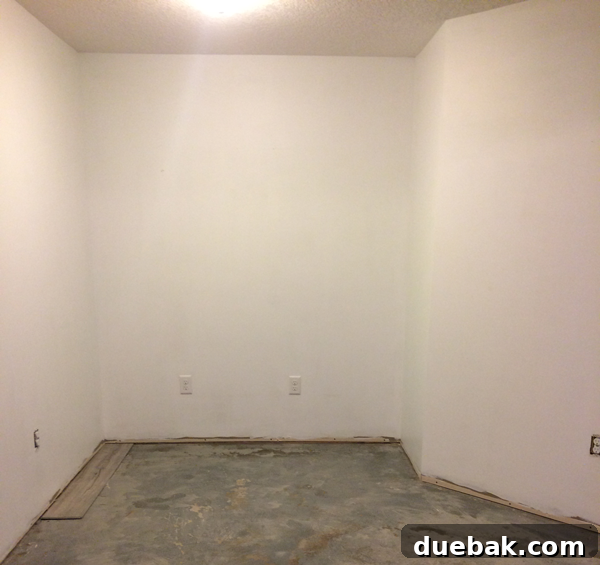
With the basement stripped down to its bare bones, the exciting (and slightly overwhelming) task of choosing the right flooring began. My primary goal was consistency: one cohesive flooring type across the entire expansive basement floor. This meant all existing, disparate coverings had to go, as detailed in my previous “basement saga” post. But what material would best suit a high-traffic, potentially damp, and often cold basement environment, especially with four energetic boys? The answer wasn’t immediately obvious, requiring careful consideration of various popular options.
Initially, wall-to-wall carpeting seemed like the most budget-friendly choice. Its perceived warmth and softness held an appeal. However, the practical realities of a busy family quickly set in. This basement was destined to become the main family hangout zone, encompassing both a cozy TV room and a lively playroom. The thought of constantly battling spills, stains, and general grime from active children and pets on carpet was enough to quickly dismiss this option. My precious time with my kids needed to be spent making memories, not constantly scrubbing carpets.
Traditional ceramic or porcelain tile, while durable and water-resistant, presented another significant drawback for a basement: it’s notoriously cold underfoot. While in-floor heating is an excellent solution to combat this, especially for smaller areas like a bathroom, implementing it across an entire basement would be a substantial and costly undertaking. The sheer volume of grout lines also meant a future of tedious cleaning, another deterrent for a low-maintenance household.
During a trip to Home Depot, I noticed several clearance laminate flooring options. Laminate can be attractive and affordable, but it comes with a critical caveat for basement installations: moisture sensitivity. A knowledgeable employee in the flooring section echoed my concerns, strongly advising against laminate for basement spaces due to its susceptibility to warping and swelling from humidity and potential water exposure. Instead, he highly recommended luxury vinyl plank (LVP) flooring. While the initial product cost of LVP might be slightly higher than some laminates, its inherent benefits for a basement environment, coupled with its straightforward DIY installation, offered compelling long-term value. The ability to save significantly on professional installation costs allowed us to invest in a superior, more suitable product.
The Superior Choice: Why Luxury Vinyl Plank is Ideal for Basements
After thorough research and considering the expert advice, the decision became clear: Luxury Vinyl Plank (LVP) was the ideal solution for our basement flooring. Our final selection was the Allure Isocore vinyl planks, exclusively available at Home Depot in Canada. This product truly checked all the boxes for our specific needs, offering a blend of durability, performance, and aesthetic appeal that few other flooring types could match for a basement application.
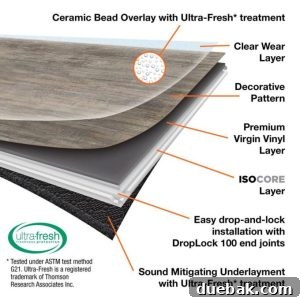
Several key features of the Allure Isocore planks sealed the deal for me. Foremost among them is its 100% waterproof nature. This is non-negotiable for any basement flooring, providing crucial peace of mind against potential leaks, spills, or humidity issues common in subterranean spaces. Beyond its waterproof core, these planks boast a built-in underlayment, which simplifies installation by eliminating the need for a separate underlay. This integrated underlay also features an Ultra-Fresh treatment, providing anti-microbial properties—a huge bonus for a family space prone to spills and looking to maintain a healthy environment. The promise of an easy DIY installation was also a major selling point. After watching informative videos and reading detailed instructions on blogs like DIY Genius, I felt confident tackling this project myself.
The aesthetic choice was equally important. While I couldn’t view the exact color in person before ordering, the online swatches and descriptions were incredibly helpful. All the available colors were appealing, but I quickly narrowed my selection down to two strong contenders. Ultimately, I opted for the lightest option: Grey Sawn Oak. This choice aimed to maximize natural light reflection in a typically dimmer basement environment, creating an open and airy feel that would perfectly complement the modern farmhouse aesthetic we were aiming for.
DIY Luxury Vinyl Plank Installation: A Step-by-Step Guide
Installing Luxury Vinyl Plank (LVP) flooring might seem daunting, but it’s a surprisingly straightforward DIY project that can significantly add value to your home. With the right tools, preparation, and a methodical approach, you can achieve professional-looking results. Here’s a detailed breakdown of what you’ll need and how to tackle the installation of your new vinyl plank floors.
Essential Materials Needed:
- Broom and Vacuum: For thorough subfloor cleaning.
- Laser Level or Chalk Line: To establish your starting line and ensure straight rows.
- Safety Glasses: Always protect your eyes, especially when cutting.
- 1/4″ Spacers: Crucial for maintaining the necessary expansion gap around the perimeter of the room. We repurposed a 2×4 by cutting it into shims, which works perfectly.
- Square: For making precise, straight cuts and ensuring planks are laid squarely.
- Utility Knife: Essential for scoring and snapping planks, especially for intricate cuts. Keep extra sharp blades on hand.
Recommended Tools for a Smooth Installation:
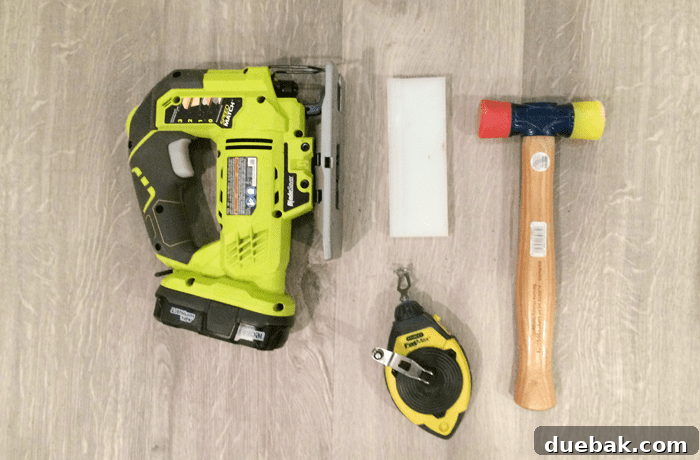
- Jigsaw: Indispensable for cutting around irregular shapes, door jambs, and pipes. My Ryobi jigsaw, which shares a battery with my drill, proved to be an excellent and versatile tool for this task.
- Miter Saw (optional but highly recommended): While not strictly essential if you master the utility knife method, a miter saw offers significantly faster and more precise straight cuts, making the job much quicker and yielding cleaner edges.
- Razor Blade and Straight Edge: For scoring and snapping planks with accuracy.
- Tapping Block: Used to gently tap planks into place, ensuring a tight seam without damaging the edges.
- Rubber Mallet: For tapping the tapping block and locking plank ends together securely.
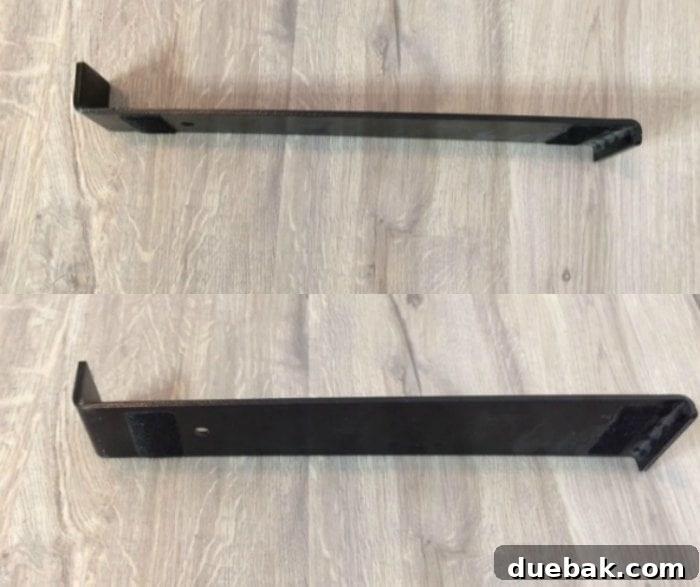
- Pro Pull Bar: A game-changer for the final rows and in tight spaces, allowing you to pull planks together where a tapping block or mallet can’t reach.
How To Install Your Vinyl Plank Floor In A Basement: Step-by-Step
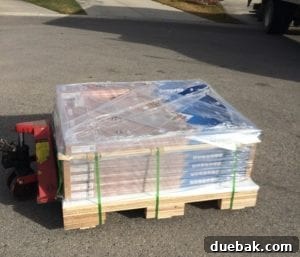
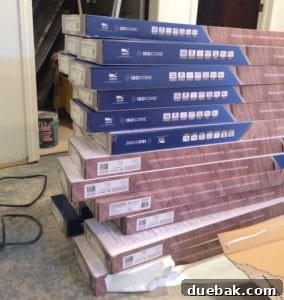
 Gather Materials and Acclimate Planks: Before you even think about laying a single plank, ensure you have all your tools and materials ready. Crucially, allow your vinyl planks to acclimate to the basement’s ambient temperature and humidity for at least 48 hours prior to installation. This helps prevent expansion or contraction issues after installation.
- Prep the Floor Thoroughly: This step cannot be overstated. Remove all existing flooring, sweep meticulously, and vacuum every speck of debris. The cleaner the subfloor, the better your LVP will lay. For basement installations, it’s also highly recommended to perform a moisture test on your concrete slab. While LVP is waterproof, excessive moisture from below can still lead to issues over time.
- Fix Any Large Uneven Spots: Vinyl plank flooring requires a relatively flat subfloor. Minor imperfections are often accommodated by the planks’ flexibility or integrated underlay, but any significant dips or humps (typically more than 1/8 inch over 10 feet) must be leveled using a self-leveling compound or ground down, respectively.
- Determine Laying Direction: The general rule of thumb is to install planks parallel to the longest wall in the room, or in the direction of the main light source (like a window). This creates a visually expansive effect. Starting in a left-hand corner and working to the right is a common and efficient method.
- Establish Your Starting Line and First Row: Begin by placing 1/4 inch spacers against the wall to create the necessary expansion gap. This gap allows the floor to expand and contract with temperature changes without buckling. Start with the tongue side of the planks facing the wall. Lay out your first few planks *without* clicking them together to check your layout. Avoid ending up with a tiny piece (less than 8 inches) against the opposite wall. Adjust your first plank’s length if necessary to ensure that any cut pieces at the end of the row are at least 8 inches long, which provides better stability and aesthetics.
- Cutting Planks with Precision: For straight cuts, you have two primary options. You can use a utility knife and a straight edge: score firmly on the top surface, then bend and snap the plank. Repeat scoring on the underside padding if necessary for a clean break. Ensure your utility blade is sharp; dull blades make for messy cuts. Alternatively, if you’re comfortable with power tools, a miter saw offers unparalleled speed and consistently straight, clean edges, which I personally found to be a far more efficient method.
- Joining Planks: Once cut, join two planks together by clicking their short ends (small sides) into place. Use your rubber mallet to gently tap along the seam until the planks are securely interlocked. This ‘click-lock’ system is what makes LVP so DIY-friendly.
- Staggering the Second Row for Strength and Aesthetics: Begin your second row with a plank that is a different length from the plank directly above it in the previous row. This staggering distributes stress points and prevents a visually unappealing ‘stair-step’ pattern. After completing our room, we realized we preferred a more random, natural look for the plank lengths rather than strictly cutting boards into perfect thirds or quarters. This random pattern helps to hide seams more effectively and mimics the organic appearance of real hardwood.
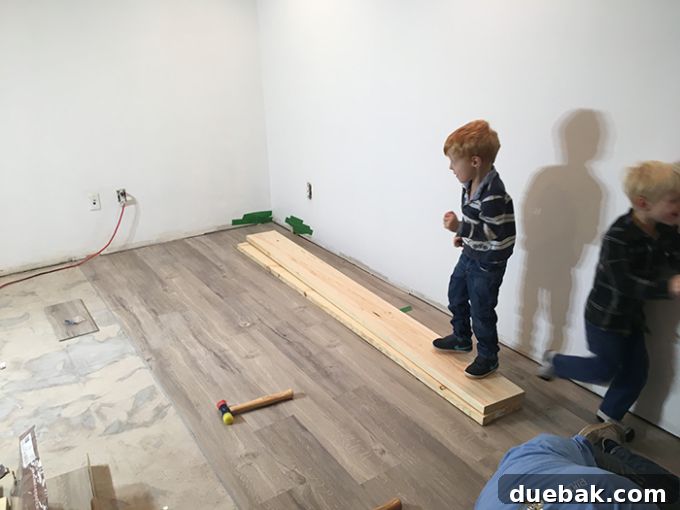
- Attaching to the Previous Row and Ensuring Tight Seams: To connect a new plank to the preceding row, angle it slightly and push it down, clicking the long edge into place. Then, use a tapping block along the edge of the plank and a rubber mallet to gently tap the seam, ensuring a tight, gap-free connection. A pro tip we discovered for the easiest and quickest gap removal was to kneel on the plank you just connected. Applying your body weight helps to prevent the other rows from shifting, ensuring the Allure Isocore planks (which are designed as a floating floor, not attached to the concrete) remain perfectly aligned and securely locked.
- Handling Irregular Shapes and Obstacles: When encountering odd-shaped walls, door jambs, or support posts, precision is key. Use a pencil and painter’s tape to create a template around the obstacle. Carefully transfer this template to your vinyl plank, then use a jigsaw to make the necessary intricate cuts. Take your time here for a clean, professional finish.
- The Final Row: As you approach the final row, there typically isn’t enough space to use a mallet and tapping block effectively. This is where the pull bar becomes indispensable. Hook the pull bar over the edge of the last plank, and gently tap it with your mallet to pull the plank into tight engagement with the previous row, ensuring a seamless finish.
 Gather Materials and Acclimate Planks: Before you even think about laying a single plank, ensure you have all your tools and materials ready. Crucially, allow your vinyl planks to acclimate to the basement’s ambient temperature and humidity for at least 48 hours prior to installation. This helps prevent expansion or contraction issues after installation.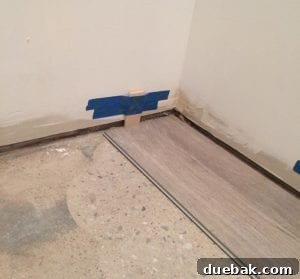
 Joining Planks: Once cut, join two planks together by clicking their short ends (small sides) into place. Use your rubber mallet to gently tap along the seam until the planks are securely interlocked. This ‘click-lock’ system is what makes LVP so DIY-friendly.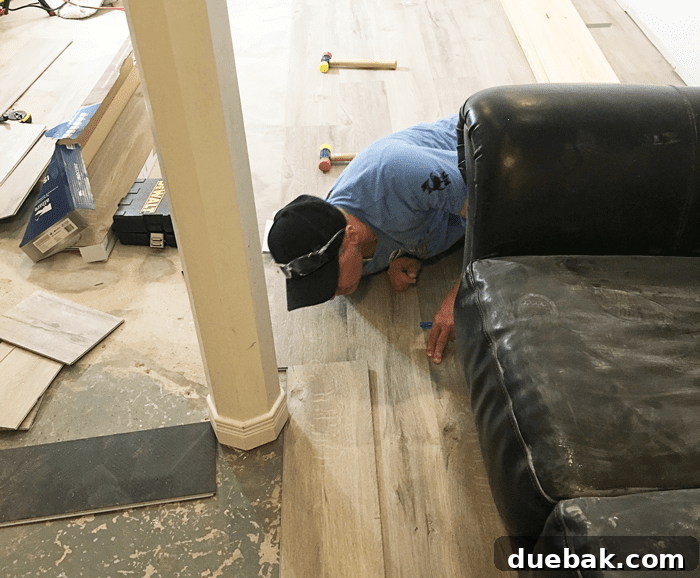
The Stunning Transformation: Our Basement Flooring After
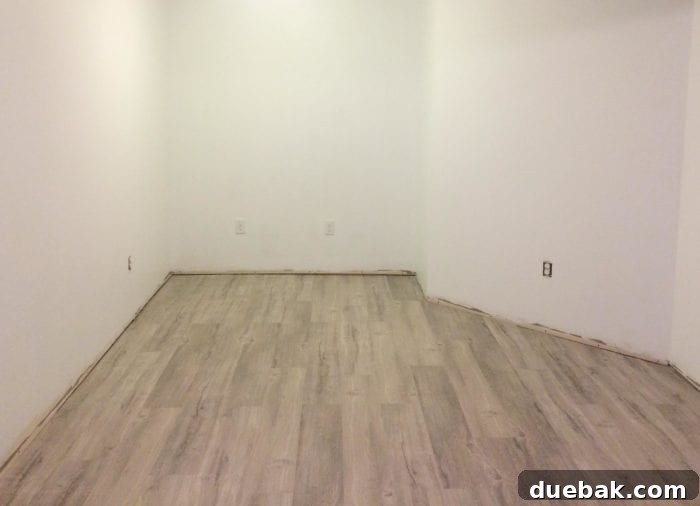
The transformation is truly remarkable! With the Allure Isocore vinyl plank flooring expertly installed, our basement is almost complete. All that remains is the installation of baseboards, and then we can fully enjoy our beautifully renovated space. The Grey Sawn Oak planks have brightened the room considerably, providing a clean, contemporary foundation that feels both inviting and incredibly durable.
Watch the Time-Lapse of Our Flooring Installation:
If you’re contemplating flooring options for a basement and desire a solution that combines exceptional beauty with unmatched durability and waterproof performance, I wholeheartedly recommend exploring Allure Isocore at Home Depot. Luxury vinyl plank floors are surprisingly easy for homeowners to install themselves, making it an incredibly rewarding DIY project that adds significant value to your home and can often be completed in a single weekend. Even with four enthusiastic kids “helping” throughout the process, the installation was genuinely manageable and stress-free. The robust click-lock system and built-in underlayment greatly simplified the entire undertaking.
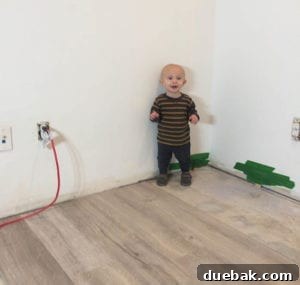
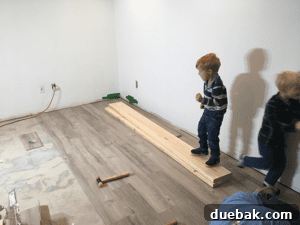
The pride our boys took in “building” the floors alongside us was immeasurable. They excitedly shared stories with their teachers at school about how Mom had single-handedly “built the floors herself.” This project was not just about upgrading our home; it was about creating lasting memories and teaching our children about the satisfaction of hard work and DIY accomplishment.
We’ve certainly come a long way since those initial dark and uninviting basement days! A huge thank you goes out to Home Depot Canada and Halstead International for their invaluable support with the Allure Isocore vinyl plank flooring. This partnership made our dream basement a reality.
Curious to see more of our home renovation adventures? You absolutely need to check out all the exciting projects in our house right here!