

Updated 2018 (Content has been revised and expanded for clarity and SEO)
The world of DIY projects and home improvement often conjures images of powerful pickup trucks, ready to haul lumber, drywall, or that perfect vintage find. Yet, for many of us, embracing a single-car household is a conscious choice, offering economic and environmental benefits. We know the feeling all too well – that excited moment when you discover the ideal piece of furniture or the perfect materials for your next renovation, only to be hit by the sudden realization: “How on earth am I going to get this home?” If you’ve ever found yourself in this predicament, driving a modest sedan or even a compact SUV, you’re not alone. Our journey as dedicated DIYers, initially with a Nissan Altima and now with a Toyota Highlander, has taught us invaluable lessons in resourceful transportation. We’ve mastered the art of creative hauling, proving that you don’t need a heavy-duty truck to tackle big projects. Below, we’ve compiled our top strategies for transporting large items, ensuring your next DIY endeavor or home update is never hindered by vehicle limitations.
Hauling Tip #1: Leverage Store Rental Services for DIY Projects
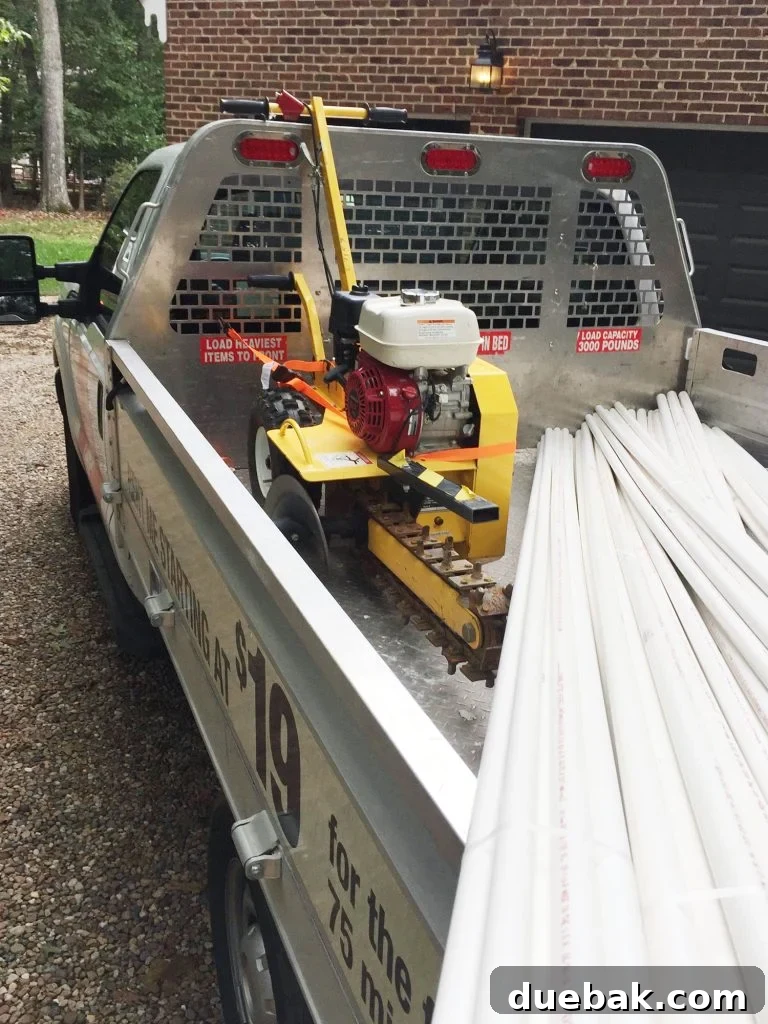
One of the most overlooked and incredibly convenient solutions for transporting bulky items is right at your fingertips: the rental services offered by major home improvement stores. Did you know that giants like Home Depot and Lowe’s offer pickup truck and cargo van rentals, often at surprisingly affordable hourly rates? Typically starting around $19 for the first 75 minutes, this option provides an immediate, low-stress, and budget-friendly way to get your purchases home. We’ve utilized these services countless times, transforming what could be a logistical nightmare into a simple errand. From hauling lengthy PVC piping and unwieldy sheets of drywall to robust hardwood flooring planks and oversized bathroom renovation materials, these rentals have been absolute lifesavers. They’re also perfect for larger rented tools that won’t fit in your everyday car, or even for a quick trip to grab a box of breakfast bagels to fuel your project team!
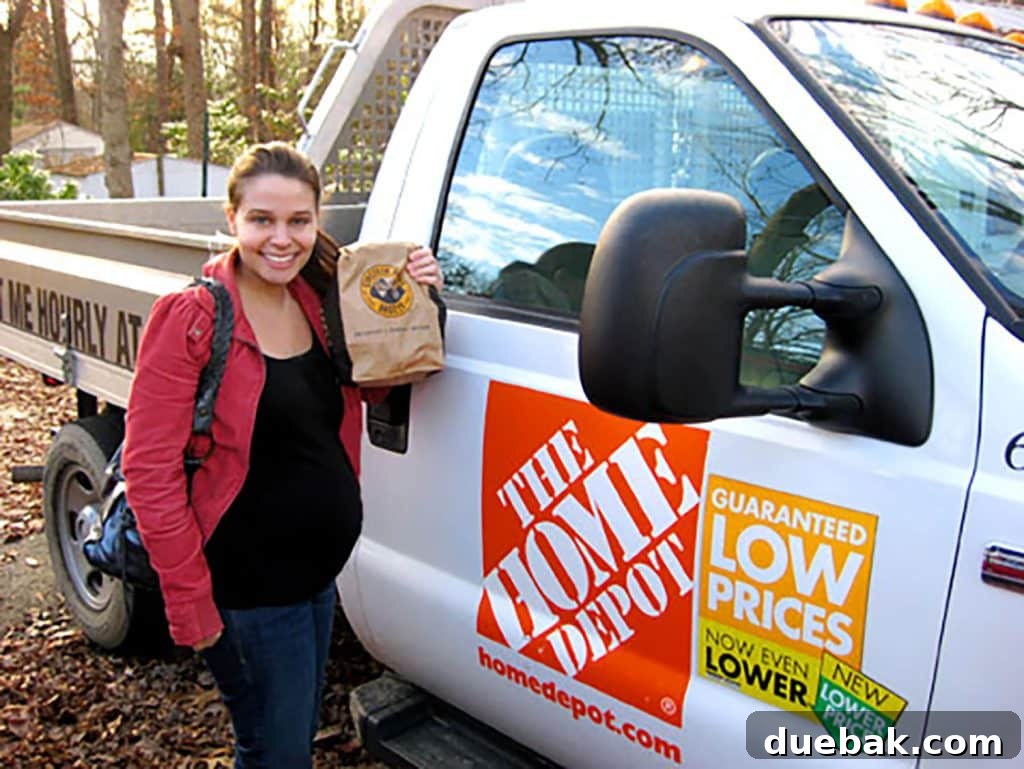
While these rentals are primarily designed for transporting items purchased directly from the store, their flexibility can extend to other hauling needs. We’ve seen instances where individuals rent these trucks for unrelated tasks, such as picking up large furniture pieces bought on local marketplaces like Craigslist or Facebook Marketplace. A neighbor once rented a Home Depot truck to pick up a mattress from our house, demonstrating how quickly and efficiently you can swing by, load up, and return the vehicle with plenty of time to spare. Before renting, it’s always wise to confirm the specific terms and conditions, including mileage limits and duration options, to ensure it aligns perfectly with your hauling requirements. This strategy is perfect for those spontaneous purchases or last-minute project supply runs where a full-size truck isn’t needed long-term, but absolutely essential for a few hours.
Hauling Tip #2: Connect with Local Helpers and “Man with a Van” Services
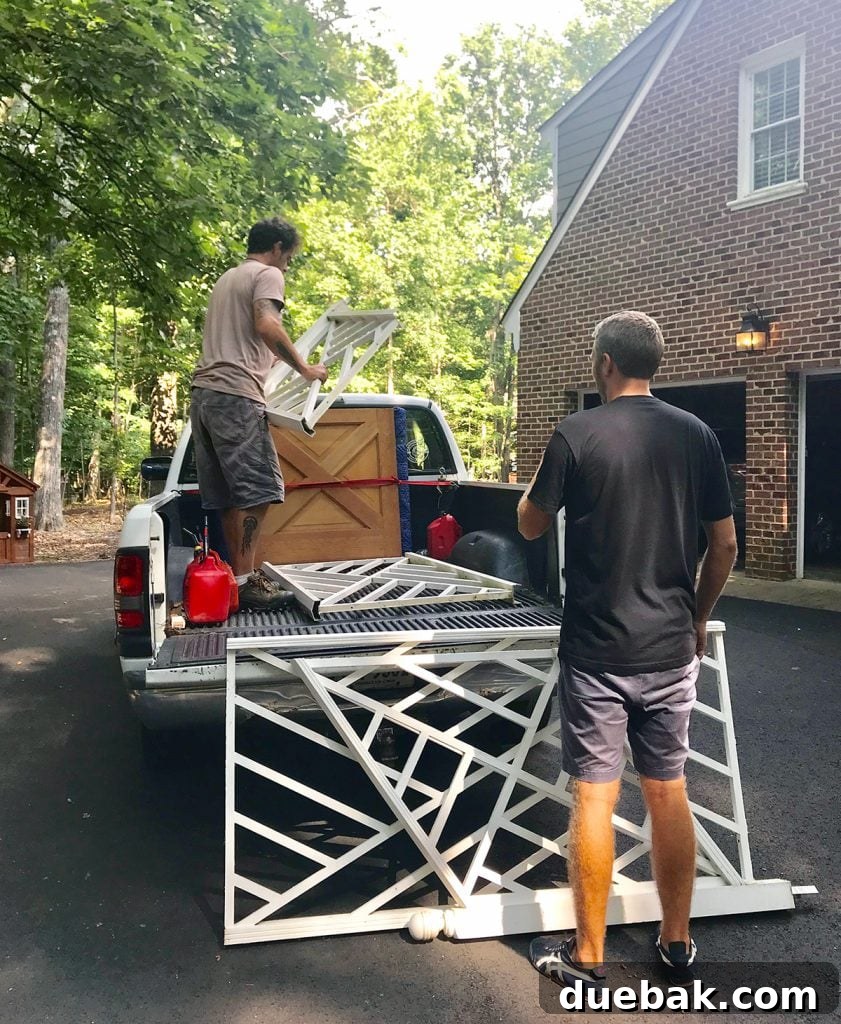
When store rentals aren’t quite the right fit, or if you need an extra set of hands, tapping into your local community can reveal a wealth of resources. Neighborhood message boards, such as Facebook groups, Nextdoor, or Craigslist, are excellent places to find local “helpers for hire” or individuals offering “man with a van” services. These are often independent contractors or neighbors with larger vehicles (trucks, vans, or even trailers) who are willing to assist with transportation for a modest fee. Platforms like TaskRabbit specialize in connecting you with vetted individuals who can assist with furniture pick-up, delivery, and even light moving tasks. The significant advantage here is not just the transportation, but often the added bonus of labor – they can help with the heavy lifting and maneuvering of large or awkward objects, saving your back and sanity.
When utilizing these services, exercising good judgment and clear communication is paramount. Always agree on a fee upfront, provide detailed descriptions of the items to be moved and the pick-up/drop-off locations, and be flexible with their availability. For peace of mind, especially with larger or more valuable items, consider using platforms that offer some level of insurance or background checks. Beyond furniture, these local helpers can be incredibly versatile. Someone with a trailer, for instance, can be an ideal solution for hauling away large quantities of junk, renovation debris, or yard waste to the dump, potentially saving you the cost and hassle of renting a full-sized dumpster for smaller projects. This approach not only solves your transportation dilemma but also supports local individuals and fosters community connections, making your DIY process smoother and more collaborative.
Hauling Tip #3: Embrace Sustainable Disposal: Give It Away (with Free Pick-up!)
Sometimes, the challenge isn’t bringing something home, but rather getting rid of a large, unwanted item. Instead of struggling with disposal or paying hefty dump fees, consider giving it away to those who can make use of it. This strategy is a win-win: it’s free for you, environmentally friendly, and often provides a tax write-off. Charitable organizations like the Habitat For Humanity ReStore offer free pick-up services for reusable building materials, appliances, and furniture. They’re an excellent resource for items like old sinks, faucets, doors, windows, and even functional kitchen cabinets that are still in good condition after a renovation. We recently leveraged their service to donate our old sink and faucet following a major bathroom makeover; a simple call arranged a pick-up, and their team arrived precisely on time to collect everything, effortlessly clearing our clutter.
Beyond specialized donation centers, online marketplaces provide a rapid and effective way to rehome large items. Listing something as “free with pick up” on platforms like Facebook Marketplace, Craigslist, or Nextdoor can attract eager recipients almost instantly. This method is particularly efficient for items that might not qualify for charitable donation due but are still perfectly usable, or simply for quick decluttering. The beauty of this approach is that the burden of transportation shifts entirely to the interested party, requiring no driving or hauling on your part. Not only does this save you time, effort, and money, but it also promotes a circular economy, giving your unwanted items a second life and preventing them from ending up in a landfill. It’s a remarkably simple yet powerful solution for managing post-project waste or clearing out old belongings without the need for a large vehicle.
Hauling Tip #4: Phone A Friend (and Offer Fuel or Food!)
Never underestimate the power of your personal network, especially when you need to transport a sizable item. Friends, family, or even generous neighbors who own a larger vehicle – be it an SUV, a minivan, or a pickup truck – can be invaluable allies. A polite request, coupled with an offer of appreciation, can often secure you the temporary use of a vehicle that perfectly fits your needs. For instance, John’s sister, Emily, with her spacious Ford Explorer, has been our go-to for many a large item transport. We make sure to “bribe” her appropriately with gas money, a delicious meal, or by offering to help her with her own projects in return for borrowing her car for a few hours, or even a full day. This reciprocal generosity strengthens bonds while solving immediate logistical challenges.
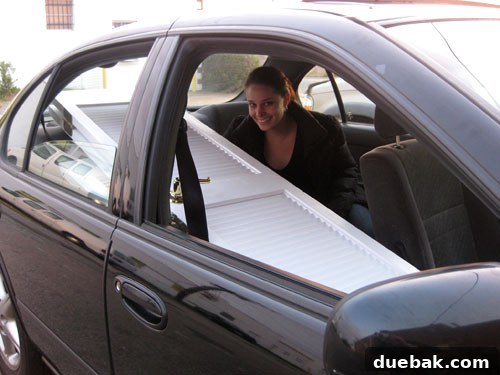
Borrowing a friend’s vehicle is ideal for diverse tasks such as making a major IKEA run, transporting bulk purchases from a warehouse store, or taking multiple items to a local recycling center during garage clean-out season. It offers the flexibility of a larger vehicle without the rental fees, providing a comfortable and familiar driving experience. Of course, respect and responsibility are key: always treat their vehicle with the utmost care, ensure items are securely loaded to prevent damage, and return it as clean as (or cleaner than) you received it. There are also those times when you simply have to embrace the challenge and get creative with your own smaller vehicle. We’ve had our share of triumphs, like ingeniously fitting two bifold doors into our tiny ten-year-old Maxima last year – mission accomplished! With a little planning, proper strapping, and sometimes removing seats, you might be surprised what your everyday car can handle for short distances, but for maximum peace of mind, a friend’s bigger ride is often the superior option.
Hauling Tip #5: Rent a Moving Truck for Specialized or Larger Hauls
While home improvement store rentals are fantastic for quick trips and specific purchases, sometimes you need something more substantial, more specialized, or simply more flexible. This is where traditional moving truck rental companies like U-Haul, Budget, or Penske come into play. These services aren’t exclusively for relocating an entire household; they offer a wide array of vehicles and equipment perfect for larger DIY projects, significant hauls, or items requiring specific handling. Unlike the limited options at hardware stores, a dedicated moving company provides everything from compact cargo vans and small box trucks to large trucks with built-in loading ramps, and even various sizes of trailers. This expanded selection means you can precisely match the vehicle to your specific hauling needs.
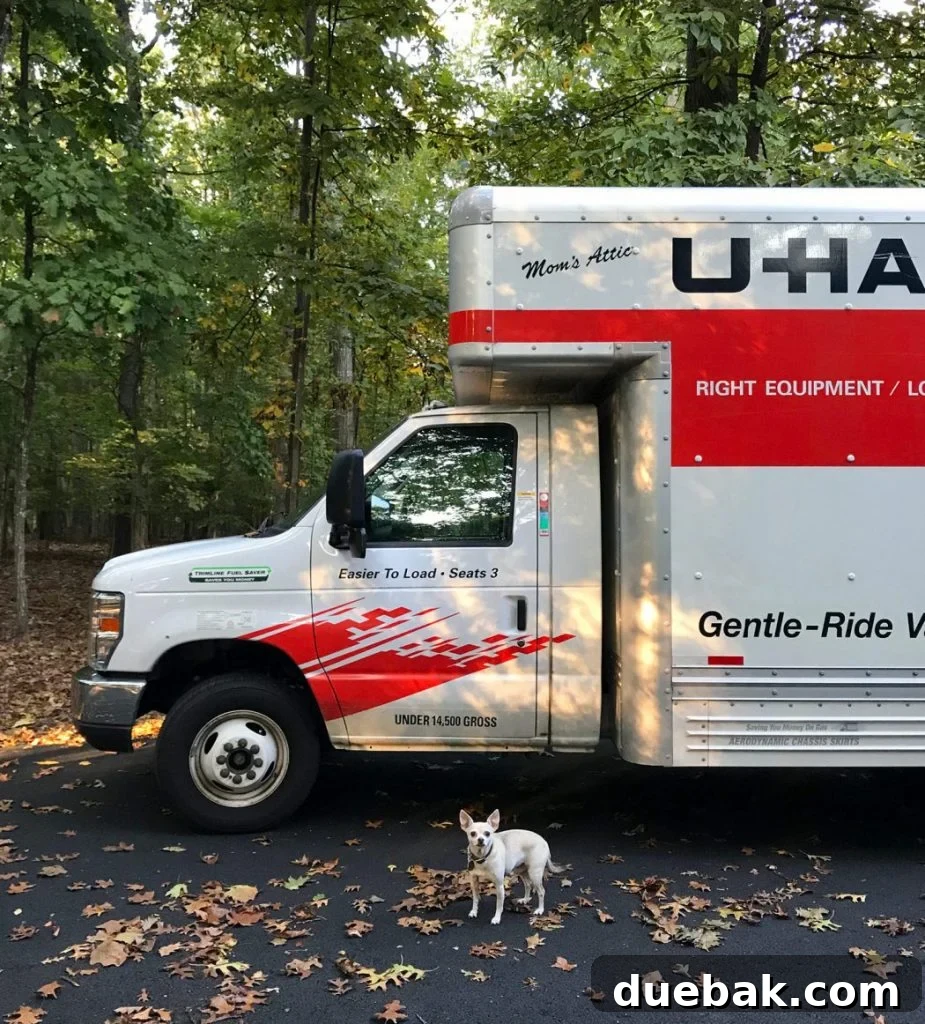
We once rented a U-Haul specifically to move a single, vintage stove. The reason? We absolutely needed the integrated loading ramp to safely and easily maneuver the heavy appliance. While renting from a traditional moving company can sometimes be a bit pricier and involve a slightly more involved rental process (considering daily rates, mileage fees, and various insurance options), the peace of mind and the exact fit for the task at hand are often well worth it. These rentals are ideal for transporting large appliances, delicate furniture that requires enclosed protection, a significant amount of demolition debris, or when you need specialized equipment like appliance dollies or furniture pads. It never hurts to explore this option, compare quotes, and understand their offerings; the right moving truck or trailer can turn an impossible-seeming transport challenge into a straightforward task, ensuring your ambitious DIY dreams become a reality without breaking your back or your budget.
Embracing a single-car lifestyle doesn’t mean sacrificing your passion for DIY, home improvement, or the thrill of finding that perfect large item. As we’ve discovered through years of creative hauling, resourcefulness and a little planning can easily overcome the perceived limitations of not owning a full-sized truck. From leveraging affordable store rentals and connecting with local community helpers to embracing sustainable donation practices, borrowing from friends, or opting for specialized moving trucks, there’s always a smart solution to transport even the most supersized items. These strategies not only prove cost-effective and convenient but also encourage a more mindful approach to consumption and waste. So, whether you’re bringing home a new treasure, clearing out renovation debris, or simply decluttering, remember that a big vehicle isn’t a prerequisite for big projects. We’d love to hear your own ingenious solutions! Do you have other unique or especially creative tips for hauling large items without a truck or SUV? Share your triumphs and tricks with us – your insights could inspire fellow DIY enthusiasts!