Updated February 2022.
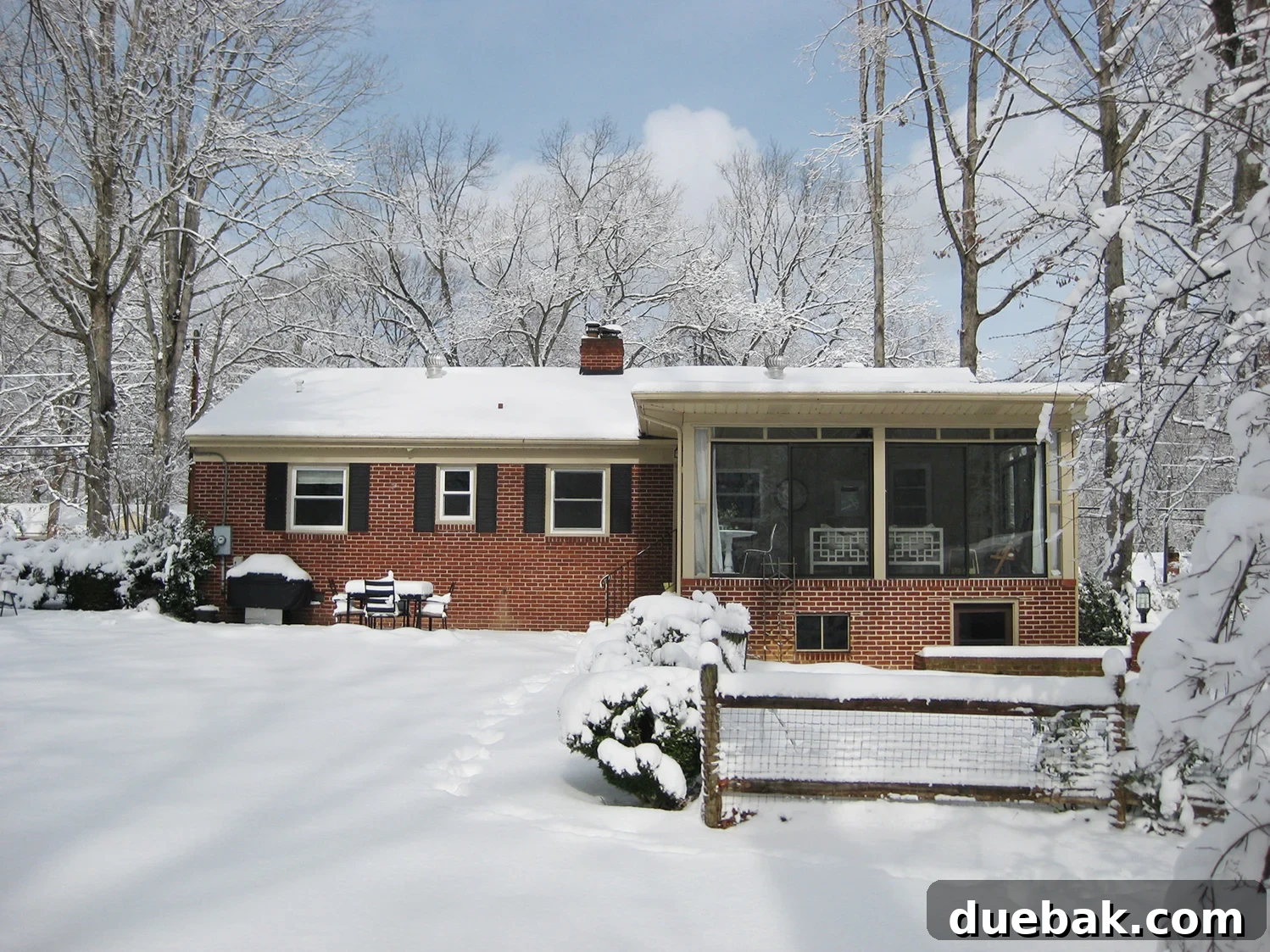
There’s nothing quite as chilling as waking up to a frigid house, only to discover your heating system has failed. This exact scenario unfolded during a harsh winter snowstorm for us, leaving our home at a frosty 58 degrees. The culprit? An empty oil tank, which meant no heat. With snowdrifts blocking deliveries for at least 48 hours, our immediate concern shifted from personal warmth to protecting our home’s vital plumbing. The threat of frozen and burst pipes loomed large, a potential disaster far more costly and disruptive than a temporary lack of heat.
That experience was a stark wake-up call, transforming us into reluctant experts on the perils of winter plumbing. Since then, we’ve gathered crucial insights into managing and preventing frozen pipes. This comprehensive guide is designed to share those lessons, offering practical strategies to safeguard your home’s plumbing infrastructure against the harshest winter conditions. In this post, we will cover:
- Immediate actions to take during a cold weather emergency to prevent your water pipes from freezing.
- Proactive measures you can implement before winter sets in to prevent pipes from freezing altogether.
- Effective steps to take if you discover your pipes have already frozen.
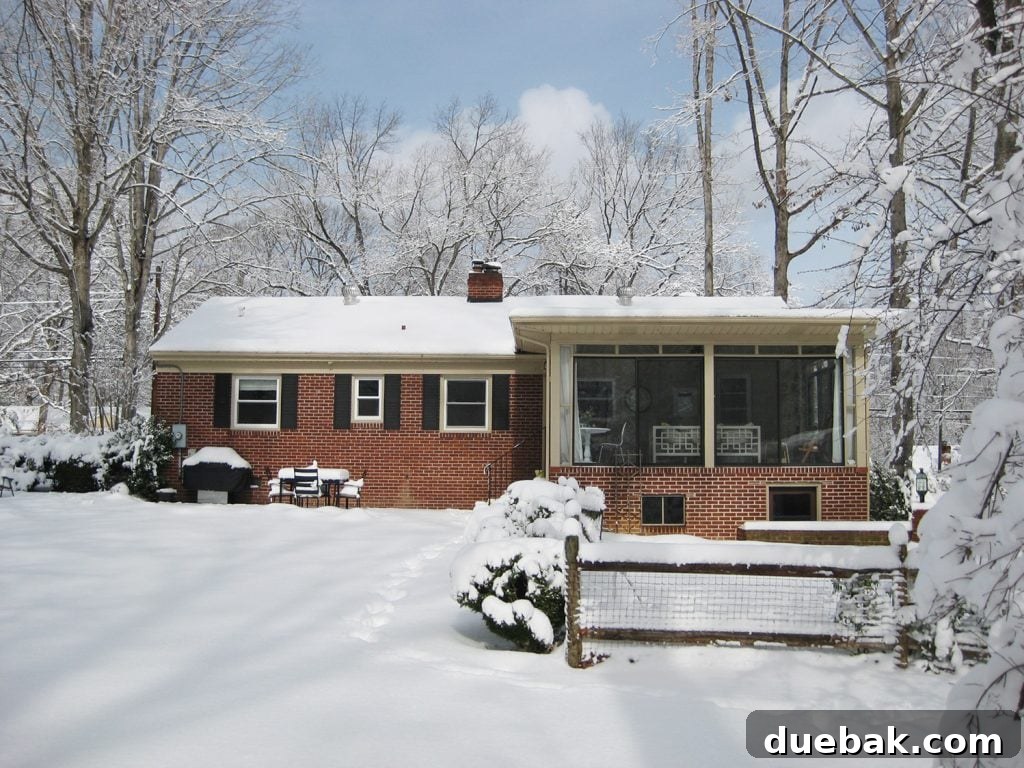
Let’s begin by tackling the urgent situation we faced: what to do when an unexpected cold snap or heating failure puts your pipes at immediate risk.
Emergency Measures: How To Help Stop Your Pipes From Freezing During A Cold Snap
When temperatures plummet unexpectedly, or your heating system falters, time is of the essence. Frozen pipes can quickly escalate from a minor inconvenience to a major disaster, leading to costly water damage and extensive repairs if they burst. These emergency tips are designed to mitigate the risk and protect your plumbing when you’re caught off guard.
Emergency Tip #1: Prioritize Heating Your Home As Much As Possible
Your first line of defense against freezing pipes is to maintain ambient warmth inside your home. Even if your primary heating system is down, explore all available alternative heat sources. For us, a gas fireplace fueled by a separate propane tank became our savior. We cranked it up, focusing its warmth not only on ourselves but also on the central living areas of our home. If you have portable space heaters, deploy them strategically, especially in rooms with exposed plumbing. Always ensure proper ventilation and follow safety guidelines when using alternative heating methods to prevent fire hazards. The goal is to raise the indoor temperature above the critical freezing point, ideally keeping it above 55 degrees Fahrenheit, even if that means concentrating heat in specific zones.

Emergency Tip #2: Optimize Heat Distribution: Close Unused Rooms, Open Plumbing Access
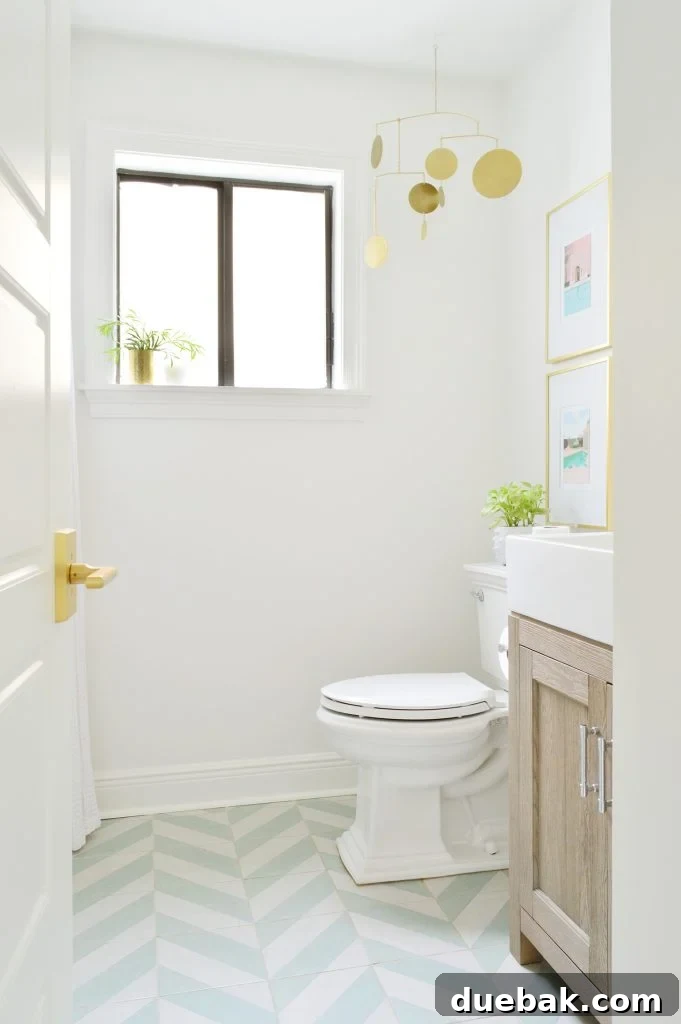
To maximize the effectiveness of your limited heat sources, strategically manage the flow of warm air within your home. Close doors to non-essential rooms that do not contain plumbing, such as spare bedrooms, home offices without water lines, and closets. This conserves heat and directs it towards the areas that need it most. Conversely, it is absolutely critical to **leave doors open to rooms that contain plumbing**. This includes bathrooms, kitchens (especially under sinks), and utility rooms. By allowing warm air to circulate freely into these spaces, you increase the likelihood that the pipes within walls and cabinets will receive enough warmth to prevent freezing. Remember, any plumbing in an attached garage should also be protected by keeping garage doors closed to maintain a higher temperature in that space.
Emergency Tip #3: Open Cabinet Doors to Expose Pipes to Warmth
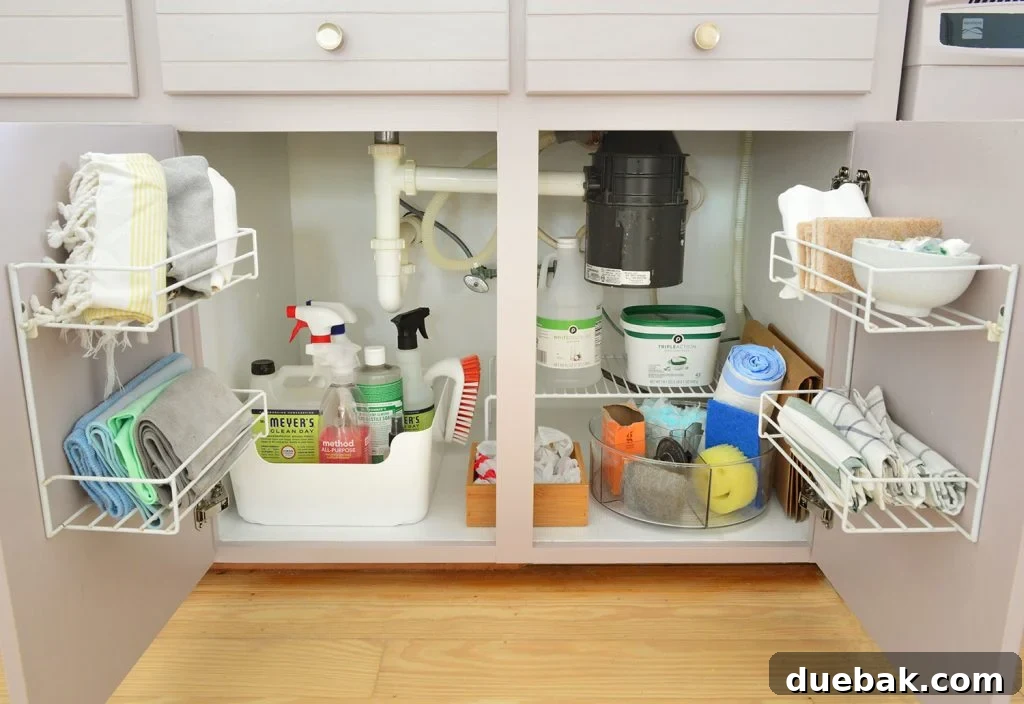
Even with ambient room heat, pipes located inside closed cabinets, particularly under kitchen and bathroom sinks, can be vulnerable to colder air pockets. These enclosed spaces can trap colder air, creating microclimates where pipes are more susceptible to freezing. To counteract this, simply open all cabinet and vanity doors that conceal plumbing. This allows the warmer air from the room to directly reach the pipes, providing them with crucial insulation against the cold. While it might look a bit unconventional to have your cabinet doors wide open for a few hours or days, this simple action can make a significant difference in preventing a burst pipe.
Emergency Tip #4: Maintain a Steady Trickle of Running Water
If your indoor temperature dips significantly, perhaps below 50 degrees Fahrenheit, allowing a small trickle of water to run from your faucets can be a highly effective emergency measure. The principle is simple: moving water is far less likely to freeze than stagnant water. A continuous flow prevents water from remaining still long enough to form ice crystals. You don’t need to waste a lot of water; just open your cold water faucets (and potentially hot water faucets if both lines are at risk, usually in an exterior wall) slightly, aiming for a steady drip or very thin stream. Do this for faucets throughout your home, especially those on exterior walls or in colder parts of the house, including bathtubs and showers. This constant motion helps maintain pressure and flow, buying you valuable time until warmer conditions return or your heating system is restored.
Emergency Tip #5: Apply Makeshift Insulation to Vulnerable Pipes
For particularly exposed or vulnerable sections of pipe, such as those in basements, crawl spaces, garages, or under sinks, temporary insulation can offer an extra layer of protection. While not a permanent solution, wrapping these pipes with towels, old blankets, newspapers, or even duct-taped cardboard can help trap some warmth and shield them from direct cold air. This method is most practical for accessible, localized sections of plumbing rather than entire systems. Focus on pipes running along exterior walls or in unheated areas. Every bit of insulation helps to slow down the rate at which heat escapes from the pipe, reducing the chances of freezing in critical spots.
These five emergency steps are crucial if you find yourself in an unexpected cold-weather predicament. However, true peace of mind comes from proactive preparation. Our experience taught us that while these immediate actions are vital, implementing preventative measures before winter arrives is the most effective way to avoid last-minute panic and protect all parts of your home’s plumbing, including those outside your heated living spaces.
Proactive Prevention: How To Prepare For & Prevent Frozen Pipe Emergencies
Living in regions prone to freezing temperatures, or even just anticipating a severe winter storm, demands a proactive approach to plumbing protection. Our own beach house, located a two-hour drive away, provided a tough lesson in preparedness. Being unable to quickly respond to emergencies like opening faucets or turning up the heat meant we had to adopt robust preventative measures. These strategies are not just for vacation homes; they are essential for any homeowner looking to avoid the significant damage and expense associated with burst pipes.
Here are several crucial steps we implemented and highly recommend for preventing frozen pipes:
Prevention Tip #1: Properly Insulate All Exposed Pipes
One of the most effective long-term strategies is to ensure all your water supply lines are adequately insulated. We learned the hard way that our crawl space plumbing lacked proper protection. Whether you hire a professional contractor or tackle it as a DIY project, identifying and insulating vulnerable pipes is paramount. Common locations for exposed pipes include basements, crawl spaces, attics, utility rooms, and exterior walls. Look for foam pipe insulation sleeves (like self-sealing foam tubes) or foil-backed pipe wrap insulation (foil-backed pipe wrap insulation), both readily available at hardware stores. These materials create a thermal barrier, slowing down heat loss from the water inside the pipes. Resources like Home Depot’s guide and The Spruce’s advice offer excellent step-by-step instructions for DIY pipe insulation. Beyond preventing freezing, insulated pipes also contribute to energy efficiency by reducing heat loss from hot water lines year-round, meaning less energy is required to maintain your water temperature.
Prevention Tip #2: Know How to & When to Turn Off Your Main Water Supply
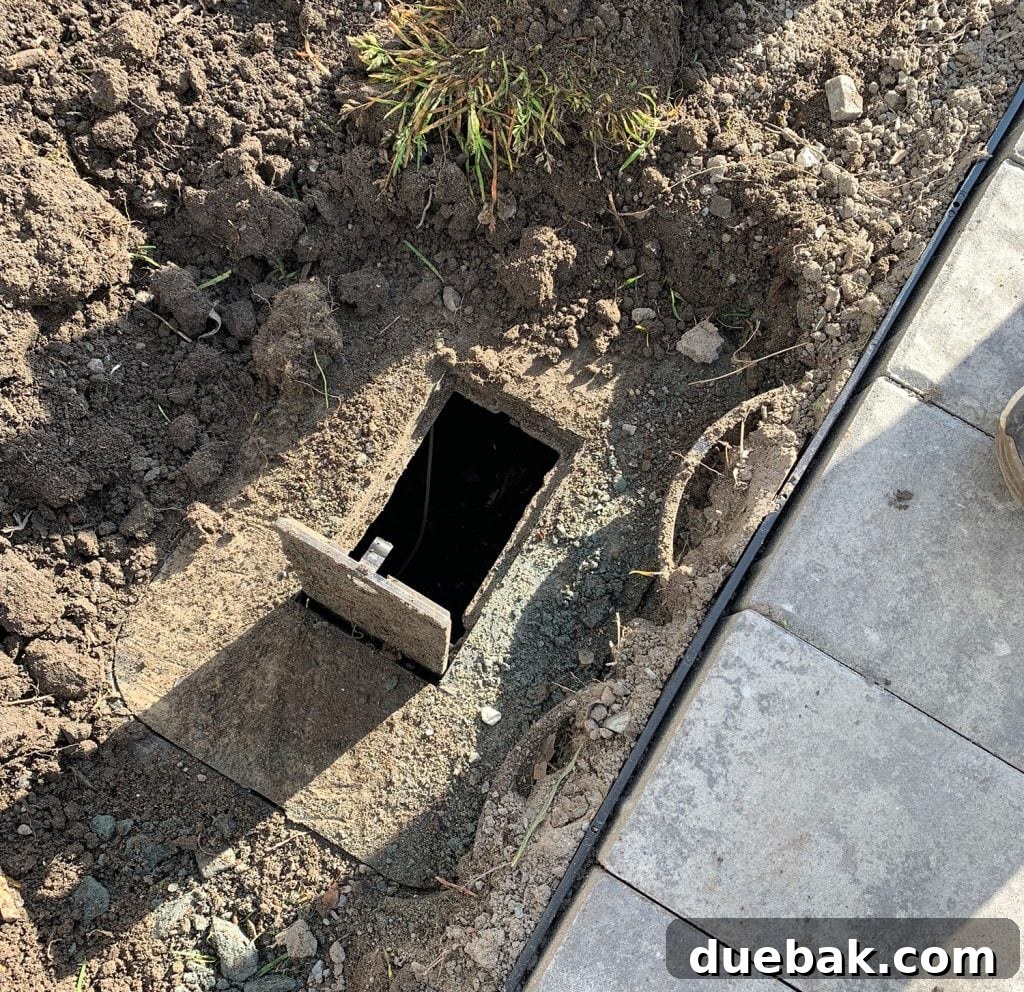
For homes left vacant for extended periods during cold weather, or as a general pre-winter precaution, turning off the main water supply is a critical preventative measure. At our beach house, we “winterized” the property every time we left. Locate your main water shut-off valve—it could be in your basement, garage, utility closet, or an outdoor box near your water meter. Once the main supply is off, the next crucial step, often overlooked, is to **release the water pressure** within your pipes. This means opening the highest and lowest faucets in your home, flushing toilets, and draining outdoor hoses for a few seconds. This action empties standing water from the lines and creates space within the pipes. If any residual water were to freeze, this expansion space prevents pressure buildup, significantly reducing the risk of a burst pipe. This simple habit not only prevents freezing but also offers peace of mind against leaks and ruptures that can occur unexpectedly, even in warmer months, by minimizing potential water damage.
Prevention Tip #3: Install a Smart Water Monitoring Device
In today’s smart home era, technology offers an advanced layer of protection. Installing a smart water monitoring device or a leak detection alarm, such as the popular Flo by Moen system, provides unparalleled peace of mind. We installed the Flo by Moen monitor at our beach house, allowing us to remotely control the main water shut-off from our smartphones. More importantly, these devices continuously monitor your home’s water pressure, flow rates, and even temperature. They can detect unusual water usage patterns—often the first sign of a hidden leak, a running toilet, or even a slow drip. Upon detecting an anomaly, the device immediately sends an alert to your phone. Some advanced systems can even automatically shut off the main water supply, intervening on your behalf to prevent catastrophic water damage before you’re even aware a problem exists. While it won’t stop a pipe from freezing, it can drastically minimize the impact if a burst pipe occurs due to freezing, providing early detection and automatic mitigation.
Prevention Tip #4: Seal Air Leaks and Cracks in Exterior Walls
Cold drafts entering your home can directly chill pipes located near exterior walls, in basements, or crawl spaces. Even well-insulated pipes can struggle against a continuous blast of freezing air. Take the time to inspect your home for any cracks or openings in exterior walls, foundations, and around utility penetrations (such as where cable, phone, or water lines enter the house). Use caulk or expanding foam insulation to seal these gaps. Pay particular attention to the rim joists in your basement or crawl space, as these areas are notorious for air infiltration. By preventing cold air from reaching your plumbing, you add another critical layer of defense against freezing.
Prevention Tip #5: Drain Outdoor Faucets and Disconnect Hoses
Many homeowners overlook outdoor plumbing, which is highly susceptible to freezing. Before the first hard freeze of the season, ensure all garden hoses are disconnected from exterior faucets (spigots). Hoses left connected can trap water in the faucet and supply line, which will freeze and expand, potentially rupturing the faucet and the pipe leading into your home. Once hoses are disconnected, if your outdoor faucets have interior shut-off valves, turn these off and then open the exterior faucet to drain any remaining water from the line. This simple, inexpensive step can prevent significant damage to your exterior plumbing and the interior pipes connected to it.
What To Do If Your Pipes Do Freeze: A Step-by-Step Guide to Thawing
Despite your best efforts, sometimes pipes can still freeze. The good news is that a frozen pipe doesn’t automatically mean a burst pipe. Often, you can successfully thaw it yourself if you act quickly and cautiously. You’ll typically know you have a frozen pipe if water doesn’t flow from a particular faucet, or if it only produces a weak trickle or drip. Here’s what you can do to remedy the situation before calling a plumber or waiting for the weather to warm up.
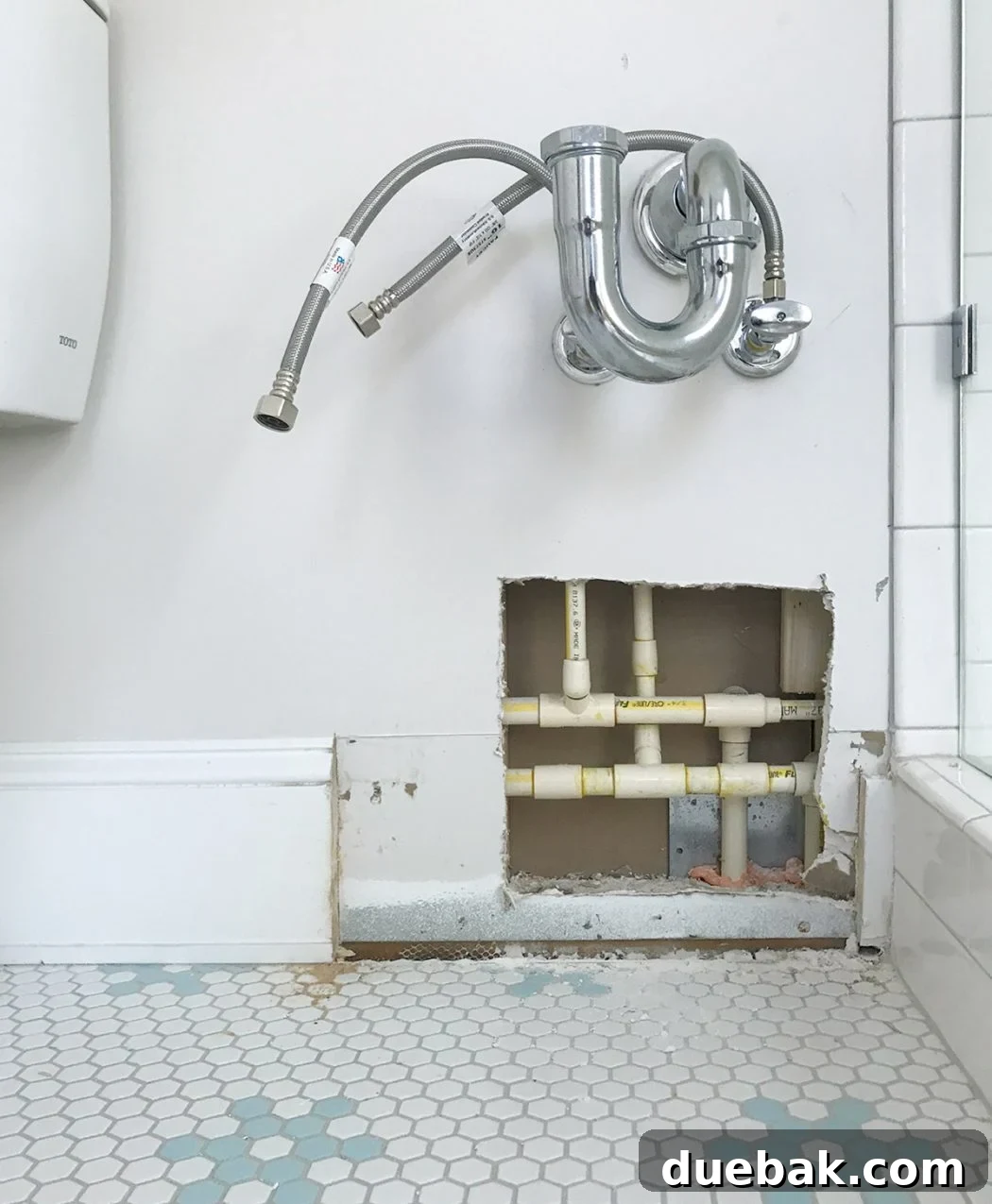
- First, Confirm No Burst Has Occurred: Before attempting to thaw, it is crucial to ensure the pipe hasn’t already burst. Listen carefully for dripping sounds coming from behind walls, ceilings, or inside cabinets. Look for any visible signs of water damage, such as wet spots on ceilings, walls, or floors, or puddles in your basement or crawl space. If you suspect a burst pipe, immediately turn off your main water supply (refer to Prevention Tip #2) to prevent further water damage, and contact a qualified plumber without delay. Attempting to thaw a burst pipe can lead to uncontrolled flooding.
- Keep the Faucet Open: Once you’ve confirmed there’s no visible burst, open the faucet associated with the frozen pipe. Even if only a trickle comes out, keeping it open allows water to flow through as the ice melts, helping to clear the blockage. This also relieves pressure that can build up between the freeze and the faucet, further reducing the risk of a burst.
- Carefully Apply Heat to the Frozen Section: Identify the section of pipe that is frozen. This is usually the area closest to an exterior wall, or in an unheated space. Once located, apply heat gradually and indirectly.
- Hair Dryer: A household hair dryer on a low to medium setting is an excellent tool for thawing pipes. Move the hair dryer back and forth along the frozen section to apply even heat.
- Electric Heating Pad: Wrap an electric heating pad around the frozen pipe. Ensure it’s securely fastened and monitor it to prevent overheating.
- Hot Towels: Soak towels in hot water, wring them out, and wrap them around the frozen pipe. Replace with fresh hot towels as they cool.
- Portable Space Heater: If the frozen pipe is in an accessible, open area like a basement or garage, a portable space heater can be used to warm the general area. Position it safely away from any flammable materials and do not point it directly at the pipe to avoid rapid heating which could damage the pipe.
Crucial Safety Warning: Never, under any circumstances, use an open flame device (like a propane torch or blowtorch) to thaw pipes. This is extremely dangerous and can easily ignite nearby flammable materials, damage the pipe itself, or cause severe burns. Gradual, even heat is key.
- When to Call a Professional Plumber: If you cannot locate the frozen section, the pipe is inaccessible (e.g., inside a wall), or if your efforts to thaw it are unsuccessful, it’s time to call a professional plumber. Also, if you suspect or confirm a burst pipe, a plumber is essential for repair and proper remediation. They have specialized tools and expertise to safely thaw and repair pipes, preventing further damage.
For additional expert advice on dealing with frozen pipes, you can consult trusted resources such as the Red Cross and Consumer Reports.
Protecting your home from the damaging effects of frozen pipes is a vital aspect of winter home maintenance. By understanding both emergency responses and proactive prevention strategies, you can significantly reduce your risk of encountering this costly and inconvenient problem. Invest the time now to prepare your plumbing for the cold, and enjoy the peace of mind that comes with a safe, warm home and smoothly flowing pipes. Here’s to a worry-free winter season!