
Demystifying Household Chemicals: Expert Insights for a Healthier Home
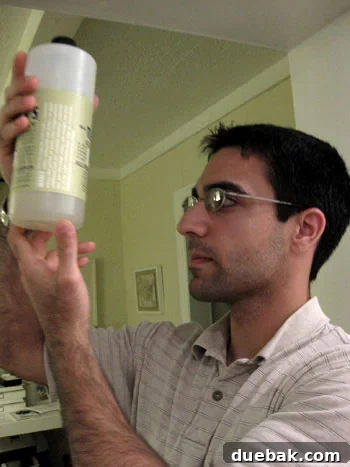
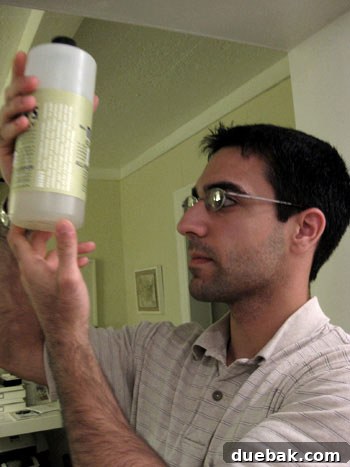
Meet Dan, my brilliant younger brother, a true scientific mind.
Growing up, I was often affectionately labeled “the creative one” within our family. This was, of course, the diplomatic way of saying “not the prodigy,” a title that undeniably belonged to my brother, Dan. While I certainly wasn’t struggling – I consistently made the honor roll and earned early admission to a highly competitive art program in New York City, graduating with a select group of only thirteen others in my major – competing with Dan in the intellectual arena was always a unique challenge. In high school, he astonishingly aced all nine of his Advanced Placement (AP) exams, earning perfect scores of five on each. (For context, I took one AP test and achieved a respectable four). His academic journey continued with distinction at Cornell University, where he graduated with the highest GPA in his entire class, an impressive 4.21. Yes, out of all the brilliant students in Cornell’s College of Agriculture and Life Sciences, he was honored as the Valedictorian. His intellect, quite simply, is extraordinary.
Today, Dan is a graduate student at Columbia University, already holding a Master’s degree, and diligently pursuing his Doctorate in Chemistry. His research and education are fully supported by a prestigious scholarship from the National Science Foundation. This isn’t just about covering tuition; the NSF also provides him with a generous stipend for living expenses like rent and food. His daily life largely involves donning a lab coat and dedicating himself to the intricate world of molecules and polymers. It’s a remarkable arrangement for someone deeply immersed in serious, Einstein-level scientific inquiry.
So, when Dan recently visited us, our conversations naturally gravitated towards… household chemicals. My husband, John, and I are committed to living as cleanly and naturally as possible, striving to minimize our exposure to harmful substances. It was incredibly enlightening, therefore, to engage in a “myth-busting” session with my resident mad scientist sibling. What chemicals truly pose a danger? Which ones are generally harmless? Here, Dan, with the authority of an almost-doctor in chemistry, shares his invaluable perspective on common household habits and materials, distinguishing between what’s beneficial and what could be detrimental to our well-being.
Your Guide to a Toxin-Free Home: Insights from a Chemistry Expert
What’s your take on BPA in plastic water bottles and other household plastics?
Most available evidence strongly suggests that these chemicals should be avoided, not only due to their potential impact on human health but also because of their documented effects on the environment. Bisphenol A (BPA) is a chemical primarily used to make polycarbonate plastics and epoxy resins. Concerns about BPA stem from its classification as an endocrine disruptor, meaning it can mimic hormones in the body and potentially interfere with various biological processes. While research is ongoing, studies have linked BPA exposure to a range of potential health issues, including reproductive problems, developmental issues, and even increased risk of certain cancers, particularly at specific exposure levels or during critical developmental windows. From an environmental standpoint, BPA can leach from plastics into water and soil, impacting ecosystems and wildlife. Fortunately, it’s remarkably easy to transition to safer alternatives like stainless steel or glass drinking containers. I can’t foresee any scientific evidence emerging in the next century that would point to inherent dangers in glass or stainless steel for food and beverage storage. They represent a significantly safer and more sustainable choice for your everyday needs.
The Healthy Home Takeaway: We wholeheartedly embrace stainless steel bottles like Klean Kanteen, incorporating them into every aspect of our lives. We keep one at home, another at work, and a third in the car, ensuring we can hydrate safely and fearlessly wherever we go. Beyond water bottles, consider swapping plastic food storage containers for glass versions to further minimize BPA exposure in your kitchen.


How about fireproofing chemicals that are used in many standard mattresses and pillows?
These are unequivocally bad news. Many conventional mattresses and pillows contain chemical flame retardants, such as polybrominated diphenyl ethers (PBDEs) or chlorinated Tris, which are applied to meet flammability standards. The problem arises because these chemicals are not chemically bonded to the materials; they are simply added to the foam or fabric. Over time, as these objects degrade and off-gas, these chemicals are released into the indoor air and settle as “house dust,” which we then inevitably inhale. This exposure pathway is particularly concerning because these chemicals are lipophilic, meaning they accumulate in fatty tissues. Disturbingly, studies have found these fire retardants in human bodies, including in the breast milk of mothers, raising significant alarm about potential developmental and reproductive health effects in infants. The thought of these persistent chemicals entering our most intimate spaces and even impacting the most vulnerable among us is truly unsettling.
The Healthy Home Takeaway: Making immediate upgrades to your sleeping environment is easier than you might think. Opting for organic wool or cotton pillows that are inherently fire-resistant without the need for chemical treatments (now more widely available, even at retailers like Bed Bath & Beyond) is a simple and effective first step. When the time comes to invest in a new mattress, prioritizing organic and chemical-free options – such as a natural latex mattress – will not only help you sleep soundly but also offer profound peace of mind, knowing you’re reducing your nightly chemical exposure significantly. Look for certifications like GOLS (Global Organic Latex Standard) or GOTS (Global Organic Textile Standard) for assurance. You can read about our experience with a new latex mattress here.
What about soaps and shampoos with sodium lauryl sulfate (SLS)? Is that a chemical to be avoided as well? It’s hard to find things without that ingredient!
I am about 99% sure that sodium lauryl sulfate (SLS) is a completely harmless ingredient for most people. There has been a lot of misinformation circulating about SLS, including claims that it’s a carcinogen, which are not supported by scientific evidence. SLS is a surfactant, meaning it helps to reduce the surface tension of water, allowing products to spread and foam effectively – which is why it’s so common in shampoos, soaps, and even toothpastes. What many people don’t realize is that sodium lauryl sulfate is essentially a product of your body’s natural metabolism of vegetable oils or fats. When you digest fats, your body breaks them down into components that are structurally very similar to SLS. This means it’s a compound that your own body encounters and processes internally. Given that humans can ingest relatively high levels of these metabolized fats (and fully metabolize them) without adverse effects, it stands to reason that applying it topically to your head or skin poses no significant danger. While some individuals with sensitive skin might experience irritation, this is typically due to its strong cleansing properties, not systemic toxicity.
The Healthy Home Takeaway: It’s genuinely refreshing to hear that not every widely-scrutinized ingredient is indisputably bad for us. While scientific consensus suggests SLS is largely safe, personal sensitivity varies. For those who prefer to avoid it or have experienced irritation, many excellent alternatives exist. We personally adore Avalon Organics shampoo & conditioner, which happen to be sodium lauryl sulfate-free. This choice allows us to enjoy effective, clean hair care with an added layer of comfort, just in case.
Teflon. Yea or Nay?
This is a substance I would advise avoiding if possible, just to err on the side of caution. Teflon, a brand name for polytetrafluoroethylene (PTFE), is widely used for its non-stick properties. If you are extremely careful with your non-stick cookware – specifically, never heating it to excessively high temperatures – it’s probably perfectly fine for most everyday cooking. However, the best way to ensure safety is simply to avoid it altogether. The primary concern with Teflon and similar fluoropolymer coatings arises from their thermal degradation. When heated to very high temperatures (typically above 500°F or 260°C), these polymers can begin to break down, releasing toxic fumes and particulate matter into the air and potentially into your food. These fumes can cause “polymer fume fever,” a flu-like condition. While these high temperatures are usually above what’s required for normal cooking, it’s easy to accidentally overheat an empty pan. Therefore, if you feel you absolutely must use Teflon, avoid preheating your pans for unnecessarily long durations or using them for high-heat cooking methods like searing meats. On a similar note, I would also strongly advise against heating any plastics in the microwave (such as Tupperware, plastic wrap, or deli containers). Thermal degradation of these polymers can also occur, especially with certain types of plastics and if overheated, potentially releasing chemicals into your food. Again, similar to Teflon, normal, controlled microwave heating temperatures are likely okay, but to minimize any potential risks, try not to overheat plastics in the microwave. Switching to glass for microwave cooking is always the safest bet.
The Healthy Home Takeaway: We’ve proudly transitioned to Teflon-free Greenware pots and pans, which are a fantastic investment. Made from eco-friendly materials, they are completely chemical-free yet offer gloriously non-stick performance thanks to innovative Ceramica technology. Furthermore, we’ve systematically swapped all our plastic Tupperware out for durable glass containers, readily available at stores like Crate & Barrel and even Target. This simple change ensures safer microwave usage and a cleaner food storage system overall.

What about barbecuing meat? I’ve heard that it releases dangerous carcinogens into the grub. True?
Yes, this method of cooking is probably not the safest, particularly when meat gets charred. When meat, especially red meat or poultry, is cooked at high temperatures – whether grilled, pan-fried, or barbecued – two main types of potentially carcinogenic compounds can form: heterocyclic amines (HCAs) and polycyclic aromatic hydrocarbons (PAHs). HCAs are formed when amino acids (the building blocks of proteins) and creatine (a substance found in muscle) react at high temperatures. PAHs, on the other hand, are formed when fat and juices from meat drip onto a hot surface, like coals or flames, creating smoke that then deposits PAHs onto the food. Essentially, any cooking method that chars the meat to the point of blackness, or creates smoke from dripping fats, is contributing to the formation of these compounds. PAHs, in particular, are poorly metabolized by the body and may result in DNA-damaging chemicals that have the potential to be carcinogenic. While I haven’t seen concrete, universally accepted evidence directly linking cancer to specific instances of burned meat consumption (as the risk often depends on frequency, amount, and individual susceptibility), from a chemistry standpoint, these chemicals *should* be considered carcinogenic. Science strongly points to minimizing their intake. One effective way to potentially avoid releasing and consuming these chemicals is to marinate the meat beforehand. Marinades, especially those with acidic components (like vinegar or lemon juice) and antioxidant-rich herbs and spices, can significantly reduce HCA formation. Additionally, keeping the meat moist while cooking and avoiding excessive charring can help prevent PAH formation, as heating dry meat tends to result in more blackening.
The Healthy Home Takeaway: When you fire up the barbecue, make marinating your meat a non-negotiable step. Not only does it infuse flavor, but it also offers a protective barrier against harmful chemical formation. Beyond that, consider making barbecued meat a cherished, once-a-week treat rather than an everyday endeavor. Exploring alternative cooking methods or incorporating more plant-based meals can further enhance your dietary safety.

What about phthalates? We’ve heard that they’re in a slew of products and they might not be best for humans or Mother Earth. Dish!
Phthalates are indeed a significant concern. I’ve primarily encountered them being used as plasticizers in bottles, containers, and various other plastic products, where they are added to make plastics more flexible and durable. However, their presence extends far beyond just plasticizers; they can be found in a wide array of consumer products, including personal care items (like perfumes, lotions, and nail polish), vinyl flooring, children’s toys, and even some food packaging. In general, much like BPAs, phthalates appear to be very harmful to the environment. They can leach out of products, contaminating soil and water. More alarmingly, they are also recognized as endocrine-disrupting chemicals and are possibly harmful to humans. I’ve seen studies, for example, demonstrating that these chemicals have the potential to sterilize or even change the genders of fish and frogs in aquatic environments, which illustrates their profound impact on biological systems. In humans, research has linked phthalate exposure to reproductive issues, developmental problems in children, and even increased risks of asthma and allergies. Because of their widespread presence and potential health impacts, it’s prudent to minimize exposure whenever possible.
The Healthy Home Takeaway: Consciously say “no thank you” to phthalates by becoming a label detective. Actively seek out products that proudly boast “phthalate-free” on their labels. This vigilance is especially crucial for personal care items, cleaning supplies, and children’s products. We particularly admire companies like Tom’s Of Maine and Dr. Bronner’s for their unwavering dedication to formulating products without these concerning chemicals, making it easier for consumers to make safer choices.
What’s something major that we should all stay away from? Anything that sets off multiple alarms in your mind when you picture people using these materials or products on a daily basis?
In general, from my extensive, albeit random, label-reading habits, I would say that some of the most toxic ingredients you can find are usually in glues and adhesives. For instance, the primary solvent for many heavy-duty glues, particularly those used in model building or industrial applications, is often toluene. Toluene is a volatile organic compound (VOC) and a potential carcinogen, known to have neurotoxic effects and can be harmful if inhaled or absorbed through the skin. Glues like Superglue (cyanoacrylate adhesives) also contain various other volatile organic compounds that are quite toxic until the glue fully dries and cures. These VOCs can cause respiratory irritation, headaches, and other symptoms. Therefore, if you are going to use these types of products, utilizing them in a very well-ventilated area is not just important – it’s absolutely critical. Good ventilation helps to disperse the fumes, significantly reducing your exposure to these harmful chemicals. Consider working outdoors or using powerful exhaust fans when working with strong adhesives.
The Healthy Home Takeaway: This is a crucial piece of information! From this point forward, any glue-related craft project or DIY endeavor in our home will be strictly relegated to the great outdoors. It will remain there, airing out completely, until it is thoroughly dry and all residual fumes have dissipated. For indoor projects, opening all windows and using fans is a must. For even greater safety, explore water-based or non-toxic adhesive alternatives for common household and craft needs.
Anything else we can glean from Almost-Dr. Dan?
I think a vast majority of organic compounds that are genuinely dangerous often have strong, discernible smells. While this isn’t a hard and fast rule (some dangerous chemicals are odorless, like carbon monoxide), it’s a very good general principle to follow. So, if you encounter something that emits a strong, distinctly chemical odor – whether it’s a cleaning product, a solvent, or a paint – it’s best to use it sparingly, for short durations, or, most importantly, with absolutely adequate ventilation. Your nose can often serve as an initial warning system. Prolonged exposure to strong chemical fumes, even if not immediately lethal, can contribute to poor indoor air quality and potential long-term health issues. Always prioritize fresh air and safety gear when dealing with odorous chemicals.
The Healthy Home Takeaway: It’s time to channel your inner Toucan Sam and follow your nose! If a product assaults your senses with a harsh chemical scent, consider it a red flag. Whenever possible, switch to something less stinky, opting for naturally scented or fragrance-free alternatives across all your household products. Furthermore, if you ever find yourself seriously wondering what an ingredient like cyanocobalamin is, don’t hesitate to ask your resident geeky brother (or mine!). By the way, it’s a B vitamin – a good reminder that not all complex chemical names are inherently scary. Prioritizing good indoor air quality and mindful product selection are cornerstones of a truly healthy home.
Empowering Your Home for Health: Final Thoughts
So there you have it – a comprehensive, science-backed exploration of common household chemicals, delivered straight from my brother, who dedicates 99% of his waking hours to the meticulous world of test tubes and molecular structures. His insights empower us to make more informed choices, balancing modern living with a commitment to health and environmental responsibility.
Adopting these practices doesn’t require a complete overhaul overnight; even small, consistent changes can make a significant difference in reducing your exposure to potentially harmful substances. From the kitchen to the bedroom, every decision contributes to a cleaner, greener, and ultimately healthier home environment.
For more practical ways to keep your home healthy, be sure to check out how we swapped out a few things in our home to live cleaner and greener in a snap. And please, feel free to chime in with your own tips and experiences for cleaning, bathing, and cooking in safe and incredibly smart ways. Your journey to a healthier home starts now!
*Yes, Daniel is my bona fide brother, sharing the same mom and dad. He inherited the striking dark, brooding Italian hair and eyes from our mother (whose name, Diana Teresa DeCesare LaPadula, speaks to her undeniable Italian heritage), while I received my fair skin and lighter eyes from our Austrian father’s side of the family.