Beyond the Allen Wrench: When IKEA Assembly Goes Too Far
The enduring appeal of IKEA is undeniable. A global phenomenon, it has cultivated a collective love affair with stylish, affordable home solutions that transform living spaces. But beneath the veneer of perfectly curated showrooms and delicious Swedish meatballs, there lies a silent, often humorous, struggle: the assembly process. While many embrace the challenge of transforming a flat-pack into functional furniture, there’s a growing sentiment that perhaps, just perhaps, IKEA has started to push the boundaries of what customers are willing to build themselves. This isn’t about the grand bookcases or the intricate bed frames; it’s about the most unexpected item to require meticulous construction: a simple cardboard storage box.
The IKEA Paradox: Affordability Meets Assembly
IKEA’s business model is brilliant in its simplicity and efficiency. By designing products that can be shipped flat, they drastically reduce transportation costs, storage space, and ultimately, the retail price for consumers. This model has democratized good design, making modern, functional aesthetics accessible to millions worldwide. The “do-it-yourself” element isn’t just a cost-saving measure; it’s often framed as part of the unique IKEA experience. There’s a genuine sense of accomplishment that comes with successfully assembling a complex piece of furniture, a tangible reward for your effort. You don’t just buy a bookshelf; you build a bookshelf. This unique engagement fosters a deeper connection with the products, transforming mere consumers into co-creators of their living environments.
The Kassett Conundrum: A Box Too Far?
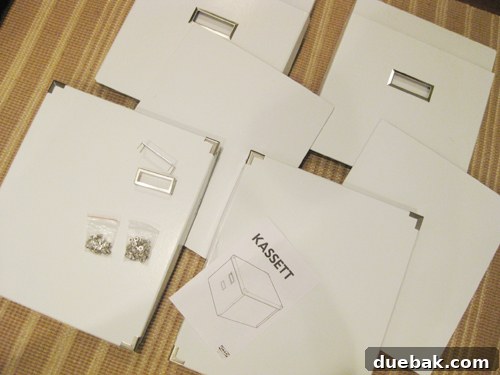
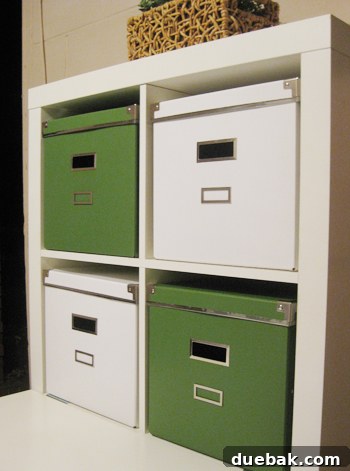
However, this beloved relationship faces a peculiar test when the item in question is, well, a cardboard box. Specifically, the once-ubiquitous Kassett storage box. While the allure of putting together an IKEA sofa or dining table is understandable – these are substantial investments promising significant utility and style – the idea of assembling a cardboard box feels inherently contradictory. Cardboard boxes are, by nature, simple containers. They arrive pre-assembled with shoe purchases, cereal boxes, and countless other everyday items, ready for immediate use. So why does a dedicated storage box from IKEA demand a multi-page instruction manual, a handful of screws, and a significant chunk of personal time? This isn’t just a minor inconvenience; it’s a fundamental misunderstanding of consumer expectations for such a basic item, challenging the very notion of what “assembly” should entail.
The Hidden Costs of “Some Assembly Required”
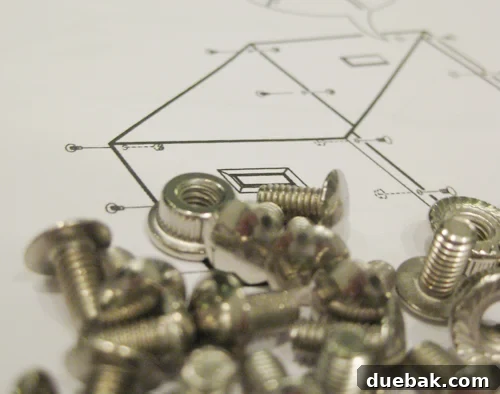
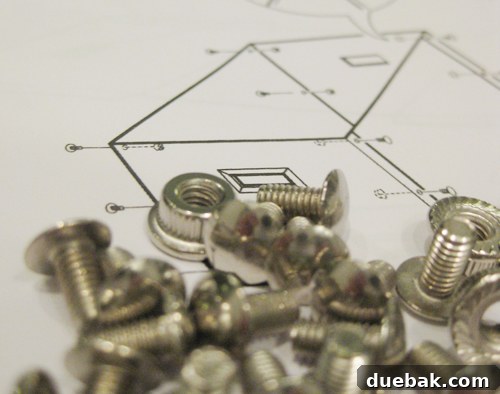
The phrase “some assembly required” is a staple of the IKEA lexicon, a playful disclaimer that has become synonymous with the brand. But for items like the Kassett box, this phrase takes on a new, frustrating meaning. Imagine the scenario: You’ve purchased four Kassett boxes, envisioning a tidy, organized space. What you don’t anticipate is dedicating nearly an hour of your weekend to punching out dozens of pre-perforated holes and fastening forty-eight screws, just to create four cardboard containers. This time investment alone often surpasses the effort required for larger, more complex pieces of IKEA furniture, like the Expedit bookcase that might ultimately house these very boxes. The irony is palpable. What begins as a quest for inexpensive organization quickly transforms into an unexpected DIY project, draining precious time and energy better spent on other pursuits.
Beyond the Allen Wrench: The Finer Points of Frustration
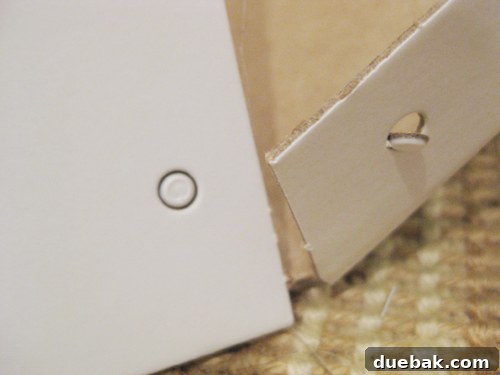
The frustration isn’t merely about the act of assembly itself; it’s about the disproportionate effort relative to the item’s perceived value and function. The manual punching out of 24 holes per box, despite the clear perforations, feels like an unnecessary hurdle. It’s a task that could easily be handled by machinery during manufacturing, yet it’s offloaded onto the consumer. This meticulous, repetitive action for a simple cardboard item feels more like a bonus chore than part of the “fun” of IKEA assembly. It strips away any sense of accomplishment, replacing it with sheer tedium. Is this a storage box, or a complimentary confetti dispenser, leaving behind a trail of punched-out paper dots? The design decision here seems to overlook the practical realities of customer experience, focusing solely on the flat-pack ideal, even when it no longer makes practical sense for the end-user.
The Flat-Pack Philosophy: A Question of Scale
The flat-pack strategy is undeniably brilliant for large furniture pieces. Shipping a disassembled bed frame or wardrobe dramatically reduces volume, leading to substantial savings for both IKEA and its customers. A 11.5-inch cardboard storage box, however, offers minimal space-saving benefits when shipped flat compared to its assembled form. The difference in volume is negligible, especially when considering the labor investment required from the customer. For such small, inexpensive items, the flat-pack model begins to falter, transforming from an efficient solution into an unnecessary burden. Consumers are willing to contribute their labor when the payoff is significant – a stylish, affordable, large piece of furniture. But for a six-dollar cardboard box, the value exchange becomes questionable. The argument for flat-pack efficiency diminishes when the customer’s time and effort outweigh the marginal cost savings, leading to a net negative experience.
A Plea for Customer-Centric Choices
It’s time for IKEA to reconsider its blanket “assembly required” policy, especially for its smaller, more basic offerings. While the $6 price tag for a Kassett box is undeniably appealing, many customers would gladly pay an extra dollar or two for a pre-assembled option. This isn’t about abandoning the flat-pack model entirely but recognizing its limitations and offering flexible solutions. Imagine the enhanced customer satisfaction: simply unbox your storage solution and immediately put it to use, rather than embarking on an unexpected construction project. This small adjustment could significantly improve the overall customer experience for low-cost, high-volume items, reducing friction and reinforcing the positive aspects of the IKEA brand. It’s about helping customers help themselves more efficiently, cementing that loving feeling for the brand rather than eroding it with unnecessary frustration.
Maintaining Brand Loyalty in a DIY World
In an increasingly busy world, convenience is a highly valued commodity. While the DIY spirit thrives, there are limits to its application. Brands that consistently listen to customer feedback and adapt their offerings often strengthen their loyalty. For a brand as beloved as IKEA, acknowledging and addressing these minor pain points can make a significant difference. It’s not just about selling furniture; it’s about selling a lifestyle, an experience. When that experience becomes unnecessarily arduous for simple items, it can detract from the overall perception of value. Offering a choice – assemble it yourself for a lower price, or pay a little extra for convenience – would empower customers and demonstrate a deeper understanding of their diverse needs and preferences, ultimately fostering greater brand affinity and lasting loyalty.
The Unsung Hero: The Pre-Assembled Lid
In closing, let’s acknowledge a small victory, a glimmer of hope amidst the cardboard chaos: the Kassett box lid came pre-assembled. This seemingly minor detail was, in fact, a stroke of genius, a concession that prevented what could have been a true “deal-breaker.” It highlights that even within the most stringent flat-pack philosophies, there are opportunities for small acts of customer consideration. This tiny detail served as a reminder of IKEA’s potential to understand and alleviate consumer frustration, even unintentionally. It suggests that with a bit more intentionality, the beloved Swedish retailer can continue to evolve, balancing its ingenious cost-saving models with an even more seamless and satisfying customer experience. The desire for IKEA’s innovative and affordable solutions remains strong, but a re-evaluation of its assembly policy for the simplest items could ensure that the joy of an IKEA purchase truly begins the moment it’s unboxed, not an hour later after a battle with screws and perforated cardboard.