
When preparing a home for sale, one of the most frequently asked questions revolves around the enigmatic process of “home staging.” Many sellers wonder how much effort and investment truly goes into creating that perfect, buyer-ready look. Our own experience has been a journey of careful consideration, often leaning towards a minimalist yet strategic approach. Initially, our philosophy wasn’t about radical transformations or extensive overhauls. Instead, we focused on the fundamental principles that resonate deeply with potential buyers.
Our core strategy began with meticulous cleanliness. It wasn’t just a surface wipe-down; it was about getting every corner sparkling, ensuring the home felt fresh and inviting. This meant generally cleaning things within an inch of their life, addressing dust, grime, and overlooked spots that can detract from a buyer’s first impression. Beyond just cleaning, we also adopted a smart decluttering tactic, cleverly stashing some items in the car, a method akin to this clever approach, to create a sense of spaciousness without completely emptying the rooms. This initial phase was crucial because a clean, tidy home immediately conveys a message of care and good maintenance to prospective buyers.
Unlike many conventional staging recommendations, we consciously opted out of several common practices. We didn’t move large furnishings into storage, nor did we embark on repainting walls or ceilings. Personal items like family photos or wall art, often advised to be removed for depersonalization, largely remained. We steered clear of many “tricks” often touted through the HGTV grapevine, recognizing that while a professional stager might suggest some, if not all, of these, we believed in a different path. Our conviction was that a home which feels genuinely lived-in, loved, and personalized, yet impeccably clean, could be more appealing than one stripped bare of all character. A space that tells a story of happy memories, while still allowing a buyer to envision their own, can foster a stronger emotional connection. This approach has yielded promising showings, indicating that sometimes, authenticity combined with careful presentation can be incredibly effective in the competitive real estate market. Our goal was to present a home that was both aspirationally beautiful and genuinely welcoming, allowing buyers to see its true potential without feeling like they were walking through a sterile showroom.
That being said, our journey wasn’t entirely without significant, strategic changes. One particular area demanded our attention, leading to a pretty obvious, yet impactful, decision. We took a good, hard look at the rug gracing our kitchen floor, and its role in presenting the space effectively for sale.
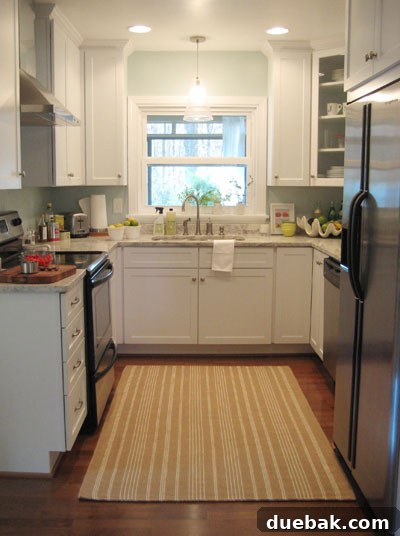
Upon reflection, we decided to nix it. This was a pivotal moment in our staging process, revealing how a seemingly small element could significantly impact a buyer’s perception of the entire room. Even though the above “before” photo was taken with an old camera, it perfectly illustrates the visual impact of the rug. We realized that the Company Store rug, while lovely for its texture and comfort underfoot, was actually doing us a disservice when it came to selling the house. The primary reason? It obscured one of our home’s most coveted selling points: the beautiful hardwood floors beneath. Hardwood flooring is consistently a top feature buyers look for, signifying quality, durability, and timeless appeal. Covering it up meant hiding a valuable asset, undermining the very essence of showcasing our home’s best attributes.
Beyond concealing the hardwoods, the rug also made the kitchen feel noticeably less open in person. By creating a large, definitive rectangle on the floor, it visually broke up the space, making it appear smaller and less expansive than it truly was. In real estate, the perception of space and openness is paramount. Buyers are not just purchasing a house; they are investing in a lifestyle, and spaciousness often translates to comfort and value. While we genuinely loved the rug for personal use, we quickly understood that potential buyers weren’t buying a rug; they were buying a home. The smart call was to roll it up and store it, allowing the gleaming floors to take center stage. This simple act immediately transformed the kitchen, making it feel brighter, larger, and more appealing. Here’s what the room is looking like these days, with the full expanse of the hardwoods on display:
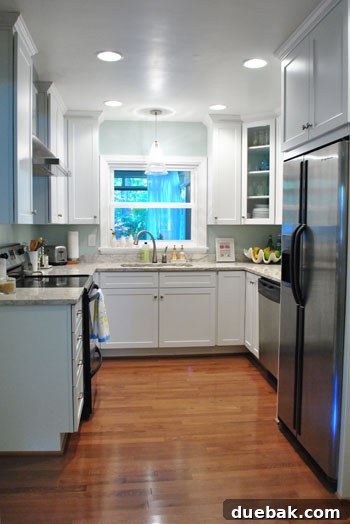
This picture, taken with the new camera, highlights the difference, showcasing a longer shot, different lighting, and a slightly different angle that emphasizes the newfound openness. The removal of the rug isn’t just about aesthetic preference; it’s a strategic move to visually expand the room, enhance natural light, and highlight the inherent value of the property’s features. This seemingly minor adjustment had a profound effect on the overall presentation of our kitchen, turning it from a cozy personal space into a bright, expansive area ready for its next owners.
Following the success of the kitchen rug removal, we extended our strategic decluttering to other areas, particularly focusing on our countertops. You’ll probably also notice that we removed some of the cute, kitchen-y items that once adorned the counters. This wasn’t about stripping the kitchen of all personality, but rather a deliberate effort to declutter the space and, more importantly, to prominently show off another significant selling point: our stunning granite counters. Granite countertops are a highly sought-after upgrade, symbolizing quality, durability, and a touch of luxury. When counters are cluttered with small appliances, decorative items, or everyday essentials, their beauty and expanse can easily be overlooked. By clearing the surfaces, we allowed the elegant patterns and polished finish of the granite to truly shine, commanding attention and conveying an immediate sense of value.
We realized that we’re definitely not peddling a cutting board or a bowl of tomatoes; our objective is to sell a house, complete with its premium features. Therefore, we wanted to be absolutely sure that the real assets of the room – the spaciousness, the gleaming hardwood floors, and the luxurious granite counters – were the ones that truly got noticed. This approach helps buyers visualize their own belongings and lifestyle in the space, rather than being distracted by ours. A clear countertop invites buyers to imagine their morning coffee routine or their culinary creations, making the space feel more accessible and personal to them, even in its depersonalized state. This act of “less is more” ensures that the inherent quality and upgrades of the home are the stars of the show, rather than fading into the background behind everyday clutter.
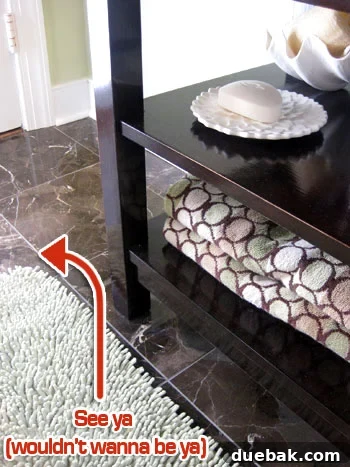
The “rug-removal bug” proved to be quite contagious, finding its way into our bathroom as well. Displaying the inherent beauty and quality of the home’s permanent fixtures is a cornerstone of effective staging. Our bathroom boasts beautiful marble tile, a feature that, much like hardwood and granite, significantly enhances perceived value and aesthetic appeal. Just as with the kitchen, covering this elegant surface with a bath mat, no matter how plush or aesthetically pleasing for daily use, meant hiding a premium selling point. We quickly decided it was imperative to showcase that gorgeous marble tile in all its glory, allowing its natural patterns and luxurious finish to captivate potential buyers. A clear, unobstructed view of high-quality materials communicates an immediate sense of luxury and meticulous upkeep, which are powerful motivators for buyers.
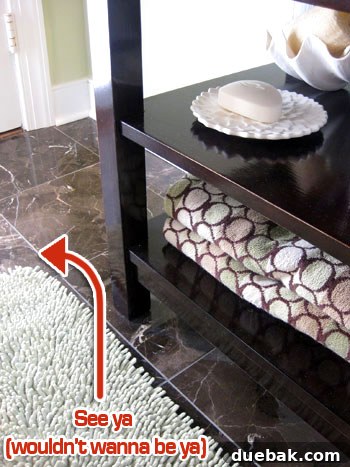
This simple adjustment brought the bathroom’s inherent elegance to the forefront. Of course, practicality remains important. Don’t worry, we do bring out our rug friend when we shower to ensure safety and comfort on the aforementioned marble tile. But for showings, the rug is tucked away, allowing the marble to speak for itself. This thoughtful balance between living comfortably and staging effectively is key. It demonstrates that strategic choices don’t always require massive renovations; sometimes, simply revealing what’s already there is the most impactful form of staging. By highlighting these premium surfaces, we’re not just selling a bathroom; we’re selling an experience of comfort, luxury, and quality that buyers are eager to find in their new home.
The Psychology of Home Selling: What Buyers Truly See
Understanding what goes on in a buyer’s mind is perhaps the most critical aspect of home staging. Buyers are often driven by emotion as much as by logic. They aren’t just looking at bricks and mortar; they’re envisioning their future life within those walls. This means that first impressions are paramount. From the moment they step through the door, every detail, from the scent of the air to the perceived spaciousness of a room, contributes to their overall feeling about the property. A home that feels welcoming, clean, and well-maintained creates a positive emotional connection, making it easier for buyers to picture themselves living there. Conversely, a cluttered or poorly presented home can trigger negative emotions, making it harder for them to see past the immediate imperfections to the home’s true potential. Our minimalist staging approach aimed to strike a balance, presenting a home that felt both cared for and ready for new memories, rather than sterile or impersonal. The subtle removal of items like rugs and counter clutter is designed to remove distractions, allowing buyers to focus on the home’s intrinsic value and imagine their own lives unfolding within its inviting spaces.
DIY Staging vs. Professional Services: Weighing Your Options
The decision to stage a home often comes with a choice: should you hire a professional stager or tackle the project yourself? Each approach has its merits. Professional stagers bring an objective eye, extensive experience, and often a vast inventory of furniture and decor to transform a space into a show home. They understand current design trends and buyer demographics, ensuring your home appeals to the widest possible audience. Their services can be invaluable for maximizing a home’s appeal and potentially increasing its sale price and reducing time on the market. However, professional staging comes with a significant cost. On the other hand, DIY staging, like our approach, offers a more budget-friendly alternative. It allows homeowners to leverage their existing furniture and decor, focusing on decluttering, deep cleaning, and strategic rearrangements. While DIY staging requires more time and effort from the homeowner, it provides the satisfaction of personal involvement and can be incredibly effective when done thoughtfully. Our experience demonstrates that with a keen eye for detail and a focus on highlighting key selling points, homeowners can achieve excellent results without the need for extensive professional intervention. The key is to step back and view your home through the eyes of a potential buyer, identifying areas that can be enhanced or simplified to improve overall appeal.
Top 5 Staging Tips for Maximum Impact
Whether you choose DIY or professional staging, certain principles consistently deliver results. Here are our top five tips for creating a home that resonates with buyers:
- Declutter and Depersonalize Ruthlessly: This is perhaps the most crucial step. Remove excess furniture, personal photos, collectibles, and anything that makes the home distinctly yours. The goal is for buyers to envision themselves in the space, not to feel like they are intruding on someone else’s life. Clear countertops, empty closets, and simplified shelving create an illusion of ample space and storage. This makes every room feel larger, cleaner, and more inviting, allowing the home’s features to truly shine.
- Deep Clean Everything: A spotless home signals meticulous care. Go beyond regular cleaning – scrub grout, wash windows, clean carpets, and polish fixtures. Pay attention to often-overlooked areas like baseboards, light switches, and inside cabinets. A fresh, clean scent, achieved naturally through good ventilation rather than heavy air fresheners, also contributes to a positive first impression. This demonstrates that the home has been well-maintained and is ready for its new owners.
- Brighten and Lighten: Maximize natural light by opening blinds and curtains, cleaning windows, and trimming overgrown landscaping outside. Add extra lighting where needed, ensuring all light fixtures have working bulbs of appropriate wattage. A bright home feels larger, more cheerful, and more inviting. This also helps highlight architectural features and decorative elements, making the entire space feel more appealing and contemporary.
- Address Minor Repairs: Fix leaky faucets, loose doorknobs, cracked tiles, and fresh paint touch-ups. These small imperfections can accumulate in a buyer’s mind, suggesting larger, unseen problems. Addressing them proactively prevents buyers from mentally deducting repair costs from their offer. Small investments in maintenance can yield significant returns in perceived value and buyer confidence.
- Enhance Curb Appeal: The exterior of your home is the first impression. Mow the lawn, trim bushes, plant flowers, clear pathways, and perhaps give the front door a fresh coat of paint. Ensure the entryway is clean and inviting. A well-maintained exterior signals that the interior is likely just as well cared for, drawing buyers in with a sense of pride and welcome.
Common Staging Mistakes to Avoid
While the goal of staging is to enhance appeal, certain pitfalls can inadvertently deter buyers. One common mistake is over-staging, creating a space that feels artificial or overly decorated, making it difficult for buyers to connect emotionally. Another error is neglecting odors; pet, cooking, or damp smells can be a major turn-off, regardless of how beautiful the home looks. Ignoring lighting is also a misstep; dim rooms appear smaller and less inviting. Failing to depersonalize enough leaves buyers feeling like guests rather than potential owners. Lastly, ignoring exterior maintenance can be detrimental, as a poor first impression can prevent buyers from even wanting to see the inside. By being mindful of these common mistakes, sellers can ensure their staging efforts are genuinely effective and contribute positively to the sale process.
Maybe if none of our upcoming showings work out, we’ll decide to try a few other “staging” tricks, delving deeper into some of the more conventional strategies. But for now, our blend of meticulous cleanliness, strategic decluttering, and thoughtful showcasing of the home’s best features seems to be hitting the mark. This journey underscores that selling a home is as much about smart presentation as it is about the property itself. Do you guys have any house-selling tips (or superstitions) that you wholeheartedly believe in? Or anything that you don’t think is worth the trouble? We’re always eager to learn from others’ experiences in this fascinating world of real estate.