
Mastering DIY Video Production: A Comprehensive Guide for Bloggers and Families
You’ve likely noticed our enthusiasm for video content, with a collection of over 80 videos proudly displayed on our dedicated video page. Just as we shared our insights on Photoshop tips, we’re now ready to delve into the fascinating world of video creation. Many fellow bloggers and aspiring family documentarians have asked for our advice, and while we don’t claim to be experts – there’s always room for growth in our shooting and editing skills – we hope our practical rundown will empower you. Whether you’re looking to seamlessly integrate more video into your blogging strategy or simply wish to capture your family’s precious moments with greater finesse, this guide is for you.
For those eager to jump straight to the key takeaways, here’s a quick summary of what we’ll explore in detail:
- Casual Expertise: My video journey spans 15 years, primarily as a passionate hobbyist with extensive practical experience.
- Budget-Friendly Gear: Expensive cameras are not a prerequisite. Many of our engaging videos were filmed using a simple, affordable Flip video camera. Your smartphone is often more than enough!
- Fundamentals First: Approach video like photography. Prioritize good lighting and a steady hand to dramatically improve your results.
- User-Friendly Editing: iMovie is our preferred editing software due to its intuitive interface and the fact that it comes free and pre-loaded on Macs.
- Royalty-Free Music: We source most of our soundtracks from Jamendo, which offers a vast library of tracks under Creative Commons licenses.
- Simplicity is Key: Great videos don’t demand intricate graphics, sound effects, or complex editing. Focus on clarity and ease, avoiding the frustration of overly ambitious techniques if they don’t come naturally.
- Systematic Organization: Implement a consistent system for managing your video files, and don’t hesitate to discard footage that doesn’t serve a clear purpose.
My Journey into Video: From Hobbyist to Content Creator
When it comes to our video content, I take the lead, though Sherry is always an integral part of the creative process. While Sherry didn’t have a background in video (aside from that memorable Eminem video!), my passion for video began much earlier. You could say I’ve been a video enthusiast since high school. Back in 10th grade, I invested in an 8mm tape video camera, igniting a lifelong hobby of shooting small clips, many of which are now nostalgic relics stored away. My early cinematic endeavors often featured my younger sister or our family cat – still holding out for that Oscar nomination, by the way!
My high school offered a “Video Technology” class, allowing me to dedicate three semesters to shooting and editing short films using traditional reel-to-reel equipment. Later, my Media Studies major in college provided countless opportunities to produce and edit various projects. Despite this extensive, informal training, the closest I’ve come to “professional” video work is what you see right here on our blog. This background highlights that while I bring years of practice and some academic exposure to the table, my approach to video has always remained largely practical and self-taught, making these tips accessible to anyone.
Essential Video Equipment: You Don’t Need a Hollywood Budget
Affordable Cameras: From Flip Cams to Smartphones
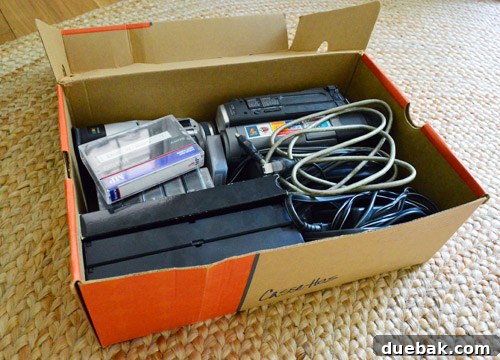
For years, almost every video shared on our platform was captured using a Flip video camera, specifically a FlipHD that we acquired around two and a half years ago. While Flip cameras have since been discontinued, you might still find one on Amazon. Their obsolescence, however, speaks to the incredible advancements in mobile phone and digital camera video capabilities. Today, while we still occasionally use our Flip, our iPhones frequently serve as our primary cameras, especially for impromptu shots. We even leverage the built-in camera on our MacBook Pro for specific projects, demonstrating just how versatile everyday devices have become for video creation.
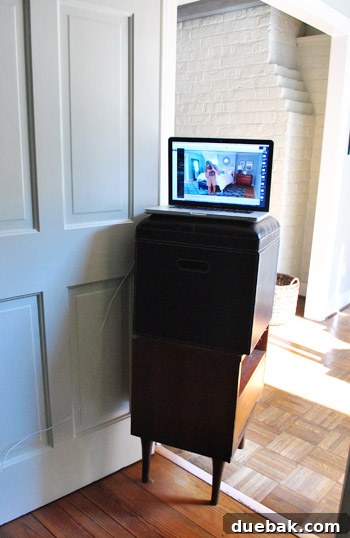
This includes tasks like creating the compelling timelapse video featured in this bedroom painting post. For this, we simply recorded directly into iMovie, where we then sped up the footage and added music – a process we’ll elaborate on shortly.
The crucial takeaway here is that you absolutely do not need to invest in expensive, professional equipment to produce high-quality online video content. YouTube has democratized video production, making viewers far more forgiving of slight graininess, occasional shakiness, or imperfect lighting. This leniency doesn’t mean you should ignore these factors; rather, it means you can achieve impressive results with accessible tools, especially when you master a few fundamental shooting techniques.
Capturing Quality Footage: Pro Tips for Any Camera
Since most of us rely on standard cameras like Flip cams or smartphones for documenting our daily lives and DIY projects, we often lack the intricate mechanical control found in professional video equipment. Therefore, maximizing the potential of your “video camera” – whether it’s a dedicated device or just your cell phone – comes down to mastering these three essential techniques:
The Power of Good Lighting
- Illuminate Your Subject: Just as with still photography, effective lighting is paramount. Relying on good, preferably natural and diffused light, can instantly transform your video from a grainy, backlit mess into clear, vibrant footage. Position yourself near a window, step out of harsh direct light into a soft shadow, or turn on all available indoor lights. Don’t hesitate to bring in extra lamps to fill in shadows and brighten your scene. For instance, during the Blogiversary video shoot, I noticed the overhead light cast unflattering dark circles under our eyes. My simple solution was to place a lamp on either side of the camera, directing more light onto our faces, which made a significant difference.
Achieving Smooth, Steady Shots
- Maintain Stability: This is often the biggest challenge for many, including my blogging partner (her house tours can be quite energetic!). Strive to keep your hand movements slow and steady while filming. If perfect steadiness is hard to achieve, focus on deliberate, gentle motions rather than abrupt sweeps or sudden close-ups. Think graceful and controlled, unless you’re intentionally going for a “Blair Witch Project” aesthetic! For ultimate stability, especially for longer shots or interviews, a tripod is an invaluable tool. Even a mini tripod for your phone can make a world of difference.

Mastering Audio: Clear Sound for Impact
- Consider Your Soundscape: If your video requires spoken audio rather than just a music track, dedicate some thought to sound quality before you hit record. You don’t need expensive microphone equipment; the in-camera mics on most devices are perfectly adequate for casual use. However, always perform a quick sound test to ensure your voice is clear and audible. If not, speak louder or move closer to the camera. Beyond your voice, actively listen to your surroundings. Is there a washing machine humming, an air conditioner blowing, or traffic noise? Could your phone ring mid-sentence, or your dog bark during a critical moment? A little foresight goes a long way. Temporarily switch off noisy appliances, silence your phone, and if necessary, have a chat with your pets about their “indoor voices” – bribing them with treats or toys often works wonders!
Video Editing Made Easy: Choosing the Right Software
iMovie: The Beginner-Friendly Powerhouse
As devoted Apple users, our primary editing software has long been iMovie. This fantastic program comes preloaded and free on most Mac computers, making it incredibly accessible. iMovie boasts a remarkably user-friendly interface, and numerous tutorials are readily available – within the program itself, on the Apple website, in Apple stores, and across the internet – ensuring that most individuals can quickly grasp its functionalities. While a full iMovie tutorial here would be lengthy, rest assured it simplifies importing footage from your desktop or camera, assembling clips, adding photos, music, titles, sound effects, and visual effects. You can even export your finished video directly to YouTube with ease.
Stepping Up to Final Cut Pro (and Alternatives)
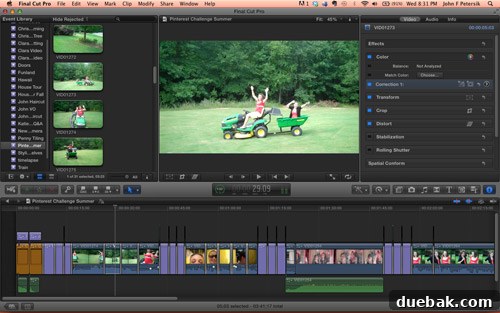
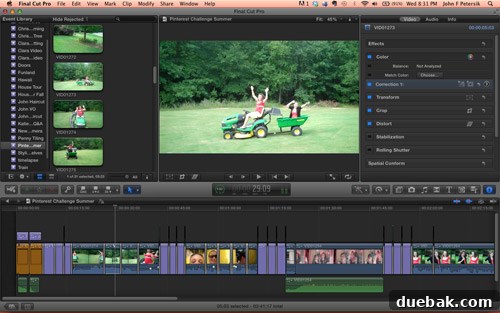
For more advanced projects, particularly while producing our book, we transitioned to Final Cut Pro. Also an Apple product, Final Cut Pro is a more robust, professional-grade software offering significantly greater flexibility in editing, audio manipulation, graphics, color correction, and effects. It’s the choice for editing commercials, music videos, TV shows, and even feature films. While it’s an exciting upgrade for those ready to move beyond casual editing, it comes with a steeper learning curve. Having learned it in college, I still find myself rediscovering its features. Therefore, I strongly advise beginners to start with intuitive software like iMovie (or its free/affordable PC equivalents) before investing in and tackling more complex, harder-to-master programs like Final Cut Pro.
Enhancing Your Videos: Simple Editing Principles
The “Keep It Simple” Mantra
Our core philosophy for video editing is straightforward: keep it simple. It’s tempting to get carried away with all the cool effects, transitions, and titles that come bundled with modern editing software. However, in many instances, these elements can complicate your workflow and give your video an amateurish or scattered appearance. There’s a reason major motion pictures primarily rely on simple cuts or fades between scenes. If acclaimed directors like Scorsese started using water ripple effects for scene transitions, perhaps I’d reconsider, but for now, we advocate for clean cuts, dissolves, and the occasional subtle cross blur. Over-reliance on flashy effects often distracts from your content and can even make your video scream, “I edited this using [specific software name],” due to their recognizable, stock nature. Practice restraint; if you must use an effect, choose one and apply it consistently throughout your video. This minimalist approach also guides my philosophy for PowerPoint presentations.

Finding the Perfect Soundtrack: Royalty-Free Music Solutions
Discovering Jamendo and Creative Commons
Perhaps the most common question we receive about our videos is regarding our music source. Our answer is always Jamendo. This platform hosts an extensive collection of tracks available for free download under various Creative Commons (CC) licenses. You can learn more about these licenses here, but generally, they permit the use of copyrighted works provided you give proper attribution (e.g., a credit at the end of your video) and use them in a non-commercial context. For example, you wouldn’t typically see a CC-licensed song in a Doritos commercial without specific payment and credit. We actually paid to use a song by one of Jamendo’s artists for a promotional video for our book because it fell under commercial use. However, for free videos like DIY tutorials or heartwarming family clips, these tracks are completely free with appropriate credit. It’s truly rewarding when artists reach out to thank us for featuring their music!
Navigating Music Licensing: A Word of Caution
Finding “the right track” on Jamendo might require a bit more searching compared to simply “borrowing” mainstream music, as you’re likely encountering many new artists. However, the significant advantage is peace of mind: you’ll never have to worry about YouTube taking down your video due to unlicensed music. Discovering fresh, unique sounds you haven’t heard endlessly on the radio is an added bonus. While the complexities of online music licensing are vast, our experience with YouTube forcing us to replace the original soundtrack in a personal video (like Burger panting after a summer walk) solidified our commitment to using licensed music. That clip, by the way, was far more entertaining with Nelly’s “Hot In Herre” than with the generic replacement YouTube provided!
Streamlining Your Workflow: Effective Video Organization
Our household generates a substantial amount of video footage, especially since Clara joined the family (though, let’s be honest, our collection of about 100 videos of Burger predates her arrival!). It’s easy to become overwhelmed by this volume of digital content. Our strategy for maintaining organization hinges on two key principles:
- Being rigorously honest (and sometimes ruthless) about what content truly merits saving.
- Always having a clear “end use” in mind for each video clip.
The Art of Ruthless Curation
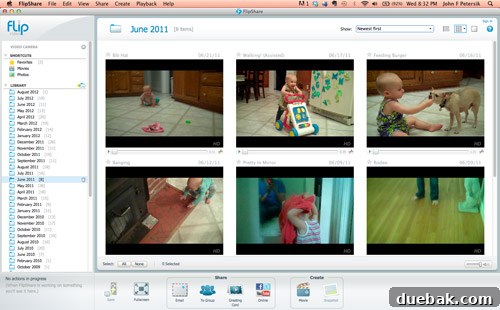
As adorable and entertaining as our children are, not every single video clip is worth preserving indefinitely. Sherry and I have developed a simple filtering process to separate the gems from the ordinary. Our first checkpoint is deletion directly on the camera. If a clip is clearly a dud before recording even stops, it’s immediately deleted. Sometimes a quick rewatch on the camera is needed, but if it’s not compelling enough to warrant further time or storage space, it never even makes it to our computer. The next filter is the computer itself. All our videos are uploaded, either to iPhoto (from our iPhones) or FlipShare (from our Flip camera). Once uploaded, I review everything again. If a video doesn’t make the cut, it gets trashed. This bulk review often happens at the end of the month if immediate review isn’t feasible.
Defining Your Video’s Purpose
For me, the most significant aid in organization is understanding a video’s ultimate purpose. We ask ourselves questions like: Is this suitable for sharing on Young House Life? Could it be included in Clara’s annual highlight reel (you can see her first year-end video at the end of this post, and the second at the end of this post)? For you, better questions might be: Is this Facebook-worthy? Do I want to burn it to a DVD for posterity? Defining this purpose helps you discern whether a clip has long-term value or will merely consume valuable storage space. Once a video is deemed “save-worthy,” it’s moved into a dedicated “videos” folder, which is included in our regular computer backups, ensuring a copy resides on our external hard drive. Additionally, uploading videos to platforms like YouTube, Facebook, Vimeo, or Flickr serves as an excellent cloud-based backup strategy. This multi-layered approach means that even if our computer and external drive fail, we still have copies of our cherished memories, with privacy settings to control what we share with the world.
The realm of video creation is vast, and there’s always more to learn and discuss. For now, I’ll conclude here. If you have further questions, please feel free to ask in the comments, and I’ll do my best to answer. More importantly, don’t hesitate to help each other out! I am by no means the ultimate authority on this subject, and I’d genuinely love to hear your personal suggestions and expert tips for shooting great videos and refining those impressive editing skills.