
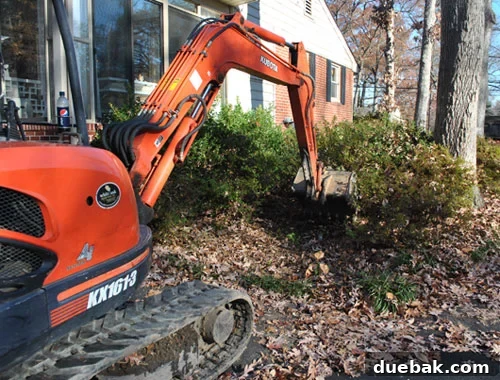
Surprise! This was the scene at our house yesterday, a sight that simultaneously filled us with dread and a glimmer of relief:
Navigating an Unexpected Oil Tank Leak: Our Journey from Discovery to Remediation
Allow us to explain the gravity of the scene above. A few weeks ago, as part of our preparations for potentially selling our home, we decided to proactively test the soil surrounding our underground oil tank. Given that oil heat is our primary source, ensuring its integrity was paramount to assuring any prospective buyer that the system was in pristine condition. Much to our profound horror and dismay, the results were far from reassuring. Soil tests returned with definitive indications: we had a small leak.
The news hit us like a punch to the gut. The irony was palpable and deeply unsettling. Here we are, a household committed to sustainable living, meticulously tending to our rain barrel, diligently maintaining our compost bin, equipping our home with energy-efficient appliances, and even embracing cloth diapers in our earnest efforts to minimize our environmental footprint. Yet, unbeknownst to us, our very own oil tank had been silently oozing contaminants into the earth beneath our home. The thought alone sends shivers down our spines, a stark reminder of hidden environmental vulnerabilities.
The Unexpected Discovery: Unearthing a Hidden Problem
For many homeowners, especially in regions like Virginia where older homes often utilized oil heat, underground oil tanks (UOTs) were once a common installation. These tanks, buried out of sight and mind, offered aesthetic advantages and protected from harsh weather. However, with time, they inevitably corrode, leading to leaks that can go undetected for years, silently contaminating the surrounding soil and groundwater. Our situation served as a stark example of this insidious problem.
Our decision to conduct soil tests was driven by a prudent desire for due diligence before listing our home. We wanted to prevent any last-minute surprises during a property transaction. This foresight, while leading to a troubling discovery, ultimately saved us from much larger potential headaches down the line. The initial shock, however, was immense. We felt a deep sense of responsibility and concern for the environmental impact, despite the leak being entirely beyond our immediate knowledge or control.
Virginia DEQ to the Rescue: A Silver Lining in Environmental Remediation
Fortunately, amid our distress, we stumbled upon a crucial piece of information that provided immense relief. The Virginia Department of Environmental Quality (DEQ) recognizes the significant burden an oil tank leak can place on homeowners. They are so committed to mitigating environmental contamination that they offer a substantial financial assistance program to eligible homeowners in our precise situation. This program effectively turned a potential financial catastrophe into a manageable expense.
Under the DEQ’s initiative, we were only responsible for a $500 deductible for the extensive project of removing the old, leaky underground tank and excavating the surrounding oil-riddled soil – hence the prominent excavator in the opening image. The Virginia government generously covers the remainder of what is typically a project costing around $2,000 or more. This level of support is invaluable, demonstrating a commendable commitment to environmental cleanup and homeowner relief.
Beyond Remediation: Investing in a Sustainable Future
While the DEQ program covered the bulk of the removal and remediation, we did incur an additional cost of approximately $1,300 to install a brand-new, above-ground oil tank. This investment, though unplanned, represents a significant upgrade. An above-ground tank eliminates the risk of hidden leaks; any potential issue would be immediately visible, offering unparalleled peace of mind. This decision is not merely about compliance but about proactive environmental stewardship and long-term home security.
In a sense, we view this as “paying it forward.” We are leaving behind a brand-new, secure heating system for our home’s next owners. Coincidentally, our new house, which we’ll soon be moving into, also recently underwent a similar upgrade, receiving a new above-ground tank. It seems the universe has a way of balancing things out, as we will inherit a tank that is just as new and shiny as the one we’re leaving behind. Isn’t our new tank a beauty, discreetly tucked away behind our vibrant azalea bushes?
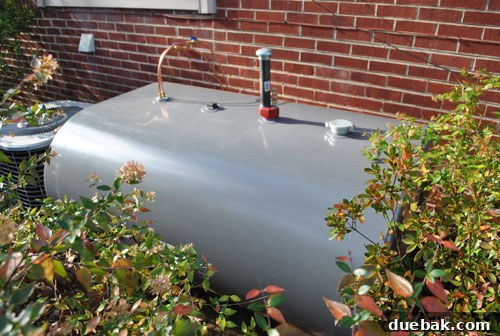
From Rusty Relic to Modern Efficiency: The Old Tank Uncovered
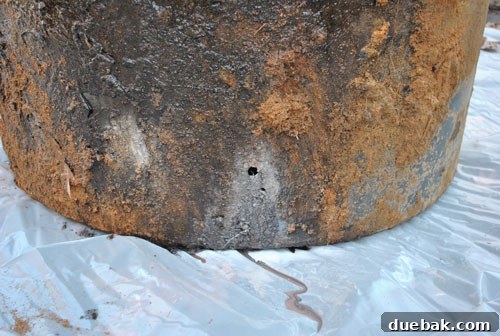
The contrast between the old and the new couldn’t be starker, especially when you compare our sleek new tank to ‘ol’ Rusty,’ the culprit unearthed from its thirty-year subterranean slumber. The contractors estimated that our old tank had been in the ground for approximately three decades. Here’s hoping that when I hit the big 3-0 next year, the passage of time is a little kinder to me than it was to this metal behemoth.
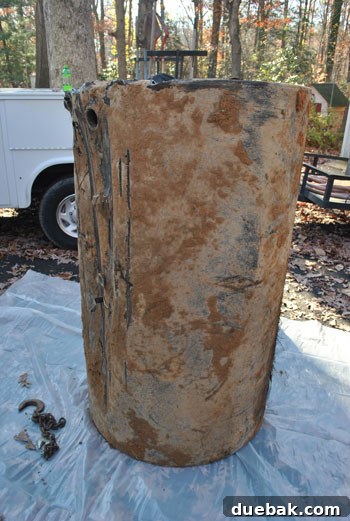
The remarkable thing is that despite its incredibly corroded and unappealing appearance, the excavation crew could only definitively locate a single, dime-sized hole at its very bottom. They did, however, caution that other minor fissures could easily be obscured by accumulated dirt and debris, making visual detection challenging. This tiny defect was enough to cause significant environmental concern and necessitate its removal.
Understanding the Remediation Process: What Happens After a Leak?
The good news, in the grand scheme of this oil-leakage incident, is that heating oil typically doesn’t migrate extensively through highly compacted dirt, such as the soil found around our home. This characteristic meant that the contamination was localized and not believed to have traveled very far underground. Consequently, the Virginia DEQ’s requirements were focused and practical: the removal of the leaking tank and a measured amount of surrounding contaminated soil was deemed sufficient to rectify the situation.
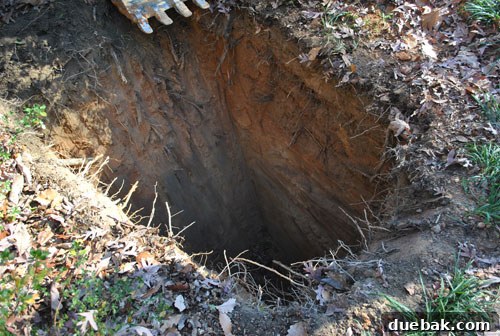
While we initially might have hoped for a “bit of soil” removal, that term proved to be a significant understatement. The sheer scale of the excavation required to extract the tank and affected soil was impressive, as evidenced by the substantial void left behind:
Minimizing Disruption: Landscaping and Property Impact
The process, though extensive, was executed with considerable care. To create the necessary access for the excavation, two of our beloved azalea bushes had to be temporarily removed. However, we were relieved that the process did not disturb our driveway or any of the larger, mature trees on our property. This was a testament to the expertise of the remediation team, who skillfully navigated the constraints of a residential setting.
After the gargantuan hole was thoroughly cleaned, filled with several layers of gravel for drainage, and topped with fresh topsoil, the pristinely removed azaleas were carefully replanted. While the crew was upfront about making no guarantees regarding their future survival – a standard disclaimer for transplanted shrubs – we remain optimistic. We’ll be crossing our fingers, hoping they bounce back to their former glory, adding a touch of natural beauty back to our yard.
Reflections on Resilience and Responsible Homeownership
It’s undeniably bittersweet to have invested a significant amount of money into “unsinking” this leaky tank, primarily for the benefit of our future buyers. On one hand, there’s a strong sense of pride and satisfaction in doing the right thing for the environment (yay environment!). On the other, there’s the inevitable sting of unexpected spending (boo spending!). Yet, this experience has provided valuable lessons in responsible homeownership and environmental vigilance.
We’re profoundly comforted by the fact that we’re stepping into a new home that also boasts a new, shiny above-ground tank. It’s quite amusing, actually, that the current owners of our new house faced a remarkably similar situation with their underground tank and opted for the same above-ground upgrade. Perhaps this is what one might call “good house karma” playing out – a cycle of responsibility and improvement. Even if you can only count diligently following government orders as a form of karmic alignment, it still feels like a positive outcome.
Your Experiences: Sharing Homeownership Challenges
Have you encountered unexpected oil tank issues in your home? Or perhaps other appallingly “ungreen” discoveries that caught you by surprise? There’s truly nothing quite like a little unplanned spending, especially around the holidays, to get your blood pumping and your problem-solving skills sharpened. We’d love to hear your stories and insights.
Psst – Holy amazingness! If you’re looking for a sweet DIY project, check out this incredible DIY play kitchen crafted ingeniously from an old TV unit, featured over on BabyCenter.