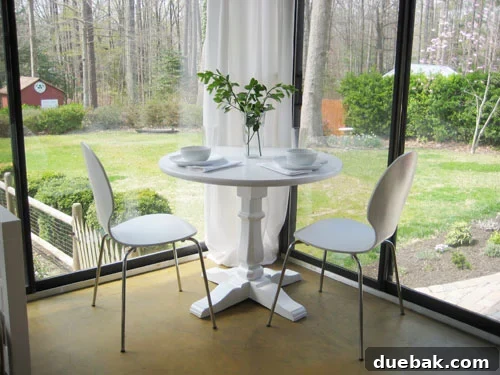
Are you looking to breathe new life into an old, forgotten piece of furniture? Whether it’s a sturdy wooden chair, a dated dining table, or any other wooden item yearning for a fresh look, painting offers an incredible opportunity for transformation. This comprehensive guide will walk you through every step, ensuring your furniture makeover is not only successful but also rewarding, yielding results that look professionally done and stand the test of time.
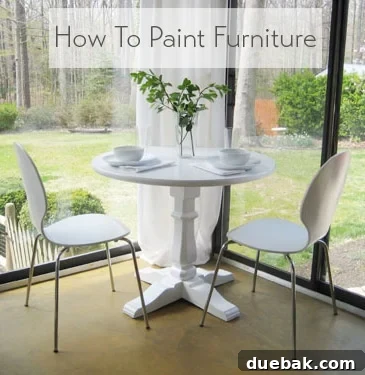
Imagine taking a worn-out piece, like the table we personally built and transformed, along with its accompanying chairs that once sported a rather uninspiring golden blond hue. With just a few hours and the right techniques, we watched as these pieces evolved from their humble beginnings – a thrift store base for the table – into something that rivals high-end designer pieces. This is the magic of DIY furniture painting: elevating everyday items into stunning focal points without breaking the bank.
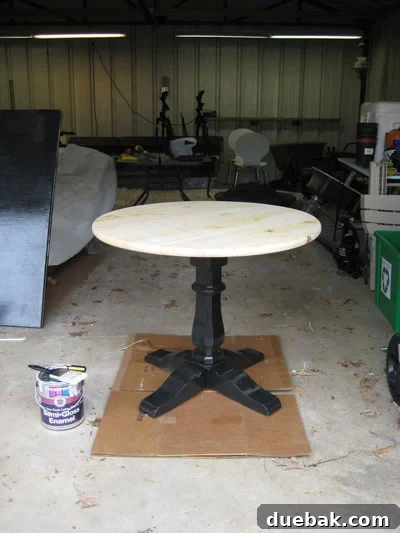
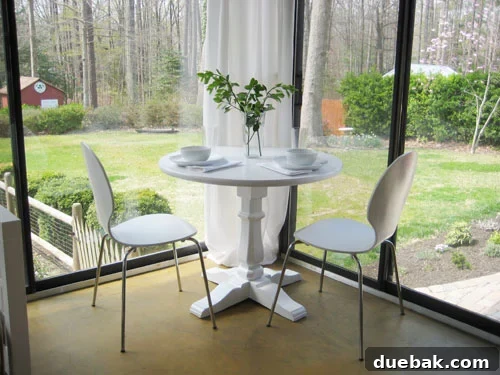
Indeed, sprucing things up with a fresh coat of paint can dramatically alter perception, making a piece look far more expensive and intentional. Our project, transitioning to a crisp white finish, effortlessly bridged the gap from its original thrift store find to a style reminiscent of Pottery Barn – at a fraction of the cost. This isn’t just about changing a color; it’s about reimagining a space and giving your furniture a second chance at glory through a thoughtful furniture transformation.
Ready to embark on your own furniture transformation journey? Let’s dive into the essential steps that will guide you to a flawless, long-lasting finish.
Essential Preparations Before You Begin Your Furniture Makeover
Before you even think about picking up a paintbrush, meticulous preparation is key. Skimping on these initial steps can lead to frustrating results and a finish that doesn’t last. Proper preparation ensures maximum adhesion, a smooth surface, and a professional-looking end product, saving you time and effort in the long run.
Gather Your Essential Furniture Painting Supplies
Having all your tools ready before you start will streamline the entire process. Here’s a comprehensive checklist of what you’ll likely need for your DIY furniture project:
- Sandpaper: Start with 100-grit for initial scuffing and adhesion, and consider finer grits (180-220) for achieving an ultra-smooth finish between coats or after repairs.
- Primer: Choose a high-quality oil-based primer for superior stain blocking and adhesion, or a premium low-VOC water-based alternative like Zinsser Smart Prime for less odor and easier cleanup.
- Paint: Opt for a durable latex paint, preferably in a semi-gloss or satin finish, as these are excellent for furniture due to their cleanability and resilience.
- Applicators: Small, high-density foam rollers are fantastic for achieving smooth, even coverage on flat surfaces. Invest in high-quality synthetic paintbrushes for intricate details, edges, and corners where rollers can’t reach.
- Cleaning Supplies: A good degreaser (like a TSP substitute or sugar soap) is crucial for removing grime, along with clean cloths and a bucket of warm water.
- Protective Gear: Always use drop cloths or old sheets to protect your floors and work area. Painter’s tape helps create clean lines. Don’t forget personal protective equipment: gloves, safety glasses, and a respirator mask, especially when sanding or working with oil-based products.
- Repair Materials: Keep wood filler and a putty knife handy for addressing any minor dents, scratches, or holes before painting.
Prepare and Protect Your Workspace
Choose a well-ventilated area for your painting project. Working outdoors on a calm day or in a garage with open doors is ideal. If working indoors, ensure adequate airflow and consider using fans. Lay down drop cloths or old sheets to completely cover your floor and any nearby furniture or items you want to protect from paint drips and dust. Good lighting is essential to spot imperfections and ensure even coat application, so set up additional task lighting if needed.
Thoroughly Clean Your Furniture Piece
This step is absolutely non-negotiable for a durable and beautiful paint finish. Even if your furniture appears clean, it will have accumulated invisible layers of dust, grease, wax, and grime over time. These residues can severely compromise paint adhesion, leading to peeling or an uneven finish. Use a reliable degreaser (such as a TSP substitute diluted according to instructions) and warm water to meticulously clean all surfaces. Scrub thoroughly, paying attention to crevices. Rinse the piece with clean water and allow it to dry completely before proceeding. A truly clean surface is paramount for optimal paint bonding.
The Step-by-Step Guide to Achieving a Flawless Painted Furniture Finish
Step 1: Surface Evaluation and Strategic Sanding for Adhesion
This critical first step dictates the rest of your painting process. Carefully examine the existing surface of your furniture. Understanding its current state—whether it’s glossy, varnished, sealed, or has a dull, chalky, or unfinished texture—will inform your preparation strategy.
- For Glossy, Varnished, or Sealed Surfaces: If your furniture boasts a sleek, glossy finish, perhaps a thick layer of varnish or a heavy sealant, sanding is absolutely essential. This process isn’t about removing all the existing finish; rather, it’s about creating a “tooth” – a slightly roughened surface – that the primer and paint can grip onto. This ensures superior adhesion and prevents future peeling or chipping. Gently sand the entire piece using 100-grit sandpaper. Apply even pressure and work with the grain of the wood where possible to avoid noticeable scratches. The goal is to dull the shine and create a uniform, slightly rough texture. Once sanded, meticulously wipe away all sanding dust with a damp cloth, followed by a dry one, to ensure a pristine, clean surface ready for primer.
- For Dry, Chalky, or Unfinished Surfaces: If your furniture has a more porous texture, such as unfinished raw wood or a piece previously painted with a flat or chalk-like paint, it naturally offers better adhesion. In these cases, you *might* be able to forgo aggressive initial sanding. However, a light scuff sanding with 180-grit sandpaper is still highly recommended. This helps to smooth out any minor imperfections, remove slight blemishes, and further promote maximum bonding for an ultra-smooth final finish. Always ensure all dust is thoroughly removed after sanding.
Addressing Minor Repairs: This is also the ideal stage to tackle any small dents, scratches, or holes. Fill these imperfections with a suitable wood filler, allowing it ample time to dry completely according to the manufacturer’s instructions. Once dry, sand the repaired areas smooth with fine-grit sandpaper (e.g., 220-grit) until they are perfectly flush with the surrounding surface. Finish by cleaning away any residual dust before moving on.
Step 2: Priming for Lasting Durability and Flawless Color Uniformity
Primer is truly the unsung hero of any successful paint job, acting as a vital bridge between your furniture substrate and the final paint layers. It ensures exceptional paint adhesion, effectively blocks unsightly stains (like tannins from wood or previous spills) from bleeding through, and creates a perfectly uniform base for your chosen color. This results in a much richer, more consistent, and ultimately more durable finish.
- Choosing the Right Primer:
- Oil-Based Primer: For decades, oil-based primers have been the gold standard, particularly for their unparalleled stain-blocking capabilities, especially on challenging surfaces or knotty woods prone to sap bleed. They offer superb adhesion and create a robust foundation. Be aware that they are known for their strong odor and require mineral spirits for cleanup.
- Low-VOC Stain-Blocking Primer: For those who prefer a less odorous and easier-to-clean alternative, the market now offers many high-quality, low-VOC (Volatile Organic Compound) water-based primers. We’ve experienced excellent results with products like Zinsser Smart Prime, which provides impressive stain-blocking features without the intense fumes associated with oil-based options. Always consult the product label to confirm its suitability for your specific project and material.
- Primer Application Technique: Use a small foam roller for broad, flat surfaces to achieve smooth, consistent coverage. For intricate details, edges, and corners, switch to a high-quality paintbrush. Apply a good, even coat across the entire piece. It’s normal for the primer coat to look slightly uneven in tone or appear a bit thin in certain areas – its primary functions are coverage and adhesion, not perfect opacity. The key is to avoid applying it too thickly or allowing it to pool and “gloop” in corners, as this can create noticeable texture issues that will show through your final paint coats.
- Crucial Primer Drying Time: Allow the primer to dry thoroughly according to the manufacturer’s instructions, which typically ranges from a few hours to overnight. Proper drying ensures the primer fully cures and forms a solid, non-tacky, and optimally adherent base for your subsequent paint application.
Step 3: Mastering the Art of Paint Application for a Smooth Finish
This is the stage where your furniture truly begins its stunning transformation. Achieving a smooth, professional-looking paint finish requires patience, precision, and an understanding of optimal application techniques.
- Selecting Your Paint for Furniture: For the vast majority of furniture projects, a high-quality latex paint is the ideal choice. It’s durable, exceptionally easy to clean up with water, and available in an almost limitless array of colors.
- Understanding Sheen Levels: The paint sheen significantly impacts both the appearance and durability of your furniture. A semi-gloss or satin finish is generally highly recommended for furniture. These sheens offer excellent durability, are wonderfully wipeable (making spills and dirt easy to clean), and provide a subtle sheen that enhances the furniture’s appeal without being overly reflective. While flat or matte paints are trendy, they can be more challenging to clean and offer less durability for high-traffic pieces.
- Paint Compatibility Explained: A persistent misconception is that latex paint cannot be applied over oil-based primer. This is incorrect. The true “painting no-no” – a guaranteed recipe for bubbling and peeling – is applying latex paint directly over oil-based *paint* due to differing expansion rates and adhesion properties. However, latex paint adheres perfectly well to a properly cured oil-based primer.
- Choosing and Using Your Applicator Wisely:
- Small Foam Rollers: For beginners and on flat surfaces, high-density small foam rollers are often the most recommended choice. They are incredibly error-proof, helping to minimize visible brush strokes and drips, and provide exceptionally smooth, even coverage. To avoid introducing small bubbles, apply paint with light, even pressure, and avoid overworking the paint or rolling too quickly.
- High-Quality Paint Brushes: While rollers excel on flat areas, high-quality synthetic brushes are indispensable for intricate details, edges, and carved sections. Many painting experts consider brushes the most “bubble-free” application method. To effectively avoid brush stroke marks, ensure you apply paint thinly and evenly, “tipping off” your strokes (a very light, final pass with the brush tip to smooth out wet paint), and always allow ample drying time between coats. Invest in good brushes; they make a world of difference.
- The Golden Rule: Thin, Even Coats are Key: This is arguably the single most crucial tip for achieving a flawless, professional-looking paint finish. Apply two, or even three to four, *super thin* and even coats of paint. Envision the thickness of an eggshell or a piece of paper for each layer. This meticulous thin application is the secret to avoiding brush strokes, roller marks, drips, sags, and achieving that coveted smooth, gorgeous finish that looks factory-applied.
- Patience is Paramount Between Coats: Do not, under any circumstances, rush this step! Ensure the first coat of paint is thoroughly dry and completely non-tacky to the touch before even contemplating the second. Rushing can lead to sticky surfaces, unsightly brush marks, or even premature peeling. Always adhere strictly to the paint manufacturer’s recommended drying times, which can vary based on temperature and humidity.
Step 4: The Optional (But Highly Recommended) Protective Finish
While painting a piece of furniture adds immediate color and style, an optional protective topcoat goes the extra mile in terms of durability, longevity, and truly enhancing its aesthetic appeal. Think of it as adding an invisible, robust shield to your hard work, ensuring your furniture makeover stands the test of time.
- Why Apply a Protective Topcoat? A clear protective finish provides a robust barrier against everyday scratches, dings, moisture, and general wear and tear, which is especially vital for high-use items like dining tables, coffee tables, and chairs. It also makes your furniture incredibly easy to wipe clean, helping to maintain its beauty for years to come. Furthermore, many topcoats can enhance the sheen of your paint, adding a luxurious gloss, a subtle satin glow, or a sophisticated matte finish, elevating the overall look.
- Choosing the Right Product: Water-Based Polycrylic: For painted furniture, particularly those with lighter colors like white or pastels, water-based polycrylic is the vastly superior choice over traditional oil-based polyurethane. Oil-based polyurethanes have a tendency to amber or yellow over time, which can drastically alter the beautiful appearance of white or light-colored paint, making it look aged or dingy. Water-based polycrylics, conversely, dry crystal clear and are specifically formulated to resist yellowing, preserving your chosen paint color perfectly.
- Our Strongly Recommended Brands: We’ve achieved unmatched success and reliability with these two brands, and confidently recommend them for their non-yellowing properties and excellent performance:
- Minwax Water-Based Polycrylic Protective Finish: This product is widely available at virtually any home improvement center. The “Clear Gloss” option offers a beautiful, high-end luxurious sheen, while “Satin” provides a softer, less reflective, more modern look.
- Safecoat Acrylacq: For those prioritizing indoor air quality and eco-friendliness, Safecoat Acrylacq is an exceptional low-VOC, non-toxic alternative. It can often be found at specialized eco-boutiques or online at retailers like greendepot.com.
- Our Strongly Recommended Brands: We’ve achieved unmatched success and reliability with these two brands, and confidently recommend them for their non-yellowing properties and excellent performance:
- Application Best Practices for Polycrylic: Similar to paint, apply two thin, even coats of your chosen polycrylic. The operative word here is emphatically “thin.” Applying thick coats will likely lead to drips, unevenness, or even a cloudy, milky appearance. Use a high-quality synthetic brush, working efficiently from one side of the piece to the other, maintaining a wet edge.
- Crucial Drying Time Between Polycrylic Coats: Just like with paint, patience is paramount. Allow the first coat of polycrylic to dry *thoroughly* – until it’s completely non-tacky and feels smooth – before attempting to apply the second. Going over semi-wet polycrylic will inevitably create terrible drag marks, brush marks, and can ruin your smooth finish. Do not go back over areas that have already started to dry. Once the first coat is fully cured (always check manufacturer guidelines, often a few hours), proceed with your second thin, even coat.
For our white table and sunroom chairs, we deliberately opted for this extra layer of protection. The table undoubtedly benefits from the added durability against daily use, and the chairs, being in close proximity to food during meals, are now effortlessly wipeable, making cleanup a breeze. This extra step truly makes a significant difference in the longevity and ease of maintenance of your newly painted furniture, transforming it into a truly functional work of art.
Step 5: The Essential Curing Period for Maximum Durability
You’ve put in the hard work, navigated through each step, and your furniture looks absolutely stunning. Now comes perhaps the hardest part of the entire process: waiting. While paint and polycrylic may feel dry to the touch within a matter of hours, they are still in a crucial “curing” phase where they are chemically hardening and reaching their maximum potential durability. This curing process takes significantly longer than just drying.
- Understanding the Difference: Drying vs. Curing: “Dry to the touch” simply means that the solvents in the paint or topcoat have evaporated, leaving the surface feeling dry. “Curing,” however, involves a deeper chemical process where the paint or topcoat fully hardens and achieves its ultimate strength, making it truly resistant to dents, scratches, and damage from everyday use.
- Minimum Recommended Wait Time: To avoid unsightly dents, divots, scratches, or premature peeling in your beautiful new finish, it is absolutely crucial to resist the urge to place objects on or heavily use your newly painted piece for at least a full 72 hours. This minimum period allows the top layers to begin their essential hardening process.
- Optimal Curing Time for Longevity: For ultimate durability and complete peace of mind, especially for high-traffic items like dining tables, kitchen chairs, or frequently used dressers, we strongly recommend extending the waiting period to five full days, or even a full week. Factors such as ambient humidity, temperature, and the specific thickness of your primer, paint, and polycrylic coats can all influence the precise curing time. Erring on the side of caution during this critical phase will unequivocally prevent the disappointment of premature damage to your meticulously crafted finish.
- The Invaluable Reward of Patience: We fully understand the willpower this waiting period demands – you’re undoubtedly eager to sit on, eat at, or simply admire your brand new-looking piece of furniture. However, trust us implicitly when we say that this patient waiting period is absolutely, unequivocally worth it. Your patience will be generously rewarded with a resilient, flawlessly durable finish that will proudly stand up to the rigors of daily life for many years to come, looking as good as the day you finished painting.
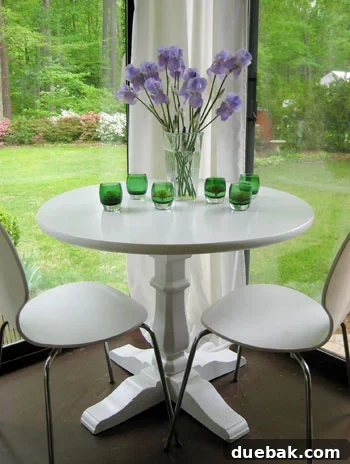
Transforming your furniture might seem like a daunting task at first glance, especially with all these detailed steps. However, by taking things one stage at a time and focusing on proper technique, you’ll find the process incredibly manageable and deeply satisfying. There’s truly no need to live with wooden furniture that doesn’t perfectly match your aesthetic or vision. From giving an old side table a sophisticated glossy black finish to revitalizing a scratched-up wooden chair with a cheerful pop of red, painting is a project you can confidently tackle and complete, often within an afternoon of active work (plus essential drying and curing times, of course). So, gather your courage, pick your favorite color, and go forth to paint something beautiful and unique!
Important Considerations for Non-Wood Furniture Materials
While this comprehensive guide primarily focuses on painting solid wood or veneered wood furniture, it’s crucial to understand that other furniture materials require a slightly different and specialized approach. If your furniture piece is made from materials like laminate, melamine, particle board, MDF (Medium-Density Fiberboard), or thermofoil, a special kind of preparation and product selection is absolutely necessary for successful and long-lasting results.
For these trickier, often slick and non-porous surfaces, traditional primers and paints might not adhere effectively, leading to frustrating issues such as peeling, chipping, or bubbling. We strongly advise visiting your local reputable hardware store or a dedicated paint specialty shop. Speak with a knowledgeable paint professional there and clearly describe the specific material of your furniture item. They can recommend specialized products and techniques tailored precisely to non-wood surfaces.
Generally, for laminate, melamine, or similar synthetic surfaces, the key steps typically involve:
- Aggressive Surface Roughening and Deglossing: These materials are inherently very slick and non-porous. You’ll need to rough up the surface significantly more than you would with natural wood. A chemical deglosser product can help etch the surface, or you might need to use a coarser grit sandpaper (e.g., 80-100 grit) to create maximum “tooth” for adhesion, followed by a meticulous and thorough cleaning to remove all dust and residue.
- Specialty Bonding Primers: Look specifically for “bonding primers” or “shellac-based primers” that are uniquely formulated to adhere to difficult, slick, and non-porous surfaces. Widely recommended brands often include Zinsser B-I-N Shellac-Base Primer or Kilz Adhesion. These specialized primers create an incredibly strong, tenacious bond that allows subsequent paint layers to stick firmly without peeling.
- Durable Topcoats for Resilience: Once properly primed, you can usually proceed with a high-quality latex or, often, an enamel paint. Enamel paints are frequently recommended for these types of surfaces due to their enhanced durability and hard finish. Always ensure full compatibility between your chosen specialty primer, paint, and any subsequent topcoat to prevent adverse reactions.
The world of paints, primers, and protective finishes is constantly evolving, with new and improved formulations emerging regularly. A professional at a paint store will have the most up-to-date knowledge on the best products and application strategies for challenging and non-traditional furniture materials, helping you achieve a beautiful and robust result even on the trickiest pieces. Good luck with your ambitious project!
Psst- In the market for a quick cabinet painting tutorial? Look no further.
Psssst- Wondering how to paint a brick fireplace? Wonder no more.
Pssssssst- Itching to paint wood paneling? Try this.