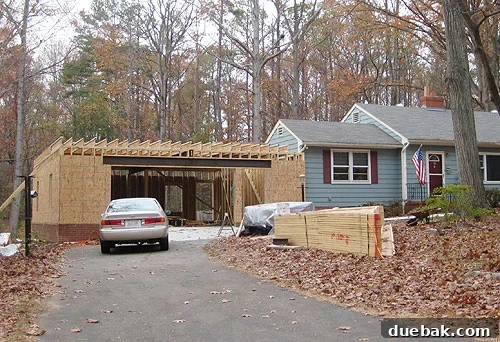
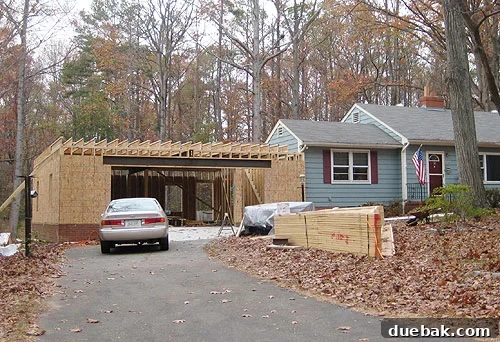
The allure of expanding one’s living space is a potent one. Perhaps it’s observing a neighbor’s ambitious project, like the addition of a new garage, that sparks the imagination. Or perhaps it’s inspiration drawn from captivating home renovation shows, showcasing remarkable transformations. For many homeowners, the thought of a significant house addition isn’t just a fleeting fancy; it’s a recurring daydream, a strategic move to craft a forever home perfectly tailored to evolving needs. The vision of a second story, a spacious new wing, or a cleverly integrated bump-out often represents a commitment to staying put and investing in the property you already love.
Unlocking Your Home’s Potential: A Comprehensive Guide to Seamless Additions
Embarking on a home addition project is a significant undertaking, offering the opportunity to dramatically enhance both the functionality and value of your property. Whether you’re considering a modest bump-out or an ambitious second-story expansion, careful planning and execution are paramount. This guide delves into the crucial aspects of home additions, from conceptualization and design consistency to the vital role of skilled professionals.
Why Consider a Home Addition? More Than Just Extra Space
The decision to add onto your home often stems from a variety of compelling reasons, extending far beyond the simple need for more square footage. Understanding these motivations can help clarify your project goals and ensure the addition truly serves its purpose.
Increased Living Space for Growing Needs
As families grow, hobbies expand, or work-from-home arrangements become permanent, existing spaces can quickly feel cramped. A home addition offers the perfect solution, whether it’s an extra bedroom for a new child, a dedicated home office, a spacious guest suite, or a larger common area for entertaining. This expansion allows your home to adapt to your life’s evolving chapters without the disruption and expense of moving.
Enhanced Functionality and Modernization
Beyond just adding rooms, an addition can significantly improve your home’s functionality. Imagine a mudroom to manage coats and shoes, a larger, more modern kitchen that’s truly the heart of the home, or a new entertainment zone designed for leisure. Additions provide an opportunity to incorporate contemporary layouts, advanced technologies, and specialized areas that might not fit within the original footprint of your house.
Significant Increase in Property Value
A well-planned and executed home addition is often a wise investment, yielding a substantial return when it comes time to sell. By increasing square footage, improving layout, and adding desirable features, you enhance your property’s market appeal and appraisal value. It’s crucial, however, that the addition is consistent with the home’s existing style and neighborhood norms to maximize this value.
Avoiding the Hassle and Expense of Moving
For many, the emotional and financial costs of moving are prohibitive. Between real estate fees, packing, unpacking, and the stress of finding a new place, staying put and improving your current home often emerges as the more attractive option. An addition allows you to remain in your familiar neighborhood, close to schools, friends, and amenities, while still achieving the space and comfort you desire.
Exploring Popular Types of Home Additions
The scope of home additions is incredibly varied, ranging from subtle modifications to complete structural transformations. Understanding the different types can help you visualize what’s possible for your property.
- Second-Story Additions: Ideal for maximizing space on a small lot, a second-story addition can double your living area without expanding the footprint. This is often complex, requiring significant structural reinforcement.
- Garage Conversions and Additions: Transforming an existing garage into a living space (e.g., ADU, office, gym) or adding a new garage entirely can serve various purposes, from providing extra parking and storage to creating rental income.
- Bump-Outs: Smaller in scale, bump-outs extend a single room by a few feet, often used to enlarge a kitchen, bathroom, or dining area, creating more functional space and natural light.
- Sunrooms and Conservatories: These light-filled additions provide a transitional space between indoor and outdoor living, perfect for relaxation, dining, or cultivating plants.
- Master Suite Additions: Creating a luxurious new master bedroom and bathroom suite can significantly enhance comfort and privacy, often becoming a homeowner’s personal sanctuary.
- Accessory Dwelling Units (ADUs): Whether attached or detached, ADUs provide independent living quarters, ideal for extended family, guests, or as a source of rental income, depending on local zoning.
The Cornerstone of Success: Planning and Design Consistency
The true success of any home addition hinges on meticulous planning and a steadfast commitment to design consistency. This involves ensuring the new structure not only meets your needs but also integrates flawlessly with your existing home, both aesthetically and functionally. As pointed out by resources like RightContractors.com, maintaining consistency—interior and exterior—is a critical reminder for anyone contemplating extra square footage.
Harmonizing with Your Existing Home’s Exterior
An addition should look as though it was always meant to be there, not an afterthought. This means careful consideration of rooflines, siding materials, window styles, and exterior finishes. The goal is to blend new elements seamlessly with old, avoiding an obvious “line” where the old structure ends and the new begins. For instance, matching brickwork, paint colors, and trim details creates a cohesive facade that enhances curb appeal rather than detracting from it. A poorly integrated exterior can significantly diminish both the aesthetic appeal and the value of your home.
Ensuring Interior Flow and Cohesion
Inside, the addition should feel like a natural extension of your home’s interior. This involves thoughtful planning of floor plans, ensuring smooth transitions between old and new spaces. Material choices, such as flooring, paint colors, and trim, should complement existing decor, creating a unified and harmonious living environment. Lighting design, ceiling heights, and even the placement of doorways contribute to this interior consistency, making the new space feel truly integrated rather than disjointed.
Respecting the Neighborhood Aesthetic
While your home addition is a personal project, it also impacts the wider neighborhood. A successful addition respects the architectural character and scale of surrounding homes, contributing positively to the community’s overall aesthetic. Overbuilding or creating a structure that clashes starkly with neighboring properties can lead to community friction and potentially even hinder future resale.
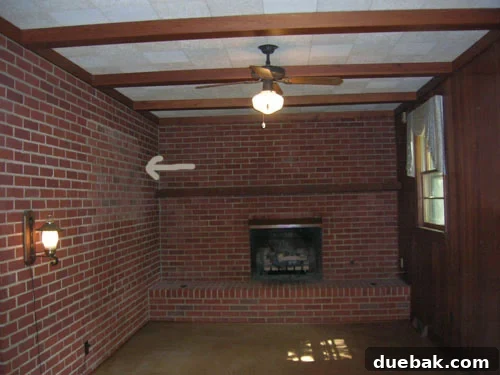
The importance of maintaining this design consistency cannot be overstated. We’ve all seen examples of additions that missed the mark – perhaps an obvious demarcation line between old and new roofing, or an unsightly bricked-over window where a previous owner awkwardly converted a porch into a den. These instances serve as stark reminders of why professional design input is invaluable.
Assembling Your Dream Team: Architects, Engineers, and General Contractors
Given the complexities of design consistency, structural integrity, and regulatory compliance, the crucial first step in any major home addition is finding the right professionals. This team typically includes an architect, an engineer, and a general contractor (GC).
The Architect: Visionary and Planner
An architect is instrumental in translating your vision into a practical, aesthetically pleasing, and structurally sound design. They understand how to integrate new spaces seamlessly with existing ones, ensuring both exterior harmony and interior flow. An experienced architect will also be knowledgeable about local zoning laws and building codes, helping you navigate the permitting process and avoid costly missteps. Their expertise is particularly vital for complex projects like second-story additions or significant structural changes.
The Engineer: Structural Integrity and Safety
For any addition that impacts the structural integrity of your home—especially second stories, foundation work, or removing load-bearing walls—a structural engineer is indispensable. They calculate loads, design supports, and ensure that the new structure is safe, stable, and compliant with all safety regulations. While often working behind the scenes, their contribution is critical to the long-term durability and safety of your addition.
The General Contractor: Project Manager and Builder
The general contractor is the orchestrator of the entire construction process. They manage subcontractors, schedule tasks, oversee the budget, and ensure the project adheres to the architectural plans and local codes. Finding a reputable GC is paramount. Look for contractors with a proven track record in home additions, excellent references, transparent communication, and comprehensive insurance. A good GC not only builds well but also acts as your primary point of contact, alleviating much of the stress associated with managing a large construction project.
Due Diligence: How to Choose Your Professionals
When selecting an architect or contractor, always:
- Check Credentials: Verify licenses, certifications, and insurance.
- Review Portfolios and References: Look for examples of work similar to your project and speak with past clients.
- Get Multiple Bids: Compare proposals thoroughly, ensuring they detail scope of work, timeline, and cost.
- Read Contracts Carefully: Understand payment schedules, change order processes, and warranties.
- Communicate Clearly: Ensure your chosen professionals understand your vision and are responsive to your questions and concerns.
Navigating the Journey: Challenges and Considerations
While exciting, home additions come with their share of challenges. Being prepared for these can help mitigate stress and keep your project on track.
Living Through Construction
Construction is disruptive. Expect noise, dust, and temporary inconveniences. Planning for this—perhaps setting up a temporary kitchen or moving essential items to another part of the house—can make the process more bearable.
Unexpected Discoveries and Costs
Especially with older homes, opening up walls can reveal unforeseen issues like outdated wiring, plumbing problems, or structural deficiencies. Always budget a contingency fund (typically 10-20% of the project cost) to cover these potential surprises without derailing your finances.
Permitting and Inspections
Navigating local permitting requirements and inspections can be complex and time-consuming. A good architect and contractor will guide you through this process, ensuring all necessary approvals are obtained and inspections passed at critical stages.
The Long-Term Payoff: Value Beyond Measure
Ultimately, a thoughtfully conceived and expertly executed home addition offers immense long-term value. It’s not merely about adding square footage; it’s about investing in your lifestyle, your comfort, and your financial future.
- Enhanced Quality of Life: Enjoy spaces perfectly designed for your family’s needs, whether it’s a quiet retreat, a vibrant gathering area, or a functional workspace.
- Increased Home Equity: A well-executed addition can significantly boost your property’s market value, providing a strong return on investment.
- Personalized Living: Create a home that truly reflects your personality and preferences, without the compromises often associated with purchasing an existing property.
Ready to Explore Your Home Addition Potential?
The dream of a home addition, whether it’s a grand second floor or a subtle bump-out, is a journey worth exploring. The initial brainstorming phase, even if it feels “waaay-in-our-future,” is often the most exciting. Considering the potential, evaluating the space, and envisioning new possibilities can be incredibly rewarding. Perhaps it’s time to take the plunge and at least get a free estimate – even if it’s just for the sheer fun of seeing what’s possible for your beloved home. The insights you gain could shape your future living experience in ways you hadn’t imagined.
Have any of you embarked on a home addition journey? Or witnessed a project that was exceptionally well-executed, or perhaps one that served as a cautionary tale? Share your tips, advice, and experiences with the rest of us. Your insights can be invaluable to those of us still in the daydreaming or early planning stages of transforming our homes!