
Ultimate Guide to a Seamless Move: Expert Tips for Your New Home
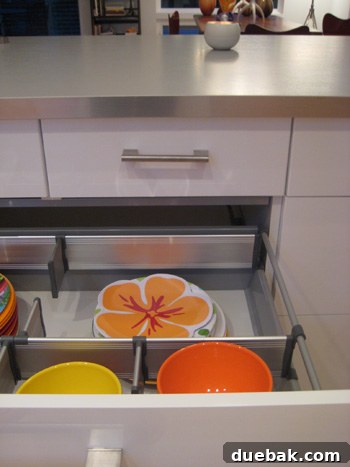
Moving into a new home is often cited as one of life’s most stressful events, but it doesn’t have to be. While the process can indeed be physically demanding, with a strategic approach and a few clever insights, you can transform it into a surprisingly organized and even enjoyable experience. Recently, we had the pleasure of assisting John’s sister and brother-in-law as they transitioned into their stunning, newly designed residence. Beyond the expected muscle aches and obligatory back pain that come with lifting boxes, we walked away with an invaluable collection of fail-safe moving advice. These aren’t just theoretical suggestions; they’re battle-tested strategies that proved their worth during a real-world move. Now that we’re armed with this insider knowledge, we believe it’s only right to share these transformative tips with you, helping to pave the way for your own smooth transition. Let’s start by admiring a glimpse of their breathtaking new kitchen, a testament to thoughtful design and the promise of a fresh start in a well-organized space.
Moving Tip #1: Master the Art of Top-to-Bottom Cleaning
When you finally step into your new abode, the temptation to immediately unload and settle in can be overwhelming. However, resisting this urge and dedicating time to a thorough cleaning before items fill every nook and cranny will pay dividends. This isn’t just about surface-level tidying; it’s about deep cleaning with a smart strategy: always clean from top to bottom. Consider the logic: if you begin by scrubbing the lower shelves of your kitchen cabinets, only to later clean the upper ones, any dislodged dust or debris will inevitably fall onto the freshly cleaned surfaces below, forcing you to re-clean. This creates unnecessary extra work and frustrates your progress.
Instead, commence your cleaning efforts with the highest points in any given room. Start with ceiling fans, light fixtures, and the tops of door frames. Move on to high shelves, upper cabinets, and windows. As you systematically work your way downwards, any dust, grime, or stray particles that don’t adhere to your cleaning rag will simply fall onto still-to-be-cleaned areas. This method ensures that by the time you reach the baseboards and floors, all surfaces above are pristine, allowing you to vacuum and mop just once for a truly sparkling finish. This approach is particularly effective for areas like kitchens, bathrooms, and closets, where hygiene is paramount before you introduce your dishes, linens, or personal items. A top-to-bottom clean guarantees efficiency and a genuinely fresh start.
Moving Tip #2: Embrace the “Touch Things Once” Philosophy
Efficiency is the cornerstone of any successful move, and few principles embody this more effectively than the “touch things once” rule. This concept is simple yet profoundly impactful: when you pick up an item or a box, aim to carry it directly to its final destination in your new home. Avoid the common pitfall of dumping boxes indiscriminately in the foyer, living room, or a spare bedroom with the intention of sorting through them later. While this might seem like a quick way to clear the moving truck, it inevitably leads to a chaotic pile of belongings that you will have to sort, lift, and move again.
Imagine carrying a large box labeled “Bathroom Essentials.” Instead of placing it in a general common area, take those extra few steps and place it directly inside the bathroom, perhaps even in front of the vanity or shower where its contents will eventually reside. This immediately reduces the workload by eliminating double-handling. Every item or box moved to its designated room is one less thing you’ll need to bend over, lift, and relocate later. By consciously making an effort to transport items to their ultimate spot, you save significant time, conserve energy, and maintain a clearer path throughout your unpacking process. It’s a fundamental lean principle that maximizes productivity and minimizes post-move clutter, making your new home feel organized from the moment you start unpacking.
Moving Tip #3: Strategically Save Seated Tasks for Last
Moving is an inherently physical endeavor, demanding a lot of bending, lifting, and walking. To prevent burnout and manage your energy levels effectively, it’s crucial to pace yourself and prioritize tasks. One of the smartest strategies we learned is to save all stationary, seated projects for the very end of the day, or once the bulk of the heavy lifting is complete. These are the tasks that allow you to rest your legs, take a load off your back, and still feel productive.
Think about the types of activities you can comfortably accomplish while sitting: folding clothes, organizing drawers, sorting paperwork, assembling small furniture pieces, or arranging pantry items. These tasks are less physically demanding and can provide a welcome respite after hours of hauling boxes and moving furniture. By tackling the physically strenuous activities first—such as positioning large furniture and moving all boxes into their correct rooms—you can then transition to these more sedentary tasks. Pull up a comfortable chair, sprawl out on the floor, or perch on a stool, as I did when installing clever dish dividers into their island’s fabulously deep drawers. This approach allows you to efficiently complete the most taxing parts of the move while conserving enough energy to thoughtfully arrange and organize your new space, turning potential exhaustion into sustained productivity.
Moving Tip #4: Revolutionize Clothing Packing: Don’t Unhang!
Packing clothes can be one of the most tedious and time-consuming parts of moving. The traditional method involves taking everything off hangers, folding it, putting it into boxes, and then rehanging it all at the other end. This is where a game-changing hack comes in, especially beneficial for local or regional moves where items aren’t shipped long distances. Forget unhanging your clothes; simply grab a large black garbage bag – the heavier duty, contractor-style bags work best – and use it to pack your wardrobe while keeping everything on its hanger.
Here’s how it works: gather a section of clothes, hangers and all, directly from your closet rod. Holding the hangers together, pull the garbage bag up from the bottom, around the clothes. The hangers will stick out of the top of the bag. You can then tie the drawstring or the top of the bag around the neck of the hangers to secure them, or simply use a rubber band. For added protection, you can even poke small holes for the hanger hooks to pass through the closed end of the bag. This method means your clothes remain hanging and largely wrinkle-free, ready to be immediately re-hung in your new closet. Instead of wrestling with dozens of hangers and meticulously folding items into restrictive boxes, you can pack an entire closet in just a few minutes with a handful of giant bags. Once you arrive, deposit the bags directly into the correct bedroom, and you’ll have everything back on the closet rod in less than a minute per bag, saving hours of precious unpacking time and effort.
Moving Tip #5: Embrace the Purge: Toss What You’re Over
One of the most critical and often overlooked stages of moving doesn’t happen during packing or unpacking, but rather before and during these phases. It’s the moment of ruthless decluttering. As you prepare to pack, and especially as you unpack in your new home, you’ll inevitably encounter countless items that have outlived their usefulness, or perhaps were never truly “good enough” for your previous residence. These are the things you’re simply “over.” Why would you go to the trouble of moving them to your new space, only for them to take up valuable real estate in your pristine closets and cabinets?
This is your golden opportunity for a fresh start. As you go through boxes, take a moment to evaluate each item. Does it serve a purpose? Does it bring you joy? Have you used it in the last year? If the answer is no, it’s time to cut your losses. Don’t let unwanted glassware, mismatched silverware, outdated clothing, or forgotten bathroom items clutter your new beginnings. Sort these items into categories: donate, recycle, or discard. Even if you’ve already moved them all the way to the new place, the cost of keeping them (in terms of space, mental clutter, and future moves) far outweighs the effort of tossing or donating them now. You’ll feel incredibly liberated and empowered by creating a truly fresh, organized environment. Just look at the volume of items Emily and Todd confidently left out for the garbage man – a clear demonstration of embracing a minimalist mindset for their new chapter.
Moving Tip #6: Master the Art of Effective Box Labeling
While the previous tips focus on physical movement and decluttering, effective labeling is the unsung hero of a truly organized move. Poorly labeled boxes lead to endless searching, misplaced items, and wasted energy. To avoid this, invest in a good quality marker and take the time to label each box comprehensively.
Every box should clearly indicate three key pieces of information: the room it belongs in (e.g., “Kitchen,” “Master Bedroom,” “Office”), a brief description of its contents (e.g., “Pots & Pans,” “Linens,” “Books – Fiction”), and any special instructions (e.g., “Fragile,” “This Side Up,” “Open First”). For an added layer of efficiency, consider color-coding boxes by room using different colored tape or stickers. This visual cue allows movers and helpers to quickly identify where each box goes at a glance, minimizing confusion and speeding up the unloading process. The clearer your labels, the faster and smoother your unpacking will be, making it easy to find what you need without rummaging through every box.
Moving Tip #7: Prepare a First-Night Essentials Kit
Imagine arriving at your new home after a long, exhausting moving day, only to realize you can’t find your toothbrush, a clean pair of pajamas, or your phone charger. This scenario is easily avoidable with a “first-night essentials kit.” This dedicated box or bag should be packed last and clearly marked “Open First,” or even better, kept with you in your car.
Fill it with everything you’ll need for the first 24-48 hours in your new home. This typically includes toiletries (toothbrushes, toothpaste, soap, shampoo), medications, a change of clothes for each family member, basic cooking utensils (if you plan to eat at home), snacks, pet food and supplies, a small tool kit (for basic assembly), phone chargers, important documents, and maybe even some basic cleaning supplies. Having these necessities immediately accessible means you can settle in comfortably, unwind, and wake up refreshed, without the added stress of hunting through a mountain of boxes for daily essentials.
Moving Tip #8: Safeguard Your Valuables and Furniture
Moving isn’t just about transporting items; it’s about transporting them safely. Protecting your cherished possessions and furniture from damage is paramount. Before the big day, take the time to properly wrap fragile items in bubble wrap or packing paper, ensuring they’re snugly packed in sturdy boxes with adequate cushioning.
For furniture, use moving blankets, shrink wrap, or furniture pads to protect against scratches, dings, and dust. Disassemble any furniture that can be taken apart (beds, tables, shelving units) and keep all hardware (screws, bolts) in clearly labeled bags attached to the corresponding piece of furniture. Special attention should be given to delicate electronics, artwork, and heirlooms. Consider specialized packing services or insurance for particularly valuable items. A little extra care and attention during the packing phase can prevent costly repairs or heartbreaking damage, ensuring your belongings arrive in your new home in perfect condition.
Moving Tip #9: Confirm Utilities and Change of Address in Advance
The administrative side of moving is often the least glamorous but arguably the most crucial. Neglecting to plan for utility transfers and address changes can lead to frustrating and uncomfortable situations in your new home. Weeks before your move, contact your utility providers (electricity, gas, water, internet, cable) to schedule disconnections at your old address and connections at your new one. Confirm these appointments and have backup plans in case of delays.
Equally important is updating your address. Submit a change of address form with the postal service well in advance. Notify banks, credit card companies, insurance providers, employers, schools, and any subscription services of your new address. Create a checklist of all necessary notifications to ensure no important mail or service is missed. A well-orchestrated administrative plan ensures that you have power, water, and internet from day one, and that your important correspondence follows you seamlessly to your new home.
Moving Tip #10: Document Your Move with Photos
This final tip is often overlooked but can be incredibly helpful for insurance purposes, reassembly, and even sentimental value. Before you dismantle anything, take photos. Photograph the wiring of your electronics (TV, computer) so you know exactly how to reconnect them. Snap pictures of furniture before disassembling it, which can serve as a guide during reassembly. Document the condition of your old home after cleaning for landlord disputes, and crucially, photograph the condition of your items as they are packed, especially anything valuable or prone to damage.
These photos can be invaluable if you need to file an insurance claim for damaged goods or if there’s a dispute with movers. Beyond the practical, these images also serve as a wonderful memory of your journey, capturing the transformation from one home to the next. It’s a small investment of time that offers significant peace of mind and a tangible record of your moving experience.
Your Journey to a Stress-Free Relocation Begins Now
Moving might seem like an insurmountable challenge, but with these proven strategies, it becomes a manageable, even empowering, experience. From the careful cleanliness of your new space to the strategic packing of your belongings and the meticulous planning of logistics, each tip contributes to a smoother, less stressful transition. We’ve shared the wealth of knowledge we gained from a recent move, transforming potential chaos into organized efficiency.
Now, it’s your turn to contribute to this growing compendium of wisdom. We know every move brings unique challenges and innovative solutions. What are your go-to, fail-safe moving tips? Share your favorite packing hacks, organizational strategies, or time-saving secrets in the comments below for the next time we inevitably get roped into helping our seemingly nomadic family and friends. And make sure to stay tuned! In the coming weeks, we’ll be revealing the stunning “after” photos of their amazing new home, a true inspiration for anyone embarking on their own journey of relocation and transformation.