
Embracing the Unexpected: A Guide to Unique Succulent Displays in Glass Vases
There’s an undeniable charm that greenery brings to any space, whether it’s sprawling across your garden or delicately perched on your windowsill. My recent obsession with plants, both outdoors and in, led me down an unconventional path to creating eye-catching succulent displays. This is the story of how four humble, impulse-bought succulents from Home Depot found their quirky, yet stylish, new homes in clear glass vases.
Succulents are celebrated for their resilience and diverse beauty, making them a favorite among both seasoned plant parents and beginners. Their ability to thrive with minimal fuss offers an inviting entry point into the world of indoor gardening, transforming any corner into a vibrant sanctuary. My journey began with a simple desire to add more life to my living space, but it quickly evolved into an experiment in creative planting, proving that sometimes, the most striking decor emerges from unexpected choices.
The Selection: Budget-Friendly Succulents and a Blast from the Past
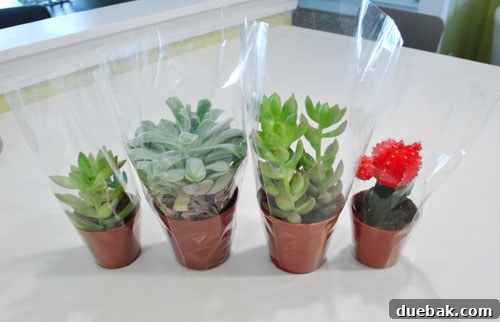
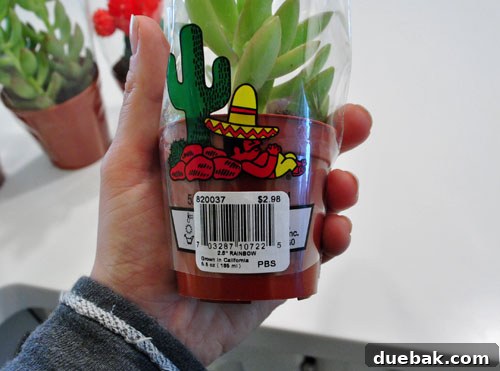
My initial haul consisted of four delightful succulents, a mix of small and medium varieties, acquired for a mere $2.98 and $3.98 each. These affordable finds are perfect for experimenting with new planting styles without a significant investment. Succulents offer incredible value, providing lush beauty and requiring minimal attention, making them ideal for anyone looking to enhance their home decor on a budget.
Among these new acquisitions was a special inclusion: a small, vibrant red cactus. This isn’t just any cactus; it’s a living relic from my middle school and high school days. Seriously, that little guy was indestructible. I could forget to water it for months on end, and it would still stand tall, a testament to its incredible hardiness. Its presence in this new arrangement is purely for nostalgia, a charming nod to simpler times and the enduring power of plants.
The Search for the Perfect Planter: From Traditional to Transformative
My initial vision for these succulents involved a hunt for traditional planters. I scoured stores and my own collection for suitable baskets, charming old boxes, or any vessel that could house my new green friends. My inspiration stemmed from beautiful displays I’d seen, particularly at Anthropologie, where succulents were often showcased in rustic wooden boxes surrounded by elegant white pebbles. This look exuded a natural, bohemian vibe that I desperately wanted to replicate.
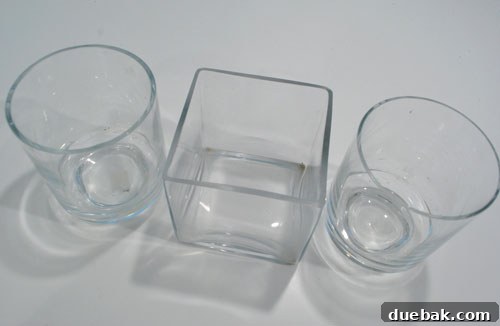
However, as often happens with creative projects, my plans took an unexpected turn. After coming up empty-handed on suitable boxes and realizing I didn’t have any cool white pebbles lying around, my gaze fell upon a collection of old glass vases gathering dust in my cabinet. It was an “aha!” moment that completely shifted my approach.
Embracing the Unconventional: Planting in See-Through Vessels
The thought of planting succulents in something transparent initially struck me as wonderfully weird. And I’m perfectly okay with weird; in fact, I embrace it! Using glass vases offers a unique aesthetic, allowing the beauty of the entire plant system – from the vibrant green foliage to the rich, dark soil – to be visible. This creates a living art piece that highlights the natural elegance of these desert dwellers.
The decision to go with glass wasn’t without its moment of hesitation. The immediate concern that sprang to mind was drainage. Conventional wisdom dictates that plants, especially succulents, require pots with drainage holes to prevent root rot. However, I quickly recalled that my virtually unkillable red cactus from high school had thrived for years in a ceramic pot with no drainage. Similarly, many of the stylish white IKEA plant pots scattered around my house also lack drainage. This personal experience, coupled with the desire for a truly unique display, gave me the confidence to proceed.
Managing Succulents Without Drainage Holes
While drainage holes are highly recommended for optimal succulent health, it is possible to successfully grow succulents in containers without them, provided you adopt a more mindful approach to watering and soil. This method requires attention and care, but the aesthetic payoff can be truly rewarding.
Watering Without Drainage Holes
The key to success is significantly reducing your watering frequency and volume. Instead of a deep soak, opt for a very light watering, just enough to moisten the soil around the roots without saturating the bottom of the vase. Here are some tips:
- Water Sparingly: Use a small measuring cup or even a dropper to control the amount of water. For a small succulent in a glass vase, a few tablespoons might be sufficient every few weeks or even once a month, depending on environmental factors like humidity and light.
- Check Soil Moisture: Before watering, always check the soil deep within the vase. Use a wooden skewer or chopstick; if it comes out damp, wait longer. The soil should be completely dry before rewatering.
- Observe Your Plant: Pay attention to your succulent’s leaves. Wrinkled or slightly deflated leaves usually indicate it’s time for a small drink. Soft, mushy leaves are a sign of overwatering and root rot – act fast if you see this.
- Consider Evaporation: Place your glass vase in a well-ventilated area to encourage quicker evaporation of excess moisture.
Choosing the Right Soil Mix
The type of soil you use is critical when there’s no drainage. A fast-draining succulent or cactus mix is essential. You can enhance drainage further by mixing in additional perlite, pumice, or coarse sand. This specialized soil will prevent water from sitting stagnant, which is the primary cause of root rot. Layering a thin bed of gravel or small stones at the very bottom of the vase before adding soil can create a small reservoir for excess water, keeping it away from the roots, though it doesn’t replace true drainage.
Monitoring Your Succulents
Regularly inspect your succulents for any signs of distress. Changes in leaf color, texture, or growth patterns can indicate issues with watering or light. Early detection allows you to adjust your care routine and keep your plants healthy and thriving in their unique glass homes.
The Planting Process and Aesthetic Appeal
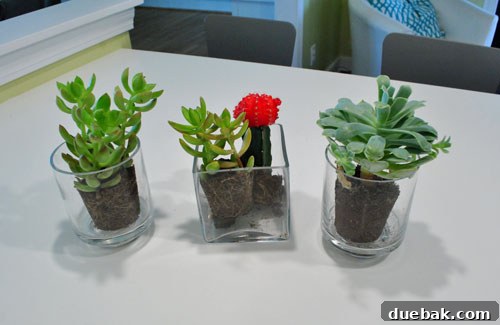
With my drainage concerns addressed (or at least managed!), it was time to get these succulents potted. I quickly realized that the vases needed more soil to properly nestle the plants. So, I grabbed a spoon – yes, a simple kitchen spoon – and headed outside to scoop up some additional dirt. The process was wonderfully simple, almost meditative, as I carefully filled each transparent vessel.
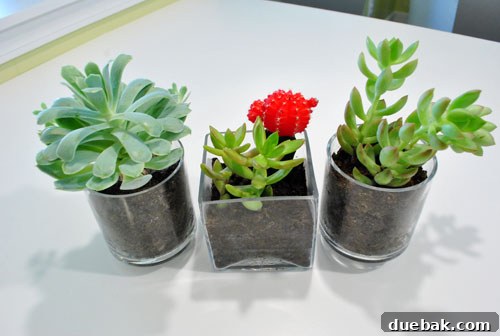
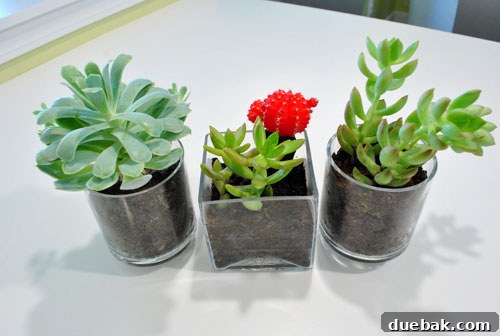
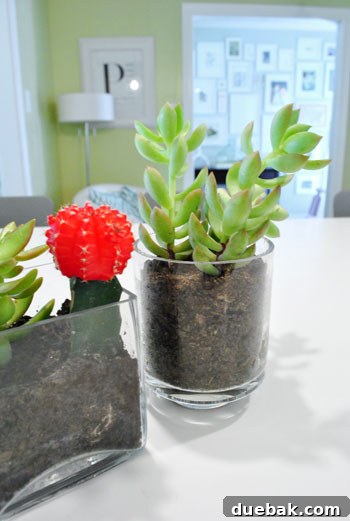
The verdict? I think they look absolutely cool! The deep brown of the potting soil provides a striking contrast against the vibrant greens and subtle reds of the succulents. It’s a clean, organic aesthetic that feels both modern and natural.
People often mulch their gardens for a cleaner, more finished look, and I found a similar effect here. The dark, rich tone of the soil enhances the plant’s beauty, making the green foliage pop. Given that many of our home surfaces are white, and most of my existing plant pots are also white, my eyes truly appreciate this fresh burst of contrast. It’s like my eyes are rebels, always seeking something different and exciting!
Finding Their Forever (or Temporary) Homes
Once planted, it was time to find the perfect spots for these little beauties. As of now, two of the succulent vases are gracing the counter in our hall bathroom. The crisp white surface there truly makes their colors sing, creating a refreshing focal point. The remaining two, including my beloved red cactus, have found a temporary home on the white fireplace mantel in the kitchen. My little red cactus has quickly become my favorite, not just for its unique color but for the flood of sentimental memories it evokes.
I’ll be sure to snap some pictures of them settled into their new environments soon. However, much like pillows, plants in our home have a tendency to migrate. What starts in one room might very well appear in another the following week, adding to the dynamic and evolving decor of our living space. This flexibility is part of the fun of indoor gardening and home styling.
Conclusion: Dare to Be Different with Your Greenery
This little adventure in unconventional planting reminds us that home decor doesn’t always have to adhere to strict rules. Sometimes, the most beautiful and personal touches come from embracing what you have, thinking outside the box, and daring to be a little “weird.” These budget-friendly succulents, housed in repurposed glass vases, have brought a fresh burst of life and individuality to my home, proving that creativity is often the best tool for styling.
Have you ever planted something in an unorthodox way, creating a display that’s uniquely yours? Or perhaps you, too, had an indestructible red cactus in high school that defiantly refused to wither, even when neglected for months on end? Share your stories and unconventional planting ideas in the comments below. Let’s celebrate the joy of indoor greenery and the endless possibilities for personalizing our spaces!