
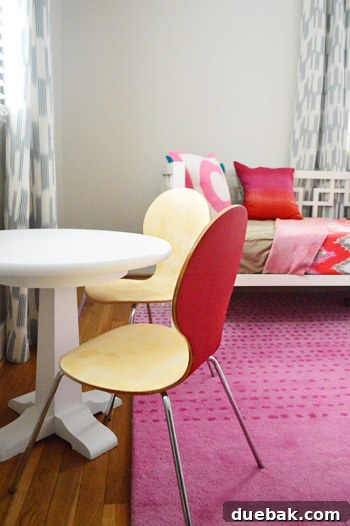
Transforming Thrift Store Finds: Our Honest Annie Sloan Chalk Paint Review and DIY Furniture Makeover
Embarking on a furniture makeover project can be both exciting and daunting. For years, many of you have asked about my experience with Annie Sloan chalk paint – a product lauded for its seemingly effortless application. Well, the time has finally come! I recently dove headfirst into the world of chalk paint, and I’m ready to share every detail of our adventure. This post will walk you through our complete DIY furniture transformation, from brainstorming color schemes for a thrift store dining set to the nitty-gritty of painting techniques and my candid thoughts on chalk paint’s performance. Join us as we revitalize a once-neglected table and chairs, breathing new life into our home with vibrant colors and practical design choices.
The Vision: Crafting Our Dream Dining Nook from Thrift Store Treasures
The journey began with two incredible finds: a table that we had previously cut down to a more suitable size, and a pair of charming thrift store chairs, acquired for a mere $8 each during a trip to West Virginia. These pieces held immense potential, but their current state didn’t quite fit the vibrant aesthetic we envisioned for our evolving playroom/big girl room. John and I spent considerable time brainstorming various possibilities, exploring different color combinations that would inject personality and functionality into the space.
Our initial ideas spanned a range of popular and bold choices. We considered several classic pairings, eager to find something that would truly make the chairs and table pop:
- Red chairs paired with a crisp white table for a striking contrast.
- A reverse approach: a vibrant red table complemented by elegant white chairs.
- A sophisticated navy table with bold red chairs for a nautical touch.
- A clean navy table accented by classic white chairs.
- An eclectic mix featuring one red chair, one navy chair, and a unifying red table.
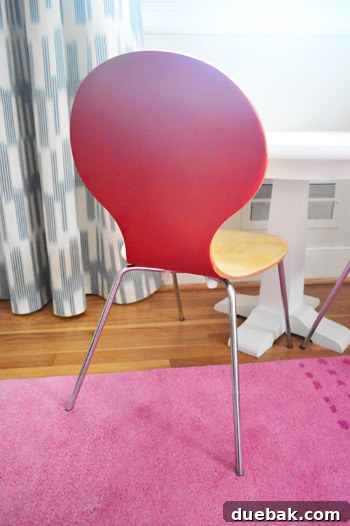
After much deliberation and creative discussion, we finally landed on a concept that resonated deeply with both of us, one that promised to be both visually interesting and perfectly suited for the room: beautiful wood chairs with striking red backs, paired with a fresh, bright white table. This brilliant idea, I must admit, originated from John, who often serves as the creative “brains of the operation.” What made this decision even more amusing was a serendipitous moment when a reader later suggested exactly the same scheme, leading to a delightful “jinx!” moment that affirmed our choice.
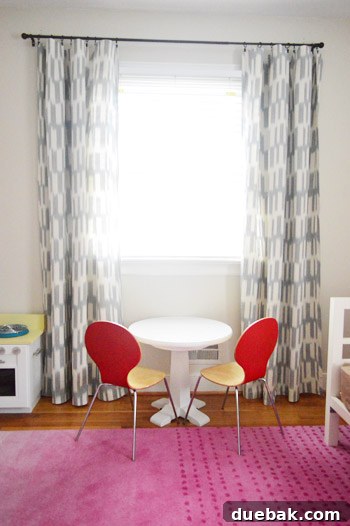
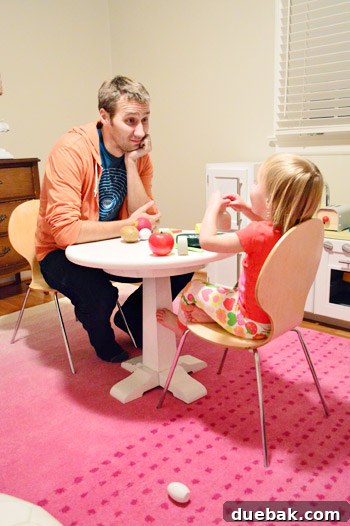
We had a strong intuition that introducing this table and chair set would significantly enhance the usability and charm of the room. This theory was immediately put to the test. The very day we brought the pieces into the space to gauge their fit and potential, the room instantly transformed. It became a magnet for activity, proving our hunch to be absolutely correct. The new setup quickly became a favorite spot, demonstrating its inherent functionality and appeal.
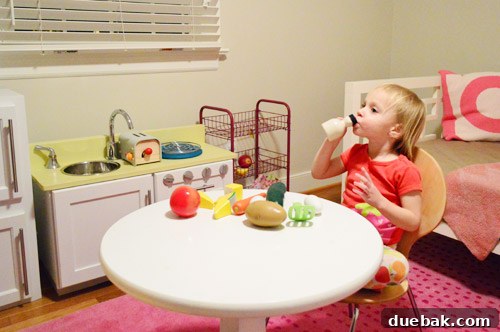
The space instantly felt more inviting and purposeful. Even little details, like Clara’s pajamas, seemed to perfectly complement the room’s evolving color palette – a delightful serendipity for any fabric enthusiast like myself. It’s those small, unexpected harmonies that truly make a space feel complete and personal.

Putting Annie Sloan Chalk Paint to the Test: “Emperor’s Silk” Experience
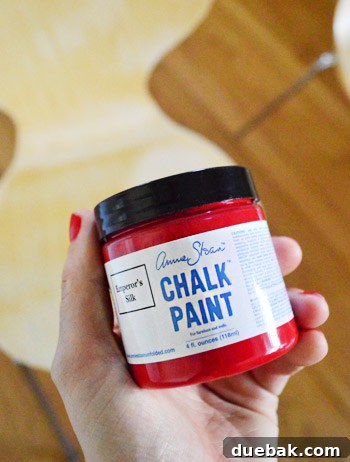
With the decision made and the functionality established, the next crucial step was to infuse our thrift store chairs with that vibrant bright red we envisioned. Initially, our plan was straightforward: a quick trip to the hardware store for a $4 test pot of red paint, followed by the usual routine of sanding and priming. However, a sudden recollection changed our course. I remembered that we had a small sample pot of Annie Sloan chalk paint, a thoughtful gift from the previous year’s Haven conference. This particular sample was in the stunning shade “Emperor’s Silk,” a rich, bold red that perfectly matched our vision.
Given the widespread hype about chalk paint’s convenience – particularly its promise of requiring absolutely no surface preparation like sanding or priming – I decided this was the perfect opportunity to finally try it out. The idea of skipping those tedious prep steps was incredibly appealing, especially for a quick chair back transformation. It felt like a DIY shortcut I had to investigate.
Quick Clarification: While the name might sound similar, chalk paint is distinctly different from chalkboard paint. Chalk paint refers to a flat, matte, chalky-textured decorative paint, often compared to milk paint or clay paint, used for furniture and decor. Chalkboard paint, on the other hand, is designed specifically to create a surface you can write on with chalk. It’s an important distinction for anyone new to the world of specialized paints.
Preparation (or the Lack Thereof) and Application Process
Following the instructions for minimal prep, I moved the chairs into our sunroom for better ventilation and natural light. Given their thrift store origins, I did opt for a quick wipe-down with a liquid deglosser. This wasn’t a requirement for chalk paint, but a precautionary measure to ensure no hidden oils or odd residues from their previous life would interfere with the paint’s adhesion. With the surfaces clean and dry, I eagerly cracked open the “Emperor’s Silk” and began the transformation.
Applying the paint to the backs of each chair was surprisingly quick. Using a short-handled angled brush, which offered superior control, I free-handed the edges, striving for clean, crisp lines. For those with less steady hands, taping off the edges is always an option, but I felt confident in my ability to keep things neat. The chalk paint itself was quite viscous, going on remarkably thick despite my efforts to apply thin coats. This inherent thickness provided excellent coverage, minimizing the number of coats required. In fact, just two coats were sufficient to achieve a completely opaque and rich red finish. Each coat took approximately ten minutes per chair, making the painting phase incredibly efficient.
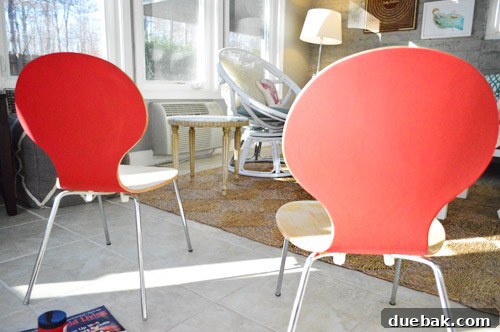
Once the final coat was applied, I left the chairs to dry in the sunroom. It’s worth noting that the paint did have a noticeable odor, so ensuring good ventilation is crucial – I kept the sunroom’s slider door wide open during the entire drying process. After a few days, they felt dry to the touch, possessing that characteristic matte, chalky finish. This is where my first real “aha!” moment about chalk paint occurred.
The Unexpected Post-Paint Step: The Importance of Waxing
Here’s the pivotal discovery about chalk paint: while it famously boasts no prep before you paint, there’s an absolutely essential step that comes after the paint dries. This was a detail I hadn’t fully grasped initially. After letting the chairs sit for several days in the sunroom, I went to inspect them. They felt incredibly dry and, indeed, very chalky. A casual swipe of my finger across one of the chair backs left a distinct white line – a clear indication that the paint, while dry, was far from sealed or durable for everyday use. (And yes, that also meant I probably left some skin cells behind, which is always a bit unsettling!). The main point, however, was that these freshly painted chairs were not ready for prime time.
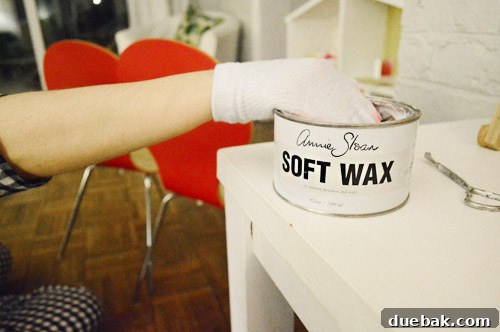
It was at this point that I learned about the crucial final step for Annie Sloan chalk paint: sealing it with a coat of Annie Sloan wax. This wax application isn’t just for aesthetic shine; it’s vital for protecting the chalky finish, enhancing its durability, and making it resistant to everyday wear and tear. A classic “duh!” moment for me! Fortunately, a good friend, Lori (whose daughter is Clara’s school friend), came to my rescue. She had previously used Annie Sloan paint and wax on her daughter’s bookcases and generously offered me a few dabs of her leftover wax. This saved me from having to purchase an entire tin just for two small chair backs, which was incredibly helpful.
Applying the wax proved to be straightforward. I literally only needed two small dabs for both chair backs. Using a clean sock as an applicator, I worked the wax into the painted surface in a nice, thin coat. It’s important to remember this tip: avoid applying the wax too thickly. An overly thick layer can have difficulty curing properly and may remain tacky over time, compromising the finish and durability. The wax instantly transformed the chalky surface into a smooth, slightly lustrous, and much more resilient finish, truly bringing the paint to life and protecting it for years to come.
My Honest Verdict: Chalk Paint vs. Traditional Methods
While the waxing step wasn’t particularly difficult, it did prompt me to reflect on the core selling point of chalk paint. The primary appeal often lies in the “no sanding, no priming” promise, positioning it as a time-saving, simplified painting solution. However, if you then have to apply an additional product – a specialized wax – which also needs to be purchased (unless you have a generous, crafty friend with leftovers), does it truly offer a significant advantage over traditional methods?
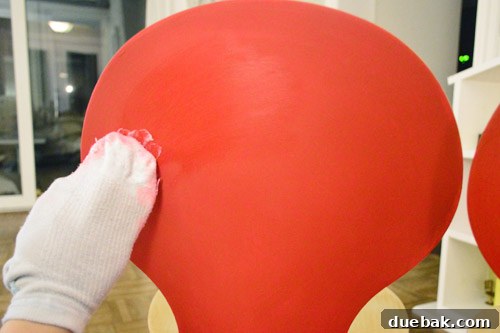
From my perspective, the process ultimately felt like a trade-off rather than a complete simplification. Instead of deglossing, priming, and painting (my usual approach), I opted for deglossing, chalk painting, and then waxing. The total effort, time, and even cost (if you factor in buying the wax) felt somewhat comparable. While I certainly recommend giving chalk paint a try if you’re curious, and I experienced no cracking or peeling, I’m not entirely convinced that it’s inherently “easier” or less demanding than a traditional paint job for every project. It didn’t make me fall in love with painting in a new way, nor did it revolutionize my DIY world.
So, my very honest review is this: I liked using Annie Sloan chalk paint. It delivered a beautiful, unique finish, and the “Emperor’s Silk” color was absolutely stunning. However, it didn’t fundamentally change my life or my approach to furniture makeovers. I know there are legions of devoted chalk paint lovers out there, and I completely respect their enthusiasm and the incredible transformations they achieve. Perhaps with more experience, or on a different type of project, it might truly sweep me off my feet. Who knows, maybe my next chalk paint project will be the one that makes me swoon! But for now, I remain a bit of a “stodgy old traditionalist” who doesn’t mind the primer before, if it means I can skip the waxing after.
In the meantime, there’s one undeniable truth: we absolutely adore our chairs with their bold red backs! They bring so much character and joy to the room, and we cannot lie.
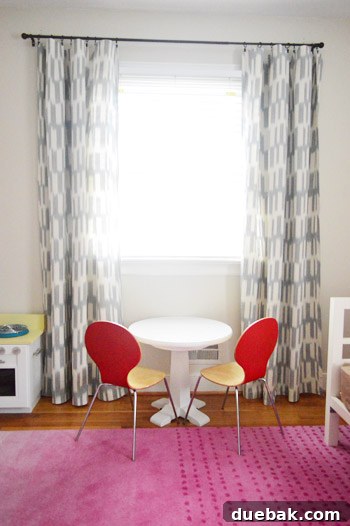
Just one more glimpse of these charming chairs, because they deserve it:
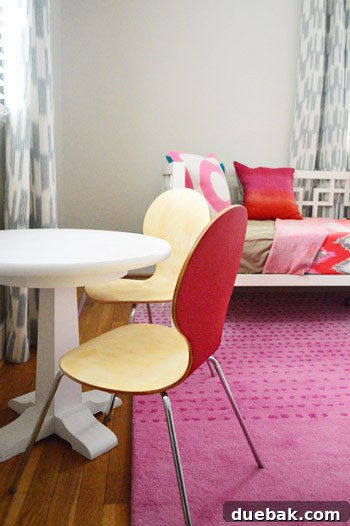
The Table’s Transformation: A Classic White Finish
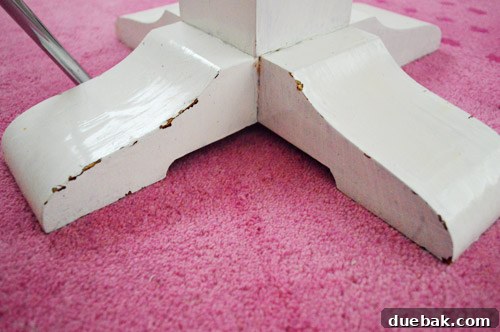
While the chairs received the chalk paint treatment, our cut-down table underwent a more traditional, yet equally transformative, makeover. The table, in its original state, was showing significant signs of wear. It was stained in places and exhibited noticeable peeling on its lower sections, detracting from its potential as a central piece in the room. It was clear that it needed a complete refresh to match the renewed vibrancy of the chairs.
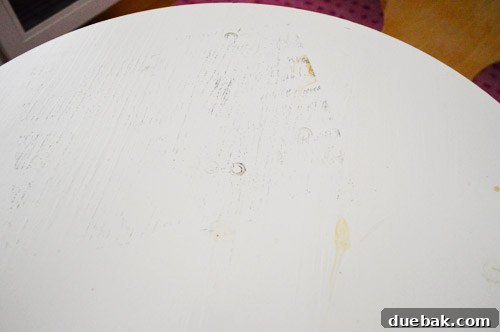
… and peeling down below.
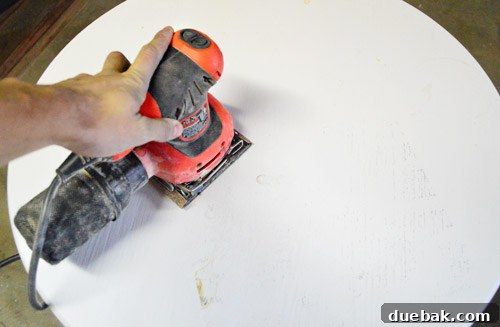
To prepare the table for its new coat of paint, we started with a quick yet thorough sanding. This crucial step helped to smooth out any imperfections, remove the loose, peeling sections, and create an ideal surface for paint adhesion. A well-sanded surface ensures a much more durable and professional-looking finish, especially for furniture that will see daily use.
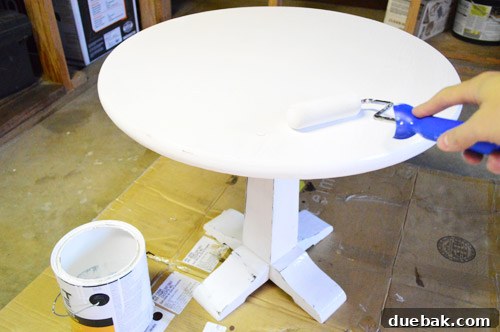
Following the sanding, the table received a diligent application of primer, followed by its fresh coat of paint. For this project, we opted for Benjamin Moore Decorators White in a semi-gloss finish, specifically using their Advance paint line. We chose Advance paint for its exceptional durability; we had previously used it on the cabinets in our office over a year and a half ago, and they’ve held up incredibly well, enduring daily wear and tear without a hitch. This high-quality paint ensures that our newly refurbished table will withstand the rigors of a bustling playroom/big girl room for years to come, maintaining its pristine white appearance and smooth finish.
Finding Its Place: Functionality in the Playroom/Big Girl Room
With both the chairs and table beautifully transformed, the final step was to integrate them seamlessly into the playroom/big girl room. The placement of the table has been an ongoing experiment. We’ve been alternating between positioning it against the wall directly under the window, which offers a clean, space-saving arrangement, and pulling it out onto the rug, creating a more central, inviting dining or activity zone. Our goal is to live with both configurations for a while to truly determine which setup proves to be the most functional and comfortable for daily use by our family.
We believe in a trial-and-error approach to home design, understanding that the most effective solutions often reveal themselves through lived experience. We’ll be sure to report back on our findings as we zero in on the perfect arrangement for this versatile space. The beauty of DIY and home evolution is that it’s rarely a static journey; it’s about adapting and optimizing as needs change.
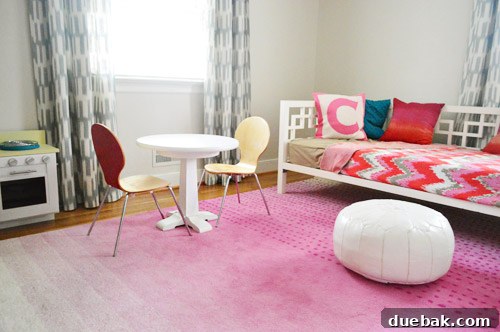
This little playroom, soon to transition into a “big girl room,” is truly starting to take shape, isn’t it? While we estimate we’re only about 35% of the way to our complete vision, the transformation so far is absolutely remarkable. Witnessing this room evolve from what was once a “Crazy Chaotic Storage Explosion” – literally a dumping ground of miscellaneous items – into a functional, inviting space where our family can comfortably gather and create memories, is incredibly rewarding. It’s a testament to the power of thoughtful design and a little bit of DIY magic. Hootie hoo!
Your Turn! Share Your DIY Painting Journeys and Insights
Now that I’ve shared my detailed experience with chalk paint and our recent furniture makeover, I’d love to hear from you! What exciting painting projects are you currently tackling? Have you ever experimented with painting just a specific section of a piece of furniture, like the top or the back, to create a unique design element? Did you rely on a steady hand to free-paint the edges, or did you meticulously tape them off for precision?
Most importantly, have you tried chalk paint yourself? Did it live up to the hype for you? Did it sweep you off your feet and change your entire perspective on furniture refinishing? Or, like me, did you find it an interesting experience but perhaps not the revolutionary product some claim it to be? Sometimes, it takes a few tries or a specific type of project for a product to truly make you swoon. Or perhaps you’re a seasoned DIYer, a “stodgy old traditionalist” like myself, who finds comfort and consistency in the classic steps of priming before painting, rather than tackling waxing after? Share your stories, tips, and honest reviews in the comments below!