
Cultivating Our Thriving Edible Backyard Garden: A Journey from Novice to Enthusiast
Last year marked the exciting beginning of our adventure into the world of backyard gardening. While calling ourselves “farmers” might be a slight exaggeration, the enthusiasm with which we embarked on planting herbs, vegetables, and fruits in a specially designated small garden space was undeniably genuine. For two individuals who hadn’t always boasted the greenest of thumbs, this endeavor felt like a lofty, yet incredibly rewarding, goal. And to our pleasant surprise, it worked! Now, as spring bursts forth in full bloom and the local farmer’s market once again opens its vibrant stalls, we’ve eagerly replenished our garden with a delightful mix of new additions and beloved old favorites.
For those interested in our initial steps, you can delve into the specifics of how we first prepped and planted our edible oasis right here. A quick tip from our first year: we strategically incorporated non-edible evergreen shrubs to provide structure and ensure our garden looked appealing year-round, even during the leaner months. And if you’re curious about the progress of that inaugural garden, we shared a comprehensive update a few months later, which you can read right here. Now, let’s dive into the current status report of this year’s evolving edible garden!
Spring Revival: Prepping Our Garden for a Bountiful Season
Admittedly, our garden space presented a somewhat forlorn sight at the dawn of this season. The remnants of overgrown, past-their-prime daffodil leaves drooped wearily at the edges of our planting bed. Adding to the slightly unkempt appearance were countless forgotten leaves from last fall, still lingering stubbornly among the evergreen shrubs. It was a clear sign that our little patch of green needed a serious refresh before it could welcome new life.
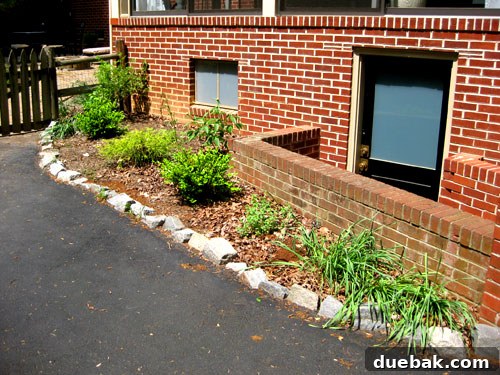
However, nothing a bit of diligent raking and precise daffodil-stem-cutting couldn’t remedy! With a little effort, the garden shed its winter dormancy, transforming from an untidy patch into a neat, welcoming canvas. Once the area was tidied and looking significantly less disheveled, we were ready for the most exciting part: strategically arranging the new herbs and vegetables we had meticulously chosen. We wasted no time heading to the farmer’s market on its very first day of opening, eagerly anticipating the return of fresh, free-range produce right in our own backyard.
Expanding Our Harvest: New Additions and Beloved Classics
This year, our selection process was a delightful blend of nostalgia and novelty. We made sure to bring back some of our undisputed favorites from last year, which performed exceptionally well. This included three robust sweet basil plants, always a culinary staple, and two distinct varieties of tomatoes. For rich, flavorful sauces, we chose two Roma tomato plants, while for quick, sweet snacks, we opted for two cherry tomato stalks of the unique Riesentraube variety. Alongside these trusted performers, we welcomed several exciting new additions: two vibrant chive plants, some refreshing mint, aromatic rosemary, a sprinkle of cilantro for fresh flavors, and a crisp Charleston bell pepper.
But the garden held a few surprises too! To our absolute delight, some plants that we thought had withered away shocked us by springing back to life. Our oregano and parsley plants, in particular, made an unexpected and welcome return this spring, saving us the effort of replanting them. Furthermore, the raspberry bush we established last year, being a perennial, was expected to return, and we’re thrilled to report it has been thriving wonderfully since the warmer weather arrived a few months ago. We’re eagerly anticipating its first fruits within the next month or so, promising a sweet bounty.
Crafting an Aesthetic and Functional Garden Space
As we previously mentioned, our garden already benefits from several established shrubs, which were integral to last year’s garden-establishing project. These evergreen elements are not only visually appealing year-round but also effectively fill out the area, preventing the smaller herbs and vegetables from looking like a scattered, random assortment. They provide crucial structure and depth to the landscape. Complementing these are the beautiful existing peony and rose bushes, both cherished inheritances with the house, flanking either side of the back row in front of a frosted window. These larger, more established plants contribute significantly to the garden’s overall aesthetic appeal and grandeur.
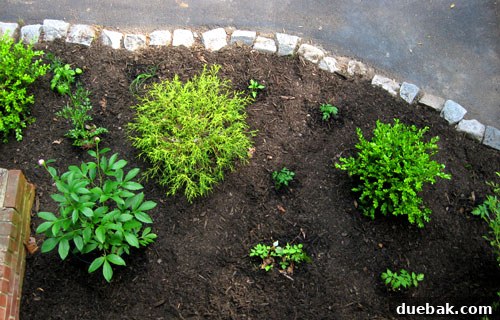
In the front row, two elegant Winter Gem Boxwoods and a feathery Cypress King’s Gold bush further enhance the garden’s structure and form. Their consistent presence ensures that our smaller, newly sprouted herbs and vegetables don’t appear insignificant or lonely within the broader garden design. Instead, they nestle harmoniously amidst the more substantial plantings, creating a balanced and visually cohesive environment.
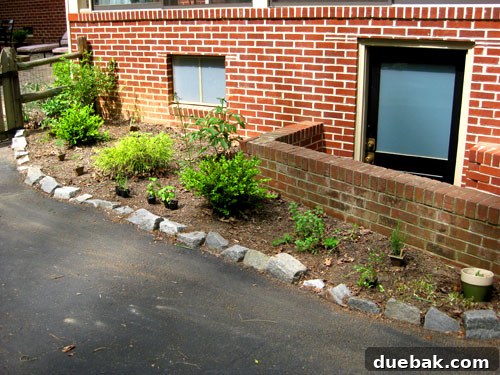
That subtle leafy growth you might discern between the peony and the rose bush in the back row, precisely in front of the frosted window, is our thriving raspberry bush, planted with care last year. We are incredibly excited for it to mature and sprout its delicious berries; it’s already on its way to becoming quite large and will soon provide a wonderful anchor for the entire back row, adding even more dimension to our garden. With these foundational shrubs firmly in place, our task was primarily to thoughtfully space out the smaller herbs and vegetables among these larger, established plants, aiming for a harmonious and balanced look.
Smart Planting Techniques for Optimal Growth
Our strategy involved positioning the smaller, low-growing herbs in the front row, where they can receive ample sunlight and be easily accessed. Plants we knew would grow significantly larger, such as our tomato varieties, were allocated spots towards the back and in areas offering more room for their expansion. Beyond these general principles, our “method to the madness” was quite simple: we grouped similar herbs together. For instance, all three of our sweet basil sprigs were planted in close proximity, as were both of our chive plants. This approach not only aids in easier maintenance but also creates visually pleasing clusters within the garden.
A crucial lesson we learned and implemented for this year’s garden, particularly regarding the mint we added, is a highly effective planting tip: always plant mint in a pot and then bury that pot directly into the ground. If you look closely at the green pot visible in the right corner of the image above, you’ll see this technique in action. Once buried, the pot is completely hidden, making the mint appear as if it’s growing directly in the soil alongside other herbs. However, mint is notoriously a vigorous spreader, capable of rapidly taking over an entire garden if left unchecked. By confining its roots within a pot, you effectively prevent it from monopolizing your precious garden space by the end of the growing season, ensuring it remains a welcome guest rather than an invasive colonizer.
Mulching, Labeling, and the Joy of a Homegrown Garden
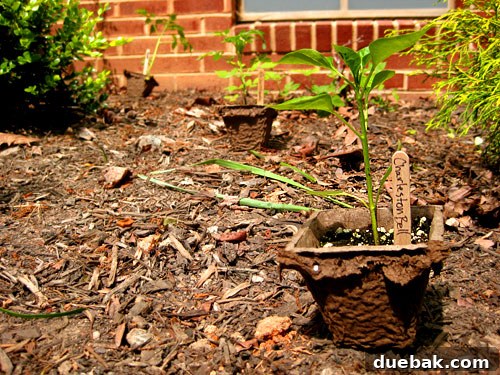
After carefully digging in the pot for our mint and planting all our other farmer’s market treasures – ensuring they received all the essential nutrients by incorporating some of our free backyard compost – it was time for the final touch: mulching. Before we knew it, a beautiful, well-organized edible garden was staring back at us, a testament to our efforts. To keep track of our diverse plantings, we even used a few charming popsicle sticks as labels. Not only is this a practical solution, but it also lends a delightful, homemade aesthetic, adding to the overall sweetness and charm of the little herbs and vegetables nestled among the larger, year-round bushes and shrubs.
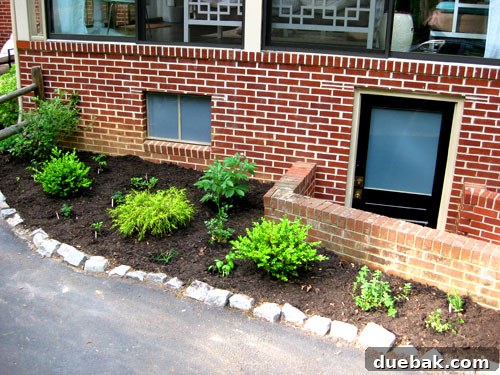
Here’s a captivating view of our garden from above, offering a fresh perspective as we peer down from our sunroom, showcasing the harmonious layout and vibrant growth:
Early Harvests and Garden Delights
Even though these photos were taken relatively recently, we’ve already enjoyed a significant amount of fresh produce. Our oregano and rosemary have been generously harvested, and we’ve relished pretty much all of the basil – thankfully, it’s a quick-growing plant, replenishing itself rapidly. The promise of fresh tomatoes has already sparked requests from friends and family members; they’re such a convenient and delightful gift to bring when visiting, and there’s an undeniable satisfaction in being able to proudly declare that you grew them yourself!
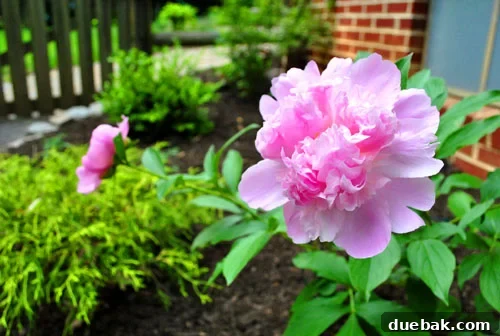
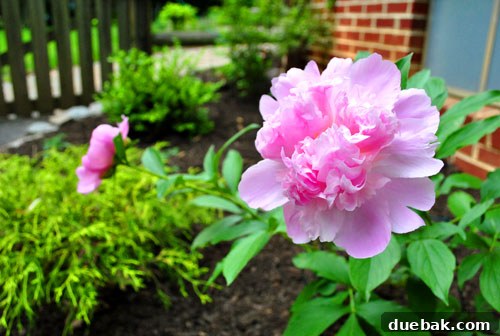
In other delightful news from our garden, almost immediately after we completed mulching everything, our lovely pink peony burst into magnificent bloom, adding a touch of stunning beauty and fragrance to our edible haven. It’s these unexpected bursts of beauty that truly round out the gardening experience.
Budget-Friendly Harvests: Debunking the “Green Thumb” Myth
We understand that budget breakdowns are always a popular topic, so let’s talk about the cost-effectiveness of our gardening habit. Last year, our initial investment was remarkably modest – less than $60. This covered the preparation of the soil, the planting of all our foundational shrubs, and the first round of herbs, vegetables, and fruits. This year, we spent an even more impressive $19. This minimal expense allowed us to replenish and substantially expand our original supply of herbs and vegetables. This cost also included two bags of mulch, essential for maintaining soil moisture and suppressing weeds.
Consider this perspective: you can easily spend around $16 at a grocery store for just a single container of basil and oregano, a small basket of raspberries, and a tiny tub of cherry tomatoes. For a mere $19, we are looking at an entire season’s worth of fresh fruits, vegetables, and herbs from our backyard! This incredible value is undoubtedly worth the approximately hour of time spent on planting and mulching. We truly cannot stress enough how little gardening experience we possessed when we decided to embark on this edible garden journey last year. Our “thumbs” were far from green, yet we’ve discovered that these plants are surprisingly resilient and easy to care for.
There’s really no mystical “green thumb” required. The main secret is consistent hydration – just try to water your plants if they appear overly dry. Beyond that, many plants are quite self-sufficient, almost on “auto-pilot.” So, if you’re contemplating starting your own edible garden but harbor doubts about your abilities, trust us: you absolutely can do it. The rewards, both culinary and personal, are immense.
Beyond the Edibles: Embracing Nature’s Beauty
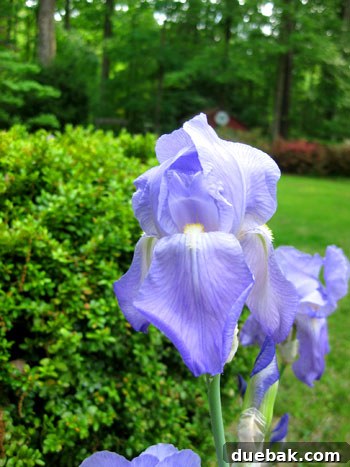
On a slightly tangential, yet equally delightful note, our backyard irises have once again burst into bloom. These magnificent plants, lovingly planted by the original homeowners nearly 50 years ago, have grown to an impressive size! While not edible, their vibrant colors and intoxicating fragrance are a joy to behold. And, to bring it back to our edible theme, they smell so wonderfully fragrant, almost good enough to eat!
Share Your Garden Stories!
And that concludes our latest garden update! We’re always eager to connect with fellow gardening enthusiasts and learn from your experiences. What wonderful plants are you cultivating these days? Are there any other edible gardeners out there who can share their insights? Do you have any favorite fruits, vegetables, or herbs that you faithfully plant each year, or perhaps some dream plants you wish you could grow in your climate (we’re perpetually envious that Meyer lemon trees can’t thrive outdoors in our zone)? For those with limited space, are there any ingenious container gardeners or windowsill gardeners among you making optimal use of every small nook? Please, tell us all about your gardening adventures – we love hearing your stories and tips!
Psst – Curious about how we sustainably water our garden for free, thanks to Mother Nature? Be sure to check out our detailed post on how we successfully built a rain barrel. And if you’re interested in enriching your soil naturally, learn how we created a super simple backyard composting bin right here. These eco-friendly practices are game-changers for any home gardener!