
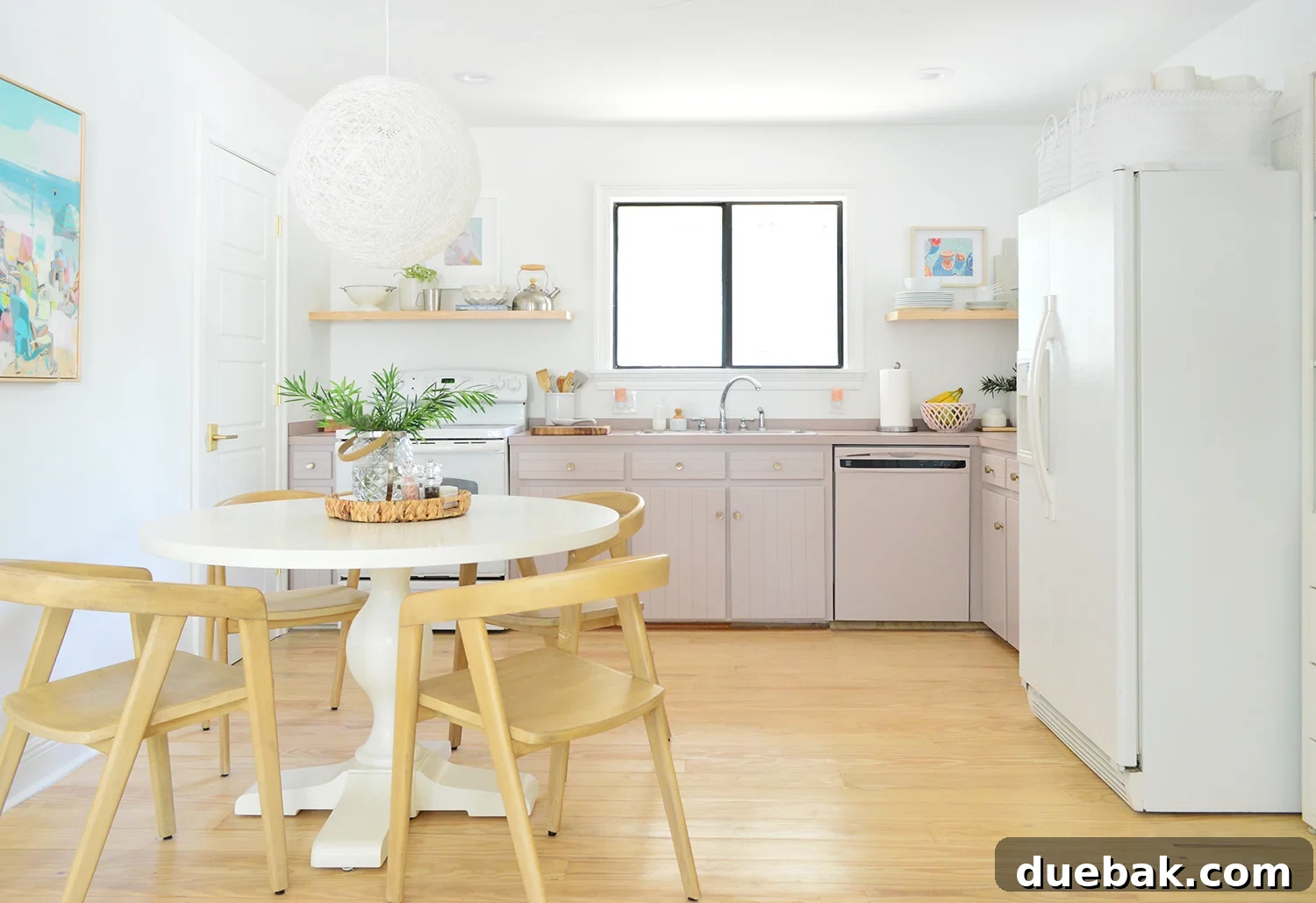
Believe it or not, we’ve lived in our new house for over six months now. Half a year. This felt like a good milestone to revisit the goals behind our move and downsizing: what’s met or exceeded expectations, and what challenges have surfaced along the way.
This is a long and detailed update because there’s a lot to cover. While many details are specific to our situation, the experience offers a useful window into the realities of downsizing you might encounter. Yes, there are money details and a chart—because numbers help tell the story.
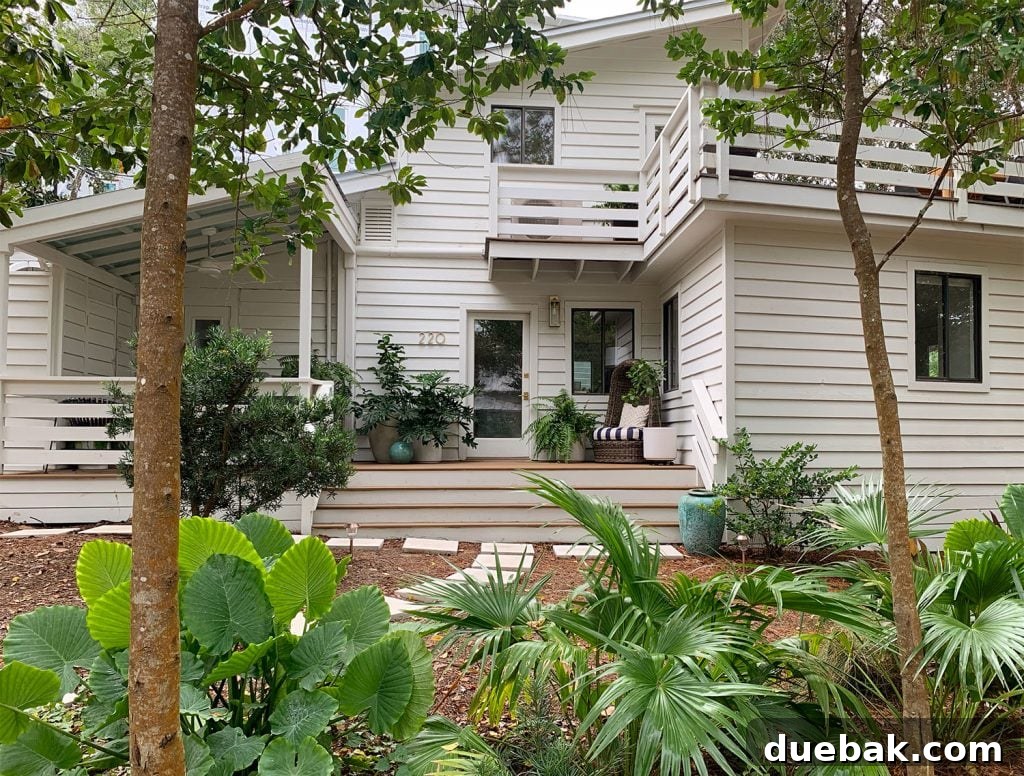
To Recap, Why Did We Move?
We explained our decision to relocate from Virginia to Florida in detail previously, but the short version is that we wanted to “live with less and be outside more.” For years we’d been working toward owning fewer things and simplifying, and the perks of downsizing—spending less on unused space, reducing time spent cleaning and maintaining rooms we seldom used, and freeing up time for life—were very appealing.
We downsized in a big way: from a 3,150 square-foot home in Richmond to a 1,400 square-foot house in Florida, and we also sold other properties we owned (a beach house and duplex rental). Essentially we went from four larger homes down to one smaller home.
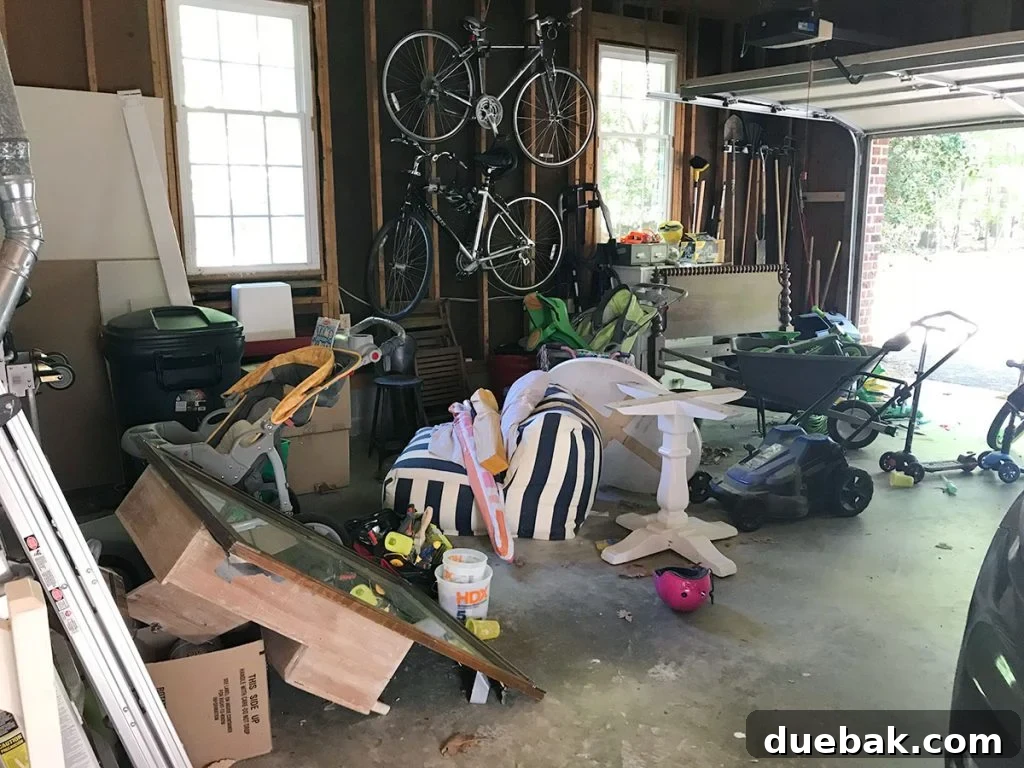
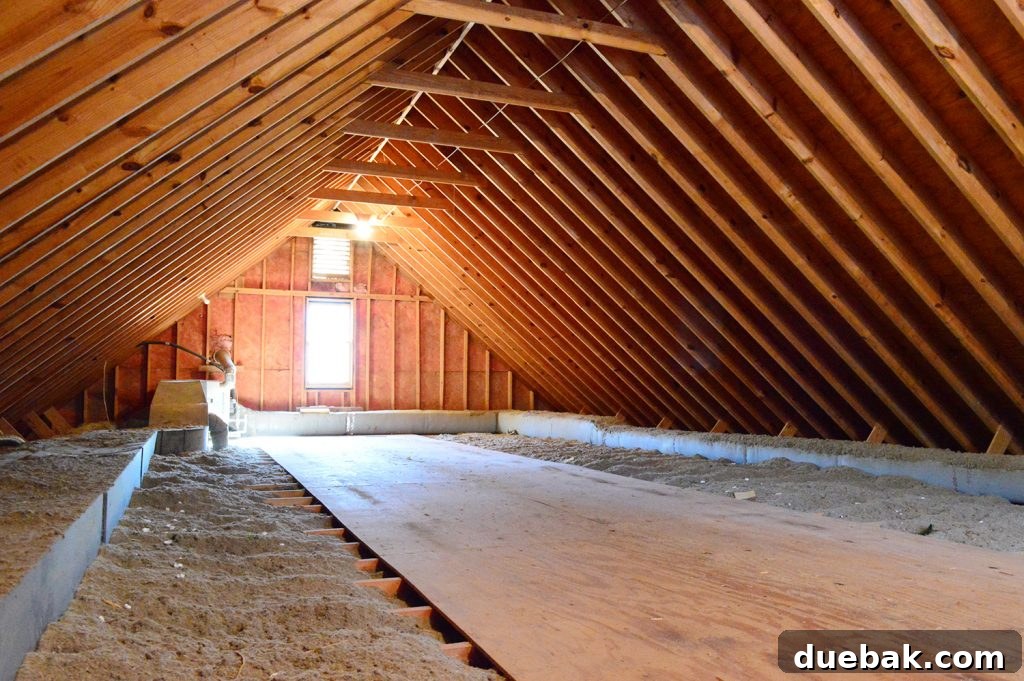
Our previous home had 14 rooms and about 10 closets; our new home has six rooms and roughly 2.5 closets due to HVAC equipment taking up space. Back then we also had an enormous walk-up attic, a large shed, and a two-car garage that were packed with items—many of which we rarely used and eventually donated during the downsizing process.

We could have downsized without moving states, but to truly “be outside more,” we wanted a warmer, beach-accessible, walkable location. Florida checked those boxes and gave our family daily access to outdoor life—something we’ve come to value immensely. Moving wasn’t easy. We did a lot of physical and mental work, particularly during the pandemic, including fitting our belongings into a single 16′ pod shipped to our new home.

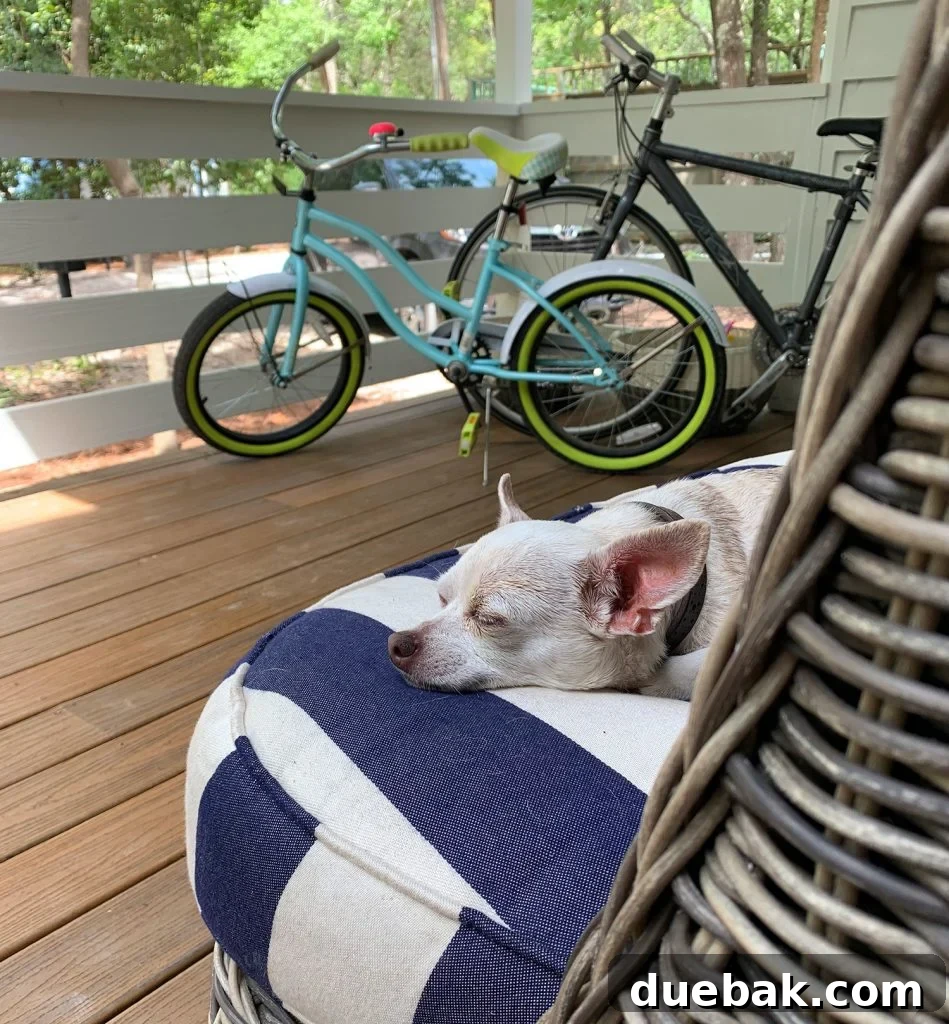
The result? We’ve checked both boxes: living with less and being outside more. The change has been overwhelmingly positive for our family. Even the dog seems happier basking in the sun and chasing lizards. It’s worth noting this satisfaction required significant effort to achieve, but the payoff has been enormous.
If you want detailed how-to resources, we’ve shared numerous posts and podcast episodes about our downsizing process, what we kept and left behind, storage strategies for smaller kitchens, and maximizing storage in a condensed home.
Having Less Space
Spending last summer in an 1,800 square-foot beach house gave us confidence for living in a smaller home full-time. The pandemic, arriving shortly after our decision to move, added uncertainty because we hadn’t planned to both work and school from a smaller space or to cook so much in our smallest kitchen yet. We also considered adding a second bathroom right away but have since delayed it because many assumed pain points didn’t materialize.
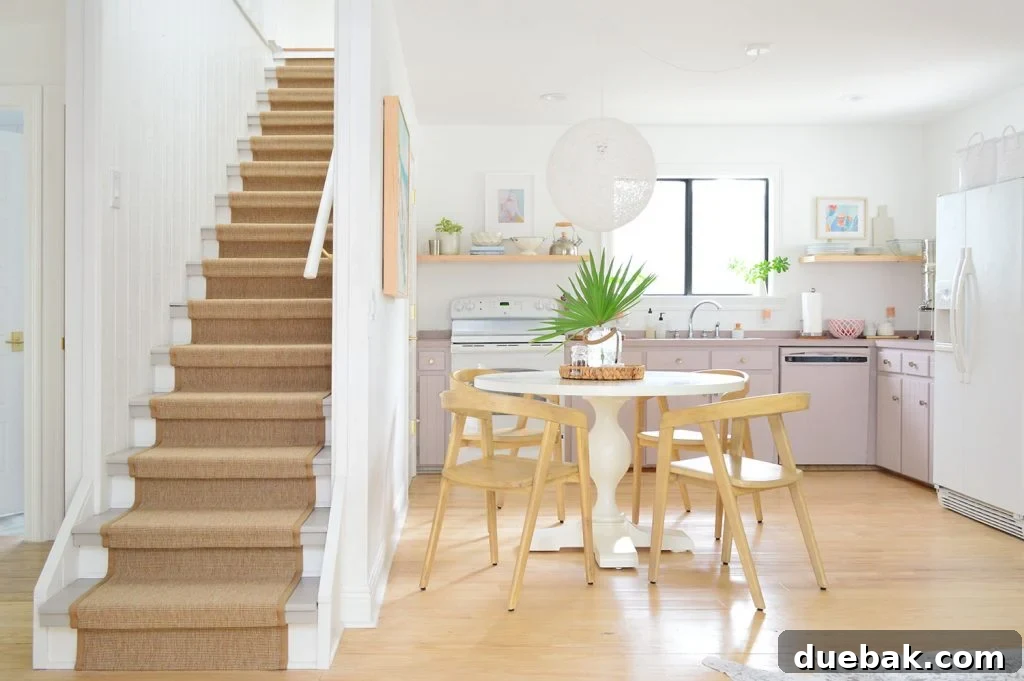
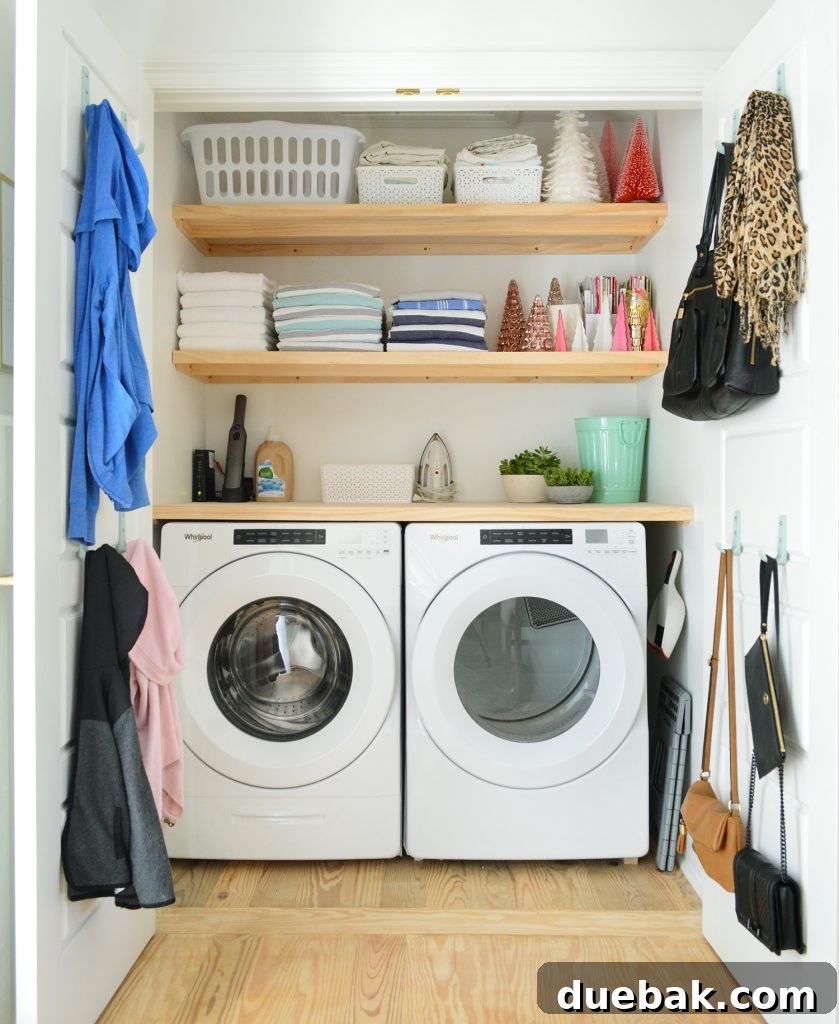
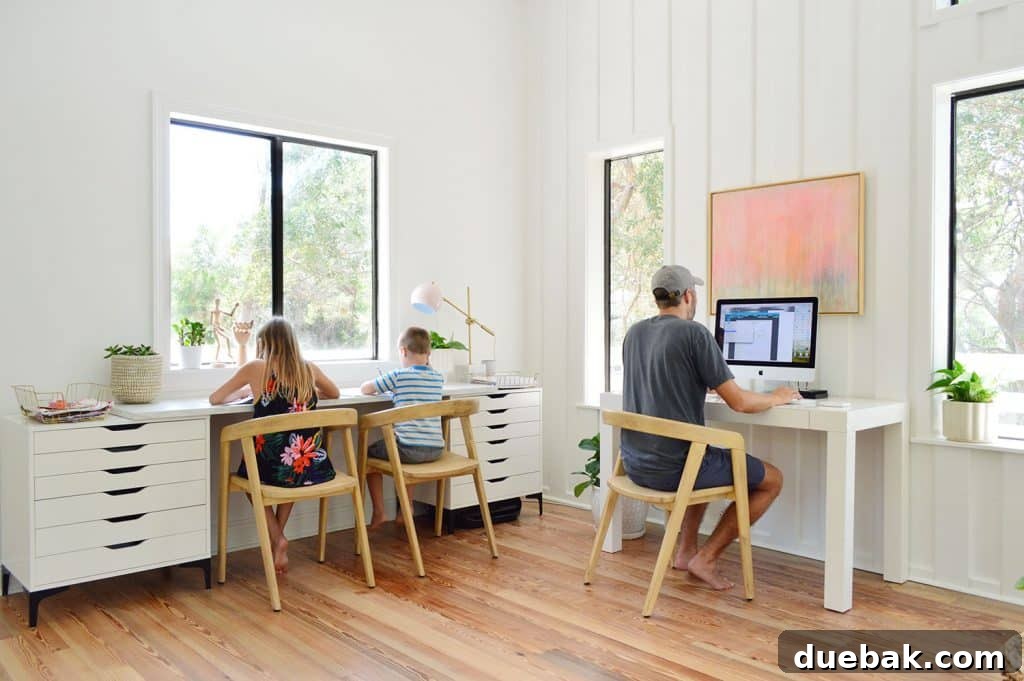
Overall, living in less square footage hasn’t felt restrictive—except for two challenges I’ll cover later. The key is that having a designated spot for a function matters more than the size of that spot. We have places to sleep, cook, do laundry (a laundry closet instead of a laundry room), work, and relax. All major functions are accounted for.
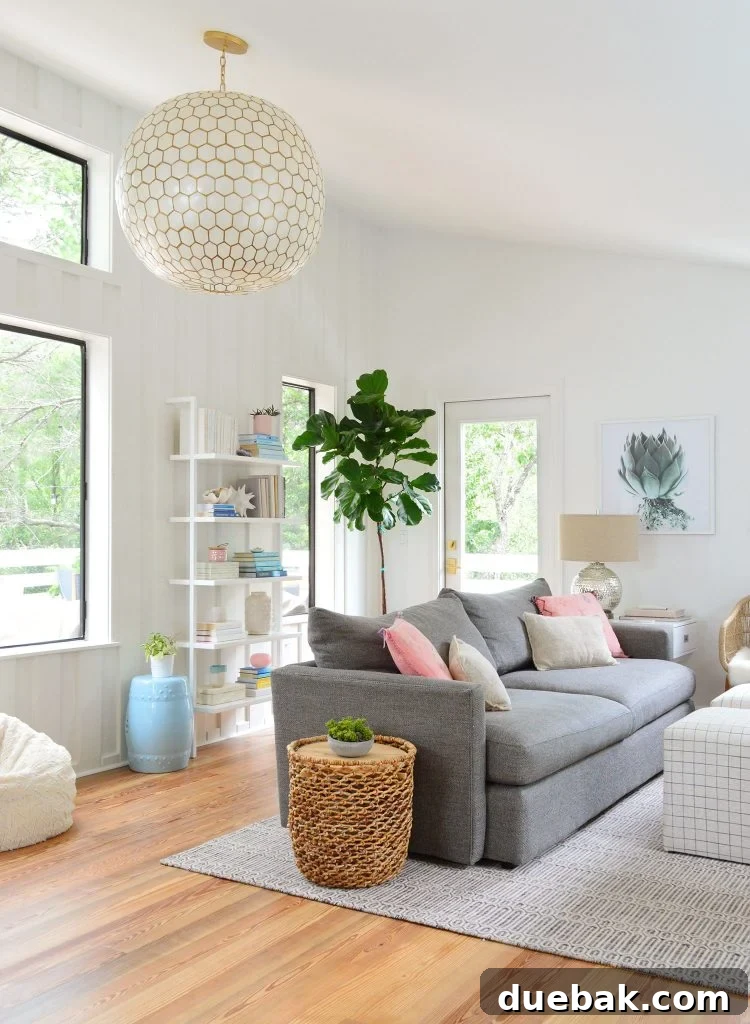
We also don’t feel crowded. The house layout helps: the family room sits on a different level from the kitchen/dining area, and the kids’ bedrooms are on the opposite end of the house from ours. Good layout can be more important than sheer square footage when everyone is at home doing different things.
Three layout tips that helped us thrive in a smaller home:
Layout Tip #1: Designate the two largest rooms as shared family spaces rather than private retreats. Our upstairs family room and the downstairs kitchen/dining/sitting area serve everyone, which is far more efficient than giving a large room to a single bedroom.
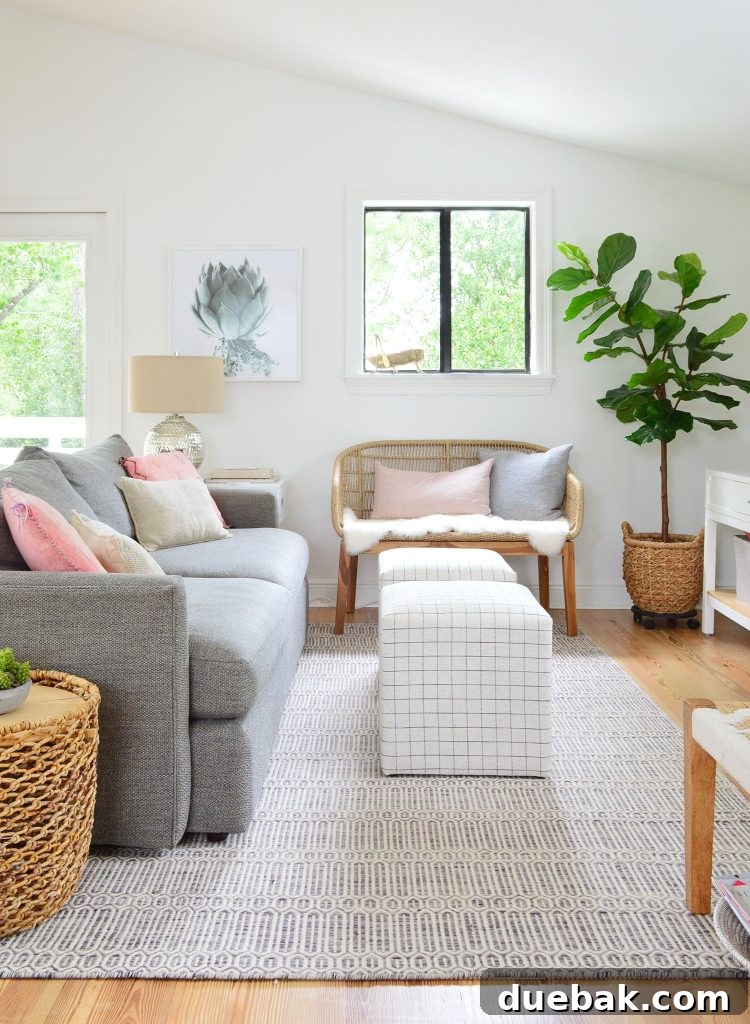
Layout Tip #2: Keep those shared spaces apart rather than conjoined. We avoided an entirely open-concept layout so sound and activity don’t carry everywhere—allowing simultaneous work, school, and play without constant disruptions.
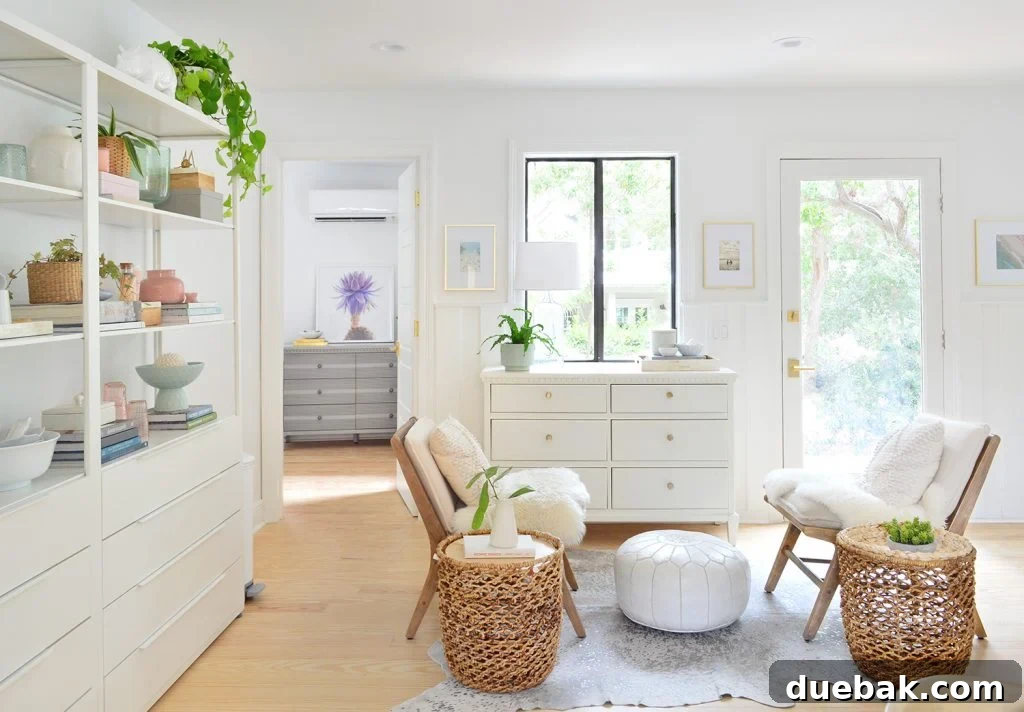
Layout Tip #3: Position parents’ and kids’ bedrooms on opposite ends of the house for privacy without isolating anyone. We’re all on the same floor, but not on top of one another, which preserves quiet when needed.
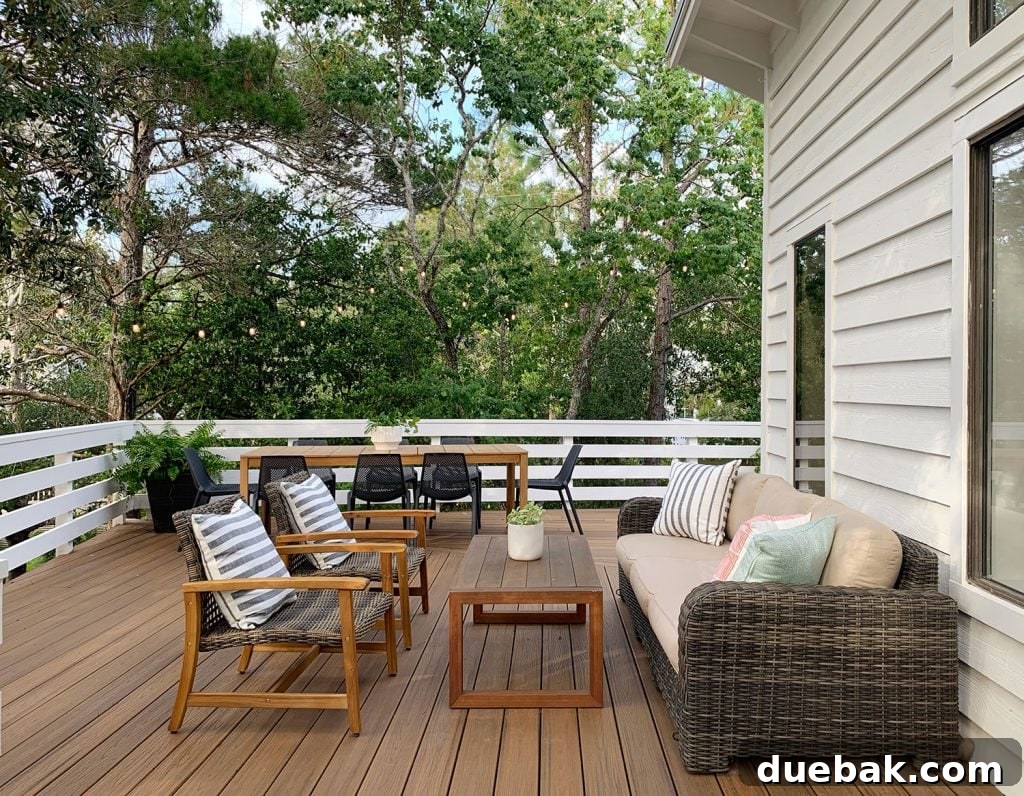
Outdoor spaces also amplify our living area. Our wide front porch and upstairs deck function as additional “rooms” where we work, relax, and entertain, extending usable square footage without adding enclosed rooms.
Spending More Time Outside
Choosing a location with warmer weather and nearby natural spaces was intentional, and it’s paid off. We’re just a few blocks from the beach and have trails and paved paths nearby that make daily outdoor time easy. The environment pulls us outside for walks, runs, paddleboarding, bike rides, and family strolls almost every day.

Those routines have led to more connections with neighbors and new friends—an especially valuable outcome during a year when outdoor interaction became particularly important for health and sanity.

Owning Less Stuff
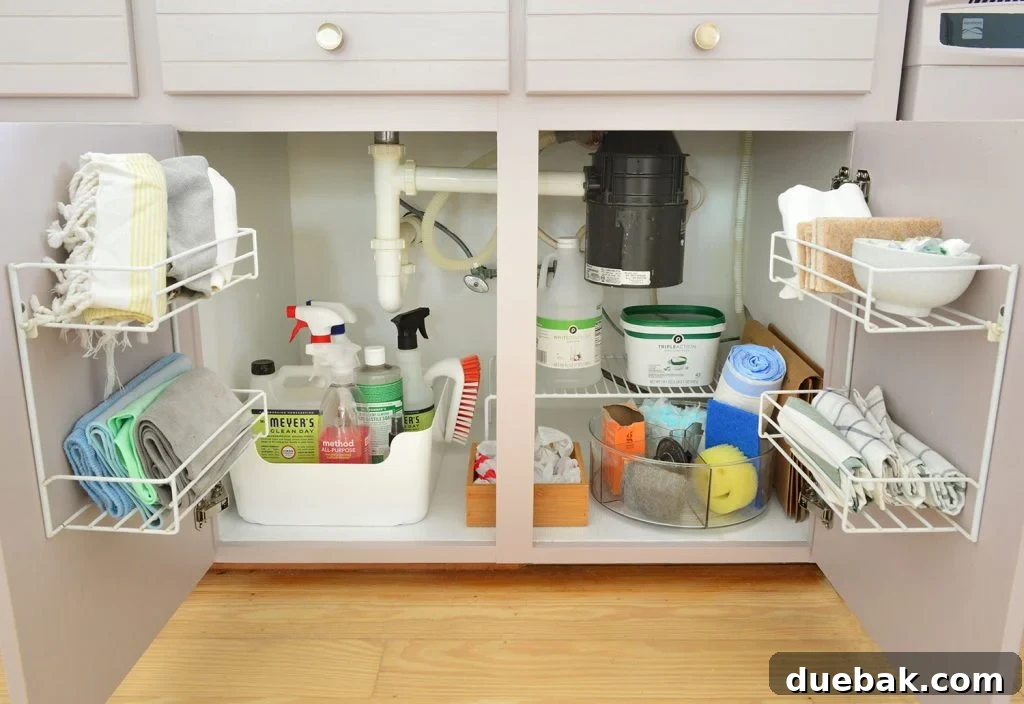
Because we packed and unpacked every item we own, we remember where things are and rarely lose items. Having fewer places to hide things also helps—cleaning supplies are consolidated under one sink, games live in one room, and everything has a more obvious home.
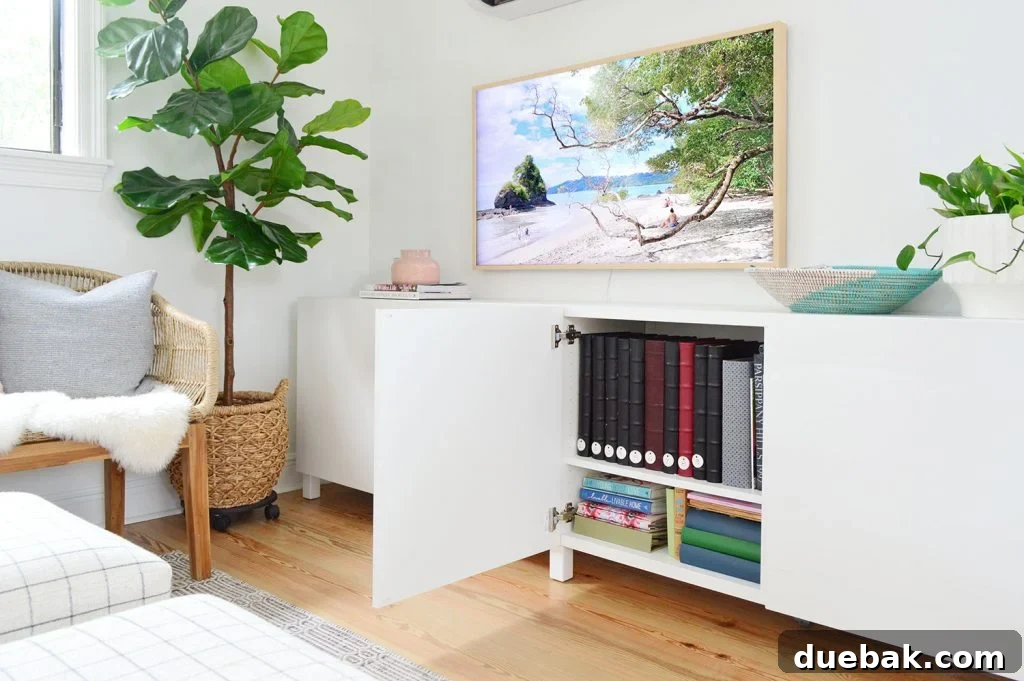
In our old house we filled every nook and cranny simply because it was available—51 kitchen cabinets versus the 12 we now have made it easy to stockpile extras. With less storage, we must be intentional about purchases and where things live, which has kept the house more organized and reduced impulse buying.
Spending Less Money
Financial reasons were a major motivator. Managing insurance, utilities, and taxes for multiple properties became expensive and exhausting. Downsizing and consolidating to one home reduced recurring costs significantly—particularly utilities, landscaping, and gas.
Utilities
Moving from roughly 7,000 square feet spread across four properties to a single 1,400 square-foot home led to dramatic utility savings. Those reductions are among the most immediate and tangible benefits we’ve seen—electric, water, and internet bills are much lower now.
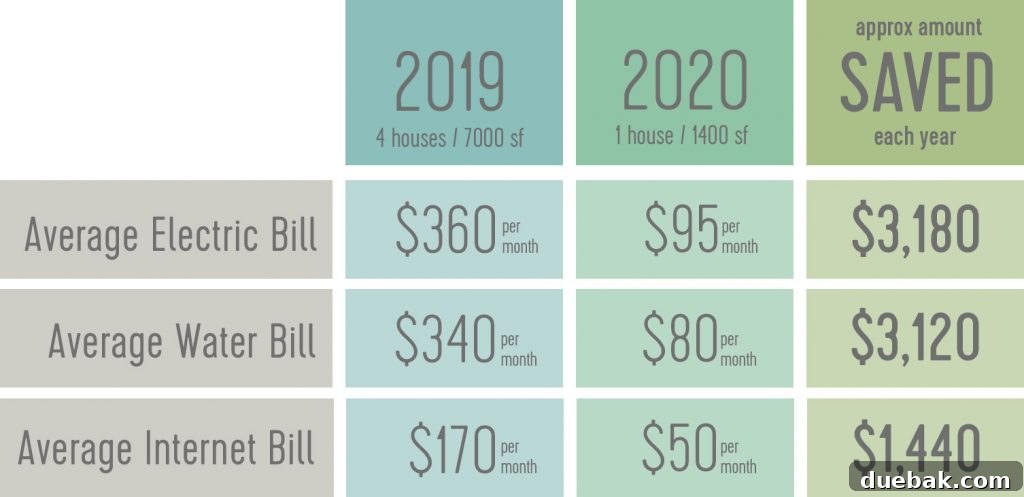
Combined, utility savings alone look to be around $7,750 per year for our situation, going from several houses to one.
Landscaping
We also eliminated significant yard maintenance costs. Our previous property had nearly an acre and required frequent mowing, seeding, mulching, and other maintenance. Across our former properties we spent about $3,750 annually on lawn care. Here, with a much smaller, primarily native and pine-needle landscape, we’ve spent almost nothing on routine lawn services.

Adding that yard-care savings to our utility savings brings the total to about $11,500 per year. Even subtracting one-time setup costs for our new landscaping, the annual savings remain substantial—roughly $10,000 annually in our case.
Gas
Our walkable location dramatically reduced driving. We no longer make frequent long trips between properties, and many errands are within walking or biking distance. In 2019 we spent over $3,250 on gas and tolls; in the past six months we’ve spent only $310. Extrapolated, that’s about $620 a year—roughly $2,600 saved annually compared to our previous driving habits.

Adding these categories together yields estimated annual savings of roughly $12,600 for our family—about $126,000 over ten years. That said, a quick money disclaimer is in order.
A Quick Money Disclaimer
Not every cost goes down when you move. Food and local property tax rates can be higher in a new area, and HOA fees or other regional expenses may differ. While our overall property tax bill dropped because we reduced total property ownership, some single-line costs (like grocery prices) increased. Downsizing usually cuts many recurring costs, but it’s not universally cheaper in every category.
So, What Are The Challenges Of Downsizing?
There are a couple of ongoing challenges worth mentioning. They’re manageable and not deal-breakers, but they require awareness and daily habits to prevent clutter or storage issues from creeping back in.
#1. Bulk Storage Space Is Nonexistent
One trade-off of living with exactly the space you use is losing the convenience of bulk storage zones. We no longer have a large garage, an expansive attic, or a big shed to stash things for later. That means we need to decide quickly about items: donate, sell, repurpose, or integrate them into daily life. The lack of an easy “dump zone” forces discipline and makes us think twice before bringing more into the house.
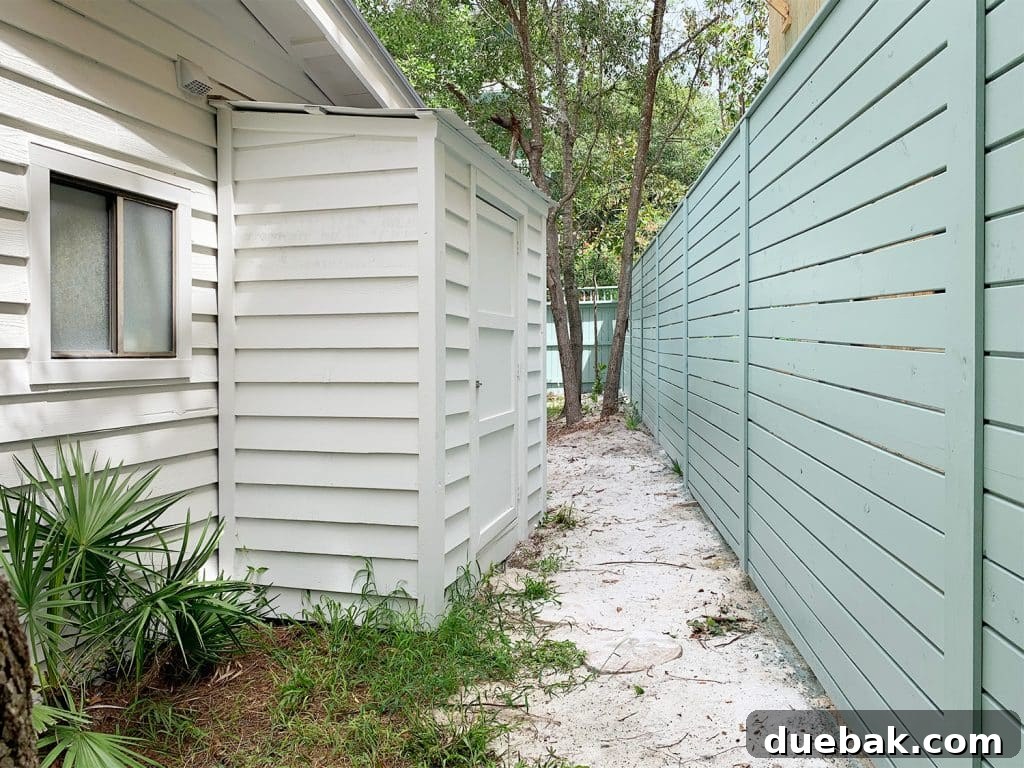
We do have a small shed for tools and leftover materials, but anything that won’t fit has to be processed quickly. That can be inconvenient after a long project, but it’s also kept us honest about purchases and storage. It’s forced us to be thoughtful instead of collecting items with vague plans to “fix up later.”
#2 – It’s Constant Upkeep
Downsizing is not a one-time event. It requires ongoing attention and “immediate processing”: new things need a home the moment they enter the house. There’s no out-of-sight pile to deal with later. That daily maintenance is small—minutes each day—but essential for preventing clutter from accumulating.
On the upside, this habit reduces impulse purchases and waste, keeps the home functional, and can save money. Instead of letting donation piles accumulate indoors, we load them into the car and drop them off during errands, so items don’t linger at home.
We’re also planning to add a small detached guest studio in the backyard that will double as a quieter workspace and provide additional storage. That should help when we tackle larger projects or need temporary staging space.
In summary, downsizing has been an overwhelmingly positive change. We use and appreciate every square foot. A year ago I would have thought 1,400 square feet and one bathroom was too small for us, but after six months of living here—during one of the strangest years any of us have seen—it feels just about perfect.