
The energy surrounding our showhouse office plans has undeniably influenced our own workspace, igniting a fresh wave of enthusiasm for a much-needed transformation. Our current home office, to be frank, has been feeling quite neglected lately. Having generously loaned its armchair and an Expedit storage unit to the nursery, it now presents a rather sparse and uninspiring picture. The lingering “Merry Christmas” message on our chalkboard, months past the holiday season, only adds to its forlorn state. It’s safe to say this room is currently a far cry from a productive, organized hub.
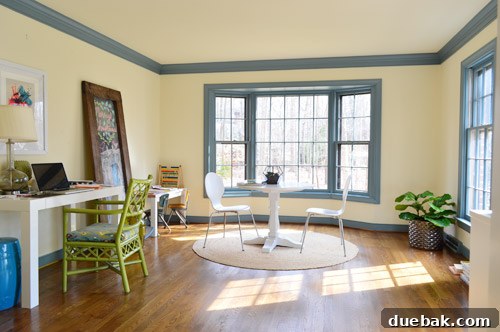
Our excitement for revitalizing this space stems from its inherent potential. It’s one of the most promising rooms in the house, boasting generous dimensions and an abundance of natural light. With the imminent arrival of our baby – just six short weeks away – we feel a powerful urge to consolidate and streamline our business operations. This strategic move aims to prevent work from spilling over into precious family time, helping us establish boundaries like the “no more laptops on the dining table” rule. Currently, our work life is anything but contained; my entire accounting setup, for example, resides in a kitchen cabinet, a clear indicator of our office’s dire lack of proper storage (though it doesn’t lack outdated holiday cheer!). A well-designed office isn’t just about aesthetics; it’s about creating a harmonious balance between our professional and personal lives, ensuring that our home remains a sanctuary first and foremost, even as it accommodates our entrepreneurial endeavors.
For this particular room, we’re making a conscious decision to bypass the initial “Phase 1” updates and jump straight into “Phase 2” of our renovation strategy. This approach, which we’ve also adopted in the sunroom, is ideal for spaces that don’t demand the extensive planning, significant savings, or considerable splurges typically associated with major overhauls like kitchen or bathroom remodels. There are no pricey appliances, new countertops, or elaborate tiling projects here. We’re confident that we can achieve a functional and aesthetically pleasing space that will serve us effectively for the long term, without the protracted “percolation time” often required for more complex projects (our minds, for instance, are still evolving daily on kitchen and bathroom designs). This streamlined approach allows us to make quicker, impactful changes, creating an efficient and inspiring workspace much sooner. For those interested in our renovation philosophy, we delve deeper into the how, why, and when of our Phase 1 updates here.
Beyond mere functionality, we genuinely believe this office possesses immense potential to be truly beautiful. Its generous supply of natural light, courtesy of being one of the brightest rooms in our house, coupled with its charming bay window at the back, provides a fantastic canvas. We envision a space that not only enhances our productivity but also uplifts our spirits, making work feel less like a chore and more like an extension of our creative process. The natural light is a key asset, perfect for everything from focused work to product photography, ensuring the room feels open, airy, and inviting throughout the day. Harnessing these inherent qualities will be central to our design process, transforming a currently neglected room into a vibrant and integral part of our home.
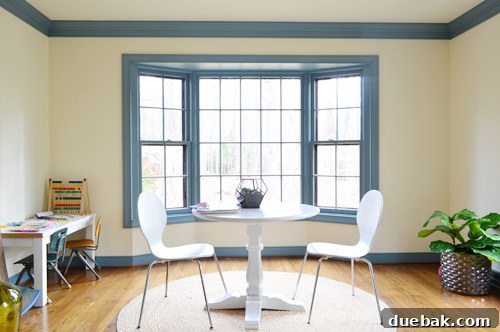
The bay window is undoubtedly a highlight of the room, and we intend for it to remain a central focal point due to its elegant, centered position. Initially, the idea of incorporating a built-in bench seat here was appealing, but after careful consideration, we’ve officially decided against it. Our reasoning is multi-faceted:
- Firstly, we don’t perceive a bench seat as being particularly functional for a dedicated office environment, where seating needs are typically more task-oriented.
- Secondly, the window itself is quite shallow, meaning any bench built would be uncomfortably narrow, detracting from its practicality.
- Lastly, a bench might obstruct our preferred spot for the Christmas tree – yes, that’s my third mention of Christmas, a testament to how long this room has been in its current state! While we could certainly find an alternative spot for the tree, this factor, combined with the others, solidified our decision against the bench.
Ultimately, preserving the bay window’s aesthetic appeal while maximizing the room’s utility takes precedence. We aim for a design that celebrates this architectural feature without compromising the core functionality of a modern home office. This careful evaluation of practical needs against aesthetic desires is a crucial step in creating a truly optimized workspace, ensuring every element serves a clear purpose and contributes to the overall effectiveness and beauty of the room.

However, what the room graciously offers with its beautiful bay window, it subtly retracts elsewhere, presenting us with a few design challenges to navigate. One such hurdle is the less-than-centered doorway located on the opposite side of the room. Achieving perfect symmetry in every aspect of home design is often an elusive goal, and this doorway serves as a gentle reminder of that reality. Instead of fighting it, our strategy is to work with these imperfections, integrating them into a cohesive design that feels balanced and natural, rather than forced. Embracing these unique architectural quirks can often lead to more interesting and personalized solutions, transforming potential drawbacks into distinctive features. It forces us to think creatively about furniture placement and visual balance, ensuring the room still feels harmonious despite its inherent asymmetry.
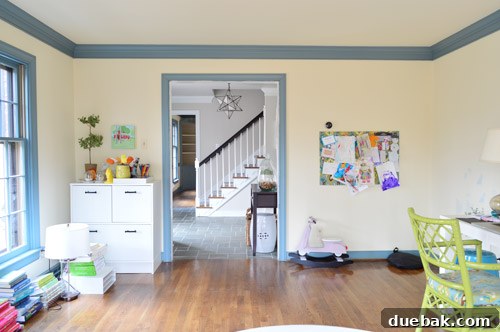
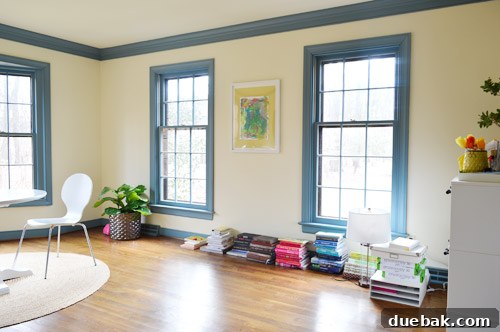
The front window wall, while a fantastic source of additional natural light, also presents its own set of constraints regarding furniture placement. The windows are positioned quite low to the floor, making it challenging to place substantial furniture pieces along this wall without significantly blocking the light. Furthermore, such placement could create an awkward and undesirable view from the street, compromising both the interior aesthetic and the home’s curb appeal. We need to be mindful of how furniture interacts with these lower windows, striving for solutions that maintain an open, airy feel while still allowing for necessary storage or seating. This means exploring options like low-profile bookcases, narrow console tables, or even leaving this wall relatively clear to maximize light penetration, ensuring the room remains bathed in natural radiance. The goal is to maximize the benefits of these windows without creating visual clutter or hindering the flow of light, thereby preserving the room’s bright and inviting atmosphere. Thoughtful planning here is essential to strike the right balance between functionality and aesthetic harmony.
With these inherent challenges firmly in mind, Sherry and I dedicated time to brainstorm a comprehensive list of priorities for our redesigned home office. Some of these needs are carry-overs from our previous workspace, while others are newly identified, inspired by the larger, more light-filled potential of this particular room. This detailed list forms the bedrock of our design strategy, ensuring that every decision contributes to a highly functional, organized, and inspiring environment tailored to our specific working needs:
- Two Dedicated Desks: This is a fundamental requirement. Sherry often finds herself working at the kitchen table (you can read more about her work setup here), but we are eager to create a dedicated, expansive workspace within the office where she can truly spread out. My own small parson’s table, while functional, would greatly benefit from increased surface area and additional drawers. There’s significant room for improvement here to enhance both our individual productivity and comfort.
- Enhanced Storage Solutions: While we don’t accumulate an excessive amount of paperwork, we definitely need to expand our file storage capabilities. The primary goal is to consolidate various documents currently scattered throughout the house – think tax records, important side gig paperwork, and other miscellaneous items – into a centralized, organized system within the office. This will dramatically reduce clutter in other living areas and make essential documents easily accessible.
- A Versatile Meeting / Craft Table: Although we don’t host meetings frequently, recent collaborations, particularly those related to the showhouse, have highlighted the need for a dedicated space beyond our kitchen or dining room. This versatile table would serve a dual purpose: a professional area for discussions and a spacious surface for completing or photographing smaller creative projects. The room’s abundant natural light makes it an ideal spot for photography, ensuring high-quality visuals for our content.
- Centralized Visual Organization: We envision a prominent wall dedicated to a large whiteboard, pinboard, or magnet board. This central display will serve as a shared hub for our to-do lists, calendars, future project ideas, and other critical information, ensuring both of us are consistently aligned and aware of ongoing tasks and upcoming deadlines. Currently, our organizational systems are largely individual, relying on personal phones and notebooks, so a communal visual aid is essential for seamless collaboration. We’re actively brainstorming various aesthetic and functional options for this crucial element.
- The Importance of Office Doors: Installing proper doors, ideally elegant French doors, is high on our priority list. This is partly due to the room’s architectural suitability for such a feature, but more importantly, for the added soundproofing it would provide. This is especially vital during conference calls or periods when one of us requires intense focus and concentration, minimizing distractions and enhancing privacy within the workspace.
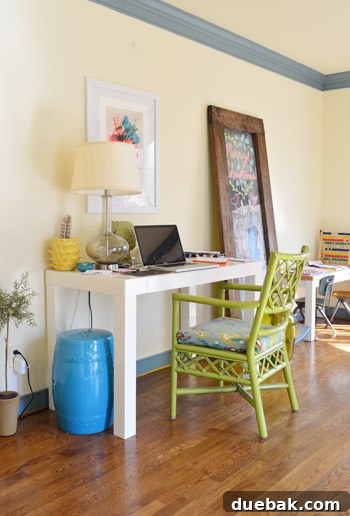
- Creating a Flexible Kid-Friendly Zone: We’ve genuinely appreciated having Clara’s drawing desk in the office, offering us the option to “work” alongside her during less demanding moments of the day. Our aim is to design a flexible, adaptable area that caters to smaller children initially but can effortlessly transition to accommodate older kids as they grow. This ensures the space remains relevant and useful for many years, avoiding the need for another complete overhaul in just a few years.
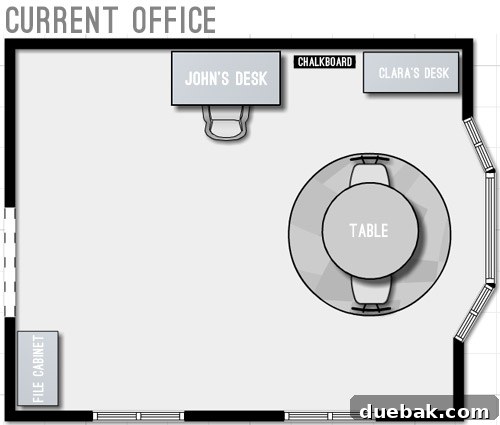
With these comprehensive priorities firmly established, we embarked on the crucial phase of floor planning. I experimented with a few new room planning applications, which I’ll delve into in a future post, to visualize our options. Here’s a rough representation of our current furniture arrangement – a layout that, as you can see, is quite frankly, rather disheartening.
Our initial approach to floor planning involved simply expanding upon our existing layout, aiming to incorporate our desired features and scale everything appropriately for the room’s dimensions. We’ve always liked the idea of having a table centered within the bay window, so one thought was to simply upgrade to a larger table and add some elegant curtains. This would create a pleasing focal point. Alongside this, we considered wrapping an L-shaped desk around the corner. This configuration would not only provide much-needed built-in desk storage, reminiscent of our previous office setup, but also create ample space for both of us to work comfortably side-by-side. This seemed like a natural evolution, building on what we already knew worked, while addressing the need for more space and integrated storage. However, as we visualized this, certain limitations began to emerge, prompting us to explore further alternatives for truly optimizing the space for our evolving needs.
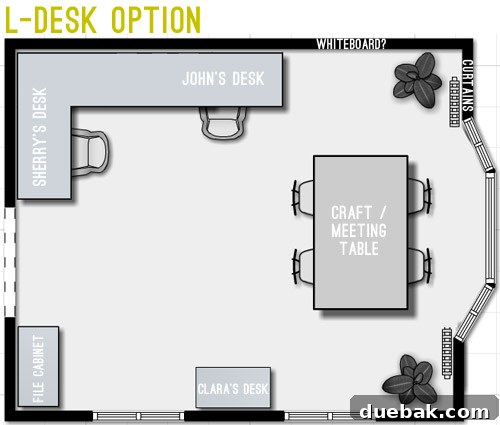
However, we weren’t entirely thrilled with the corner-desk configuration in that particular option; it felt somewhat cramped and restrictive. Given that this is where we would likely spend the majority of our working hours, it seemed counterintuitive not to grant it greater prominence within the room. Furthermore, we wanted to fully capitalize on the abundance of windows, ensuring that at least one desk offered a direct view outside, connecting us to the natural environment. The idea of being tucked into a corner, unable to fully appreciate the room’s natural light and exterior views, felt like a missed opportunity. This realization prompted us to reconsider our strategy, pushing us to explore alternative layouts that would prioritize comfort, expansive views, and a more open, inviting feel for our primary workspaces. The desire for a more integrated and visually connected desk area became a key driving force in our subsequent design explorations, aiming to truly make the most of the office’s best features.
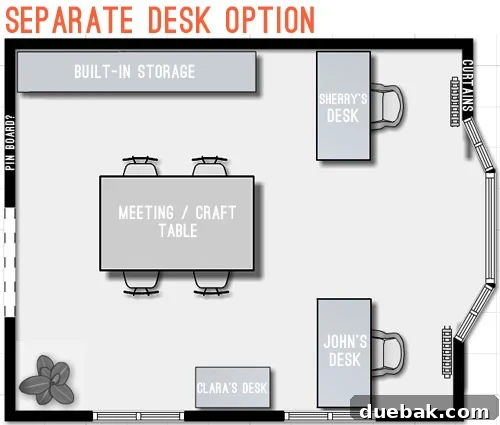
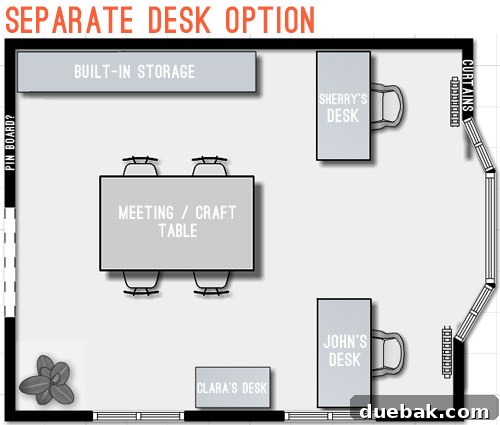
Driven by a desire to truly make the desks the “stars” of the room, we then explored a more radical approach, attempting to position them symmetrically with the bay window. The most logical iteration of this concept involved two separate desks flanking either side of the window, creating a balanced visual effect. However, even this attempt proved to be less than ideal. One desk would have been positioned directly in front of a window that was too low, meaning a significant portion of the desk would be visible from the street – a detail we wished to avoid for both aesthetic and privacy reasons. Moreover, this layout would have necessitated constantly weaving around the large central meeting table every time we needed to access our respective workspaces, creating an inconvenient and inefficient traffic flow. This experiment, while visually appealing in theory, highlighted the critical importance of marrying aesthetics with practical daily use, reminding us that a beautiful layout must also be highly functional and intuitive for long-term productivity and comfort.
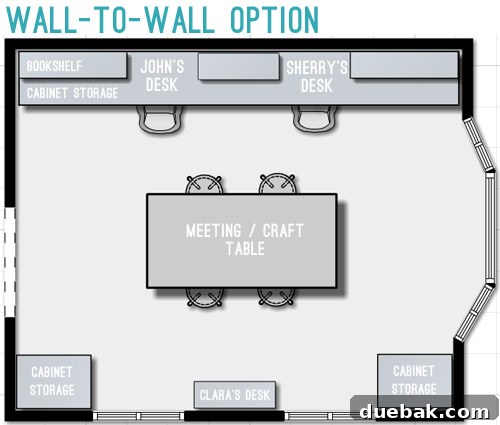
Our next step was to mock up a design that, surprisingly, brought us back to our original concept for this space. This layout proposes incorporating office storage along the entire back wall, with dedicated desk areas seamlessly integrated into these custom built-ins. This idea was initially set aside because we worried it would disrupt the beloved symmetry of the bay window – a feature we particularly admired about the room. However, as we experimented further with the floor plan, we had a breakthrough: we realized that by strategically placing a complementary piece of furniture or storage in the bottom right corner of the room, we could effectively maintain the overall sense of symmetry, ensuring the bay window still felt perfectly centered and celebrated. Our inspiration picture for this concept, featuring a friendly-looking feline, truly captured the essence of an integrated, organized, and inviting workspace. An added benefit of this plan is that it leaves the middle of the room wonderfully open for a large, versatile table. This table could easily be rearranged as needed, or even completely removed if we required an entirely open floor plan for a specific project or activity. Furthermore, if we ever felt too “wall-locked” at our integrated desks, we’d have the flexibility to move our laptops to the meeting/craft table, where we could enjoy a refreshing view out the window. This isn’t a huge adjustment for Sherry, who already frequently unplugs and works at the kitchen table, so the adaptability of this layout is a major plus. This refined concept not only addresses our storage and desk needs but also champions flexibility and preserves the room’s most cherished architectural feature, making it the front-runner for our home office transformation.
As we continue to let this promising concept simmer, we’ve received a few insightful questions from our readers, which we’re happy to address. Update: Regarding where the “Barnacle” (our affectionate nickname for the new baby) will fit into this kid-friendly zone, Clara’s existing desk is thoughtfully designed with two chairs and is long enough to comfortably accommodate two children. We’ve even managed to have four kids around it when it’s pulled away from the wall. So rest assured, it will easily accommodate both our “bun” and our “bean” as they grow and play.
Update #2: We’ve also had questions concerning potential window glare from working along the back wall. John has actually been working in that very spot for the past nine months without any issues. While the sun does stream into the room, the office is sufficiently wide enough that the sunlight hits the floor approximately five feet from his chair, well below screen level. This prevents any direct glare on monitors or work surfaces, ensuring a comfortable and well-lit working environment throughout the day.
These clarifications further solidify our confidence in the chosen layout. We’re fairly certain we’ll be moving forward in the direction of this last design, as it feels like the most logical and effective solution for our specific working style and evolving family needs. However, initiating this exciting “start heading” phase involves a considerable amount of work, beginning with painting a substantial amount of blue trim – sixty-six window mullions, to be exact. And, as these things often go, it requires four coats of paint, which translates into a truly significant painting project. But with the vision of our dream home office in sight, every brushstroke will be a step closer to a more organized, productive, and beautiful workspace.
Now, we turn the question to you, our readers: What’s at the top of your priority list when it comes to designing or improving your home office? Do you have a compact desk cleverly tucked into the corner of your den, much like we did in our very first house? Or perhaps you’ve carved out a functional little work area in your kitchen, complete with a laptop hookup for quick tasks? Is the luxury of a dedicated home office something you enjoy, or do you, like some, incorporate work essentials into your bedroom? Growing up, Sherry’s dad had his computer and all his paperwork in their bedroom, a setup that seems less common today. Share your home office stories and insights – we’d love to hear how you create a productive and inspiring workspace in your own homes!