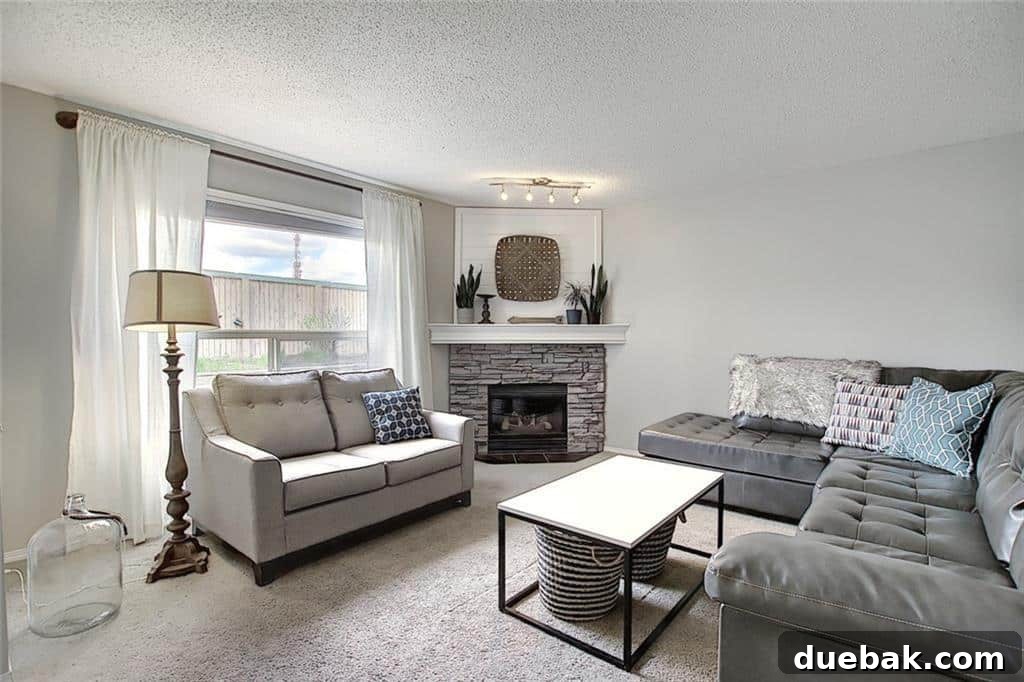
Is your stone fireplace looking tired and outdated? Does its original color no longer complement your home’s aesthetic? You’re not alone! Many homeowners dream of a fresh fireplace look but are deterred by the thought of costly and messy renovations. The good news? A dramatic transformation is possible on a budget, without any major construction. Join me as I guide you through the process of updating a stone fireplace using a simple yet incredibly effective technique: whitewashing. You’ll learn how to breathe new life into your hearth, making it a focal point you’ll love, and even tackle that often-challenging corner fireplace space.
Transform Your Stone Fireplace: A Budget-Friendly Whitewash & Shiplap DIY
Stone fireplaces have long been cherished for their ability to infuse a space with natural charm, warmth, and a unique visual texture. They serve as a timeless design element, grounding a room and providing a cozy gathering point. However, over time, the natural stone’s original color or style can begin to feel dated, clashing with evolving interior design trends, or simply no longer reflecting your personal taste. When your beautiful stone fireplace starts to make your living space feel less updated and more stuck in the past, it’s natural to wonder what your options are. Full-scale demolition and replacement can be incredibly expensive and disruptive, but thankfully, there are creative and affordable ways to refresh its look.
Whitewash Stone vs. Painting Stone: Choosing Your Fireplace Makeover Approach
When considering a color update for natural stone, the debate often comes down to two primary methods: solid paint or a whitewash. This is a topic that often evokes strong opinions among DIY enthusiasts and design professionals alike. Many fear that painting stone irrevocably covers its natural beauty and texture, while others embrace the complete color change it offers. If you find yourself in this dilemma, hesitant to commit to a fully opaque paint job, whitewashing presents an ideal compromise. It allows you to significantly lighten and modernize your stone without losing its inherent character.
Whitewashing stone involves mixing paint with water to create a semi-transparent, diluted solution. This “wash” is then applied over the stone, allowing much of the original texture, variation, and even some of the underlying color to show through. The result is a softer, often more rustic or farmhouse-inspired aesthetic that maintains the depth and natural feel of the stone. With a whitewash in shades like white, light grey, or cream, you can effectively update the color of your fireplace surround while preserving the beautiful, tactile qualities that make stone so appealing. It’s a fantastic way to brighten a room, make a dark fireplace feel lighter, and align its look with contemporary design preferences.
Solid paint, on the other hand, provides complete coverage, transforming the stone’s color entirely. This option is perfect if you want a bold, dramatic change, or if the original stone is deeply flawed or a color you absolutely despise. While it offers a sleek, uniform finish, it does obscure the natural texture of the stone, giving it a more painted, less organic feel. The key advantage of whitewashing is its forgiving nature and the ability to build up layers for desired opacity, making it an excellent choice for first-time DIYers or those seeking a less permanent solution.
My Fireplace’s Transformation: Saying Goodbye to Pink Stone
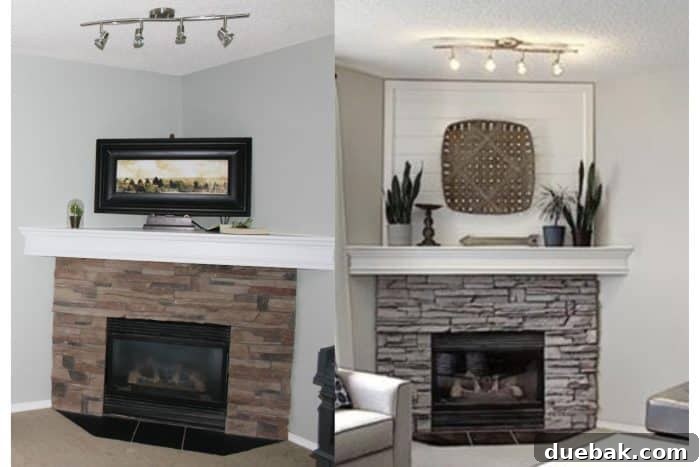
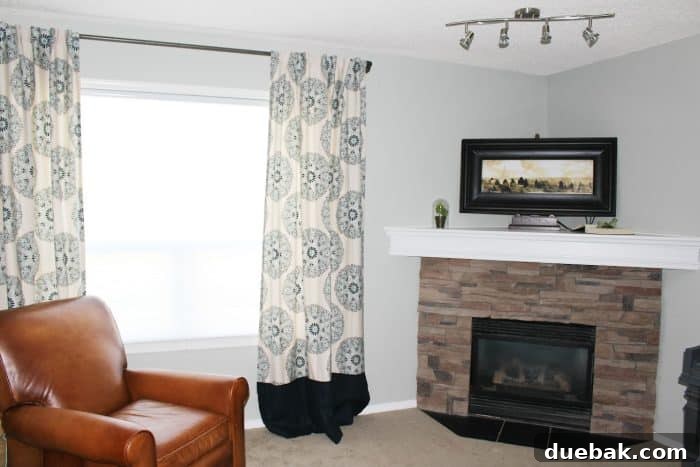
Let me tell you about my own fireplace journey. When I first encountered it, my corner fireplace was, to put it mildly, a “builder’s basic” special, and undeniably very pink. This specific shade of pink, combined with the stone’s inherent variations, made the fireplace feel incredibly dated and out of sync with the rest of our home. Moreover, the room already featured numerous painted surfaces, making me eager to retain some natural texture and character if at all possible. The thought of painting the stone a solid color felt like a drastic step, potentially stripping away its unique charm. For weeks, I debated the merits of a full paint job versus a delicate whitewash. Ultimately, I decided to start with the less invasive option: whitewashing. My reasoning was simple: it’s far easier to go from a whitewash to a solid paint than the other way around. If the whitewash didn’t achieve the desired effect, a full paint job remained a viable next step.
Essential Supplies for Your Whitewashing Project
Before diving into the actual whitewashing process, gathering the right tools and materials is paramount. High-quality supplies will not only make the job easier but also contribute to a more professional and lasting finish. Here’s what you’ll need to transform your stone fireplace:
- Bristle brush: A stiff-bristled scrub brush is essential for thoroughly cleaning the stone and grout before painting. Look for one with durable bristles that can get into all the nooks and crannies.
- Painter’s tape: High-quality painter’s tape is crucial for protecting adjacent surfaces like walls, the mantel, and the fireplace insert from accidental paint splatters. Choose a tape that offers clean lines and easy removal.
- Paint: For this project, I opted for Fusion Mineral Paint in “Casement”. Mineral paints or chalk paints are often excellent choices for stone due to their superior adhesion and matte finish. However, a good quality latex paint mixed with water can also work. “Casement” is a beautiful, clean off-white that offers a soft, inviting look.
- Paint brush: A good quality synthetic or natural bristle paintbrush (2-3 inches wide is usually ideal) will give you control and allow for even application.
- Rag or sponge: Keep a clean, damp rag or sponge handy for wiping away excess paint, blending, or correcting mistakes as you go.
- Mixing container: An old plastic container or bucket for mixing your paint and water solution.
- Drop cloths or old sheets: To protect your floors and furniture from any drips or spills.
- Cleaning supplies: Soapy water, a spray bottle with a vinegar/water solution (optional, for stubborn grime), and gloves.
Step-by-Step Guide: How to Whitewash Your Stone Fireplace
Whitewashing a stone fireplace is a rewarding DIY project that can be completed in a weekend. Follow these steps carefully to achieve a beautiful, updated look:
- Thoroughly Deep Clean the Stone: This is arguably the most crucial step. Use a hard bristle brush and soapy water to scrub every inch of your stone. Pay close attention to any soot, dust, or grime that has accumulated over the years. If you encounter stubborn stains or are concerned about mildew, a solution of equal parts white vinegar and water in a spray bottle can be an effective and natural cleaning agent.
- Clean the Grout Lines: Don’t forget the grout! Use the same bristle brush to clean the grout lines between the stones. Clean grout ensures better paint adhesion and a more polished final look.
- Allow Stone and Grout to Dry Completely: Patience is key here. The stone and grout must be bone dry before you apply any paint. Depending on humidity and air circulation, this could take several hours or even overnight. Any moisture trapped in the stone can prevent the paint from adhering properly.
- Mask Off Adjacent Surfaces: Carefully apply painter’s tape to any areas you want to protect, including the surrounding wall, the wood mantel, and the metal fireplace insert. Take your time to create crisp, clean lines – this will make a big difference in the final appearance.
- Prepare Your Whitewash Mixture: In your mixing container, combine your chosen paint with water. Start with a ratio of two parts water to one part paint. This dilution creates a semi-transparent consistency. Mix small batches at a time to ensure consistency and to prevent the mixture from drying out. For my project, approximately 1 cup of water to 1/2 cup of paint was sufficient for the entire fireplace. You can always adjust the ratio slightly to achieve your desired level of transparency; more water means more transparency, less water means more opaque coverage.
- Apply the Whitewash, Stone by Stone: Begin applying the paint mixture to one stone at a time. Dip your paintbrush into the solution, wipe off any excess, and then brush it onto a stone. The beauty of whitewashing is its flexibility: you can vary the amount of coverage per stone. I initially applied a light, even coat to all stones to establish a base. Then, I went back to the bolder, more vibrant pink stones and applied a slightly more solid layer to tone them down further. Work in small sections, blending as you go. You can use your damp rag to gently wipe away excess paint or soften edges for a more natural look. Don’t be afraid to experiment to find the coverage you prefer.
- Allow to Dry and Observe: Once you’ve applied the whitewash to all stones, let it dry completely. The final color will often look different once dry. Step back and assess your work. If you desire more coverage, you can apply a second, thin coat, but remember to maintain the semi-transparent quality that defines whitewash.
Addressing the Awkward Space: Filling In the Corner Fireplace Nook
Beyond the stone’s color, another persistent challenge for many homeowners, myself included, is the often-awkward space above a corner fireplace. These uniquely angled nooks can be incredibly tricky to decorate, frequently becoming a magnet for visual clutter or simply remaining an empty, underutilized void. In older home designs, this space was sometimes intended to house bulkier, deeper television sets, allowing the fireplace to double as an entertainment console. However, with the advent of slim, wall-mounted flat-screen TVs, this original purpose has largely become obsolete, leaving homeowners with a design conundrum.
Not every homeowner with a corner fireplace desires to dedicate it to TV placement, especially if it’s not the main living area. In my home, I specifically wanted to prevent this particular room from becoming the primary TV hangout zone, thus freeing up the space above the fireplace for decorative purposes. For years, I struggled with how to make this area cohesive and aesthetically pleasing. I often resorted to propping up oversized signs or leaning large pieces of artwork against the back wall, attempting to create a “pseudo wall” or a more defined backdrop for decor.
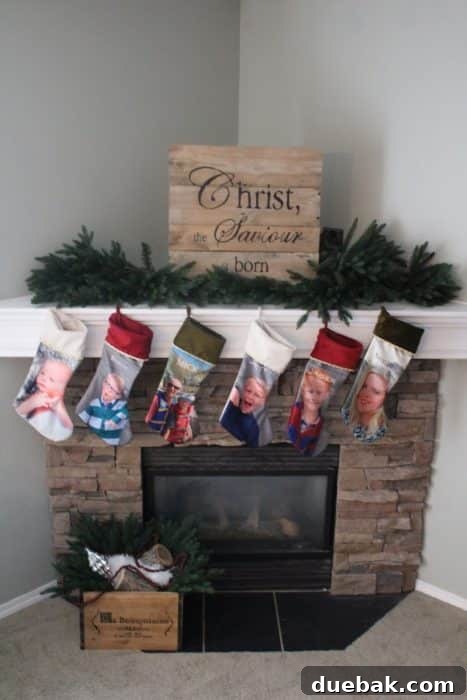
Another temporary solution involved stacking wood crates to fill the depth, providing a surface against which signs or other home decor items could lean. While these attempts offered some relief, they always felt temporary and lacked the permanence and clean lines I craved. Finally, I decided it was time for a more integrated and permanent solution to effectively “wall off” this challenging corner, creating a seamless and purposeful design feature.
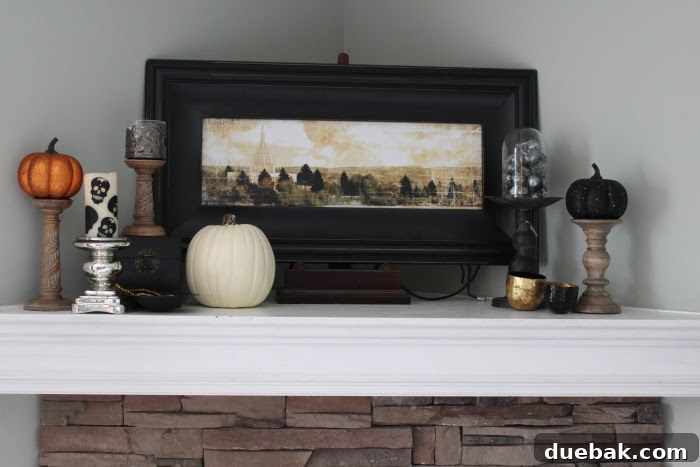

This simple, yet transformative solution not only closed off the unused and awkward space but also instantly gave the entire fireplace area a fresh, cohesive, and modern look. It elevated the design from a collection of temporary fixes to a thoughtfully integrated architectural feature.
Beyond the Fireplace: More Inspiring Home DIY Projects
If this fireplace makeover has ignited your passion for home improvement, you’re in luck! There are countless ways to personalize and refresh your living space on a budget. Here are a few more inspiring DIY projects to spark your creativity and help you transform other areas of your home:
- Thrift store dining room hutch makeover: Discover how a little paint and vision can turn a dated piece into a stunning statement.
- Vintage High Chair makeover: Restore a treasured heirloom or a flea market find to its former glory.
- DIY Chair slipcover: Learn how to give old chairs a fresh fabric update without expensive reupholstering.
The Shiplap Solution: How to Permanently Fill Behind a Corner Fireplace
To create a lasting and aesthetically pleasing solution for the deep, awkward cavity above the corner fireplace, I turned to shiplap. Shiplap planks, specifically those from Metrie (the same high-quality material I utilized in a previous basement project), proved to be the perfect choice. Shiplap not only offers a timeless, clean-lined aesthetic that complements a variety of design styles, but its overlapping planks also provide a beautiful texture and architectural interest, instantly elevating the space. The process involved carefully measuring and cutting the planks to fit the triangular shape of the nook.
The planks were stacked together, one by one, creating a solid, uniform surface. To secure them firmly in place, I used my reliable Ryobi nail gun with 1-inch nails, attaching the panels from behind where possible, or directly into the existing wall structure for a flush and sturdy installation. This method ensures that the shiplap is securely fastened, preventing any movement or gaps over time. Precision in cutting and placement is key here to achieve a professional, built-in look.
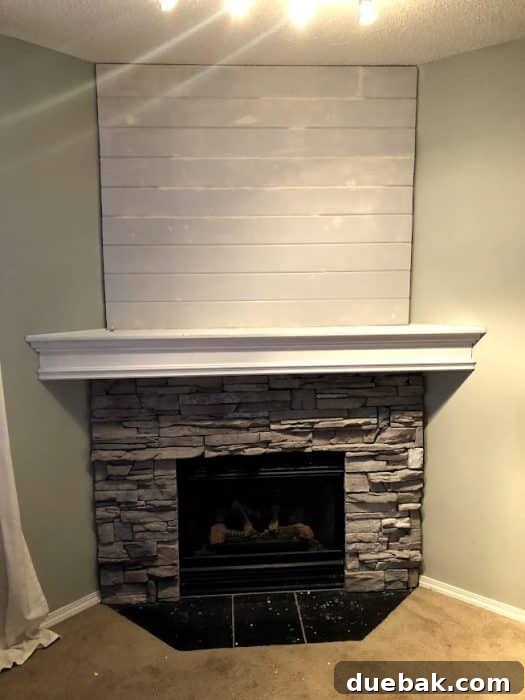
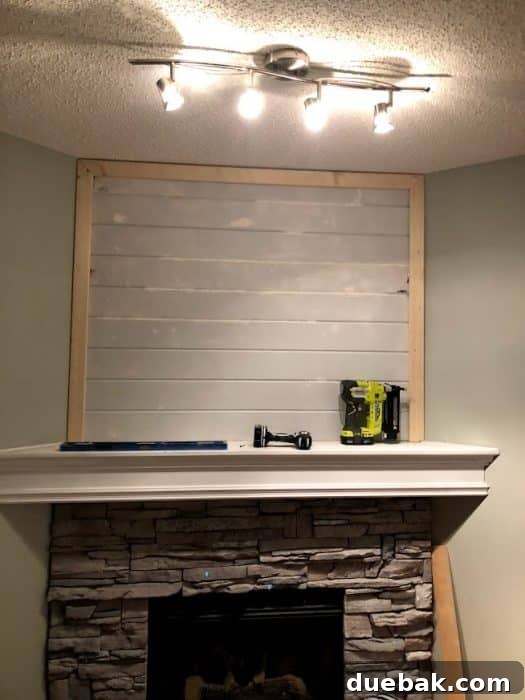
Once the shiplap planks were all installed, the next step was to add trim around the sides and top edges. This trim work serves two vital purposes: it provides a clean, finished boundary for the shiplap, and it helps to cover any slight imperfections in the cuts, creating a polished, custom-built appearance. After the trim was in place, I meticulously applied caulk to all the gaps – where the shiplap met the trim, and where the trim met the existing walls. Caulking is a small step that makes a monumental difference; it fills in any tiny spaces, resulting in a smooth, seamless, and truly professional-looking finish. Once the caulk dried, a fresh coat of paint matched to the shiplap (or a contrasting shade, depending on your preference) brought the entire structure together beautifully.
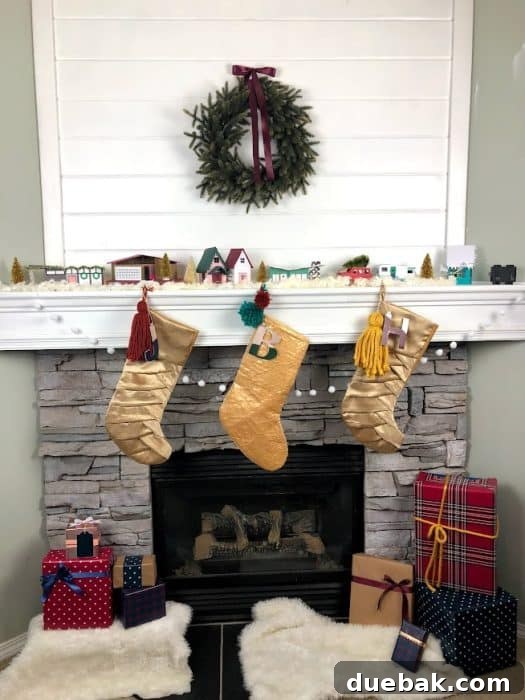
And just like that, the previously awkward and challenging corner fireplace space was transformed into a stylish, functional, and integrated design feature! As you can see, it provided the perfect backdrop for festive Christmas decorations, including a charming midcentury modern paper house village. For those interested in adding a similar touch, you can check out the details on these modern putz houses and house templates here!
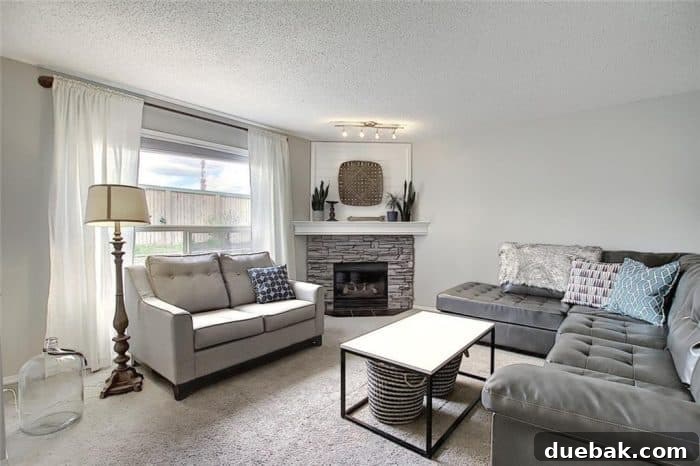
This image showcases the final look of the whitewashed stone fireplace seamlessly combined with the new shiplap wall. This particular photo was taken for the house listing when we sold it, so I’m actively looking to find an even better, closer-up shot that truly highlights the exquisite detail of both the stone and the shiplap!
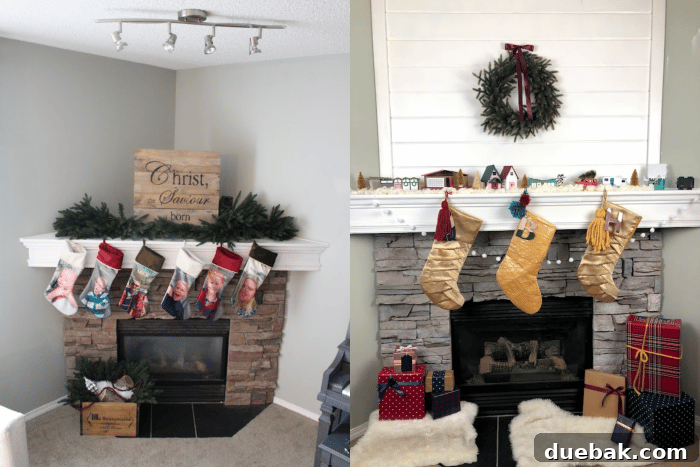
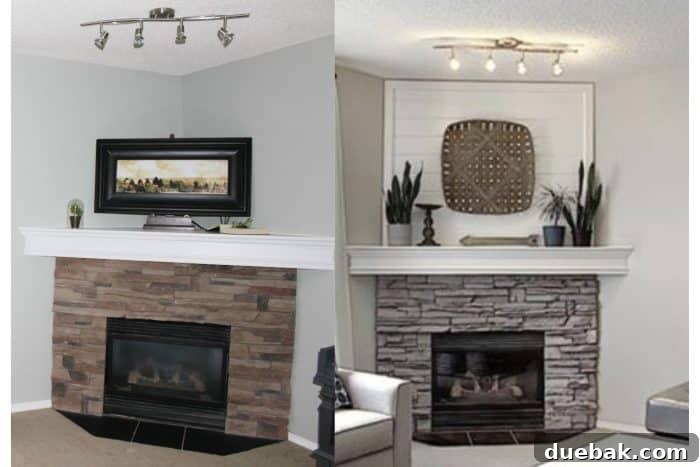
For a truly dramatic comparison, here’s the same stone fireplace, beautifully decorated for the holidays, showcasing its stunning “before” and “after” transformation. The difference is night and day, demonstrating just how impactful a budget-friendly DIY can be.
DIY Whitewash Stone Recipe Card
This simple guide will help you quickly and affordably update your stone fireplace with a beautiful whitewash finish.
Prep Time: 15 mins
Active Time: 15 mins
Estimated Cost: $10 (excluding brushes/tape if you already own them)
Equipment
- 1 Stiff Bristle Brush (for cleaning)
- 1 Paint Brush (2-3 inch for application)
- 1 Rag or sponge
- Mixing container
- Painter’s tape
- Drop cloths
Materials
- Chalk or Mineral Paint (e.g., Fusion Mineral Paint Casement)
- Water
- Soapy water / Vinegar solution (for cleaning)
Instructions
- Prepare the Stone: Deep clean the stone thoroughly with a hard bristle brush and soapy water. Clean the grout as well. If needed, use a vinegar and water solution for stubborn grime. Allow the stone and grout to dry completely.
- Protect Surrounding Areas: Apply painter’s tape meticulously to the walls, wood mantel, and metal fireplace insert. Lay down drop cloths to protect your flooring.
- Mix the Whitewash: Combine paint and water in a mixing container. Start with a ratio of 2 parts water to 1 part paint. Mix small amounts at a time. A total of about 1 cup of water and 1/2 cup of paint was used for this project, but adjust based on your desired opacity and fireplace size.
- Apply the Whitewash: Working one stone at a time, apply the paint mixture. You can vary the amount of coverage per stone. For a subtle look, apply lightly. For bolder stones, you might apply a slightly more opaque layer or a second thin coat after the first has dried. Use a rag to gently blend or remove excess if desired.
- Allow to Dry: Let the whitewashed stone dry completely, then remove painter’s tape carefully.
I genuinely hope this comprehensive tutorial empowers and encourages you to take on a similar transformative project in your own home. It’s amazing what a little paint, some shiplap, and a weekend of effort can achieve. Have you ever dared to paint or whitewash a stone fireplace? Did you undertake it yourself, or does the idea still fill you with a bit of trepidation? Share your experiences and thoughts in the comments below – I’d love to hear from you!