
Comprehensive Guide to Emergency Preparedness: Your Essential Kit, Plan, and Information Resources
Life can be unpredictable, and natural disasters, unfortunately, are a stark reminder of this reality. From sudden earthquakes shaking the ground beneath our feet to powerful hurricanes sweeping through coastal towns, unexpected events can disrupt our lives in an instant. The thought of being caught unprepared can be daunting, leading many to feel overwhelmed about where to even begin. While we might not consider ourselves survival experts, the importance of being ready for the unforeseen cannot be overstated.
Fortunately, we’ve had the privilege of consulting with genuine experts in the field of emergency management – individuals whose professional lives are dedicated to ensuring safety and readiness. Our gratitude goes to Amanda F., who holds a Master’s degree in emergency management and has served as an emergency coordinator for a major hospital in Los Angeles, bringing invaluable insights into earthquake preparedness. Now residing in Washington D.C., she also tackles the challenges of hurricane readiness. Additionally, Michelle O., the Deputy Coordinator of Emergency Management for a local county, contributed her profound knowledge. These seasoned professionals concur on three fundamental pillars of readiness: Make a kit, make a plan, and stay informed. Let’s delve into their collective wisdom, meticulously organized to guide you toward greater peace of mind.
1. Assemble Your Essential Emergency Kit
Creating an emergency kit doesn’t require a significant financial investment or an elaborate setup. The most crucial aspect is simply having something rather than nothing. Even a compact kit designed to sustain you for two days can make a monumental difference. Experts recommend considering three distinct types of kits, tailored to various emergency scenarios:
The “Stay-At-Home” Kit: Preparing for Power Outages and Isolation
This kit is designed for situations where you can safely remain in your home but might be without essential services like power, water, or communication for an extended period, typically three days or more. Imagine a significant snowstorm, a widespread power grid failure, or a localized event that prevents you from leaving your residence.
- Water Supply: Aim for at least one gallon of water per person, per day, for drinking and basic sanitation. Store water in clean, sturdy containers in a cool, dark place. Consider water purification tablets or a portable filter for additional safety.
- Non-Perishable Food: Stock a three-day (or ideally longer) supply of foods that require no refrigeration, cooking, or special preparation. Examples include canned goods (fruits, vegetables, meats), energy bars, dried fruit, nuts, peanut butter, and crackers. Don’t forget a manual can opener!
- Lighting: Flashlights are essential. Include multiple flashlights, headlamps, and plenty of extra batteries. Avoid candles as they pose a fire risk. Chemical light sticks can also be useful and safer.
- Battery-Powered or Hand-Crank Radio: A NOAA weather radio or a general battery-powered radio is crucial for receiving emergency broadcasts and staying informed when other communication methods fail. Ensure you have extra batteries for these devices.
- First Aid Kit: A well-stocked first aid kit should include bandages, antiseptic wipes, pain relievers, gauze, medical tape, scissors, tweezers, and any necessary prescription medications. Remember to check expiration dates regularly.
- Personal Hygiene Items: Include moist towelettes, hand sanitizer, soap, toilet paper, feminine hygiene products, and garbage bags for waste disposal.
- Medications and Personal Items: Keep a supply of any essential prescription medications, over-the-counter drugs, and necessary medical supplies. Don’t forget extra eyeglasses or contact lenses and solution.
- Cash: ATMs and credit card machines won’t function during power outages. Keep a small stash of cash in various denominations for essential purchases.
- Important Documents: As detailed below, having copies of critical personal and financial documents in a waterproof bag is paramount.
- Tools and Supplies: A multi-tool, wrench to turn off utilities, duct tape, plastic sheeting, and a whistle for signaling help can be invaluable.
- Warmth: Include blankets or sleeping bags for each person, especially in colder climates.
The “Kid and Pet” Kit: Tailored Care for Vulnerable Family Members
If you have children or pets, their specific needs must be integrated into your emergency preparedness. Their comfort and safety are paramount during stressful times.
- Infant Supplies: Formula, bottles, diapers, wipes, diaper rash cream, and any necessary medications.
- Children’s Items: Non-perishable snacks they enjoy, small toys, books, crayons, or comfort items like a favorite stuffed animal to help reduce anxiety.
- Pet Supplies: Food (dry and wet), water, bowls, leashes, harnesses, pet carriers, current photos of your pets (in case they get lost), vaccination records, and any specific medications. Also, consider pet beds or blankets for comfort.
The “Go Kit” (Bug-Out Bag): Ready for Evacuation
Often referred to as a “bug-out bag,” this kit is designed for rapid evacuation from your home, such as during floods, fires, or other immediate threats. Each family member should ideally have their own backpack, easily accessible and ready to grab at a moment’s notice.
- Water and High-Energy Snacks: A supply of bottled water and non-perishable, high-calorie snack foods like energy bars, dried fruit, nuts, and jerky.
- Extra Clothing and Sturdy Shoes: Pack a complete change of clothes suitable for the local climate and sturdy, comfortable shoes. Layers are always a good idea.
- Basic First Aid: A small, personal first aid kit for minor injuries.
- Copies of Essential Documents: Reduced-size photocopies of IDs, insurance cards, and emergency contacts.
- Cash: Small bills for immediate needs.
- Light Source: A small flashlight or headlamp with extra batteries.
- Whistle: For signaling your location to rescuers.
- Personal Hygiene: Travel-sized toiletries, hand sanitizer.
- Communication: A fully charged power bank for your cell phone or a basic cell phone if you have one.
Periodically reviewing your emergency supplies is crucial. We ourselves evaluated our preparedness a few years ago and found areas for improvement. Moving into a new home provides an excellent opportunity to reassess and ensure your kits are robust and up-to-date for your current environment.

Safeguarding Your Vital Documents: Beyond Immediate Use
Beyond the tangible supplies, protecting your personal and financial documents is a critical, yet often overlooked, aspect of emergency preparedness. This isn’t just about having them on hand during a disaster, but more importantly, about safeguarding them against loss or destruction if your home is severely damaged or destroyed by an earthquake, flood, fire, or other catastrophe. Real Simple magazine offered excellent advice on this front:
“Make photocopies of the following (or scan them and save them to a secure cloud service, encrypted flash drive, or CD) and keep one waterproof set at home in an easily accessible location, and another secure set in a safe-deposit box or with a trusted out-of-state family member.”
- Identification: Driver’s licenses, passports, social security cards.
- Birth and Marriage Certificates: Essential for proving identity and relationships.
- Health Information: Health insurance cards, medical records, and immunization records.
- Insurance Policies: Homeowners, renters, auto, life, and health insurance policy numbers and contact information.
- Financial Records: Mortgage documents, loan papers, property deeds, car titles and registrations, bank and brokerage account numbers.
- Legal Documents: Your will, power of attorney, and last year’s tax returns.
- Home Inventory: A detailed inventory and/or photographs of your home’s contents for insurance claims. Consider videotaping your possessions as well.
Overcoming Common Obstacles to Kit Assembly
It’s easy to find excuses for not starting your emergency kit: “I don’t have enough time,” “It’s too expensive,” “Where would I put it?” Our experts offer practical “excuse-busters” to help you get started:
- Leverage What You Already Have: Not every item needs to be purchased new. Begin by taking inventory of your home. Canned goods in your pantry, bottled water, a basic first aid kit, or spare batteries already count towards your preparedness.
- Budget-Friendly Shopping: The dollar store or discount retailers are excellent resources for stocking up on non-perishable food, water, basic flashlights, toiletries, and other inexpensive yet essential items. Functionality over brand name is key in an emergency.
- Spread Out the Expense: If a lump sum purchase isn’t feasible, adopt a gradual approach. Commit to buying one or two items for your kit each month. This makes the cost manageable and ensures steady progress.
- Involve Your Family: Turn kit assembly into a family project. Engage children in gathering items or selecting a new supply each month. This provides a natural opportunity to educate them about the purpose of each item and the importance of preparedness.
- Optimize Storage Space: Emergency kits don’t have to be bulky. Many components are compact. Look for easily accessible storage locations within your home, such as a closet, under a bed, or in a pantry, rather than an outdoor shed that might be hard to reach or compromised. For water storage, maximize what space you have; every bottle counts.
- One-Stop Shopping: Camping or outdoor supply stores are ideal for finding many emergency items simultaneously, as their inventory often overlaps with disaster preparedness needs (e.g., portable cooking stoves, water filters, durable flashlights).
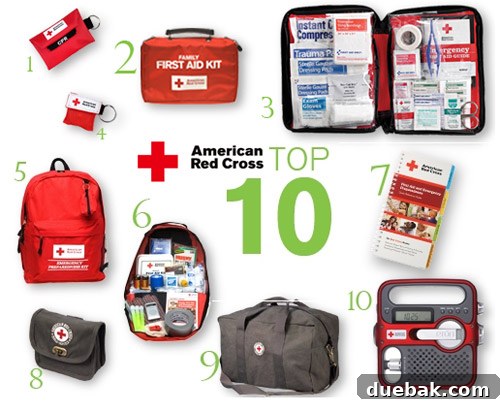
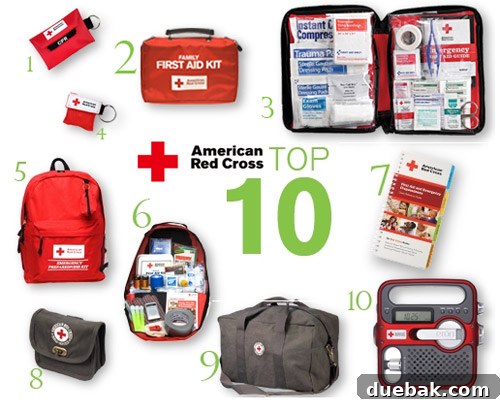
- Consider Pre-Assembled Kits: If time is your primary constraint, pre-assembled emergency kits offer a convenient solution. Organizations like the Red Cross provide a variety of reliable options.
Maintain and Update Your Kit Annually
A static emergency kit is a forgotten kit. It’s vital to regularly check and update its contents. Imagine the frustration of opening your kit during a crisis only to find expired food, outdated medications, or clothes that no longer fit your growing children. A practical strategy is to make it an annual habit: for instance, check your kit during Daylight Savings Time changes, when you also typically check your smoke detector batteries. This ensures fresh supplies, functional equipment, and appropriate clothing sizes for everyone.
2. Develop Your Family Emergency Plan
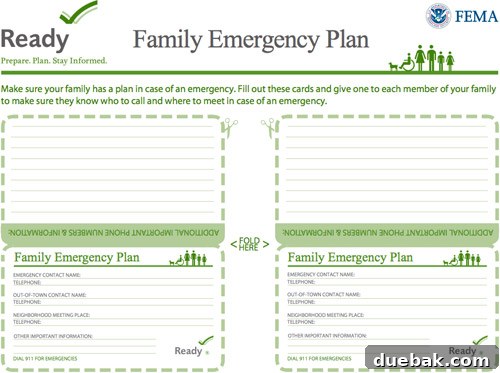
Crafting a family emergency plan is arguably the most cost-effective and time-efficient step you can take towards preparedness. It involves gathering essential information, documenting it clearly, and reviewing it regularly with every member of your household. The core objective is to ensure that everyone knows what to do, where to go, and how to communicate when a disaster strikes. Your plan should address:
- Family Contact Information: Compile a comprehensive list of phone numbers for every family member, including cell, work, and landline numbers (if applicable). Keep a waterproof copy in your wallet and emergency kits.
- Out-of-Town Contact: Designate a reliable relative or friend who lives out of town as your family’s central point of contact. During local emergencies, regional phone lines can become congested or inoperable. It’s often easier to call long-distance. Everyone in your family should know this contact’s number and be instructed to check in with them. This also helps keep local lines clear for emergency personnel.
- Communication Strategy: Emphasize that during an emergency, text messages often go through more reliably and quickly than phone calls because they require less bandwidth. Instruct family members to text updates rather than attempting repeated calls. Most modern phones will automatically try to send a text until it goes through.
- Designated Meeting Places: Establish two meeting places:
- Near Your Home: A safe spot just outside your residence in case of a sudden event like a fire.
- Outside Your Neighborhood: A predetermined location (e.g., a church, school, public library, or shopping center) in case you cannot return home or need to evacuate your immediate area. Ensure everyone knows how to get there independently.
- Escape Routes: Identify at least two escape routes from every room in your home. Practice these routes with your family.
- Utility Shut-Offs: Know how to turn off your home’s water, gas, and electricity in an emergency to prevent further damage or hazards. Teach responsible family members how to do this safely.
- Emergency Services: Ensure everyone knows when and how to call 911 or local emergency numbers.
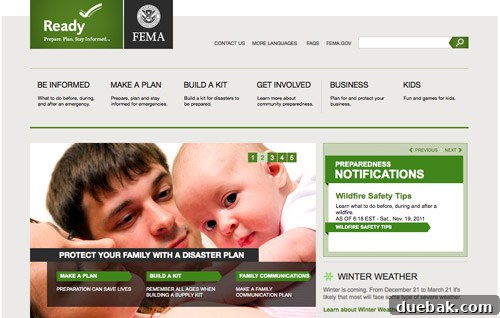
For a structured template to help you create your plan, visit Ready.gov, which offers excellent resources and forms to guide you through the process.
3. Stay Informed and Monitor Your Environment
The third pillar of emergency preparedness is maintaining an awareness of your surroundings and knowing how to access up-to-date information during a crisis. This involves understanding potential threats and knowing where to turn for official guidance and real-time updates on weather conditions, evacuation orders, shelter locations, and emergency relief services. Being informed allows you to make timely and safe decisions.
- Identify Local Information Sources: Research and note down the websites, social media accounts, radio stations, and TV channels that broadcast local emergency information in your area. Many counties, for example, have dedicated AM radio frequencies (like AM 1630 mentioned in the original context) for emergency updates.
- Utilize Emergency Alert Systems: Sign up for local emergency alerts via text messages or email. Many communities offer opt-in systems that provide immediate notifications about severe weather, Amber Alerts, and other critical events.
- Essential Equipment: A battery-operated radio or a NOAA weather radio is indispensable for receiving official broadcasts when power is out or cell phone service is disrupted. Ensure these devices have fresh batteries or are fully charged.
- Official Websites and Apps: Familiarize yourself with national and local government emergency management websites (like Ready.gov). Download any official emergency apps provided by your state or local authorities.
- Community Networks: Be aware of community resources such as neighborhood watch groups or local non-profits that play a role in information dissemination and support during emergencies.
Additional Essential Resources for Preparedness
For those seeking even more in-depth information and tailored guidance, several official resources are available:
- Ready.gov: The U.S. government’s official website for emergency preparedness, Ready.gov, is a treasure trove of information, guides, and checklists covering a wide array of disaster scenarios. It offers practical steps for individuals, families, and businesses.
- State and County Emergency Management Agencies: For region-specific threats and local resources, always check your state and county emergency management websites. For example, in Virginia, VaEmergency.gov provides localized guidance and alerts. A quick online search for “[Your State] emergency management” or “[Your County] emergency services” will lead you to these crucial local resources.
- The American Red Cross: Beyond their extensive work in disaster relief, the Red Cross offers valuable preparedness resources, including online courses, first aid training, and ready-made emergency kits.
Our sincere thanks once again to Amanda F. and Michelle O. for generously sharing their expert knowledge and empowering us all to be better prepared. Their insights serve as a potent reminder that proactive steps today can bring invaluable peace of mind tomorrow. Taking the time to assemble a well-stocked kit, outline a clear family plan, and commit to staying informed are foundational investments in your family’s safety and resilience.
The peace of mind that comes with knowing you’ve taken tangible steps to prepare for the unexpected is immeasurable. Start small, build gradually, and involve your loved ones. Every step taken towards preparedness is a step towards a safer, more confident future.
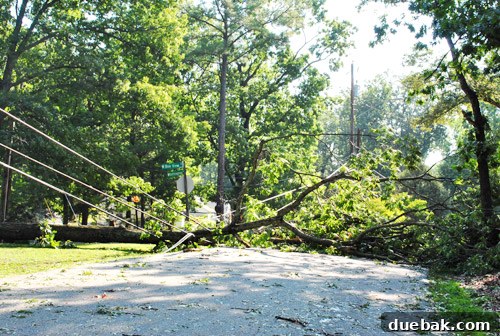
P.S. As many have thoughtfully inquired about our neighbors affected by the tree falling on their house during Hurricane Irene, we are delighted to report that they successfully moved back in around Christmas—nearly four months post-event! The extensive repairs and renovations were quite a project, involving the reconstruction of nearly half of their roof frame. However, they truly made lemonade out of lemons by converting the two affected bedrooms into one magnificent master suite. We caught a glimpse of it before completion, and it was absolutely stunning.
P.S.S. Images used in this article are sourced from Ready.gov and Redcrossstore.org.