
Create Your Own Easy DIY Terrarium: A Simple Guide to Lush Indoor Greenery
Terrariums have long captivated home decor enthusiasts and plant lovers alike, offering a enchanting glimpse into a miniature world. From glossy magazine features in Real Simple to detailed guides in Better Homes & Gardens, the appeal of these self-contained ecosystems is undeniable. However, the perceived complexity of creating a traditional terrarium—often involving multiple layers of pebbles, activated charcoal, specialized soil, and specific moss varieties—can deter many aspiring indoor gardeners. We understand that hesitation; the commitment of time, materials, and steps can feel daunting. But what if we told you there’s a remarkably simple, incredibly fast, and surprisingly affordable way to bring this captivating green trend into your home?
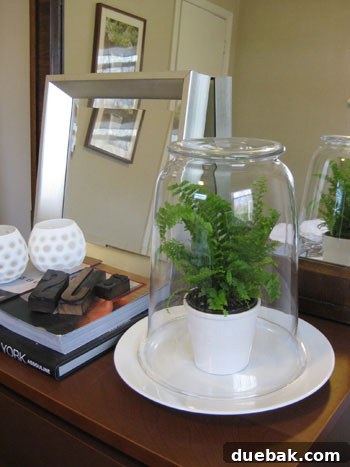
We embarked on our own terrarium journey, not with an elaborate setup, but with a “cheapo quickie” approach, as we affectionately dubbed it. And we’re thrilled to report on its resounding success! We intentionally waited over a month before sharing our step-by-step process, determined to ensure our botanical resident would thrive and not become another casualty of a short-lived DIY project. It brings us immense joy to confirm that our small, feathery fern is not just alive, but flourishing—a vibrant, content tenant in its cozy glass abode, gracing our guest bedroom with its serene presence. This simple method proves that you don’t need a green thumb or a hefty budget to enjoy the beauty and tranquility of a thriving indoor terrarium.
The Allure of Terrariums: More Than Just a Plant in a Jar
A terrarium is essentially a miniature greenhouse, a self-sustaining ecosystem encapsulated within a clear container. These enclosed environments offer numerous benefits, making them a popular choice for both seasoned plant enthusiasts and beginners. They create a humid microclimate that is ideal for many tropical plants that might struggle in the drier indoor air of most homes. This unique environment also significantly reduces the need for frequent watering, making terrariums a fantastic option for those seeking low-maintenance greenery. Beyond their practical advantages, terrariums are exquisite decorative pieces, adding a touch of natural elegance and living art to any space. They can transform a mundane corner into a focal point, bringing a sense of calm and a connection to nature indoors, regardless of your living situation.
The beauty of a terrarium lies in its ability to condense the wonders of the natural world into a manageable, personal scale. Observing the condensation cycle, the slow growth of a plant, and the delicate interplay within its glass walls can be a truly meditative experience. For city dwellers or those with limited outdoor space, a terrarium provides a much-needed splash of green, a vibrant contrast to concrete and steel. It’s a living sculpture, an ever-evolving piece of decor that breathes life and freshness into your home environment. And with our simplified approach, experiencing these benefits has never been easier or more accessible.
Dispelling the Myth: Terrariums Don’t Have to Be Complicated
The common perception of terrariums often involves a multi-layered construction, a precise science of drainage, substrate, and specialized flora. Many tutorials indeed outline an intricate process that includes a base layer of pebbles for drainage, followed by activated charcoal for filtration and odor absorption, a mesh barrier to prevent soil from mixing, and then a generous layer of specific potting mix. Some even suggest using distilled water to avoid mineral buildup and recommend various types of moss to complete the miniature landscape. While these traditional methods undoubtedly create stunning, long-lasting ecosystems, they can be intimidating for novices and time-consuming for anyone looking for a quick and satisfying project.
Our goal was to bypass this complexity without sacrificing the charm or longevity of a terrarium. We envisioned a truly minimalist approach, stripping away the non-essentials to arrive at the core elements needed for a plant to thrive in a humid, enclosed space. The result? A remarkably effective indoor greenhouse requiring only two primary components. This radical simplification makes terrarium creation approachable for everyone, regardless of their gardening expertise or the contents of their crafting cupboard. It’s about focusing on the essential conditions for plant life – humidity and protection – and letting go of the elaborate embellishments that often overcomplicate the process.
Your Minimalist Terrarium: The Only Materials You’ll Need
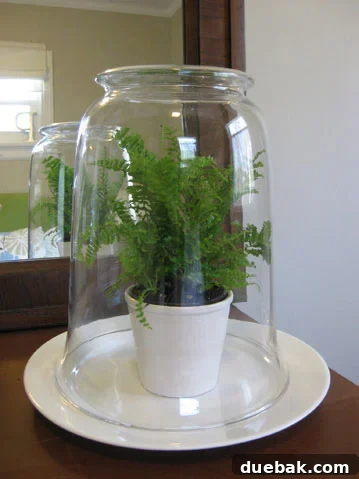
Forget the activated charcoal, the specialized soil, and the intricate layers of pebbles and moss. Our ultra-simplified terrarium relies on just two key items, making it incredibly budget-friendly and quick to set up. You won’t believe how little you need to achieve such a beautiful and thriving result. The essence of this design is intelligent simplicity, allowing the natural properties of the materials to create the perfect environment for your chosen plant.
Essential Materials:
- One large dinner plate: This serves as the base for your plant. Any sturdy, flat dinner plate will do. The size should be sufficient to comfortably hold your potted plant.
- One glass hurricane (or similar clear glass dome): We sourced an $11 glass hurricane from Ikea, proving that elegance doesn’t have to come with a hefty price tag. The key is to find a clear glass vessel that can be inverted to cover your plant completely, creating an airtight or near-airtight seal with the dinner plate. Look for glass cloches, large bell jars, or even repurposed oversized glass containers.
- One small potted plant: While not one of the “two things” that form the terrarium structure, it is, of course, the living heart of your project. We’ll delve into plant selection in the next section.
That’s truly it! The beauty of this method lies in its accessibility. You likely already own a suitable dinner plate, and glass hurricanes or similar domes are readily available at home goods stores, craft stores, or even discount retailers. This minimalist approach strips away the complexity, allowing you to focus on the joy of creating a living piece of art without getting bogged down in material hunting or complicated construction techniques.
Step-by-Step: Assembling Your Quickie Terrarium
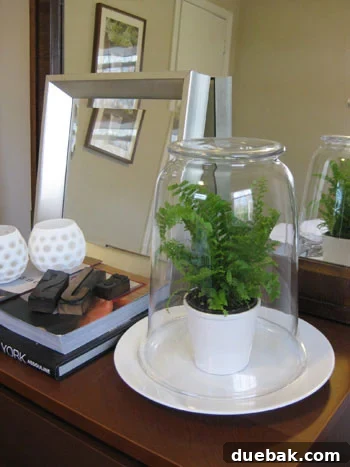
The assembly of this terrarium is so straightforward, it barely qualifies as a “project” in the traditional sense. It’s more of an arrangement, a clever pairing of a plant with its ideal microhabitat. But before we get to the simple setup, let’s talk about the most important living component: your plant.
Choosing the Right Plant for Your Miniature World
The success of this minimalist terrarium hinges on selecting the appropriate plant. The enclosed, humid environment created by the glass dome is perfect for species that naturally thrive in moist conditions. When browsing for your plant, consider the following:
- Moisture-Loving Species: Look for plants that enjoy high humidity. Ferns are exceptional candidates; our “Fluffy Ruffle Fern” from Home Depot, for instance, has been incredibly happy. Other excellent choices include small orchids, air plants (though they might require slightly different care), certain carnivorous plants like Venus flytraps or pitcher plants, and small varieties of Fittonia (nerve plant) or mosses. Avoid succulents or cacti, as they prefer dry conditions and will quickly rot in a terrarium.
- Size Matters: This is crucial. Select a plant that is small enough to fit comfortably under your glass dome without its leaves touching the glass. Leaves pressed against the glass can lead to condensation buildup, fostering mold or rot. There should be a bit of air circulation around the plant, preventing it from feeling cramped or stifled. Imagine a tiny house – you want your plant to have room to breathe and grow a little.
- Health and Vigor: Always choose a healthy plant from the nursery. Look for vibrant green leaves, no signs of pests or disease, and sturdy growth. A healthy start greatly increases the chances of long-term success in its new glass home.
The Simple Assembly Process
Once you have your chosen plant and glass hurricane, the assembly is truly a matter of seconds:
- Prepare Your Plant: Take your small potted plant (our “Fluffy Ruffle Fern” came in its nursery pot) and ensure it’s adequately watered. You don’t want it dripping wet, but the soil should be moist.
- Position on the Plate: Simply place the potted plant directly onto the large dinner plate. Ensure it’s centered and stable.
- Enclose with the Hurricane: Carefully invert your glass hurricane and gently lower it over the plant, creating a snug seal with the dinner plate. The goal is to create an enclosed space that traps moisture and humidity.
And just like that, you’ve created a beautiful, functional terrarium! The dinner plate acts as a simple base, containing any excess moisture, while the hurricane forms the crucial humid chamber. No complex layering, no special tools, just clever use of everyday items to create a perfect environment for your selected plant.
Nurturing Your Tiny Ecosystem: Care and Maintenance
The beauty of a closed terrarium, especially one as simple as ours, lies in its low maintenance requirements. Once established, the internal environment largely takes care of itself. However, a little observation and occasional intervention will ensure your miniature ecosystem remains vibrant and healthy for months, or even years, to come. Our fern has been thriving, and its care routine is surprisingly minimal, a testament to the effectiveness of this design.
The Magic of the Closed Environment
Inside your glass dome, a micro-climate is constantly at work. The plant transpires, releasing moisture vapor into the air. This vapor then condenses on the cooler interior surfaces of the glass, forming tiny droplets that eventually drip back down into the soil. This creates a self-watering cycle, mimicking the natural rainforest environment many terrarium plants adore. It’s a fascinating, miniature version of Earth’s own water cycle, playing out right before your eyes.
When to Lift the Lid: Balancing Moisture Levels
While the goal is a moist, misty environment, too much of a good thing can lead to problems like mold or excessive condensation that obscures your view. Here’s how to maintain the perfect balance:
- Observe Condensation: A healthy terrarium will show some condensation on the glass, especially in the mornings or after temperature fluctuations. This is a sign the water cycle is active.
- Too Foggy or Damp: If the inside of the glass becomes heavily fogged or noticeably damp for extended periods, it indicates excessive humidity. In this case, simply remove the glass top for an hour or two. This allows excess moisture to evaporate, giving your plant a “breather.” We do this occasionally for our fern, just to air it out and prevent sogginess.
- Preventing Soggy Conditions: While ferns and other terrarium-friendly plants love moisture, they don’t appreciate being waterlogged. Lifting the lid for a minute or so each week, even if it doesn’t look overly foggy, can help prevent the soil from becoming truly soggy, promoting better air circulation around the roots.
- Rarely Water: Thanks to the self-sustaining cycle, you’ll rarely need to water your terrarium. Check the soil moisture only if the glass appears completely dry for several days and the plant looks a bit droopy. If watering is needed, use only a very small amount – a tablespoon or two – to avoid overwatering.
Light, Temperature, and Location
- Indirect Light is Key: Place your terrarium in a spot that receives bright, indirect light. Direct sunlight, especially through glass, can quickly cook your plant and cause excessive heat buildup inside the dome, turning your mini-greenhouse into an oven. A north-facing window or a spot several feet from a south- or west-facing window is usually ideal.
- Stable Temperatures: Avoid placing your terrarium near extreme temperature fluctuations, such as next to a drafty window in winter or a heating vent. Consistent room temperatures are best.
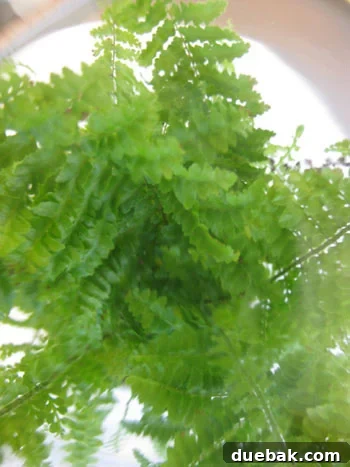
Here he is from above, vibrant and green. That’s one happy little fern, thriving effortlessly in its custom-made, easy-care habitat. This perspective truly highlights the simplicity and beauty of this setup, proving that sometimes, less truly is more when it comes to creating a stunning indoor garden feature.
Beyond the Basics: Creative Vessel Ideas & Personal Touches
While our chosen method focuses on a dinner plate and a glass hurricane for ultimate simplicity, the beauty of terrarium design lies in its versatility. Once you’ve mastered the basic principle of creating a humid, enclosed environment, you can let your creativity soar with different glass vessels and small decorative elements. The world of repurposing household items into charming plant-houses is vast and exciting!
Repurposing Household Items for Unique Terrariums
- Apothecary Jars: These classic glass jars with their wide mouths and often elegant stoppers are fantastic for creating small, contained ecosystems. Their vintage charm adds a sophisticated touch to any room.
- Oversized Glass Jugs/Cloches: We’ve even seen ingenious uses of oversized jugs (like those typically used for bulk cereal or beverages) creatively transformed into unique plant havens. The key is a clear, stable glass container that can either be sealed or inverted over a base.
- Fish Bowls/Vases: Small fish bowls or wide-mouthed glass vases can also be adapted. You might need to find a suitable lid or simply use them for open terrariums (which require more frequent watering but offer different aesthetic possibilities).
- Bell Jars: Originally used to protect delicate items, bell jars are perfect for covering a small plant and creating an instant terrarium aesthetic.
- Glass Domes from Cake Stands: If you have a cake stand with a glass dome, it can be repurposed beautifully for a small terrarium.
Beyond the glass container, you can personalize your terrarium with small decorative elements. A tiny figurine, a polished pebble, a piece of driftwood, or even a small shell can add character and a focal point to your miniature landscape. Just ensure any additions are clean and won’t introduce unwanted pests or chemicals. The beauty of these projects is that they can be as simple or as elaborate as you desire, always with the core principle of providing a nurturing home for your chosen plant.
Embrace Your Green Thumb: Final Thoughts on Easy Terrariums
Whether you choose to go “the full monty” with activated charcoal and multiple layers, or simply opt for our quickie dinner plate and hurricane method, the joy of creating and nurturing a terrarium is a rewarding experience. It’s an accessible entry point into the world of indoor gardening, offering a beautiful reward with minimal effort. Our flourishing fern stands as living proof that simplicity doesn’t equate to compromise when it comes to creating a thriving miniature ecosystem.
So, are you feeling inspired to bring a touch of green magic into your home? This easy DIY terrarium project is perfect for beginners, busy individuals, or anyone looking for a charming, low-maintenance decorative accent. Experiment with different plants, explore various glass vessels, and discover the delight of watching your tiny enclosed garden flourish. Embrace your inner gardener and embark on this incredibly simple yet endlessly captivating journey into the world of terrariums.