
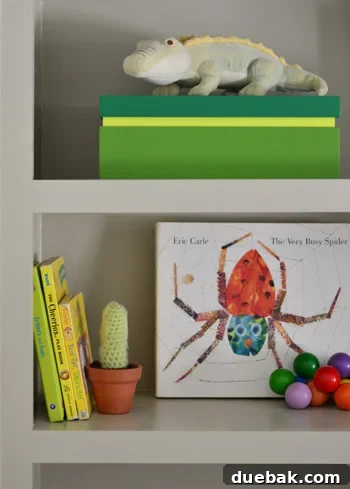
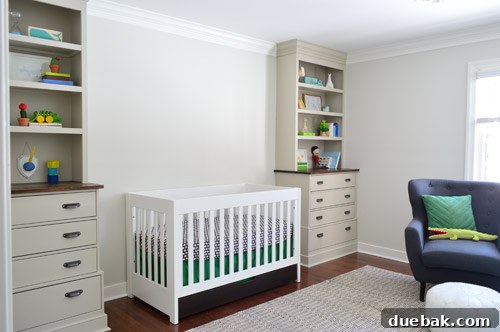
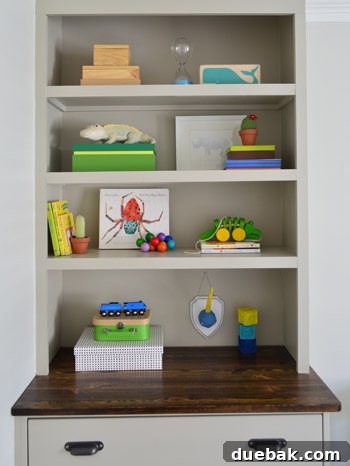
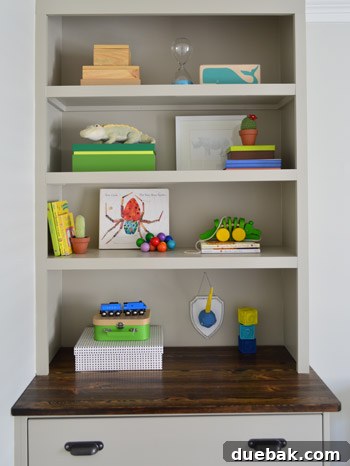
Our little one’s nursery is quickly transforming into a whimsical haven, filled with carefully selected treasures and, most importantly, heartfelt handmade touches. The built-in bookcases now proudly display a delightful collection of board books, playful toys, soft stuffed animals, cherished framed prints, and a sprinkling of unique curiosities. Each item has been chosen with the hope that our baby boy will find endless joy and fascination in exploring his new surroundings, perhaps even ‘feasting his eyes’ (and mouth, as babies do!) upon them. Among these cherished items, nestled charmingly on the bottom left shelf, you might just spot a truly special creation – an easy yet endearing paper mache craft we made together.
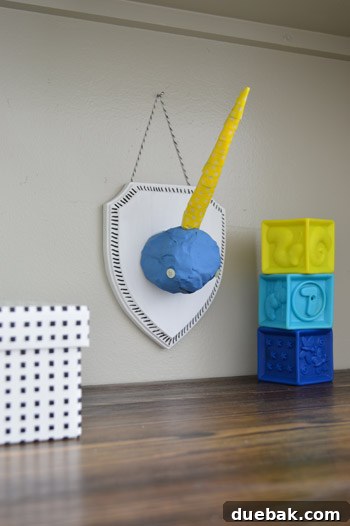
Allow us to formally introduce the newest resident of our nursery: Norman The Narwhal! While he may be far from a perfectly sculpted specimen, his charming imperfections are precisely what make him so utterly endearing. This project was a labor of love, a truly sweet experience shared with Clara, our soon-to-be big sister, who poured her heart into bringing Norman to life. His whimsical ‘wonkiness’ is a testament to the joy of handmade creations, infused with character that only a child’s touch can bring. This piece truly belongs under the category of “made by a kid, with a little help from mom, for her baby brother,” embodying the warmth and love of family. It’s a perfect example of how the most cherished nursery decor often comes from the hands and hearts of those who love the baby most.
Beyond being a heartwarming family project, this paper mache craft offers incredible versatility. It’s a fantastically easy and cost-effective way to customize and create almost any animal you desire, transforming it into a cheeky, faux bust display that adds a unique touch to any room. Whether you envision a majestic lion, a playful fox, or a whimsical unicorn, the fundamental techniques remain the same, allowing for endless creative possibilities. This adaptability makes it an ideal project for budding artists of all ages, fostering imagination and hands-on learning, and providing a sustainable alternative to mass-produced decor.
Crafting Whimsy: A Step-by-Step Guide to Our Paper Mache Narwhal Bust
Our inspiration for Norman came from a beautiful, less ‘wonky’ but equally charming narwhal bust we admired. While we drew ideas from it, Clara and I embarked on our own creative journey, happily substituting materials and methods to make our narwhal truly unique. Instead of a styrofoam ball for the base, we embraced the traditional paper mache technique with a crumpled paper core. We also experimented with a different approach for the horn and opted for playful buttons for eyes, infusing our own distinct style into the project. This guide will walk you through our enjoyable process, demonstrating how simple household items can be transformed into a captivating piece of art, perfect for any child’s room or as a quirky home accent.
Step 1: Selecting and Preparing Your Wood Plaque Base
Every great bust needs a solid foundation, and for our narwhal, a small wooden craft plaque served as the perfect base. We easily found one at a local craft store, JoAnn, for a budget-friendly price of around $3 with a coupon. These pre-cut plaques come in various shapes and sizes, making them a convenient choice for many craft projects. They offer a sturdy and smooth surface to work upon, contributing to the finished piece’s overall polished appearance. However, for those with a bit more woodworking prowess, you could certainly cut your own unique shape from a piece of scrap wood or even a thick piece of cardboard. This allows for even greater customization and can add a personal, rustic touch to your project. When choosing or cutting your plaque, consider the size and weight of your intended animal bust, ensuring it provides adequate support and aesthetic balance for your finished creation.
Step 2: Customizing Your Plaque with Paint or Stain
Once you have your chosen plaque, it’s time to add a splash of color or a touch of natural elegance. We decided to paint our plaque a crisp white, utilizing a leftover sample container of paint we had on hand. This was not only an economical choice but also a perfect opportunity to involve our 3-year-old, Clara, in the crafting process. Painting the plaque is a simple yet impactful step that even the youngest helpers can manage, boosting their confidence and creative engagement while contributing to the project. You have complete freedom here – select any color that complements your nursery decor, from soft pastels to vibrant hues, or opt for a wood stain to highlight the natural grain for a more rustic or sophisticated look. Ensure the plaque is clean and dust-free before painting, and allow sufficient drying time for your chosen finish before proceeding to the next steps, ensuring a smooth and durable surface that will proudly display your narwhal.
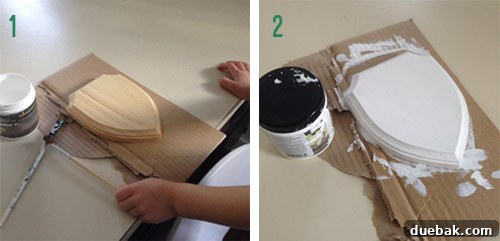
Step 3: Gathering Your Paper Mache Ingredients
It had admittedly been a while since we ventured into the world of paper mache, but the beauty of this classic craft lies in its simplicity and accessibility. Chances are, you already have the essential ingredients readily available in your kitchen: it’s merely flour and water! This humble combination creates a surprisingly strong, non-toxic, and versatile paste perfect for sculpting and adhering paper. For those who prefer a visual guide or need a refresher on the technique, we highly recommend checking out this excellent paper mache tutorial video. It provides a clear demonstration of the paste-making process and application, which can be invaluable for first-timers or those returning to the craft. Some experienced crafters also suggest adding a pinch of salt to their flour and water mixture. This simple addition can act as a natural preservative, helping to prevent mold growth, especially if your project will take a longer time to dry or if you live in a humid environment. This ensures your paper mache creation lasts for years to come.
Step 4: Crafting the Perfect Paper Mache Paste Consistency
With your simple ingredients at hand, the next crucial step is to mix your flour and water to achieve the ideal consistency for your paper mache paste. In a large bowl, combine the two, gradually adding water to the flour (or vice versa, but adding water slowly often helps prevent lumps) and stirring continuously until you reach a smooth, thick, soup-like texture. The goal is a paste that is runny enough for paper strips to easily soak through and become pliable, but thick enough to cling to the paper without dripping excessively. This ensures good adhesion and structural integrity for your project. We, in our enthusiasm, made a hilariously large batch – Clara absolutely adored this part! She was captivated by the mixing, constantly wanting to add “more water and more flour and stir, stir, stir” everything up. This interactive step is fantastic for engaging young children, allowing them to explore textures and cause-and-effect in a safe, non-toxic environment. Remember, you can always make more if you run out, so starting with a slightly smaller batch might be wise, preventing unnecessary waste and making cleanup easier. The right consistency is key for a successful paper mache outcome.
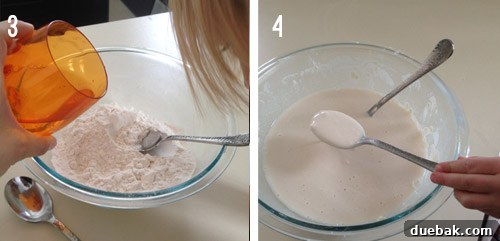
Step 5: Building the Animal Head Base with Paper Mache Layers
Now for the exciting part: constructing your animal’s head! We meticulously dipped small strips of newspaper into our homemade “soup” and began layering them over a base to form Norman’s narwhal head. A common and highly effective method for paper mache projects is to layer these soggy paper strips over an inflated balloon. A balloon offers a smooth, symmetrical base that is easily customized in size, and once your paper mache layers are completely dry and hardened, you simply pop the balloon, leaving you with a perfectly hollow, lightweight shell. This technique is excellent for achieving a professional, uniform finish and is often preferred for smooth, rounded forms.
However, we didn’t have a balloon readily available, so we improvised! We crumpled up a ball of paper (any scrap paper will do) to create a basic, lightweight core and built our narwhal head around that. While this approach didn’t result in the smoothest finished project (indeed, it contributed to Norman’s unique and endearing ‘wonkiness’), it did provide a stable base that we could leave inside the shell. This internal support proved surprisingly helpful during the subsequent construction phases, preventing any sagging as we added more layers and details. So, what initially seemed like a minor setback – not having a balloon – actually turned into a happy accident, adding character and structural integrity to our little narwhal! Be sure to apply several layers of paper mache, allowing each layer to dry somewhat before adding the next, to ensure maximum strength and rigidity for your bust. This gradual layering process is crucial for a durable and well-formed sculpture.
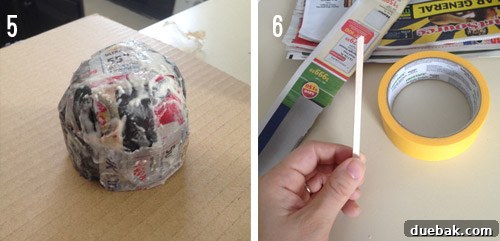
Step 6: Constructing the Narwhal’s Tusk Structure
While our paper mache head began its essential drying process – a crucial, albeit patience-testing, step – we shifted our attention to Norman’s most distinctive feature: his magnificent tusk. For our project, we sourced a small wooden dowel, which we carefully trimmed to approximately 5 inches in length. This provided a sturdy and appropriately sized core for the tusk, giving it the necessary rigidity and shape. If a wooden dowel isn’t immediately at hand, don’t fret! Creativity is key in crafting. A firm pencil, a sturdy plastic straw, a chopstick, or even a tightly rolled and taped piece of cardboard could serve as excellent alternatives, demonstrating the highly adaptable nature of DIY projects. The most important aspect is to select something that is rigid enough to hold its shape and light enough not to weigh down your delicate paper mache head once attached. This foresight helps ensure the tusk remains upright and securely fastened for years to come.
Step 7: Shaping the Tusk with Tape for a Tapered and Spiraled Effect
To achieve the classic tapered, subtly spiraled shape of a narwhal’s tusk, we employed a clever and straightforward technique using painter’s tape. We began by gently coiling the tape from the top (which would become the thinner, pointed end) to the bottom (the wider base) of our wooden dowel. As we moved downwards along the dowel, we gradually wrapped larger loops of tape, allowing the tape to build up volume and create a natural, conical taper. The flexibility and adhesive quality of painter’s tape allowed for easy manipulation and adherence, helping to define the subtle ridges and contours characteristic of a narwhal tusk. While one could certainly use additional paper mache layers or even aluminum foil to form a cone under the tape for added volume and a more robust structure, we consciously opted for a lighter tusk. This decision was pivotal in ensuring the tusk wouldn’t sag or exert undue stress on the delicate paper mache head, maintaining the overall structural integrity and whimsical appeal of our Norman, ensuring he remains perfectly poised.
Step 8: Adding Decorative Flair and Sealing the Tusk
For the final, decorative layer of the tusk, we aimed to infuse a touch of playful charm. We switched from plain painter’s tape to a cheerful yellow polka dot washi tape that I happened to have readily available in my craft supplies. Washi tape is fantastic for adding patterns, colors, and textures with remarkable ease, and while its subtle charm might be harder to discern in photographs, it introduced a delightful hint of fun pattern to Norman’s tusk. This is a wonderful opportunity to truly personalize your narwhal – consider using different colored tapes, painting intricate stripes, wrapping with textured twine or yarn, or even applying a touch of glitter for an extra sparkle and whimsical appeal! To ensure the washi tape was securely in place and to give the tusk added durability and a uniform finish, we then coated the entire tusk in a layer of matte Mod Podge. Mod Podge acts as both a glue and a sealant, effectively protecting your decorative elements from wear and tear while providing a smooth, protective surface. Allow this layer to dry completely before handling, creating a long-lasting and charming tusk that completes Norman’s unique look.
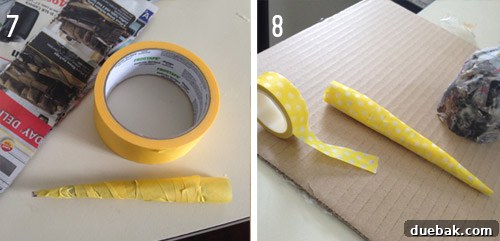
Step 9: Bringing Color and Life to Your Paper Mache Head
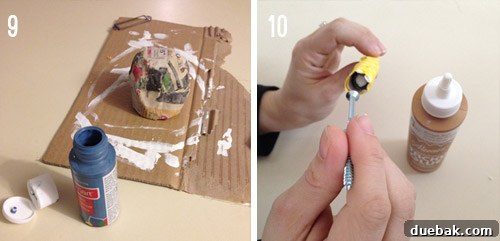
As our Mod Podge-sealed tusk dried, it was time to add life and vibrant color to our paper mache narwhal head. We carefully chose a lovely shade of blue craft paint, applying it meticulously to cover the newspaper layers and give Norman his characteristic oceanic hue. This step, much like painting the plaque, offers boundless creative freedom and is a fantastic way to involve children. You can select any color that sparks joy or perfectly fits your nursery’s palette – from soft pastels to vibrant, bold tones that truly make the piece pop. Acrylic craft paints work wonderfully for paper mache, offering excellent coverage, quick drying times, and a durable finish. Consider applying multiple thin coats rather than one thick one; this technique helps to avoid drips, ensures an even, smooth finish, and builds color intensity gradually. This is another fantastic stage for little hands to help, perhaps by choosing the color or assisting with broad strokes, truly making the project a collaborative effort and an expression of shared creativity.
Step 10: Preparing the Tusk for Secure Attachment to the Head
To ensure Norman’s tusk would be firmly and permanently anchored to his head, we devised a robust attachment method crucial for the bust’s longevity. We began by using Aileen’s Tacky Glue – a strong, versatile craft adhesive known for its excellent hold on various materials – to glue a long screw securely inside one end of the wooden dowel that forms the core of our horn. The key here is patience; we allowed this glue to dry for a substantial amount of time, ideally overnight or for at least 8-12 hours, to ensure a rock-solid, unbreakable bond between the screw and the dowel. This preparatory step is crucial for the tusk’s stability, preventing it from wiggling, loosening, or detaching over time. A strong, fully cured bond at this stage will make all the difference in the finished piece’s durability and longevity, allowing Norman to stand proudly without worry.
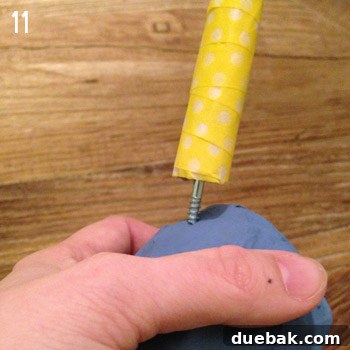
Step 11: Securely Attaching the Tusk to the Head
With our narwhal face painted and thoroughly dry, and the glue binding the screw to the tusk fully cured and rock-solid, it was time for the thrilling moment of assembly! We carefully screwed the tusk directly into the paper mache head, thereby giving Norman his iconic and majestic horned look. To make this process smoother, prevent any cracking in the dried paper mache, and ensure precise placement, I even created a small pilot hole in the head using our drill. This pre-drilled guide made it incredibly easy to twist the tusk into place, providing a clean entry point. And speaking of drills, Clara absolutely adores anything related to tools and construction, so this “drilling” step (with appropriate adult supervision and safety precautions, of course!) was particularly exciting for her, making her feel like a true engineer of art. This method ensures a remarkably strong and stable attachment, meaning Norman’s tusk will stand tall and proud as a defining feature for many years to come.
Step 12: Infusing Personality and Charm with Details
This is where Norman truly came to life and gained his unique personality! We decided to glue on a pair of small, dark buttons to give our narwhal endearing eyes, adding a delightful touch of character and depth. Then, with a simple black Sharpie, we carefully drew a charming little smile, completing his amiable and friendly expression. However, this step is entirely yours to command, offering boundless opportunities for creative expression! The possibilities for personalization are endless. Feel free to experiment: give your animal a jaunty bow tie made from ribbon, draw on playful freckles with a fine-tipped marker, add a tiny handmade hat crafted from felt, or even fashion a pair of whimsical spectacles. This stage is all about embracing creativity and allowing the crafter’s (and child’s!) imagination to run wild. The goal is to have fun and make your paper mache creation truly one-of-a-kind, reflecting the joy, individuality, and unique flair of its makers. Don’t be afraid to add your own special touch!
Step 13: Final Assembly and Display Preparation
With Norman fully constructed and bursting with personality, the final step was to unite him with his elegant display base. We used a generous amount of strong adhesive – such as E6000 or a heavy-duty craft glue – to securely attach the paper mache head to our beautifully painted plaque from the very first step. It’s important to use a glue that provides a lasting, permanent bond and to allow it ample time to cure, ensuring Norman stays firmly in place. To add an extra touch of finished detail and frame our whimsical bust, we used a paint pen to draw some cheerful dash marks around the border of the plaque, creating a subtle yet impactful decorative element. Finally, to prepare him for his place of honor in the nursery, we securely attached a sturdy piece of string or picture wire to the back of the plaque. This transformed him into a charming piece of hanging wall art, ready to adorn the nursery wall. This project not only yields a delightful piece of decor but also creates lasting memories of crafting together, which are truly priceless.
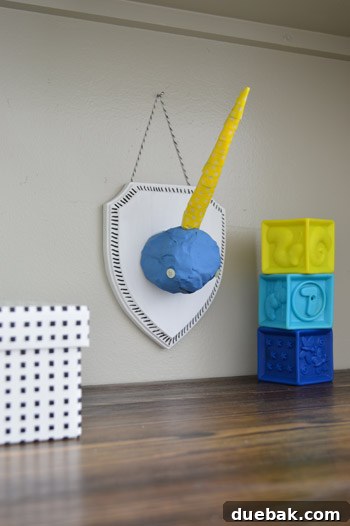
This entire project was an absolute delight, providing a wonderful opportunity to involve our daughter, Clara, in creating something special for her baby brother’s nursery. We couldn’t be happier with the final creation; Norman is truly bursting with personality and proudly exclaims, “a 3-year-old helped make this!” It’s a heartwarming reminder that the most precious decor often comes from moments of shared creativity and love, rather than perfect, flawless execution. The unique charm of a handmade item, especially one crafted by a child, adds an unparalleled warmth and story to any room.
Over the years, a question has occasionally arisen regarding decorative pieces like these, or ceramic ram heads, or cardboard deer heads: do they, even indirectly, glorify the act of mounting an actual animal head? This is certainly a highly personal and nuanced topic, and opinions vary widely. However, after considerable thought, I firmly believe that faux taxidermy does not make any statement in favor of real taxidermy. In fact, it often serves the opposite purpose. For me, it’s analogous to choosing luxurious faux sheepskins for our home instead of real ones, or the thoughtful decision many people make to purchase faux fur coats. These choices are driven by ethical considerations and a desire to enjoy aesthetic qualities without contributing to animal harm. Another compelling example comes from influential animal rights activists, such as renowned fashion designer Stella McCartney, who consciously designs with faux leather. Her stance is clearly against real leather, yet she utilizes imitation materials to powerfully demonstrate that there are fantastic, ethical, and equally stylish alternatives to genuine animal products. Faux taxidermy, in this light, serves as a celebration of animal forms in an artistic, compassionate, and cruelty-free manner, allowing us to admire their beauty and character without harm. It’s a wonderful way to bring character and nature-inspired elements into a space, particularly a nursery, in a way that aligns with modern ethical values and promotes kindness towards all living creatures, fostering an appreciation for animals through art.
Now that Norman the Narwhal is proudly displayed, I’m bubbling with excitement to dive into some other personality-adding details for the nursery. Next on the list are a pair of colorful curtains that will add a soft glow and a playful pop of color to the room, creating a cozy and inviting atmosphere. Alongside this, I plan to craft a large-scale mobile to hang gracefully and captivatingly over the crib. I’ve been envisioning something truly magical for the mobile; the rough Photoshop mock-up below gives a glimpse of my idea. I have an old manzanita branch that I think would be absolutely perfect as the mobile’s armature, providing a natural, organic feel. From it, I plan to hang a cascade of colorful shapes – perhaps stars, fluffy clouds, whimsical abstract animals, or geometric forms – at various lengths and depths, creating a captivating visual experience for our baby boy. This dynamic piece will not only serve as a beautiful focal point but also as a stimulating visual for his developing eyes and mind, encouraging exploration and wonder. Each element will be designed to capture light and movement, adding another layer of charm to his special space.
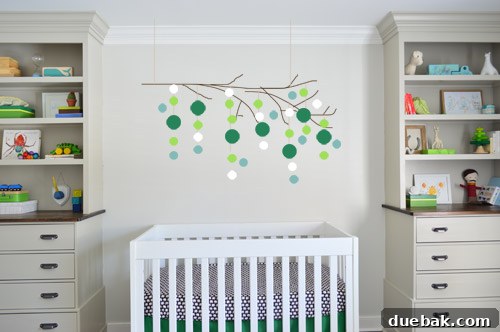
So, those exciting projects are next on our crafting agenda for the nursery! What creative endeavors are you currently tackling when it comes to filling bookcases, making art, or sprucing up your living spaces? Is anyone else rediscovering the timeless fun and simple joy of paper mache? It’s such an engaging and versatile activity for all ages, fostering creativity and providing a wonderful bonding experience. Despite Clara’s comical (and surprisingly harmless, given it’s just flour and water!) attempts to taste the paste, it truly brought so much laughter, learning, and joy to our home. We’d absolutely love to hear about your latest DIY adventures and any tips or tricks you’ve discovered along the way!
Psst: To catch up on our nursery’s transformation from the very beginning, explore our journey through these previous posts: discover the initial brainstorming and rug-buying post, learn about our dresser-sourcing process, get the full wall and ceiling painting rundown, follow the first half of our built-in building adventure, see the completion in the second half of the built-in project, and find out how we added charming crown molding and a homemade crib skirt. Each step brought us closer to the nursery of our dreams!